
The question “How far is Texas from California?” isn’t just about miles and hours; it’s about the vast expanse of the American Southwest, a journey that spans diverse landscapes, cultures, and experiences. For travelers, navigating the distance between these two colossal states opens up a world of possibilities, whether you’re seeking a cross-country road trip adventure, a swift flight for business, or a multi-stop exploration of iconic landmarks. Both Texas and California are immense, each offering a unique tapestry of attractions, from bustling metropolises to serene natural wonders, making the journey between them as much a part of the destination as the states themselves.
At its core, the distance is substantial, reflecting the sheer size of the United States. From the easternmost parts of California to the westernmost edges of Texas, the journey can range from approximately 1,100 miles to over 1,700 miles, depending on your specific starting and ending points. This extensive span translates into significant travel times, whether you choose to fly, drive, or even consider alternative modes of transport. Understanding these distances is the first step in planning an unforgettable journey that caters to your travel style, budget, and desired experiences.
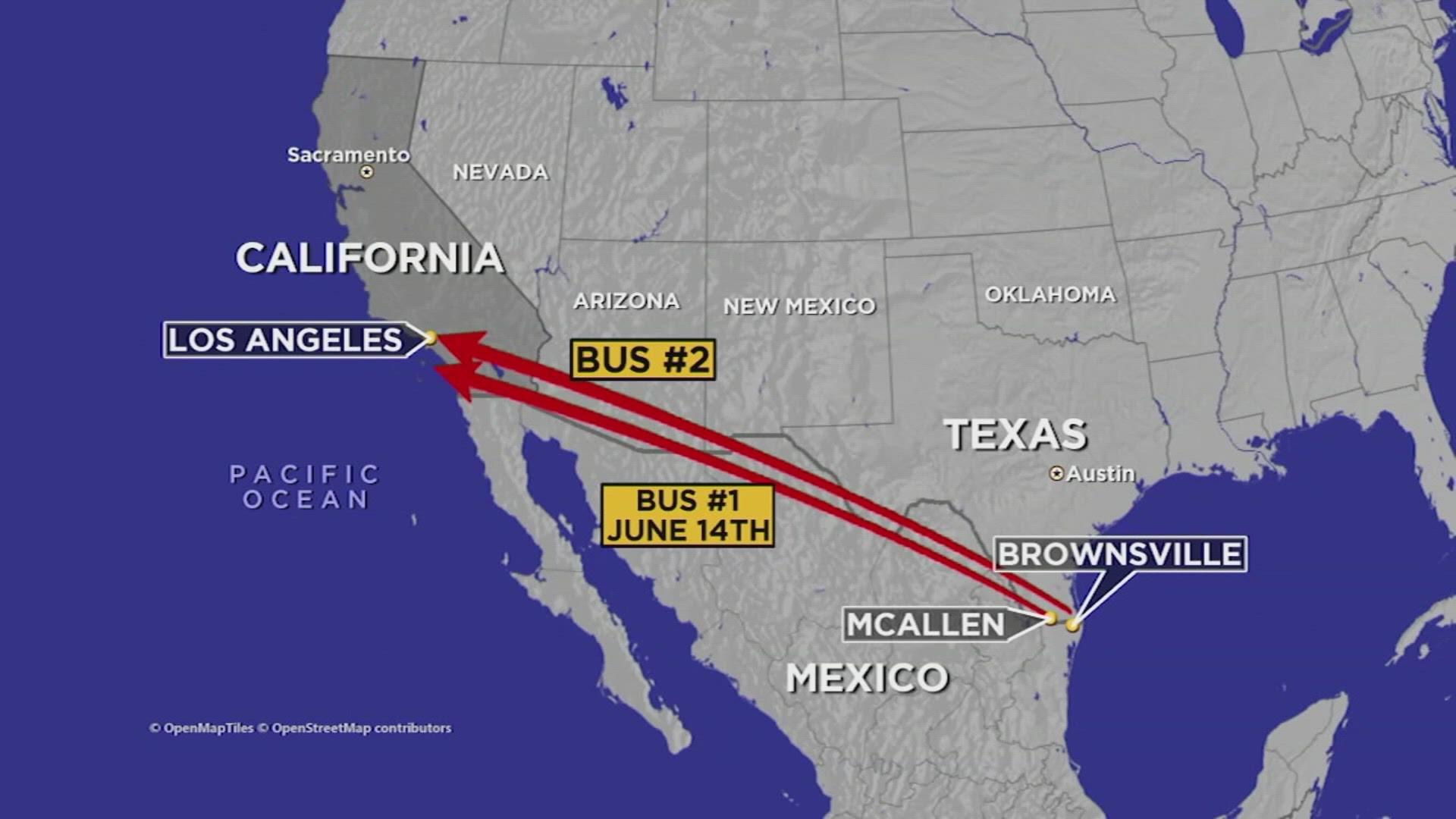
The Geographic Reality: Spanning the American West
Bridging the geographical gap between the Lone Star State and the Golden State involves traversing several other states, including New Mexico and Arizona. This interstitial territory is rich in its own right, offering potential detours and fascinating stopovers that can enhance any travel itinerary. The journey is not merely a means to an end but an opportunity to witness the varied beauty of the American West.
Understanding the Distance: Miles and Modes of Transport
To provide a concrete answer, let’s consider some common city pairs. The approximate driving distance from Los Angeles, California, to Dallas, Texas, is about 1,400 to 1,500 miles. This typically translates to a driving time of 20-24 hours without significant stops, requiring at least a two-day journey for most travelers. If you’re heading from San Francisco to Houston, the distance stretches further, often exceeding 1,600-1,700 miles, pushing the driving time closer to 25-28 hours.
For those prioritizing speed, flying is undoubtedly the most efficient option. A direct flight between major hubs like Los Angeles International Airport (LAX) and Dallas/Fort Worth International Airport (DFW) typically takes around 3-4 hours. Flights from San Francisco International Airport (SFO) to George Bush Intercontinental Airport (IAH) in Houston are similar in duration. While the actual flight time is minimal, travelers should factor in airport transfers, security checks, and potential delays, which can add several hours to the overall travel experience.
Key Routes and Major Cities for Your Journey
The primary artery connecting California and Texas by road is Interstate 10 (I-10). This transcontinental highway snakes across the southern tier of the United States, passing through major cities like Phoenix and Tucson in Arizona, and El Paso in Texas. For those starting further north in California, a route involving Interstate 40 (I-40) might be more logical, potentially taking you through Las Vegas, Nevada, and Albuquerque, New Mexico, before dipping south into Texas. Each route offers its own set of scenic marvels, from desert landscapes and mountain ranges to historic towns and vibrant urban centers.
The Great American Road Trip: Driving Between States
Embarking on a road trip from California to Texas (or vice-versa) is more than just covering miles; it’s an quintessential American experience. It’s an opportunity to create lasting memories, discover hidden gems, and truly immerse yourself in the changing landscapes and cultures of the Southwest.
Planning Your Route: From Deserts to Mountains
The decision of which route to take largely depends on your starting point, destination, and what you wish to see along the way. I-10 is a direct and efficient choice, often showcasing vast desert expanses, particularly through Arizona and New Mexico. Along this route, travelers can experience the unique blend of cultures in El Paso or explore the artistic communities of Tucson.
Alternatively, taking a more northern path, perhaps incorporating sections of the historic Route 66 or I-40, offers a different perspective. This could lead you past the majestic beauty of the Grand Canyon National Park (with a detour), the quirky attractions of New Mexico’s roadside towns, or the vibrant city life of Las Vegas. Remember to factor in potential weather conditions, especially if traveling during summer (intense desert heat) or winter (potential for snow in higher elevations). Planning your stops to coincide with scenic overlooks, national parks, or charming small towns can transform a long drive into a series of mini-adventures.
Essential Road Trip Stops and Accommodation Along the Way
A critical aspect of a successful road trip is planning comfortable and convenient overnight stops. As you journey between Texas and California, you’ll pass through several states with excellent accommodation options catering to various budgets and preferences.
- Arizona: Cities like Phoenix and Tucson offer a wide array of hotels and resorts. For a luxurious escape, consider boutique hotels in Old Town Scottsdale or a desert resort with a spa. Budget-friendly travelers will find numerous chain hotels and motels with essential amenities like pools and complimentary breakfast.
- New Mexico: Albuquerque and Santa Fe are cultural hubs with unique lodging experiences. From historic inns and charming bed & breakfasts reflecting local Native American and Spanish influences to modern hotels, there’s something for every taste.
- West Texas: El Paso serves as a significant stop, with many hotels offering easy access from I-10. For those venturing slightly off the main highway, smaller towns might offer charming local motels or even opportunities for glamping near natural attractions like Big Bend National Park.
When selecting accommodation, consider amenities that enhance a road trip, such as ample parking, pet-friendly policies (if traveling with furry companions), and on-site dining options. Many travelers also opt for suites or apartments, especially for family trips or longer stays, offering more space and kitchenettes for added convenience and savings on meals. Booking in advance, especially during peak travel seasons, is highly recommended to secure the best rates and availability.
Tips for a Seamless Cross-Country Drive
To ensure your road trip is as smooth and enjoyable as possible, keep these tips in mind:
- Vehicle Preparation: Before setting off, ensure your car is in excellent condition. Check tires, oil, fluids, and brakes. Consider a full service if your trip is extensive.
- Pace Yourself: Avoid driving more than 8-10 hours a day. Over-fatigue can be dangerous and detracts from the enjoyment of the journey. Plan for regular breaks every few hours to stretch, refuel, and grab a snack.
- Stay Hydrated and Fed: Carry plenty of water and healthy snacks, especially when traversing remote desert areas where services can be sparse.
- Navigation: While GPS is invaluable, having a physical map as a backup can be helpful in areas with limited cell service. Download offline maps for your chosen route.
- Entertainment: Load up on playlists, podcasts, or audiobooks. For family trips, plan games or activities to keep passengers engaged.
- Flexibility: While planning is essential, be open to spontaneous detours and discoveries. Some of the best road trip memories are made when you deviate from the original plan.
- Safety: Be aware of your surroundings, especially when stopping overnight. Keep valuables out of sight and lock your vehicle.
Flying High: The Fastest Way to Bridge the Divide
For those whose priority is speed and efficiency, air travel is the undeniable champion. The journey from Texas to California by plane is a matter of hours, making it ideal for business travelers, weekend getaways, or those with limited time.
Major Airports and Flight Durations
Both Texas and California boast several major international airports, facilitating frequent direct flights between the states.
Key Airports in California:
- Los Angeles International Airport (LAX) (serving Los Angeles and Southern California)
- San Francisco International Airport (SFO) (serving San Francisco and the Bay Area)
- San Diego International Airport (SAN) (serving San Diego)
Key Airports in Texas:
- Dallas/Fort Worth International Airport (DFW) (serving Dallas and Fort Worth)
- George Bush Intercontinental Airport (IAH) (serving Houston)
- Austin-Bergstrom International Airport (AUS) (serving Austin)
Direct flights between these major hubs typically range from 3 to 4 hours. For example, a flight from LAX to DFW or SFO to IAH falls within this timeframe. Flights to or from smaller regional airports might involve layovers, extending the overall travel time but sometimes offering more convenient departure or arrival locations.
Choosing Your Air Travel Experience
When flying, consider not just the duration but also the overall travel experience.
- Budget Travel: Several low-cost carriers operate routes between Texas and California, often providing competitive fares. These options are perfect for budget travelers willing to forgo some amenities for cost savings.
- Comfort and Convenience: Full-service airlines offer a range of options, from economy to first-class. For business travelers, choosing an airline with reliable schedules, in-flight Wi-Fi, and comfortable seating can be crucial for productive travel. Travelers seeking luxury might opt for premium cabin experiences, which often include lounge access, priority boarding, and enhanced dining.
- Booking Tips: To find the best deals, book flights in advance, be flexible with your travel dates, and consider flying on weekdays or during off-peak seasons. Utilizing flight comparison websites can help identify the most economical and convenient options. Also, consider package deals that combine flights with hotel bookings for potential savings, especially if you’re planning a longer trip or stay.
Beyond the Journey: Exploring Texas and California
Once you’ve arrived, either by road or air, the real adventure begins. Both Texas and California are treasure troves of culture, history, natural beauty, and modern attractions, offering something for every type of traveler.
Iconic Landmarks and Attractions in the Lone Star State
Texas is a state of immense pride and diverse offerings, from its vast plains to its bustling urban centers.
- History & Culture: Immerse yourself in the story of The Alamo in San Antonio, a poignant symbol of Texan independence. In Dallas, the Sixth Floor Museum at Dealey Plaza offers a somber yet insightful look into a pivotal moment in American history.
- Space & Science: Houston is home to the renowned NASA Space Center Houston, where visitors can explore space artifacts, witness astronaut training, and even touch a moon rock.
- Natural Beauty: Venture out to Big Bend National Park in West Texas for breathtaking desert landscapes, dramatic canyons, and a chance to experience true wilderness. For a refreshing escape, explore the vibrant green spaces within cities, such as Zilker Park in Austin.
- Food & Entertainment: Texas is synonymous with authentic BBQ and flavorful Tex-Mex cuisine. Austin, the “Live Music Capital of the World,” offers an unparalleled nightlife and a thriving food truck scene.
Discovering the Golden State’s Diverse Allure
California is a land of endless sunshine, iconic landmarks, and incredible natural diversity.
- Coastal Wonders: Drive the legendary Pacific Coast Highway (PCH) for stunning ocean views, stopping at picturesque towns like Carmel-by-the-Sea or visiting the dramatic cliffs of Big Sur.
- Urban Icons: In San Francisco, marvel at the engineering feat of the Golden Gate Bridge, explore Alcatraz Island, and ride a historic cable car. Los Angeles beckons with the glitz of Hollywood Walk of Fame, world-class museums, and beautiful beaches.
- Theme Parks: For family fun, Disneyland Park in Anaheim and Universal Studios Hollywood offer unforgettable entertainment experiences.
- National Parks: Escape to the majestic Yosemite National Park with its towering sequoias and granite cliffs, or explore the stark beauty of Death Valley National Park.
- Wine Country: Indulge in world-class wine tasting tours in Napa Valley and Sonoma County.
Accommodation and Lifestyle Choices in Both Regions
Both states offer an extensive range of accommodation options, catering to every lifestyle and budget, from short stays to long-term relocation needs.
- Luxury Travel: For those seeking opulent experiences, Texas boasts establishments like The Ritz-Carlton Dallas or Hotel Emma in San Antonio, known for their exceptional service and amenities. In California, iconic hotels such as the Beverly Wilshire, A Four Seasons Hotel in Beverly Hills or The St. Regis San Francisco offer unparalleled elegance and comfort. These resorts often feature gourmet dining, exclusive spas, and personalized concierge services, perfect for a high-end experience.
- Budget-Friendly Options: Travelers on a tighter budget will find a plethora of motels, hostels, and vacation rentals available through platforms like Airbnb or Vrbo. Many cities also have extended-stay hotels that provide kitchenettes and more space, which can be cost-effective for longer visits.
- Family Trips: Resorts with family-friendly amenities such as large pools, kids’ clubs, and connecting suites are plentiful. Theme park hotels in Anaheim and Orlando (though Orlando is not in California or Texas, the type of accommodation is relevant) are designed to provide maximum convenience and entertainment for families.
- Business Stays: Major cities in both states offer a vast selection of business hotels equipped with conference facilities, executive lounges, and fast Wi-Fi, ideal for corporate travelers. Many provide easy access to central business districts and transportation hubs.
- Long-Term Accommodation: For those considering a longer stay, serviced apartments or villas provide a home-away-from-home experience, often with more privacy and facilities like full kitchens and laundry, making them suitable for digital nomads, relocating families, or anyone seeking an authentic local living experience.
When choosing accommodation, it’s wise to consider not only the price but also the proximity to attractions, public transport, and the specific amenities that align with your travel style. Reading reviews and comparing options is key to ensuring your stay enhances your overall travel experience.

Making the Most of Your Inter-State Adventure
Whether you’re meticulously planning every detail or embracing spontaneity, traveling between Texas and California is an opportunity to witness the incredible diversity of the United States. From the rugged beauty of the desert to the glamour of coastal cities, the journey itself is a narrative waiting to unfold.
Deciding “how far” to go is really about deciding “how” you want to experience the distance. Do you want the swift efficiency of a flight, landing you directly into the heart of a new adventure? Or do you crave the expansive freedom of the open road, with endless possibilities for discovery along the way? Whatever your preference, both Texas and California await with open arms, ready to offer unforgettable experiences that cater to every traveler’s dreams. Plan your trip, pack your bags, and get ready to bridge the fascinating gap between these two iconic American states.
LifeOutOfTheBox is a participant in the Amazon Services LLC Associates Program, an affiliate advertising program designed to provide a means for sites to earn advertising fees by advertising and linking to Amazon.com. Amazon, the Amazon logo, AmazonSupply, and the AmazonSupply logo are trademarks of Amazon.com, Inc. or its affiliates. As an Amazon Associate we earn affiliate commissions from qualifying purchases.