
Navigating the intricacies of travel often involves more than just booking flights and accommodations; it extends to understanding local laws and customs that can significantly impact your experience. For many, a road trip through Texas is a quintessential American adventure, promising vast landscapes, vibrant cities, and unique cultural experiences. However, as with any journey, it’s crucial to be aware of the regulations that govern behavior on the road. A common question that arises, particularly for those accustomed to different legal frameworks, is about consuming alcoholic beverages as a passenger in a vehicle within the Lone Star State. This article aims to provide a clear and comprehensive answer, exploring the nuances of Texas law regarding open containers and passenger consumption, ensuring your travels are both enjoyable and compliant.
Understanding Open Container Laws in Texas
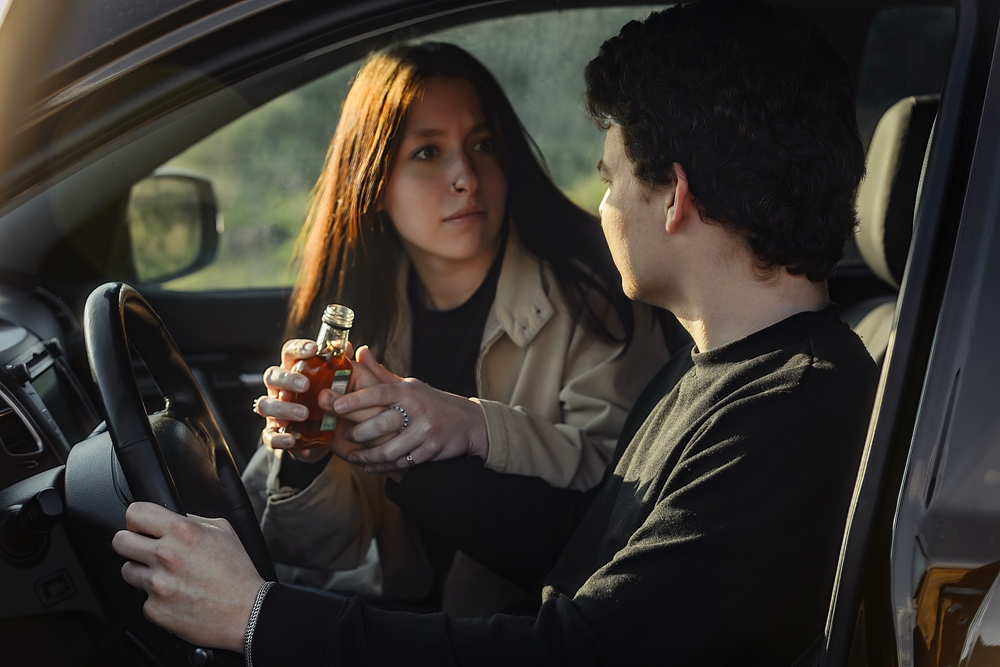
The core of the question regarding passengers drinking in a car in Texas lies in the state’s open container laws. To understand passenger rights, one must first grasp the general prohibitions. In Texas, it is illegal to possess an open container of an alcoholic beverage in a public place, which includes the passenger area of a motor vehicle. An “open container” is defined as any bottle, can, or other receptacle that has been opened, had its seal broken, or otherwise has had its contents partially removed.
The General Prohibition
The law, codified under the Texas Alcoholic Beverage Code, specifically targets the possession of open containers by the driver and any passenger within the passenger compartment of a vehicle. The intent behind such laws is generally to prevent impaired driving and to maintain public order. Therefore, the default understanding is that consuming alcohol or possessing an open container in a moving vehicle is not permitted for anyone inside.
Exemptions and Specific Scenarios
However, like many legal statutes, there are exceptions and specific scenarios where the general prohibition might not apply or where the interpretation becomes more nuanced. These exceptions are crucial for travelers to understand to avoid unintended legal trouble.
Vehicles Designed to Serve Alcohol
One significant exemption is for motor vehicles specifically designed and licensed to serve alcohol. These are typically referred to as “party buses” or “limousines” when they are operating under a proper license. In these instances, the vehicle’s design and operational purpose allow for the consumption of alcohol by passengers. The key here is the licensing and the specific nature of the vehicle, not just any private car or rental van. These licensed vehicles often have designated service areas and operate under specific guidelines that permit passenger drinking.
Private Property
The open container laws in Texas primarily apply to public roads and public places. This means that if a vehicle is parked on private property, and the owner or occupant has given permission, the rules surrounding open containers might differ. However, it’s important to note that even on private property, local ordinances or specific property rules could still restrict alcohol consumption. Furthermore, if the vehicle is on private property but still accessible to the public, it may still be subject to open container laws.
Consumption vs. Possession
It’s also worth distinguishing between the act of consumption and mere possession. While the law prohibits possession of an open container in the passenger area of a vehicle, the act of drinking from it is inherently linked. However, a passenger might technically be in possession of an open container without actively drinking. The enforcement and interpretation of this can vary, but generally, the presence of an opened bottle or can in a location where it could be consumed by passengers points towards a violation.

Passenger Rights and Responsibilities
When traveling in Texas, understanding your role as a passenger is as important as understanding the driver’s obligations. While the driver bears the primary responsibility for adhering to all traffic laws, passengers are not entirely absolved of their duties.
The Driver’s Responsibility
The driver is legally responsible for ensuring that no open container of alcohol is present in the passenger area of their vehicle while it is in operation on a public roadway. This means the driver must prevent passengers from drinking or possessing open containers. A driver can be cited for allowing an open container in their vehicle, even if they are not the one drinking.
Passenger Accountability
While the primary legal burden falls on the driver, passengers who are observed consuming alcohol from an open container or possessing one in the passenger compartment can also face citations. Law enforcement officers have the authority to issue tickets to passengers if they witness violations of the open container law. This underscores the importance for all occupants of a vehicle to be aware of and adhere to these regulations.
Designated Drivers and Ride-Sharing Services
For travelers planning to consume alcohol, employing a designated driver or utilizing ride-sharing services like Uber or Lyft are the safest and most legal options. These services eliminate the risks associated with impaired driving and circumvent open container laws altogether, as the driver is a professional operating the vehicle under different parameters. Many tourists and locals alike choose these options when visiting bars in cities like Austin or Dallas to ensure a safe and responsible evening.
Navigating Texas Travel Safely and Legally
The question “Can a passenger drink in a car in Texas?” has a general answer: no, not in the passenger area of a vehicle on public roads, with specific exceptions for licensed vehicles designed to serve alcohol. This regulation is in place to promote road safety and prevent drunk driving.
Key Takeaways for Travelers
- No Open Containers in Passenger Areas: On public roads, passengers are prohibited from possessing or consuming alcohol from an open container within the passenger compartment of a vehicle.
- Driver’s Responsibility: The driver is legally responsible for ensuring compliance with open container laws.
- Exceptions Exist: Licensed vehicles designed to serve alcohol are exempt. Consumption on private property might be permissible under certain conditions, but always check local ordinances.
- Safety First: When alcohol is involved, opt for designated drivers, taxis, or ride-sharing services.

Enjoying Your Texas Journey Responsibly
Texas offers a wealth of experiences, from the historical sites of San Antonio to the culinary delights of Houston and the natural beauty of Big Bend National Park. Understanding and respecting local laws, such as those concerning open containers in vehicles, is an integral part of responsible tourism. By being informed, travelers can ensure their trip is not only memorable but also free from legal complications, allowing them to fully immerse themselves in the Lone Star State’s unique charm and hospitality. Whether you’re exploring the Hill Country wineries or enjoying the nightlife in Fort Worth, a little knowledge goes a long way in ensuring a smooth and enjoyable adventure.
LifeOutOfTheBox is a participant in the Amazon Services LLC Associates Program, an affiliate advertising program designed to provide a means for sites to earn advertising fees by advertising and linking to Amazon.com. Amazon, the Amazon logo, AmazonSupply, and the AmazonSupply logo are trademarks of Amazon.com, Inc. or its affiliates. As an Amazon Associate we earn affiliate commissions from qualifying purchases.