
Texas, a state renowned for its vast landscapes, diverse climates, and agricultural prowess, presents a unique set of challenges and opportunities for horticulturists and nature enthusiasts alike. While many associate cherry blossoms with cooler, more temperate regions, the question of whether these beloved trees can thrive in the Lone Star State is a common and intriguing one. The answer, as is often the case with Texas’s climate, is nuanced and depends heavily on the specific variety of cherry tree and the microclimate within the state.
Understanding Texas’s Climate for Fruit Trees
Texas boasts an incredibly varied climate, stretching from the humid subtropical regions of East Texas to the arid landscapes of West Texas, and encompassing the hot, dry conditions of the Panhandle and the milder, coastal influences of the Gulf Coast. This climatic diversity means that a blanket statement about any fruit tree’s viability across the entire state is rarely accurate. For fruit-bearing trees, and specifically for cherry trees, several key climatic factors are critical:
Chill Hours: The Essential Winter Dormancy Factor
Perhaps the most significant factor determining the success of fruit trees, including cherries, is the requirement for “chill hours.” Chill hours are defined as the number of hours the temperature remains between 32°F (0°C) and 45°F (7°C) during the winter months. This period of cold is essential for breaking the dormancy of many deciduous fruit trees, signaling them to prepare for spring blooming and fruit set.
Traditional sweet cherry varieties (Prunus avium) and sour cherry varieties (Prunus cerasus) often require a substantial number of chill hours, typically ranging from 800 to 1,200 hours or more. Many parts of Texas, particularly the southern and western regions, do not receive sufficient winter chill to meet the needs of these common varieties. This lack of cold can lead to delayed or inconsistent blooming, reduced fruit production, and increased susceptibility to diseases.
However, this is where the diversity of Texas climate plays a role. The northern parts of the state, including areas around Dallas, Fort Worth, and the Texas Hill Country, can experience enough winter chill to support certain types of cherry trees. Regions like East Texas, while humid, can also accumulate a moderate amount of chill hours.
Heat Tolerance and Summer Conditions
Beyond winter chill, Texas summers are notoriously hot and often humid, especially in the eastern and coastal plains. Cherry trees, particularly young ones, can be susceptible to heat stress, sunscald, and drought. While mature, established trees can tolerate some heat, prolonged periods of extreme temperatures, coupled with inadequate water, can severely impact their health and productivity.
The high humidity in some parts of the state can also contribute to fungal diseases, which can be a significant challenge for cherry growers. Proper air circulation, good orchard management practices, and selecting disease-resistant varieties become crucial for success in these environments.
Soil and Water Requirements
Like most fruit trees, cherries prefer well-drained soil. Heavy clay soils, prevalent in some areas of Texas, can lead to root rot if not amended or managed properly. Ensuring adequate drainage is paramount for the long-term health of the tree.
Water is also a critical component. While established trees can exhibit some drought tolerance, consistent watering, especially during fruit development, is necessary for optimal yields. Texas can experience periods of drought, necessitating a reliable irrigation strategy or selection of more drought-tolerant rootstocks and varieties.
Cherry Varieties Suited for Texas
Given the climatic considerations, the success of growing cherry trees in Texas hinges on selecting the right varieties. Fortunately, horticulturalists have developed and identified several cherry types that are better adapted to the warmer climate and lower chill hour requirements found in parts of the state.
Low-Chill Sweet Cherry Varieties
For those seeking sweet cherries, the focus must be on varieties specifically bred for lower chill hours. Some of the most promising options include:
- ‘Black Tartarian’: While typically requiring more chill, ‘Black Tartarian’ has shown some resilience in milder climates and can produce fruit in parts of North Texas if provided with adequate winter temperatures. It’s a vigorous grower with large, dark, sweet cherries.
- ‘Bing’: This popular sweet cherry variety generally requires more chill than is consistently available across Texas. However, in the cooler upper elevations of the Texas Hill Country or North Texas, it might be a possibility, though often with less reliable results than other low-chill options.
- ‘Brooks’: A self-fruitful sweet cherry, ‘Brooks’ is known for its good performance in warmer climates and can be a viable choice for some Texas growers.
- ‘Royal Rainier’: This semi-sweet cherry, prized for its beautiful blush and excellent flavor, also has a lower chill requirement compared to many traditional sweet cherries and can be successful in suitable Texas locations.
- ‘Stella’: A popular self-pollinating sweet cherry, ‘Stella’ has a moderate chill requirement and can be considered for North Texas and the upper Texas Hill Country.
It’s crucial to note that “low-chill” is relative. Even these varieties may perform best when planted in the coolest microclimates available within Texas, such as north-facing slopes or areas that receive a more consistent winter breeze.
Sour Cherry Varieties for Texas
Sour cherries (also known as tart or pie cherries) are generally more adaptable to a wider range of climates and often have lower chill requirements than sweet cherries. They are also typically more disease-resistant and better suited to warmer conditions.
- ‘Montmorency’: This is the most widely grown sour cherry variety in the United States and is a strong contender for many parts of Texas. It has a moderate chill requirement and produces bright red, tart cherries ideal for baking and preserves.
- ‘North Star’: A dwarf variety of sour cherry, ‘North Star’ has a relatively low chill requirement and is well-suited for home gardens. It produces good yields of tart, flavorful fruit.
- ‘Morello’ (or ‘English Morello’): This dark-fleshed sour cherry variety is known for its adaptability and can tolerate warmer climates better than some other sour cherries. It’s a productive tree with intensely flavored fruit.
Other Cherry Types to Consider
Beyond traditional sweet and sour cherries, other members of the Prunus genus might offer more promising results in Texas:
- Chickasaw Plum (Prunus angustifolia): While not a true cherry, the native Chickasaw plum is a hardy and adaptable fruit tree that thrives in Texas. It produces small, tart plums that can be used similarly to sour cherries in jams and jellies. It is a fantastic choice for supporting native wildlife and requires very little care.
- Plumcot and Aprium Hybrids: These are hybrids between plums and apricots and often have lower chill requirements than traditional stone fruits. Some varieties may perform well in Texas, offering a unique fruit experience.
Planting and Care Tips for Cherry Trees in Texas
Successfully growing cherry trees in Texas requires careful planning and diligent care, especially considering the unique environmental challenges.
Site Selection: The First Crucial Step
Choosing the right location for your cherry tree is paramount.
- Coolest Microclimate: Identify the coolest spot in your yard. This might be an area that receives morning sun but is shaded during the intense afternoon heat, or a north-facing slope.
- Air Circulation: Ensure good air circulation around the tree. This helps prevent fungal diseases, which can be exacerbated by Texas’s humidity. Avoid planting in low-lying areas where cold air can settle or where moisture tends to linger.
- Sunlight: While shade from intense afternoon sun is beneficial, cherry trees generally require at least 6-8 hours of direct sunlight per day to produce fruit.
- Soil Drainage: As mentioned, well-drained soil is critical. If your soil is heavy clay, amend it generously with compost and organic matter, or consider planting on raised beds to improve drainage.
Planting Techniques
- Timing: The ideal planting time for most fruit trees in Texas is during the dormant season, typically from late fall through early spring (November to February). This allows the roots to establish before the stress of summer heat.
- Root Preparation: When planting, gently loosen any circling roots on the root ball.
- Planting Depth: Plant the tree at the same depth it was in the nursery container or burlap. The graft union, if present, should be several inches above the soil line.
- Watering: Water thoroughly after planting and establish a regular watering schedule.
Watering and Fertilization
- Watering: Young trees require consistent moisture to establish strong root systems. Deep watering, rather than frequent shallow watering, is best. Once established, trees will need more water during dry spells, especially when fruits are developing. Consider drip irrigation or soaker hoses to deliver water directly to the root zone efficiently.
- Fertilization: Cherry trees are not heavy feeders. A balanced, slow-release fertilizer applied in early spring, before new growth begins, is usually sufficient. Avoid over-fertilizing, which can lead to excessive leafy growth at the expense of fruit production and can make trees more susceptible to diseases.
Pruning and Pest Management
- Pruning: Pruning is essential for shaping the tree, removing dead or diseased branches, and improving air circulation. For sweet cherries, a more open center or modified central leader system is often recommended. Sour cherries can tolerate more pruning. The best time to prune most cherry trees is typically right after fruiting or in late winter during dormancy. However, for trees in warmer climates, pruning after fruiting may be preferred to avoid stimulating new growth that could be damaged by an early frost.
- Pest and Disease Control: Texas can present challenges with pests like aphids, borers, and birds, as well as diseases like brown rot and bacterial canker. Choosing disease-resistant varieties is the first line of defense. Good orchard hygiene, such as cleaning up fallen fruit and leaves, is also important. Horticultural oils and insecticidal soaps can be effective for managing some pests. For birds, netting can be used when fruits ripen. Consult with your local Texas A&M AgriLife Extension office for specific recommendations tailored to your region.

The Reward: Blossoms and Fruit in Texas
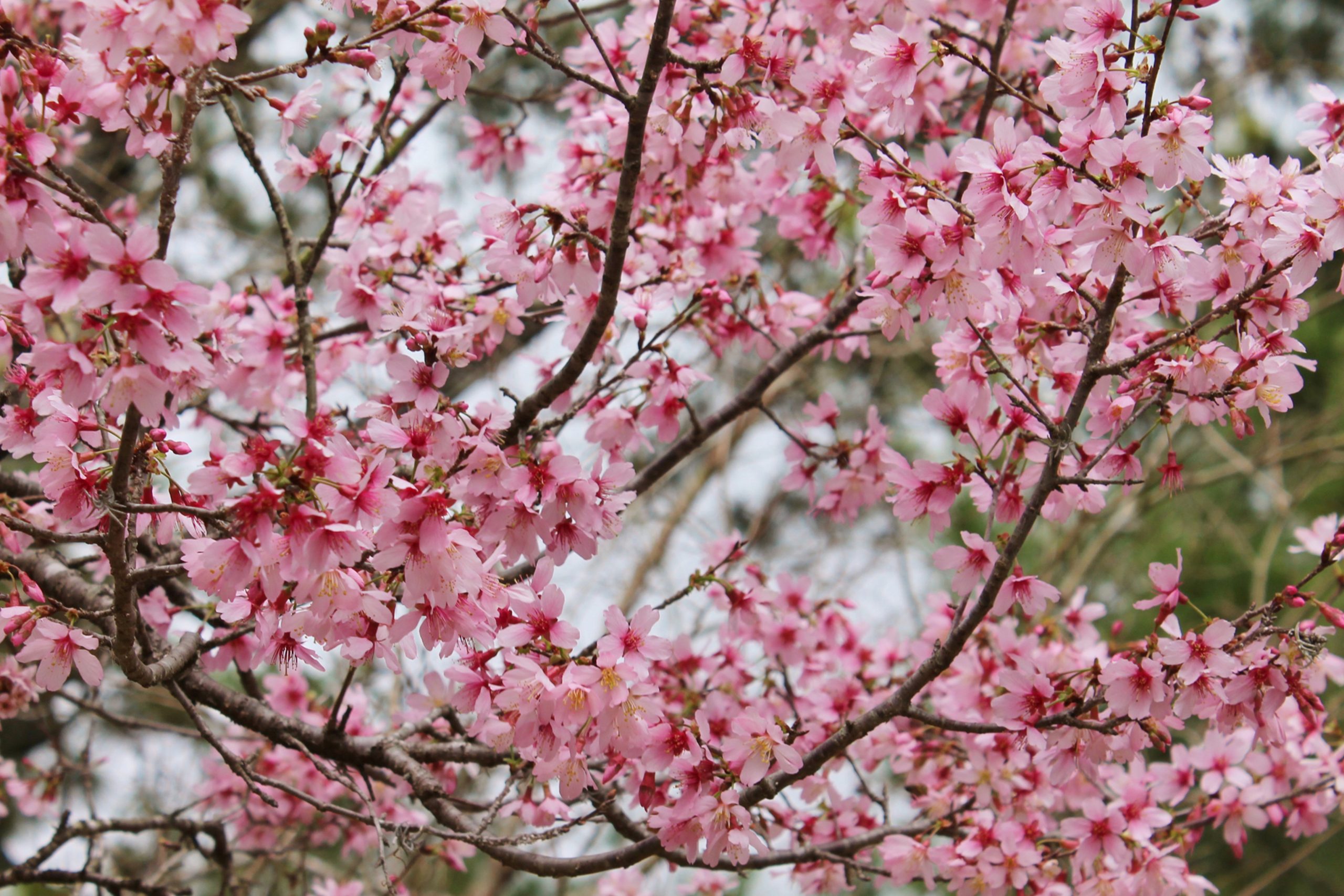
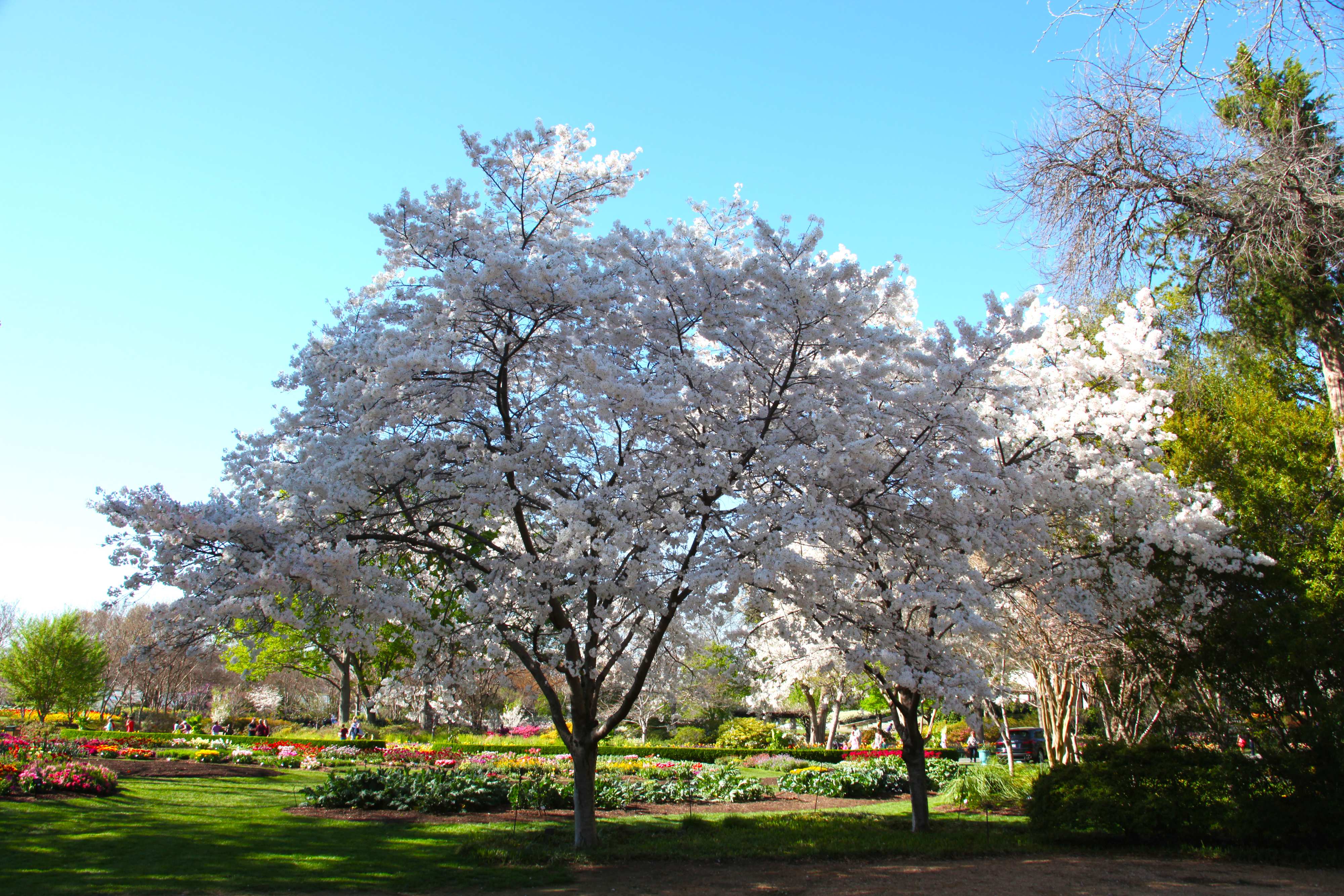
While growing cherry trees in Texas requires careful consideration of variety selection and microclimate, it is certainly not an impossible endeavor. The reward of vibrant spring blossoms, a welcome splash of color against the often-arid Texas landscape, and the promise of fresh, homegrown cherries makes the effort worthwhile for many dedicated gardeners and fruit enthusiasts.
For those living in the cooler northern regions or the higher elevations of the Texas Hill Country, the chances of success with low-chill sweet cherry varieties are higher. For those in warmer areas, focusing on well-adapted sour cherry varieties or native Prunus species like the Chickasaw plum offers a more reliable path to enjoying the fruits of their labor. With the right approach, the dream of harvesting cherries under the Texas sun can become a reality, adding a unique and delightful dimension to the state’s already rich horticultural tapestry.
LifeOutOfTheBox is a participant in the Amazon Services LLC Associates Program, an affiliate advertising program designed to provide a means for sites to earn advertising fees by advertising and linking to Amazon.com. Amazon, the Amazon logo, AmazonSupply, and the AmazonSupply logo are trademarks of Amazon.com, Inc. or its affiliates. As an Amazon Associate we earn affiliate commissions from qualifying purchases.