
For many travelers, understanding the nuances of local laws, especially those pertaining to personal safety and self-defense, is paramount to a smooth and enjoyable trip. The state of Texas offers a unique legal landscape regarding the carrying of firearms, particularly for those who may not hold a formal license. This guide delves into the specifics of Texas’s constitutional carry laws, providing clarity for visitors and residents alike who are considering carrying a handgun.
Understanding Texas’s Constitutional Carry Law
In recent years, Texas has moved towards a more permissive stance on firearm carry. The passage of Senate Bill 195, often referred to as “constitutional carry” or “permitless carry,” significantly altered the requirements for carrying a handgun within the state. This legislation, which went into effect on September 1, 2021, allows eligible individuals to carry a handgun, openly or concealed, without needing a License To Carry (LTC) permit.
Who is Eligible for Constitutional Carry?
While the law removes the licensing requirement, it’s crucial to understand that not everyone is permitted to carry a handgun under constitutional carry. Eligibility is tied to the same age and legal restrictions that apply to obtaining a Texas LTC. Generally, individuals must:
- Be at least 21 years old. This is a fundamental age requirement.
- Not have been convicted of a felony offense. A felony conviction permanently disqualifies an individual from carrying a handgun in public.
- Not have certain misdemeanor convictions within the past five years. This includes convictions for crimes such as Class A or Class B misdemeanors involving family violence, or other offenses that would make them prohibited from possessing a firearm under federal or state law.
- Not be subject to a protective order or restraining order.
- Not be currently charged with a criminal offense for which a final conviction has not been obtained.
- Not be a member of a criminal street gang.
- Not have been dishonorably discharged from the U.S. Armed Forces.
- Not be determined by a court to be mentally incompetent or have been committed to a mental institution.
It is imperative for anyone considering carrying a handgun without a license to thoroughly review their personal history against these disqualifying factors. Ignorance of these restrictions is not a valid defense.
What Constitutes “Carrying” under Constitutional Carry?
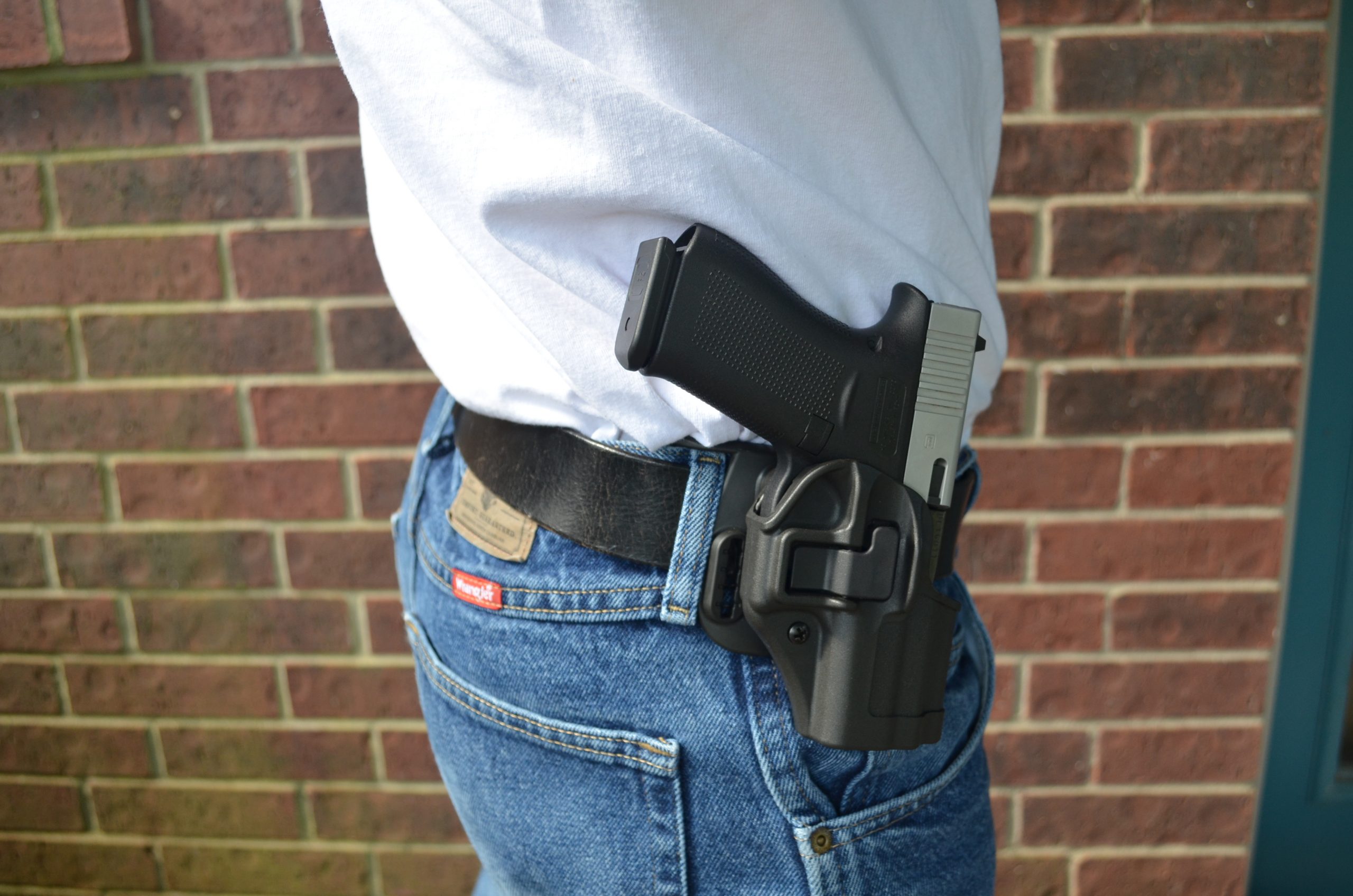
The law permits both concealed and openly carried handguns.
- Concealed Carry: This means the handgun is not visible to the naked eye. It can be carried in a holster on the person’s hip or in a purse, bag, or backpack that is carried on the person.
- Open Carry: This allows the handgun to be carried in a holster on the person’s belt or shoulder. The holster must be designed for the handgun and must effectively secure the weapon.
It is important to note that while the law allows for permitless carry, it does not grant a license to carry in all locations. Certain places remain off-limits for all handgun carriers, regardless of whether they possess an LTC or are carrying under constitutional carry.
Locations Where Handgun Carry is Restricted or Prohibited
Even with constitutional carry, Texas law carves out specific locations where carrying a handgun is prohibited or requires explicit permission. Understanding these restrictions is vital to avoid legal repercussions, which can include hefty fines and even jail time.
Places Where Handgun Carry is Strictly Prohibited:
- Schools: This includes public and private elementary and secondary schools, as well as university campuses, unless specific exceptions apply (e.g., a licensed security guard).
- Polling Places on Election Day: To ensure the integrity of the voting process.
- Courts: Courthouses and related judicial buildings are typically gun-free zones.
- Correctional Facilities: Jails and prisons are, naturally, off-limits.
- Hospitals and Nursing Homes: With some exceptions for licensed peace officers and security personnel.
- Amusement Parks: Such as Six Flags Fiesta Texas or Schlitterbahn Waterpark.
- Premises where 51% of the business is derived from the sale of alcoholic beverages for on-premises consumption: This commonly refers to bars and taverns, often marked with a conspicuous sign.
- Restricted Areas of Airports: Including secure areas beyond security checkpoints.
- Places of Worship: Unless the organization explicitly permits it.
- Federal Buildings: Such as post offices or federal courthouses.
Locations Requiring Specific Notice or Permission:
- Businesses that derive 51% or more of their income from the sale of alcohol: These establishments must post a sign (74-B) that clearly prohibits the carrying of handguns. If the sign is not present, or if the establishment allows carry, then it may be permissible.
- Private Property: Property owners have the right to prohibit handguns on their premises. This is usually indicated by a written notice (commonly referred to as a “30.06” sign for concealed carry and “30.07” sign for open carry) posted at entrances. Failure to heed these signs can result in criminal trespass charges.
- Government Meetings: In areas where government officials are meeting.
It is crucial for carriers to look for and respect these posted signs. The law is very clear on these prohibitions, and ignorance is not a defense.
The Benefits of Obtaining a License To Carry (LTC)

While constitutional carry has simplified the process for many, obtaining a Texas License To Carry (LTC) still offers significant advantages. For travelers, especially those visiting from other states with different carry laws, an LTC can provide a layer of legal protection and convenience.
Reciprocity with Other States
One of the most significant benefits of an LTC is reciprocity. Texas has reciprocal carry agreements with numerous other states. This means that if you have a Texas LTC, you can legally carry your handgun in many other states that recognize your permit. This is particularly valuable for individuals who travel frequently by car across state lines for business or leisure, visiting places like New Orleans or Oklahoma City. Without an LTC, you would be subject to the individual carry laws of each state you enter, which can be complex and vary widely.
Enhanced Legal Protections
While constitutional carry allows individuals to carry, an LTC often provides additional legal protections and presumptions in certain situations. For example, possessing an LTC can sometimes be a mitigating factor in legal disputes, offering a clearer pathway through complex self-defense scenarios. The training required for an LTC also instills a deeper understanding of the laws governing the use of force and firearm safety, which can be invaluable.
Access to Certain Restricted Areas
While constitutional carry prohibits handguns in many places, an LTC may grant limited access to some areas that are off-limits to permitless carriers. For instance, a licensed individual might be permitted to carry on the grounds of a public university, though restrictions within buildings may still apply. Similarly, certain areas within or near schools might have different rules for LTC holders versus those carrying under constitutional carry. Always verify specific campus or facility policies.
Reduced Scrutiny and Increased Confidence
Carrying with an LTC can sometimes lead to less scrutiny from law enforcement, as it demonstrates a commitment to legal compliance and training. For individuals seeking peace of mind and a more comprehensive understanding of their rights and responsibilities, the LTC remains a highly recommended option. The training itself, covering legal aspects, handgun use, and safety, is an investment in responsible firearm ownership and personal security.
Responsible Firearm Ownership and Safety
Whether carrying with a license or under constitutional carry, responsible firearm ownership and adherence to safety protocols are non-negotiable. The privilege of carrying a firearm comes with profound responsibilities.
Understanding the Law and Your Responsibilities
It cannot be stressed enough: know the laws. This includes understanding prohibited locations, duty to inform law enforcement if you are carrying, and the legal ramifications of improper carry. Responsible carriers stay informed about legislative changes and legal interpretations.
Safe Storage and Handling
When a firearm is not being carried, it must be stored safely and securely. This means using a safe, lockbox, or other secure storage method to prevent unauthorized access, especially by children or individuals who are not permitted to handle firearms. Proper handling techniques, including always treating a firearm as if it were loaded, keeping your finger off the trigger until ready to fire, and always pointing the muzzle in a safe direction, are paramount.
Training and Proficiency
Proficiency with a firearm is not solely about marksmanship; it’s also about decision-making under stress and understanding the legal and ethical implications of using deadly force. Regular training, including scenarios that simulate real-world encounters, can help develop the skills and judgment necessary for safe and effective carry. This can include courses offered by certified instructors, defensive shooting classes, and regular practice at a shooting range. For those considering constitutional carry, self-directed training and a commitment to continuous learning are essential.

Situational Awareness
Being aware of your surroundings is one of the most critical aspects of personal safety. This means minimizing distractions, being observant of potential threats, and planning your routes and actions to avoid dangerous situations whenever possible. Situational awareness complements firearm carry by helping to prevent situations where the use of a firearm might become necessary.
Ultimately, carrying a firearm in Texas, with or without a license, demands a high level of personal responsibility, a commitment to understanding the law, and an unwavering dedication to safety.
LifeOutOfTheBox is a participant in the Amazon Services LLC Associates Program, an affiliate advertising program designed to provide a means for sites to earn advertising fees by advertising and linking to Amazon.com. Amazon, the Amazon logo, AmazonSupply, and the AmazonSupply logo are trademarks of Amazon.com, Inc. or its affiliates. As an Amazon Associate we earn affiliate commissions from qualifying purchases.