
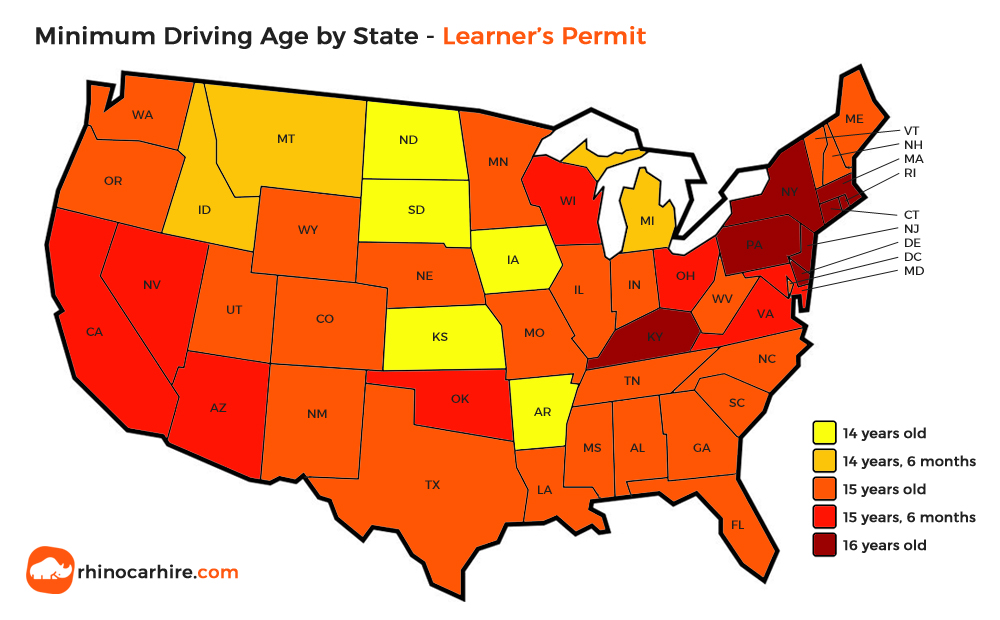
The question of whether a 14-year-old can legally drive in Texas often sparks curiosity, particularly among families and young individuals contemplating the pathways to obtaining driving privileges. While the prospect of independent mobility at such a young age is appealing, the reality is governed by strict regulations designed to ensure road safety. In Texas, the legal age for obtaining a learner’s permit is 15, and a provisional driver’s license is typically available at 16. Therefore, directly driving a vehicle unsupervised at 14 is not permissible under state law. However, this does not mean that 14-year-olds are entirely excluded from the process of learning to drive. Texas offers a structured approach that allows aspiring young drivers to begin their journey towards obtaining a license, albeit under supervised conditions. This comprehensive system is designed to equip them with the necessary skills and knowledge before they are granted full driving autonomy.
Navigating the Graduated Driver License (GDL) Program in Texas
The state of Texas operates under a Graduated Driver License (GDL) program. This tiered system is implemented nationwide in various forms to gradually introduce young drivers to the responsibilities and complexities of operating a motor vehicle. The GDL program in Texas is specifically designed to provide a learning curve, ensuring that novice drivers gain experience in a controlled environment before graduating to full licensure. It acknowledges that developing proficiency and judgment behind the wheel takes time and supervised practice. For a 14-year-old, the GDL program represents the initial stages of this journey, laying the groundwork for future driving privileges.
The Learner’s Permit: The First Step
While a 14-year-old cannot drive independently, they can embark on the learning process. The first official step toward a driver’s license in Texas is obtaining a learner’s permit, often referred to as an Instruction Permit. This permit can be applied for by individuals who are at least 15 years of age. This means that a 14-year-old must wait until their 15th birthday to be eligible to apply.
Eligibility Requirements for a Learner’s Permit:
To apply for a learner’s permit in Texas, a candidate must meet several criteria:
- Age: Be at least 15 years old.
- Course Completion: Have completed an approved driver education program. This typically involves a combination of classroom instruction and behind-the-wheel training. For individuals under 18, this driver education course is mandatory.
- Knowledge Test: Pass a written knowledge test administered by the Texas Department of Public Safety (DPS). This test assesses understanding of traffic laws, road signs, and safe driving practices.
- Vision Test: Pass a vision screening to ensure adequate eyesight for driving.
- Required Documents: Present necessary documentation, including proof of identity, residency, and U.S. citizenship or lawful presence.
The learner’s permit is not a license to drive unsupervised. Instead, it signifies that the holder is authorized to operate a vehicle, but only when accompanied by a licensed driver who is at least 21 years old and seated in the front passenger seat. This supervised practice is crucial for developing the skills and confidence necessary for independent driving. For a 14-year-old who has just turned 15, this permit opens the door to practical learning experiences.
The Impact of Driver Education on Young Drivers
The mandatory driver education component for individuals under 18 in Texas plays a pivotal role in shaping safe driving habits. These programs are designed to go beyond simply teaching how to operate a vehicle; they aim to instill a deep understanding of road safety, defensive driving techniques, and the potential consequences of reckless behavior.
Components of Approved Driver Education:
- Classroom Instruction: This segment covers a broad range of topics, including traffic laws, road signs, speed limits, right-of-way rules, impaired driving, distracted driving, and the effects of drugs and alcohol on driving ability. The curriculum is structured to build a strong theoretical foundation.
- Behind-the-Wheel Training: This practical component allows students to apply their knowledge in real-world driving scenarios under the guidance of a certified instructor or parent/guardian. It involves developing fundamental driving skills such as steering, braking, accelerating, parking, and navigating various road conditions.
- Simulated Experiences: Some driver education programs may incorporate simulators to offer controlled practice for critical situations, such as emergency braking or avoiding collisions, without the immediate risks of public roads.

For a 14-year-old who has reached the eligible age of 15 and is enrolled in an approved program, the driver education course is an essential stepping stone. It not only fulfills a legal requirement but also provides a structured and safe environment to learn the intricacies of driving. This comprehensive approach helps to mitigate the inherent risks associated with inexperienced drivers.
The Provisional Driver License: A Step Towards Independence
Once an individual has held a learner’s permit for at least six months and has met all other requirements, they can apply for a provisional driver’s license. In Texas, the minimum age for this is 16. Therefore, a 14-year-old, even if they have a learner’s permit, cannot obtain a provisional license until they turn 16.
Restrictions of the Provisional Driver License:
The provisional license is designed as an intermediate step, offering more freedom than a learner’s permit but still with significant restrictions to ensure continued safety. These restrictions are in place until the driver turns 18.
- Curfew: Provisional license holders are typically prohibited from driving between midnight and 5:00 AM, with certain exceptions for work, school, or medical emergencies. This measure aims to reduce the risk of driving during periods of higher fatigue and potential for impaired drivers on the road.
- Passenger Limits: For the first six months of holding a provisional license, there are usually restrictions on the number of passengers under the age of 21 who can be in the vehicle. Often, only one passenger is permitted unless accompanied by a parent or guardian. This is to minimize distractions for new drivers.
- Mobile Device Use: The use of wireless communication devices, including cell phones, while driving is strictly prohibited for provisional license holders, even hands-free devices. This is a critical measure to combat distracted driving, a major cause of accidents involving young drivers.
- Supervision Requirements: While not requiring a licensed adult in the passenger seat at all times like the learner’s permit, the provisional license still carries an implicit emphasis on continued learning and responsible decision-making.
A 14-year-old, while eager for independence, must patiently navigate through these stages. Their journey to driving begins with acquiring a learner’s permit at 15, followed by gaining the necessary experience and then qualifying for a provisional license at 16, all while adhering to the accompanying restrictions.
Preparing for the Road: Resources and Tips for Young Drivers
For a 14-year-old who is on the cusp of their driving journey, preparation is key. While direct driving is not an option, this time can be effectively utilized to learn about driving and to prepare for the requirements of obtaining a license.
Laying the Groundwork for Future Driving:
- Driver Education Enrollment: As soon as an individual turns 14 and is nearing the age of 15, they can enroll in an approved driver education course. This proactive approach ensures that they are well-prepared to apply for their learner’s permit as soon as they are eligible. Many driving schools offer classes that can be started in advance of the permit eligibility age.
- Study the Driver’s Handbook: The Texas Driver Handbook is an invaluable resource. It contains all the information needed to pass the knowledge test and understand the rules of the road. Thoroughly studying this handbook is a fundamental step.
- Practice Driving Theory: Many online resources and apps offer practice tests for the Texas knowledge exam. Regularly taking these practice tests can help reinforce learning and build confidence.
- Observe and Discuss: Encourage the 14-year-old to be an observant passenger. They can pay attention to how experienced drivers navigate different situations, identify potential hazards, and discuss driving decisions with the adult driver. This passive learning can be highly beneficial.
- Understand Vehicle Basics: Learning about basic car maintenance, such as checking tire pressure, oil levels, and understanding dashboard warning lights, can also be part of the preparation process. This instills a sense of responsibility towards the vehicle.

The Role of Parents and Guardians:
Parents and guardians play a crucial role in guiding their young aspiring drivers. Their involvement in the driver education process, along with providing supervised driving practice once a learner’s permit is obtained, is paramount. Open communication about driving expectations, risks, and responsibilities fosters a responsible attitude towards driving. While a 14-year-old cannot legally drive, this period is an ideal time for families to discuss the importance of safe driving and to plan for the upcoming stages of the licensing process.
In conclusion, while a 14-year-old cannot drive in Texas, they can actively participate in the preparatory stages of becoming a licensed driver. The state’s structured Graduated Driver License program provides a clear pathway, starting with a learner’s permit at age 15 and progressing to a provisional license at age 16, all under carefully regulated conditions to ensure safety and skill development on the road.
LifeOutOfTheBox is a participant in the Amazon Services LLC Associates Program, an affiliate advertising program designed to provide a means for sites to earn advertising fees by advertising and linking to Amazon.com. Amazon, the Amazon logo, AmazonSupply, and the AmazonSupply logo are trademarks of Amazon.com, Inc. or its affiliates. As an Amazon Associate we earn affiliate commissions from qualifying purchases.