
Navigating healthcare access, particularly concerning reproductive rights, in any state can present unique challenges. For those seeking information about obtaining abortion pills in Texas, understanding the legal landscape, available resources, and the practicalities involved is paramount. This guide aims to provide a comprehensive overview for individuals considering their options, focusing on the complexities and pathways available within the state.
Understanding Texas’s Legal Framework
The legality and accessibility of abortion services in Texas have undergone significant changes, particularly following the overturning of Roe v. Wade. Texas has some of the most restrictive abortion laws in the United States.

Key Legislation and Restrictions
In Texas, abortion is generally prohibited after a fetal heartbeat can be detected, which is typically around six weeks of gestation. This “heartbeat ban” predates the Supreme Court’s decision and remains in effect. Furthermore, Texas has enacted a near-total ban on abortion, with very limited exceptions, primarily to save the life of the pregnant person. There are no exceptions for rape or incest.
The Role of Medication Abortion
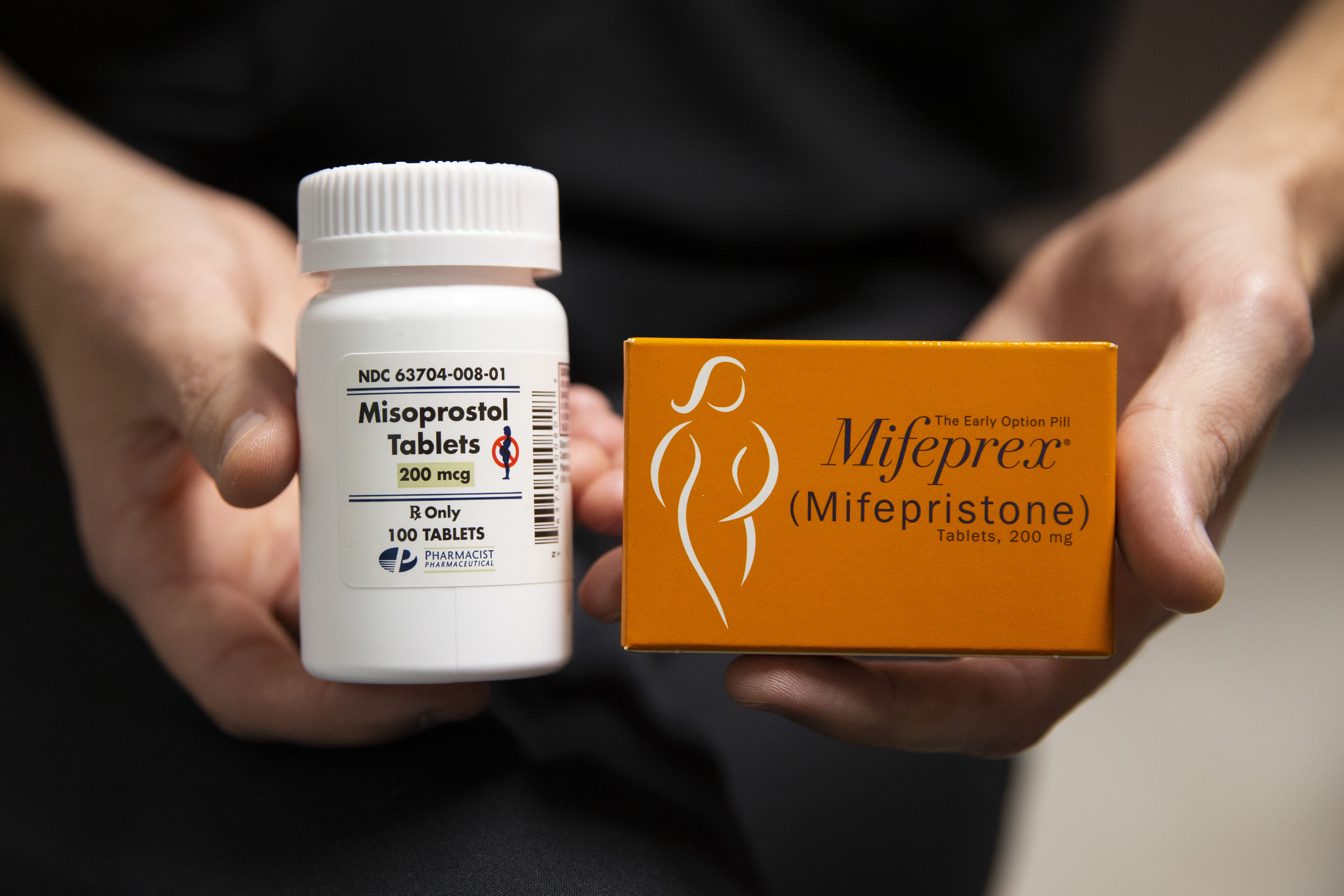
Medication abortion, often referred to as the abortion pill, involves using a combination of two medications, mifepristone and misoprostol, to terminate a pregnancy. These medications are highly effective in early pregnancies. However, in Texas, the stringent laws mean that obtaining these pills legally within the state is severely restricted.
Legal Interpretations and Enforcement
The interpretation and enforcement of Texas’s abortion laws have created a climate of uncertainty and fear for both patients and healthcare providers. Lawsuits and legal challenges continue to shape the landscape, making it crucial for individuals to seek the most current information from reliable sources. The potential legal ramifications for anyone involved in providing or assisting with an illegal abortion are significant.
Pathways to Accessing Abortion Pills
Given the restrictive laws within Texas, individuals seeking abortion pills may need to explore options that fall outside the state’s immediate jurisdiction or through specific, legally sanctioned avenues.
Seeking Care Outside Texas
One of the most common ways individuals in restrictive states like Texas access abortion care, including medication abortion, is by traveling to states where abortion is legal. This often involves traveling to neighboring states with more permissive laws, such as New Mexico, Colorado, or Kansas, or to states further afield depending on personal circumstances and resources.
Travel Logistics and Planning
Traveling for abortion care requires careful planning. This includes:
- Identifying a Provider: Researching and selecting a reputable clinic in a state where abortion is legal. Organizations like the National Abortion Federation or Planned Parenthood can be valuable resources for finding providers.
- Scheduling Appointments: Coordinating appointments with the clinic, which may involve initial consultations, medication dispensing, and follow-up care.
- Travel Arrangements: Securing transportation (flights, bus, car) to and from the chosen state.
- Accommodation: Arranging for lodging during the trip. This can range from budget-friendly hotels to extended-stay options depending on the length of stay required for the procedure and recovery.
- Financial Support: The cost of travel, accommodation, and the procedure itself can be substantial. Numerous abortion funds and practical support organizations exist to help individuals cover these expenses.
Support Networks and Resources
Several organizations are dedicated to supporting individuals who need to travel for abortion care. These include:
- Abortion Funds: These organizations provide financial assistance for abortion procedures and related expenses, including travel and lodging. Examples include the Texas Equal Access Fund and the National Abortion Federation Hotline Fund.
- Practical Support Organizations: These groups offer non-financial assistance, such as help with travel arrangements, accommodation, and childcare.
Telehealth and Mail-Order Pills (Navigating Legalities)
The availability and legality of obtaining abortion pills via telehealth and mail-order services have been a subject of intense legal debate and varying interpretations, especially in states with strict bans.
The Landscape of Telehealth Abortion
Before the current legal landscape, telehealth services that provided abortion pills were becoming more accessible. These services typically involved an online consultation with a healthcare provider, followed by the mailing of the medications directly to the patient. However, in Texas, the state’s laws have significantly complicated or outright prohibited these methods for residents within the state.
Legal Challenges and Uncertainties
Texas law has often sought to prevent the mailing of abortion pills into the state or their provision by out-of-state providers to Texas residents. This has led to a complex legal environment where the legality of receiving these pills via mail, even from a telehealth provider in another state, is often challenged. Individuals exploring this route must be acutely aware of the legal risks and consult with organizations that specialize in navigating these complex laws.
Legal Avenues Within Texas (Limited Scope)
While broad access to abortion pills is restricted, understanding any potential, albeit narrow, legal avenues within Texas is important for completeness.
Medical Emergencies and Life-Saving Exceptions
As mentioned, Texas law does include a narrow exception for abortions performed to save the life of the pregnant person. In such extreme medical circumstances, a healthcare provider might prescribe medications as part of a life-saving intervention. However, this exception is strictly defined and does not extend to situations involving health risks that are not immediately life-threatening or to cases of rape or incest. The interpretation of what constitutes a “life-saving” measure can be subject to legal scrutiny.
The Role of Healthcare Providers
Any individual seeking to understand their options within Texas should consult with healthcare professionals and legal experts who are knowledgeable about the current state laws. These professionals can offer accurate information regarding legal limitations and potential recourse, if any. It is critical to rely on established medical institutions and legal counsel for guidance, rather than informal sources.
Considerations for Individuals Seeking Abortion Pills
Beyond the legal framework, several practical and personal considerations are vital when exploring options for abortion pills.
Understanding Medication Abortion Process
Medication abortion is a safe and effective method for ending an early pregnancy. The process typically involves taking mifepristone, which blocks progesterone, a hormone necessary for pregnancy to continue. About 24-48 hours later, misoprostol is taken, which causes the uterus to contract and expel its contents.
- Effectiveness: Medication abortion is highly effective, with success rates generally over 95% when used appropriately.
- Side Effects: Common side effects include cramping, bleeding, nausea, vomiting, diarrhea, fever, and chills. These are generally manageable.
- Follow-Up Care: It is essential to have follow-up care with a healthcare provider to ensure the abortion is complete and to address any concerns.
The Importance of Accurate Information
The legal and political climate surrounding abortion can lead to misinformation. It is crucial to obtain information from trusted and up-to-date sources.
- Reputable Organizations: Utilize websites and hotlines of established reproductive health organizations like the National Abortion Federation, Planned Parenthood, and local abortion funds.
- Legal Counsel: If you have specific concerns about the legality of your situation, consult with an attorney specializing in reproductive rights.
Emotional and Psychological Support
Undergoing an abortion, regardless of the method or location, can be an emotionally significant experience. Access to support systems is important.
- Counseling Services: Many clinics offer counseling services, and independent resources are available for those seeking emotional support.
- Support Networks: Connecting with friends, family, or support groups can provide comfort and validation.

Financial Planning and Assistance
The financial burden of seeking abortion care, especially when travel is involved, can be significant.
- Abortion Funds: Actively research and apply for assistance from abortion funds. These organizations are specifically designed to alleviate financial barriers.
- Practical Support: Beyond financial aid, explore organizations that can help with travel, lodging, and other logistical needs.
In conclusion, while the legal landscape in Texas makes obtaining abortion pills directly within the state exceedingly difficult, numerous pathways exist for individuals seeking this care. These often involve travel to other states or utilizing support networks that navigate the complex legal and logistical challenges. Prioritizing accurate information from reliable sources and seeking support are crucial steps in this process.
LifeOutOfTheBox is a participant in the Amazon Services LLC Associates Program, an affiliate advertising program designed to provide a means for sites to earn advertising fees by advertising and linking to Amazon.com. Amazon, the Amazon logo, AmazonSupply, and the AmazonSupply logo are trademarks of Amazon.com, Inc. or its affiliates. As an Amazon Associate we earn affiliate commissions from qualifying purchases.