
Embarking on a journey to the Sooner State promises a rich tapestry of experiences, from vibrant urban centers to breathtaking natural landscapes and deep historical roots. Whether you’re planning a thrilling family vacation, an important business trip, or a leisurely solo adventure, one fundamental piece of information is crucial for seamless planning: understanding Oklahoma’s time zone. This seemingly small detail profoundly impacts everything from flight schedules and hotel check-ins to museum visiting hours and dinner reservations. Dive into the temporal landscape of Oklahoma to ensure your visit is perfectly synchronized and utterly enjoyable.
Understanding Oklahoma’s Temporal Landscape
At the heart of any travel itinerary is the clock. Knowing what time zone a destination observes is the first step in aligning your expectations and activities. Oklahoma, like many states in the central part of the United States, operates within a specific time framework that influences the daily lives of its residents and the operations of its bustling tourism sector.
Central Time Zone (CT): The Heartbeat of Oklahoma
Oklahoma proudly resides entirely within the Central Time Zone (CT). This means that whether you’re exploring the bustling streets of Oklahoma City, the artistic enclaves of Tulsa, or the serene beauty of the Ouachita Mountains in the southeastern part of the state, you’ll be operating on the same clock.
The Central Time Zone is observed as UTC-6 during Standard Time (referred to as Central Standard Time or CST) and UTC-5 during Daylight Saving Time (referred to as Central Daylight Time or CDT). The shift to Daylight Saving Time typically occurs on the second Sunday in March, when clocks “spring forward” one hour, and then “fall back” one hour on the first Sunday in November, returning to Central Standard Time. This biannual adjustment is a significant consideration for travelers, especially those planning trips around these transition periods. It’s vital to double-check the exact date of these changes if your travel dates fall close to them, as it can affect everything from flight arrival times to event schedules.
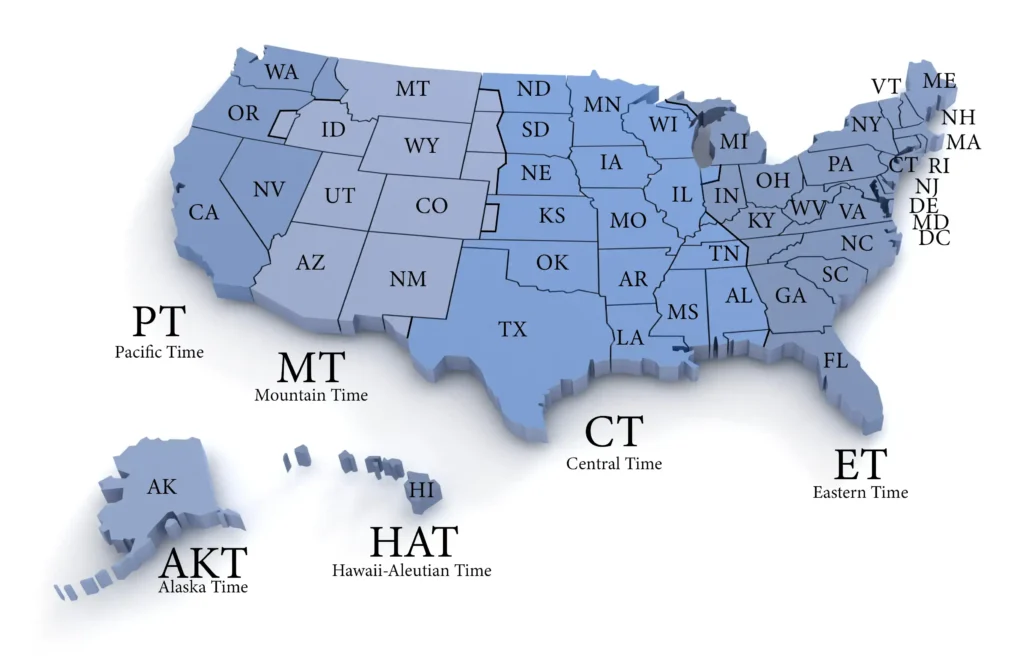
The Central Time Zone is shared by a swath of states across the Midwestern US and Southern US, including Texas, Kansas, Missouri, Arkansas, Louisiana, and others. This geographical alignment makes travel and communication relatively straightforward for those journeying from neighboring states. However, visitors arriving from the Eastern Time Zone will gain an hour upon arrival, while those from the Mountain Time Zone will lose an hour, and those from the Pacific Time Zone will lose two hours. Keeping these differences in mind is key to avoiding confusion and making the most of your travel time.
A Brief History of Time in the Sooner State
The standardization of time zones across the United States is a fascinating tale rooted in the complexities of railway schedules in the 19th century. Before standardized time, each city and town often kept its own local time, usually based on solar noon. This made railroad timetables a nightmare, leading to numerous delays and even accidents.
In 1883, the major North American railroads implemented a system of standardized time zones. While not officially mandated by the government, this system quickly became the de facto standard. The United States government eventually stepped in with the Standard Time Act of 1918, which legally established the time zones we recognize today and officially introduced Daylight Saving Time. This act also placed the responsibility for time zone boundaries with the Interstate Commerce Commission, a role later transferred to the US Department of Transportation.
Oklahoma, having become a state in 1907, embraced the Central Time Zone as part of this national effort. The Uniform Time Act of 1966 further solidified the observance of Daylight Saving Time across the country, with options for states to exempt themselves, though Oklahoma has consistently chosen to observe it. This consistent application of the Central Time Zone ensures uniformity and predictability for residents and visitors alike, facilitating everything from commercial transactions to tourism planning.

Navigating Oklahoma by the Clock: Practical Implications for Travelers
Understanding Oklahoma’s adherence to the Central Time Zone is more than just a geographical detail; it’s a practical cornerstone for planning a successful and stress-free trip. Every aspect of your travel, from arrival to departure, is governed by the local time.
Planning Your Itinerary and Activities
For any traveler, optimizing time is crucial. When visiting Oklahoma, your itinerary needs to be perfectly aligned with the Central Time Zone.
- Flights and Transportation: If you’re flying into Will Rogers World Airport in Oklahoma City or Tulsa International Airport in Tulsa, all arrival and departure times will be listed in local Central Time. Ensure your personal devices automatically adjust to the local time upon arrival to avoid missing connecting flights or ground transportation. For those undertaking a road trip from states in different time zones, calculate your arrival times carefully to avoid arriving after attractions close or check-in desks shut for the night.
- Attractions and Landmarks: Oklahoma boasts an array of incredible attractions. From the poignant Oklahoma City National Memorial & Museum to the verdant Myriad Botanical Gardens in Oklahoma City, or Tulsa’s world-class Philbrook Museum of Art and the sprawling Gathering Place, all operate on Central Time. Always check their operating hours in advance, especially during seasonal changes or holidays, to ensure you arrive when they’re open. Missing a scheduled tour or a unique experience at the Chickasaw Cultural Center due to a time zone miscalculation can be a real disappointment.
- Events and Dining: Local festivals like the Red Earth Festival or the Paseo Arts Festival, concerts, sports events, and even simple dinner reservations are all scheduled according to Central Time. Booking a table at a popular restaurant in Bricktown or the Blue Dome District means adhering to their local hours. Being punctual is especially important for events with fixed start times, such as performances or guided tours.
Accommodation and Logistics: Seamless Stays
Whether you’re booking a luxury suite or a budget-friendly apartment, accommodation logistics are heavily influenced by the local time zone.
- Check-in and Check-out: Hotel policies, such as standard check-in at 3:00 PM and check-out at 11:00 AM, are always in local time. When reserving a room at properties like the historic Skirvin Hilton Oklahoma City, the chic Ambassador Hotel Tulsa, or the convenient Hyatt Place Oklahoma City / Bricktown, factor in your arrival time relative to the Central Time Zone. An early morning flight might mean hours to kill before check-in, or a late flight could lead to missing your check-out window if not properly accounted for.
- Reservations and Amenities: When making online reservations, ensure the time displayed corresponds to Oklahoma’s local time. Most booking platforms automatically adjust, but it’s always wise to confirm. Furthermore, hotel amenities like breakfast service, pool hours, or fitness center access will operate on local time, influencing your daily schedule during your stay.
- Business Travel: For business travelers, time zone awareness is paramount. Coordinating meetings with colleagues or clients in different time zones requires careful scheduling. Oklahoma’s central location can be an advantage, often being within a more manageable time difference for both East Coast and West Coast contacts in the United States. However, for international business, such as with partners in Europe or Asia, the time difference can be substantial, necessitating early morning or late-night calls.
Connecting with the World: Business and Communication
In our interconnected world, staying in touch is vital, whether for personal reasons or professional commitments. Oklahoma’s position in the Central Time Zone dictates how you communicate with people elsewhere.
- Domestic Communications: For those calling across the United States, remember the time differences:
- Eastern Time Zone is one hour ahead of Central Time.
- Mountain Time Zone is one hour behind Central Time.
- Pacific Time Zone is two hours behind Central Time.
This makes planning calls and virtual meetings relatively straightforward.
- International Communications: The time difference becomes more significant when communicating internationally. For example, London (observing Greenwich Mean Time/UTC+0 or BST/UTC+1) will be 5 or 6 hours ahead of Oklahoma, depending on Daylight Saving Time in both locations. Businesses operating out of Oklahoma with international ties to Canada, Mexico, or overseas will need robust scheduling tools to manage these differences effectively. Personal calls to friends and family abroad also require this consideration to avoid inconvenient interruptions.
Maximizing Your Oklahoma Experience Across Time
Embracing the local time is not just about avoiding missed appointments; it’s about fully immersing yourself in the destination and making the most of every moment.
Embracing Local Rhythms: Culture and Lifestyle
The rhythm of daily life in Oklahoma is shaped by the Central Time Zone. Understanding this rhythm allows you to experience the local culture more authentically.
- Dining Habits: Oklahomans generally have dinner earlier than in some coastal cities. Restaurants often get busy between 6:00 PM and 8:00 PM. Knowing this can help you secure prime dining slots or opt for earlier or later meals to avoid crowds. Casual lunches are common around noon, and coffee shops open early for the morning rush.
- Local Events and Festivals: Oklahoma hosts numerous local events, from farmer’s markets to art walks, and major annual spectacles like the Oklahoma State Fair. These are scheduled with the local lifestyle in mind, often starting in the late morning or early afternoon and concluding in the evening. Planning your attendance means aligning with these typical hours.
- Outdoor Activities: If you plan to explore natural wonders like Turner Falls Park or visit historical military installations like Fort Sill, understanding their operating hours (which are, of course, on Central Time) is essential. Early mornings are often best for hiking or enjoying quiet moments before crowds gather, while evenings can offer spectacular sunsets.
Tips for Adjusting and Avoiding Jet Lag
While traveling within the continental United States rarely results in severe jet lag, moving across two or three time zones can still impact your energy levels and sleep patterns.
- Pre-Adjust Your Schedule: If coming from the Pacific or Eastern Time Zones, try to gradually adjust your sleep schedule a few days before your trip. For example, if flying from the East Coast, go to bed an hour later for a couple of nights before you leave.
- Hydrate and Stay Active: Drink plenty of water during your flight and upon arrival. Light exercise can also help regulate your body clock.
- Embrace the Local Time Immediately: As soon as you land in Oklahoma, set your watch and devices to Central Time and try to stick to the local schedule for meals and sleep, even if you don’t feel tired. Exposure to natural light during Oklahoma’s daytime hours can help reset your circadian rhythm.
- Manage Caffeine and Alcohol: While they might offer a temporary boost or relaxation, excessive caffeine or alcohol can disrupt your sleep cycle further. Use them sparingly, especially close to bedtime.
Key Oklahoma Destinations and Their Time-Sensitive Charm
Each major destination in Oklahoma offers unique experiences that are best enjoyed with time in mind.
- Oklahoma City: A dynamic capital city, Oklahoma City thrives on Central Time. Early mornings are ideal for peaceful reflection at the Oklahoma City National Memorial & Museum before the crowds arrive. Afternoons can be spent exploring the Bricktown Canal or the Science Museum Oklahoma. Evenings in Bricktown come alive with dining and entertainment, all perfectly synchronized to the local clock.
- Tulsa: Known for its Art Deco architecture and vibrant arts scene, Tulsa offers a different pace. Start your day early at the Philbrook Museum of Art or the Gilcrease Museum, then spend your afternoon at the expansive Gathering Place, a park designed for all ages. Dining and nightlife in the Blue Dome District or Brady Arts District extend into the Central Time evening.
- Rural Oklahoma: Beyond the cities, places like Frontier City (an amusement park near Oklahoma City) or scenic state parks follow Central Time for their operating hours. If you’re planning a visit to the Wichita Mountains Wildlife Refuge for wildlife viewing, sunrise and sunset times (which are directly linked to the time zone) are crucial for optimal experiences.
In conclusion, understanding that Oklahoma is entirely within the Central Time Zone, observing Daylight Saving Time, is the first and most crucial step in planning any trip to this remarkable state. By keeping the local clock in mind, you can effortlessly manage your travel logistics, maximize your time enjoying Oklahoma’s diverse attractions and rich culture, and ensure a smooth, enjoyable, and perfectly timed adventure from start to finish.
LifeOutOfTheBox is a participant in the Amazon Services LLC Associates Program, an affiliate advertising program designed to provide a means for sites to earn advertising fees by advertising and linking to Amazon.com. Amazon, the Amazon logo, AmazonSupply, and the AmazonSupply logo are trademarks of Amazon.com, Inc. or its affiliates. As an Amazon Associate we earn affiliate commissions from qualifying purchases.