
Texas, a state renowned for its vast landscapes, rich history, and vibrant culture, is often perceived as a land of sprawling ranches, bustling metropolises like Houston and Dallas, and perhaps, the occasional hurricane. However, a more subtle geological phenomenon also plays a role in the Lone Star State’s dynamic environment: earthquakes. While not as seismically active as states along the Pacific Ring of Fire, Texas does experience seismic activity, and understanding its nature is crucial for residents and visitors alike.
The Geology of Texas Seismicity
The occurrence of earthquakes in Texas is primarily linked to the state’s geological makeup and its position within the North American tectonic plate. Unlike regions situated at the boundaries of major tectonic plates, where the dramatic collision and sliding of these colossal landmasses generate frequent and powerful seismic events, Texas lies comfortably within the interior of a plate. This internal positioning generally leads to lower seismic activity.
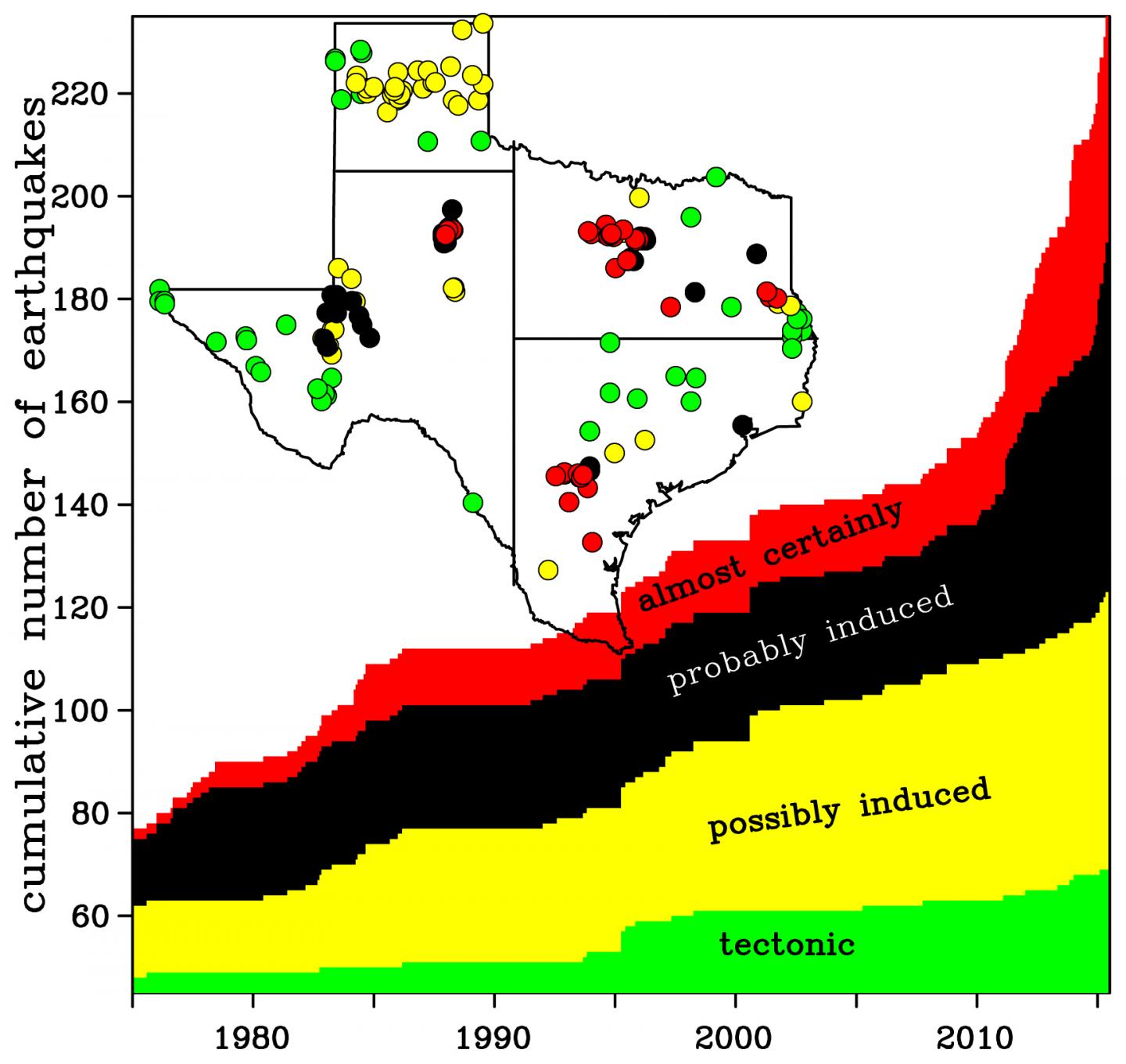
However, the Earth’s crust is not a perfectly rigid structure, and stresses can build up and be released even far from plate boundaries. In Texas, several factors contribute to this internal stress release.
Tectonic Faults and Stress Accumulation
While Texas is not dominated by the massive fault lines found in California, it does possess numerous smaller faults that have been active over geological time. These faults are fractures in the Earth’s crust where rocks have moved relative to each other. Over long periods, tectonic forces can cause strain to accumulate along these faults. When this accumulated strain exceeds the strength of the rocks, a sudden slip occurs, releasing energy in the form of seismic waves, which we perceive as an earthquake.
The primary tectonic forces at play are related to the ongoing stresses within the North American tectonic plate. These stresses are influenced by the movement of surrounding plates and mantle dynamics deep beneath the Earth’s surface. In Texas, these forces can reactivate ancient fault systems, leading to seismic events.
Man-Made Seismicity: The Role of Human Activity
In recent decades, a significant portion of the earthquake activity in Texas has been attributed to human activities, particularly those related to the energy sector. The extraction of oil and natural gas, as well as the disposal of wastewater generated from these operations, has been identified as a key contributor to induced seismicity.
Wastewater Injection
One of the most well-documented causes of induced earthquakes in Texas is the practice of injecting large volumes of wastewater into deep underground wells. This wastewater is often a byproduct of oil and gas extraction, containing brine and other substances. When this fluid is injected under high pressure into porous rock formations, it can increase the pore pressure within existing fault zones. This increased pressure can reduce the friction holding the fault together, making it easier for it to slip and thus triggering an earthquake.
Areas like the Permian Basin and near Midland and Odessa have seen notable increases in seismic activity, often correlated with periods of high wastewater injection rates. While these events are typically smaller in magnitude than naturally occurring tectonic earthquakes, they can still be felt at the surface and cause concern.
Hydraulic Fracturing (Fracking)
Another related activity that has been investigated for its role in inducing seismicity is hydraulic fracturing, commonly known as fracking. This process involves injecting a high-pressure mixture of water, sand, and chemicals into rock formations to release oil and natural gas. While the fracturing process itself can generate very small tremors, the primary concern for induced seismicity relates to the disposal of the wastewater generated by fracking operations, as described above. However, in some instances, the injection of fluids during the fracking process itself has been linked to seismic events, particularly if it involves reactivating pre-existing faults.
Historical Seismicity and Notable Events
Texas has a recorded history of seismic activity, though the frequency and magnitude have varied. Early records are often anecdotal, but as seismic monitoring technology improved, a clearer picture of Texas’s seismicity emerged.
One of the most significant naturally occurring seismic events in Texas was the 1886 Charleston earthquake. While not directly in Texas, this powerful earthquake in South Carolina caused noticeable shaking in parts of East Texas, highlighting the potential for distant seismic events to be felt across wide regions.
More recently, the focus has shifted to the seismic activity in West Texas, particularly in the Permian Basin. While many of these events are induced, distinguishing between natural and man-made earthquakes can be complex. Scientists use various methods, including analyzing seismic wave patterns, proximity to injection sites, and correlating seismic activity with operational data, to assess the cause of these tremors.
The U.S. Geological Survey (USGS) monitors seismic activity across the United States, including Texas. Their data provides valuable insights into the location, depth, and magnitude of earthquakes. While the majority of felt earthquakes in Texas are of low magnitude, there have been instances that have caused minor damage and generated public concern.

Where in Texas Are Earthquakes Most Likely?
While seismic activity can technically occur anywhere within Texas, certain regions have historically experienced more frequent tremors. Understanding these areas can help residents and tourists gauge the potential for seismic events.
West Texas and the Permian Basin
As previously mentioned, West Texas, particularly the region encompassing the Permian Basin, has become a focal point for seismic monitoring. The intense oil and gas activity in this area, with its associated wastewater injection operations, has led to a statistically significant increase in earthquake occurrences. Cities like Midland, Odessa, and surrounding communities are among those that have reported the most frequent felt seismic events in recent years.
East Texas and the Gulf Coast
East Texas and the Gulf Coast region are geologically situated near fault systems that have historically shown some seismic potential. While less active than West Texas in recent times due to induced seismicity, these areas can experience natural tectonic adjustments. The underlying geology in these regions is influenced by the complex processes associated with the Gulf of Mexico.
Central Texas and the Texas Hill Country
Central Texas, including areas like the Texas Hill Country, is generally considered to have a lower risk of significant seismic activity. However, this does not entirely preclude the possibility of minor tremors. Underlying geological structures and ancient fault lines do exist, and the state’s overall tectonic setting means that seismic events, albeit infrequent, are not impossible.
Understanding Earthquake Risk and Preparedness in Texas
While Texas may not be in a high-risk seismic zone, the potential for earthquakes, both natural and induced, necessitates an awareness of preparedness. Understanding the likelihood and nature of these events allows for informed decisions regarding safety and property.
Magnitude and Impact
The majority of earthquakes recorded in Texas are of low magnitude, typically ranging from 2.0 to 3.0 on the Richter scale. These are often felt as a slight vibration or a jolt but rarely cause significant damage. Earthquakes in the magnitude 4.0 to 5.0 range are less common but can cause more noticeable shaking and minor damage, such as falling objects or cracked plaster. Larger, more damaging earthquakes (magnitude 6.0 and above) are extremely rare in Texas, especially from natural tectonic sources.
The impact of an earthquake is not solely determined by its magnitude but also by its depth, proximity to populated areas, and the type of construction in the affected region. Even a moderate earthquake can cause damage if it occurs directly beneath a densely populated area with buildings not designed to withstand seismic forces.
What to Do If an Earthquake Strikes
For residents and visitors in Texas, basic earthquake preparedness measures are always advisable. The most widely recommended action during an earthquake is to “Drop, Cover, and Hold On”:
- Drop: Immediately drop to your hands and knees. This position protects you from falling but still allows you to move if necessary.
- Cover: Take cover under a sturdy desk or table, or next to an interior wall, away from windows, mirrors, and heavy furniture that could fall. Use your arms to protect your head and neck.
- Hold On: Hold onto your shelter and be prepared to move with it until the shaking stops.
If you are outdoors, move to an open area away from buildings, streetlights, and utility wires. If you are in bed, stay there, turn on your flashlight, and cover your head with a pillow.

Monitoring and Future Outlook
Seismic monitoring in Texas is an ongoing effort, with increased focus on understanding the causes and patterns of induced seismicity. Research continues to refine our understanding of the relationship between energy industry operations and earthquake occurrence. This research informs regulatory policies and best practices aimed at minimizing the risk of induced earthquakes.
For tourists and residents, staying informed about local seismic activity is prudent. Resources like the USGS earthquake hazard maps and local emergency management agency advisories can provide valuable information. While the notion of Texas earthquakes might be surprising to some, it is a geological reality that, with appropriate awareness and preparedness, poses a manageable risk to the state’s diverse and dynamic landscape.
LifeOutOfTheBox is a participant in the Amazon Services LLC Associates Program, an affiliate advertising program designed to provide a means for sites to earn advertising fees by advertising and linking to Amazon.com. Amazon, the Amazon logo, AmazonSupply, and the AmazonSupply logo are trademarks of Amazon.com, Inc. or its affiliates. As an Amazon Associate we earn affiliate commissions from qualifying purchases.