
Texas, a state synonymous with vast landscapes, rich history, and a fiercely independent spirit, often sparks curiosity about its geographical and temporal boundaries. Among the many questions travelers and residents ponder is a seemingly simple one: does Texas have more than one time zone? The answer, much like the state itself, is expansive and warrants a closer look. While the vast majority of Texas adheres to a single time zone, a closer examination reveals a nuanced reality that affects a small but significant portion of its geography.
The Dominant Time Zone: Central Daylight Time
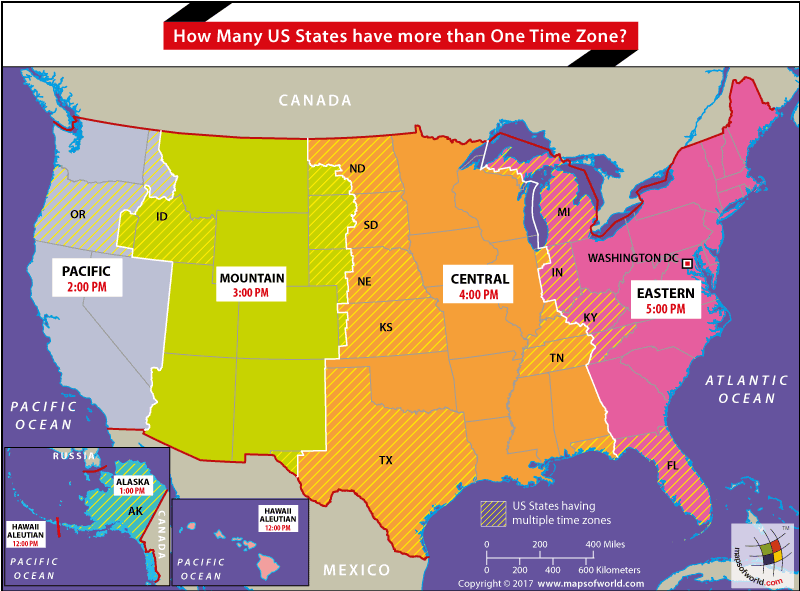
The overwhelming majority of Texas operates within the Central Time Zone. This zone encompasses the bustling metropolises of Houston, Dallas, San Antonio, Austin, and Fort Worth, along with countless other cities and rural communities across the state.
Understanding the Central Time Zone
The Central Time Zone (CT) observes standard time at UTC-6 and daylight saving time at UTC-5. This means that during the spring and summer months, when daylight saving time is in effect, the state is on Central Daylight Time (CDT). As the days shorten and winter approaches, it reverts to Central Standard Time (CST).
This temporal consistency across most of Texas is crucial for the smooth functioning of its economy, transportation networks, and daily life. Businesses operate on a unified schedule, flights depart and arrive with predictable timing, and residents can easily coordinate with one another, regardless of whether they are in East Texas or West Texas (within the Central Time Zone’s expanse, of course). The cultural and economic interconnectedness of the state is greatly facilitated by this temporal uniformity.
The Impact of Daylight Saving Time
The observance of daylight saving time within the Central Time Zone means that Texas experiences the annual “spring forward” and “fall back” phenomenon. This practice, which aims to maximize daylight during waking hours, affects daily routines, from when schools start to when businesses open and close. While widely adopted across the United States, the transition can sometimes lead to minor disruptions as individuals adjust their internal clocks. For travelers visiting Texas during these transition periods, it’s always wise to double-check local times to avoid confusion.
The Exception: El Paso and Hudspeth County
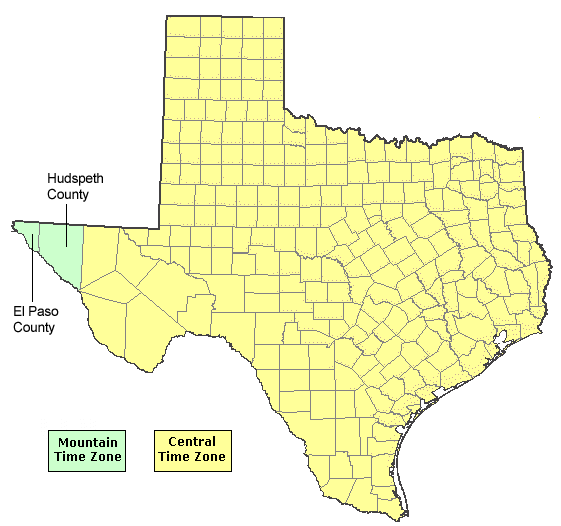
The question of whether Texas has two time zones stems from a specific geographical anomaly: the westernmost part of the state. The city of El Paso and the entirety of Hudspeth County, both located in the extreme western tip of the state, observe the Mountain Time Zone.
Navigating the Mountain Time Zone Divide
This temporal division means that when the rest of Texas is on Central Time, El Paso and Hudspeth County are an hour behind. This is because the Mountain Time Zone is based on UTC-7 for standard time and UTC-6 for daylight saving time.
The decision for these western counties to align with the Mountain Time Zone is largely driven by practical and economic considerations. El Paso shares a border with New Mexico and is in close proximity to Mexico, both of which predominantly use Mountain Time. This geographical proximity and economic interdependence make it more convenient for businesses, commuters, and residents to operate on the same time as their neighbors. The flow of goods, services, and people across these borders is significantly streamlined by this temporal alignment.
Implications for Travelers
For travelers, this temporal difference is a crucial detail to note when planning a trip to or through the western reaches of Texas.
Planning Your Journey to West Texas
If your itinerary includes visiting El Paso or exploring the unique desert landscapes of Hudspeth County, be mindful of the time zone shift. Traveling eastward from El Paso into the rest of Texas will require you to “spring forward” an hour, while traveling westward will mean “falling back.” This can be particularly relevant for booking flights, making dinner reservations, or arranging any time-sensitive activities.
Practical Tips for Navigating the Time Zone Border
- Set Your Devices: Most smartphones and modern devices automatically adjust to time zone changes. However, it’s always a good practice to verify your device’s time zone setting, especially when crossing into El Paso or leaving it.
- Communicate Clearly: When making arrangements with individuals or businesses in El Paso from other parts of Texas, or vice versa, explicitly state the time zone (e.g., “10:00 AM Central Time” or “9:00 AM Mountain Time”) to avoid any misunderstandings.
- Consider Local Events: If you are attending an event or scheduled meeting, ensure you know the time zone in which it is being held. This is especially important for events that might be on the border of the time zones or involve participants from both regions.
Historical Context and Modern Adjustments
The determination of time zones within the United States, including Texas, is governed by federal law, specifically the Uniform Time Act of 1966. This act established standard time zones and mandated the observance of daylight saving time, although states can opt out of daylight saving time. Texas has not opted out of daylight saving time, thus adhering to CDT for the majority of its landmass.
The Evolution of Time Zone Boundaries
The current time zone map of Texas is a result of historical economic and geographical considerations. The alignment of El Paso and Hudspeth County with the Mountain Time Zone is not a recent development but rather a long-standing arrangement that reflects their unique position within the state. The influence of neighboring states and the practicality of commerce have historically played a significant role in shaping these boundaries.
Debates and Potential Changes
While the current time zone configuration is largely stable, discussions about time zones, particularly the elimination of daylight saving time, periodically arise across the nation. Should any significant changes be enacted at the federal or state level regarding daylight saving time or time zone boundaries, Texas could see adjustments. However, for now, the established temporal division remains. The debate often centers on energy savings, public health, and the convenience of consistent time, all factors that contribute to the ongoing national conversation about time.
Experiencing Texas: Time Zone Awareness and Travel
The dual time zone reality in Texas adds a subtle layer of complexity to travel within the state, particularly for those venturing into its western territories. However, it is a manageable aspect of exploring this diverse and captivating region.
Planning Your Texas Itinerary
When crafting your travel plans for Texas, whether you are heading to the vibrant cultural hub of Austin, the historic Alamo in San Antonio, or the rugged beauty of Big Bend National Park (which falls within the Central Time Zone), understanding the temporal landscape is key. If your journey includes a sojourn to El Paso or its surrounding areas, ensure your schedule accounts for the one-hour difference.
Embracing the Texas Experience
The temporal nuances do not detract from the incredible experiences Texas has to offer. From the world-class museums and culinary delights of Dallas to the vast ranches and outdoor adventures that define West Texas, the state provides an unparalleled journey.
For the Adventure Traveler
The vastness of Texas means that even within a single time zone, long drives are common. When exploring areas like the Guadalupe Mountains National Park (which also operates on Mountain Time) or the sprawling landscapes near Marfa, factoring in driving times is essential, irrespective of the time zone.

For the Urban Explorer
Cities like Houston and San Antonio offer a wealth of attractions. Ensuring you arrive at your desired times for tours, performances, or dining reservations is straightforward with a basic awareness of the Central Time Zone.
Ultimately, Texas does indeed have two time zones, with the majority observing Central Time and the westernmost counties of El Paso and Hudspeth observing Mountain Time. This unique characteristic is a testament to the state’s diverse geography and its pragmatic approach to regional connectivity. By understanding this temporal distinction, travelers can navigate Texas with greater ease, ensuring their experiences are as seamless and enjoyable as possible.
LifeOutOfTheBox is a participant in the Amazon Services LLC Associates Program, an affiliate advertising program designed to provide a means for sites to earn advertising fees by advertising and linking to Amazon.com. Amazon, the Amazon logo, AmazonSupply, and the AmazonSupply logo are trademarks of Amazon.com, Inc. or its affiliates. As an Amazon Associate we earn affiliate commissions from qualifying purchases.