
Texas, a state synonymous with vast ranches, sprawling cities, and a vibrant cultural tapestry, often evokes images of rolling plains, piney woods, and humid coastlines. Yet, nestled within its immense borders lies a landscape that might surprise many: a genuine desert. The notion of a desert in Texas challenges common perceptions, conjuring visions of endless sand dunes and scorching, arid emptiness. While it might not fit the stereotypical Hollywood portrayal, the western reaches of Texas boast an arid environment that unequivocally qualifies as desert, offering a unique and often overlooked travel experience.
The Arid Frontier: West Texas Landscapes
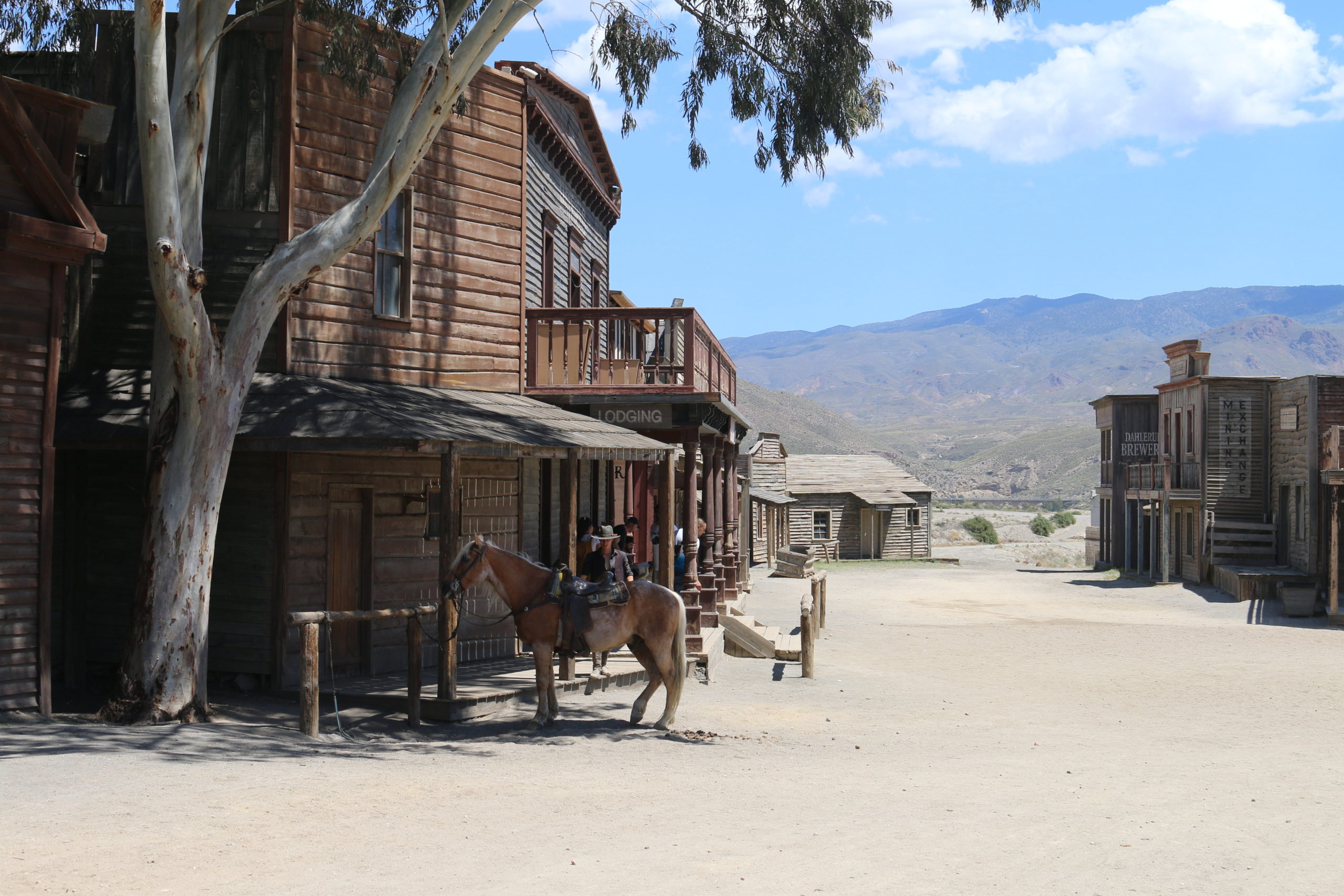
The vastness of Texas is often underestimated, and this holds especially true for its extreme western edge. Here, the environment transitions dramatically from the more familiar central and eastern Texan landscapes into a region characterized by low rainfall, extreme temperatures, and sparse vegetation. This is the domain of the Chihuahuan Desert, a North American desert that extends across parts of the southwestern United States and northern Mexico. Within Texas, this desert manifests in striking geological formations, unique flora and fauna, and a profound sense of solitude.
Defining Desert: Aridity and Ecology
Geographers define a desert primarily by its aridity. A region is considered a desert if it receives less than 10 inches (250 mm) of precipitation annually. The Chihuahuan Desert in West Texas consistently falls well below this threshold. This lack of moisture dictates the entire ecosystem, influencing the types of plants that can survive and the animals that have adapted to these harsh conditions.
The vegetation is distinct from that found elsewhere in Texas. Instead of dense forests or broadleaf trees, one encounters hardy succulents like various species of cacti (including prickly pear and barrel cactus), agaves, yucca, and creosote bushes. These plants are masters of survival, employing strategies such as deep root systems to tap into scarce groundwater, waxy coatings to minimize water loss, and the ability to lie dormant during prolonged dry spells. The landscape is often sculpted by wind and water erosion, revealing ancient rock formations and dramatic canyons.
Exploring the Desert Regions of Texas
The Chihuahuan Desert covers a significant portion of West Texas, encompassing several counties and influencing the character of cities like El Paso. This region is not a singular, uniform expanse of sand but a diverse terrain that includes mountains, basins, desert plains, and rocky outcrops.
Big Bend Country: A Desert Jewel
Perhaps the most iconic and accessible desert landscape in Texas is found within Big Bend National Park. This sprawling park, situated in the remote southwestern corner of the state, offers an unparalleled opportunity to experience the Chihuahuan Desert in all its grandeur. Here, the desert meets the sky in dramatic fashion, with elevations ranging from near sea level along the Rio Grande to over 7,000 feet in the Chisos Mountains.
Attractions within Big Bend
- Rio Grande Village: This area offers stunning views of the river and the desert landscape, with opportunities for hiking and primitive camping.
- Santa Elena Canyon: A truly breathtaking natural wonder, where the Rio Grande has carved a massive canyon through towering limestone cliffs. Accessible by a short hike, it’s a must-see for any visitor.
- Chisos Mountains: While higher in elevation, the Chisos Mountains are surrounded by desert and provide a cooler microclimate. The trails here offer panoramic vistas of the desert floor below and are a fantastic place to spot diverse wildlife.
- Lost Mine Trail: A popular hike offering incredible views of the desert panorama.
- Dinosaur Track Site: Evidence of prehistoric life adds another layer of fascination to the park’s natural history.
Guadalupe Mountains National Park
Further north, bordering New Mexico, lies Guadalupe Mountains National Park. While it also features mountainous terrain, it is firmly rooted in the desert environment. This park is home to Guadalupe Peak, the highest point in Texas, and offers a different perspective on desert ecology, with significant elevation changes leading to varied plant communities. The stark beauty of the mountains rising from the desert floor is a memorable sight.

El Paso: A Desert Metropolis
The city of El Paso, located on the border with Mexico, is the largest urban center within the Chihuahuan Desert. Surrounded by mountains and arid plains, El Paso provides a unique blend of desert scenery and a vibrant cultural experience. The Franklin Mountains State Park, a vast urban park within the city, offers extensive hiking trails and spectacular views of the surrounding desert and the city below.
Desert Travel: Practical Considerations and Experiences
Traveling to and exploring the desert regions of Texas requires careful planning and an appreciation for the unique environment. This is not a landscape that tolerates casual neglect; it demands respect and preparation.
When to Visit
The most comfortable times to visit the desert regions of West Texas are during the spring and fall.
- Spring (March to May): Temperatures are generally pleasant, and this is often when desert wildflowers bloom, creating a surprisingly colorful spectacle. However, be prepared for rapidly changing conditions and occasional strong winds.
- Fall (September to November): Similar to spring, fall offers milder temperatures ideal for outdoor activities. The light can be particularly beautiful in the late afternoon, casting long shadows across the arid landscape.
Summer (June to August) is extremely hot, with temperatures frequently exceeding 100°F (38°C). Outdoor activities during the midday hours can be dangerous, and it is crucial to stay hydrated and seek shade.
Winter (December to February) can be surprisingly cool, with freezing temperatures possible, especially at higher elevations. While snow is rare, it can occur. However, daytime temperatures can still be mild and enjoyable for hiking.
What to Pack and Bring
- Water, Water, Water: This cannot be stressed enough. Carry significantly more water than you think you will need, especially when hiking or spending extended time outdoors. Dehydration is a serious risk.
- Sun Protection: Wide-brimmed hats, sunglasses, and high SPF sunscreen are essential to protect against the intense sun.
- Appropriate Clothing: Lightweight, long-sleeved shirts and pants made of breathable fabric offer protection from the sun and potential scratches from desert plants. Sturdy hiking boots are recommended for traversing uneven terrain.
- Navigation Tools: Maps, compass, and a GPS device are advisable, as cell service can be unreliable in remote areas.
- First-Aid Kit: A well-stocked kit for minor injuries is a must.
- Snacks: High-energy snacks are important for maintaining stamina during outdoor excursions.
- Headlamp or Flashlight: Essential if you plan to be out after dark, for safety and stargazing.
Activities and Experiences
The desert landscape of Texas offers a wealth of activities for the intrepid traveler:
- Hiking and Backpacking: Numerous trails wind through national parks and public lands, offering varying levels of difficulty. The solitude and stunning vistas are unparalleled.
- Stargazing: Far from city lights, the desert skies of West Texas are incredibly dark, making it one of the best places in the country for stargazing. Big Bend National Park is a designated International Dark Sky Park.
- Wildlife Viewing: Despite the harsh conditions, the desert is home to a surprising array of wildlife, including desert bighorn sheep, javelinas, coyotes, various reptiles, and numerous bird species.
- Photography: The dramatic landscapes, unique flora, and expansive skies provide endless opportunities for stunning photographs.
- Cultural Exploration: Visiting communities like El Paso offers a chance to experience the unique blend of Texan and Mexican cultures shaped by the desert environment. Explore local cuisine, art, and history.
- Scenic Drives: Roads like the Ross Maxwell Scenic Drive in Big Bend National Park offer breathtaking views without strenuous hiking.

Beyond the Stereotype: The Enduring Appeal of the Texas Desert
The question “Does Texas have a desert?” is answered with a resounding yes. It’s a desert that defies simple categorization, offering a rugged, untamed beauty that appeals to those seeking adventure, solitude, and a connection with nature. The arid landscapes of West Texas are a testament to the resilience of life and the power of geological forces.
For travelers looking to escape the ordinary, the deserts of Texas provide an extraordinary experience. It’s a place where the silence is profound, the stars are brilliant, and the landscapes are etched with the stories of time. From the majestic canyons of Big Bend to the mountain vistas of the Guadalupe Mountains, this desert frontier is a vital and captivating part of the Texan identity, waiting to be discovered by those willing to venture off the beaten path. It is a landscape that challenges perceptions and rewards exploration with a profound sense of place and wonder.
LifeOutOfTheBox is a participant in the Amazon Services LLC Associates Program, an affiliate advertising program designed to provide a means for sites to earn advertising fees by advertising and linking to Amazon.com. Amazon, the Amazon logo, AmazonSupply, and the AmazonSupply logo are trademarks of Amazon.com, Inc. or its affiliates. As an Amazon Associate we earn affiliate commissions from qualifying purchases.