
The question of whether Texas observes a Daylight Saving Time (DST) change is a recurring point of discussion for residents and visitors alike. Understanding Texas’s stance on this temporal shift is crucial for planning travel, scheduling meetings, and simply navigating daily life across this vast state. While the concept of DST is widely adopted in many parts of the United States, Texas presents a unique situation, deeply intertwined with historical legislative decisions and ongoing public sentiment.
The History and Current Status of Daylight Saving Time in Texas
Daylight Saving Time, a practice of advancing clocks during warmer months so that darkness falls at a later hour, has a complex history in the United States. The primary motivation behind its introduction was to conserve energy during times of increased daylight. However, its implementation has often been met with mixed reactions, with debates centering on its actual energy-saving benefits, its impact on health and sleep patterns, and its overall convenience.
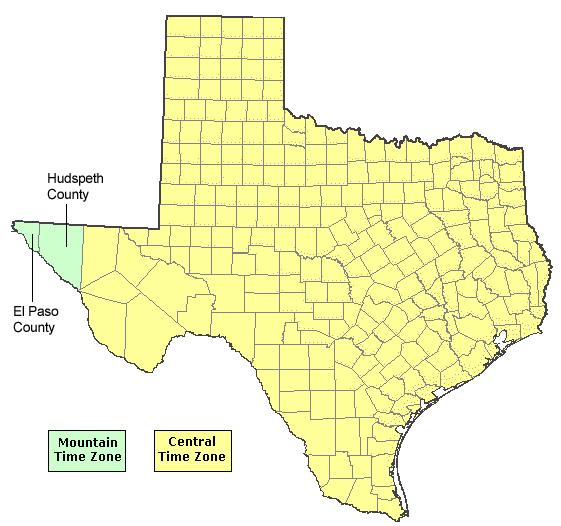
In Texas, the conversation around DST has been particularly robust. For decades, the state has largely followed the federal DST schedule, meaning that most of Texas springs forward in March and falls back in November. This adherence to the national pattern ensures a degree of temporal uniformity with neighboring states and the rest of the country, simplifying logistical coordination for businesses, transportation, and communication.
However, the “loudest” aspect of Texas’s relationship with DST is not its observance, but the persistent legislative efforts and public discourse advocating for its abolition. Numerous bills have been introduced in the Texas Legislature over the years proposing to either opt out of DST entirely and remain on standard time year-round, or to adopt DST permanently.
Legislative Efforts and Debates
The drive to alter Texas’s DST status is fueled by a variety of arguments. Opponents of DST often cite potential negative impacts on public health, including increased risks of heart attacks and strokes in the days following the time change, as well as disruptions to sleep cycles. They also question the continued relevance of energy conservation as a primary driver, given modern advancements in lighting and energy efficiency. Furthermore, the inconvenience of the biannual shift, from adjusting schedules to remembering to change clocks, is a common complaint.
Conversely, proponents of maintaining the current system, or even adopting permanent DST, point to potential benefits such as increased outdoor activity in the evening, which can have positive economic and social implications. Businesses, particularly those in the retail and hospitality sectors, often benefit from longer daylight hours in the evening, encouraging consumers to spend more time out and about. The tourism industry, a significant contributor to Texas’s economy, also sees potential advantages.
The legislative process in Texas has seen these arguments debated extensively. While many bills proposing changes have been filed, few have successfully navigated the complex legislative landscape to become law. This is partly due to the need for federal approval for states to opt out of the Uniform Time Act of 1966, which established DST. Without federal consent, states can choose to remain on standard time year-round, but they cannot opt for permanent DST. This creates a significant hurdle for those who wish to permanently move clocks forward.
Public Opinion and Regional Variations
Public opinion within Texas on DST is varied and often passionate. Polling data and anecdotal evidence suggest a significant portion of the population expresses dissatisfaction with the time change. However, there isn’t a universal consensus on the preferred alternative. Some advocate for permanent standard time, while others prefer permanent DST.
It is also worth noting that while the majority of Texas observes DST, there are a few exceptions within the state, though these are often overlooked in broader discussions. For instance, some counties in the westernmost part of the state, particularly those in the Mountain Time Zone, historically had different arrangements. However, with the widespread adoption of DST across the country, these regional nuances have largely diminished, and most of Texas now operates on Central Daylight Time (CDT) during the DST period and Central Standard Time (CST) otherwise.
The question of whether Texas has a time change is, therefore, answered with a qualified “yes” for the vast majority of the state. The practice is observed, but it is a subject of ongoing debate and legislative attention, reflecting a broader national conversation about the utility and impact of Daylight Saving Time.
Navigating Texas with Daylight Saving Time in Mind
For travelers and residents alike, understanding Texas’s adherence to Daylight Saving Time is key to seamless navigation. This temporal shift, while seemingly minor, can have ripple effects on travel plans, business meetings, and daily routines.
Planning Your Texas Itinerary
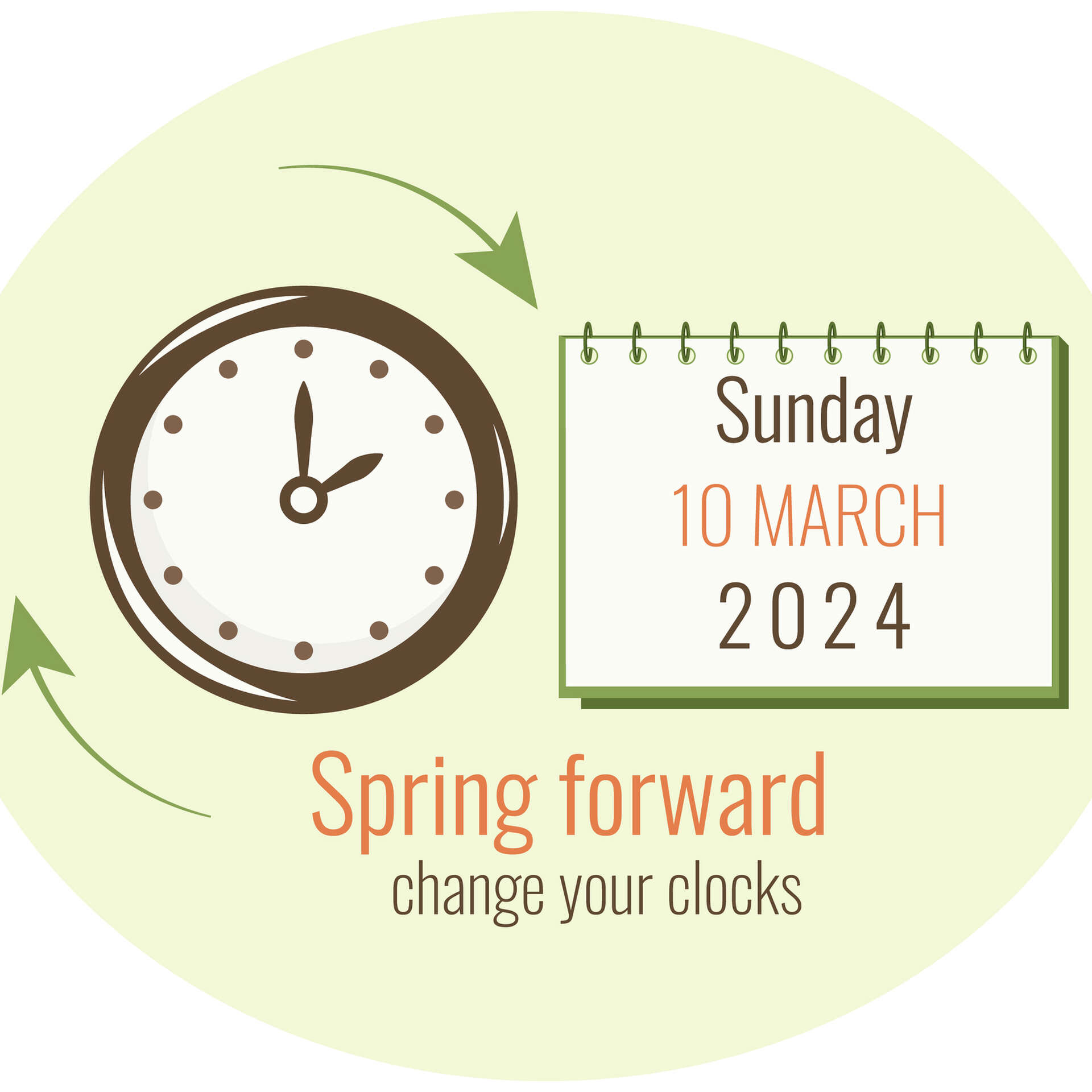
When planning a trip to Texas, particularly during the spring or fall, it’s essential to be aware of the DST transition dates. The shift typically occurs on the second Sunday in March (when clocks spring forward) and the first Sunday in November (when clocks fall back).
- Spring Travel: If you are traveling to Texas in early March, be mindful that you will lose an hour of sleep on the day the clocks change. This can be particularly impactful if you have early morning flights or commitments. Most airline schedules, hotel check-in/check-out times, and tour operator timings will automatically adjust, but it’s always prudent to double-check any critical appointments.
- Fall Travel: The return to standard time in November also means gaining an hour. While this is generally a welcome change, it signifies shorter evenings and earlier sunsets, which might influence the timing of outdoor activities and sightseeing. Popular attractions in cities like San Antonio or Houston may have adjusted operating hours as daylight diminishes.
Business and Logistics
For businesses operating in or with Texas, the DST change necessitates careful coordination. Scheduling video conferences, coordinating with supply chains, and managing employee work hours all require an awareness of the temporal shift. The fact that Texas remains largely unified under Central Time makes this process more manageable than if there were significant regional variations within the state. However, the ongoing legislative discussions mean that businesses should remain vigilant for potential changes in the future.
Local Culture and Activities
The rhythm of life in Texas is subtly influenced by DST. During the spring and summer months when DST is in effect, evenings are longer and brighter. This often translates to more vibrant nightlife, extended hours at outdoor venues, and a general inclination for people to spend more time outside. Events like evening concerts, outdoor dining at establishments in Austin, or late-night strolls along the San Antonio Riverwalk are often enjoyed more fully under the extended daylight.
Conversely, as DST ends and standard time resumes, the earlier sunsets can lead to a shift in social patterns, with many activities concluding earlier. Understanding this cyclical adjustment can enhance one’s appreciation of the local lifestyle and help in planning leisure activities.
The Future of Time in Texas: Permanent Standard vs. Permanent Daylight Saving
The debate over Daylight Saving Time in Texas is far from settled. As mentioned, legislative proposals frequently emerge, aiming to either abolish the biannual clock change or make the current time permanent. This ongoing discussion reflects a national sentiment that has seen other states and countries reconsider their DST policies.
Arguments for Permanent Standard Time
Adopting permanent standard time is often favored by those who prioritize health and sleep consistency. The argument is that standard time, which aligns more closely with the sun’s natural cycle, is more conducive to human circadian rhythms. Proponents believe that eliminating the disruptive clock shifts would lead to improved public health outcomes, reduced instances of seasonal affective disorder (SAD), and a more consistent daily schedule for everyone, from schoolchildren to shift workers. This approach would mean Texas would remain on CST year-round.
Arguments for Permanent Daylight Saving Time
On the other hand, the allure of permanent Daylight Saving Time is strong for many. The idea of consistently having more daylight in the evenings year-round appeals to those who value extended opportunities for outdoor recreation, sports, and other evening activities. Businesses that benefit from evening consumer traffic, such as restaurants, retail stores, and entertainment venues, often support this option. Permanent DST would mean Texas would be on CDT year-round.
However, as noted, implementing permanent DST at the state level requires federal approval under the Uniform Time Act. Without this federal mandate or permission, states can only opt to stay on permanent standard time. This legal constraint is a significant factor in the ongoing debate and the types of legislative solutions that can realistically be pursued.

The Path Forward
The future of time in Texas remains a subject of active discussion. While the state currently observes Daylight Saving Time, the persistent legislative efforts and public sentiment suggest that a change could be on the horizon. Whether Texas ultimately settles on permanent standard time, or if federal legislation evolves to allow for permanent DST, remains to be seen. For now, residents and visitors can expect the familiar “spring forward, fall back” to continue, with the underlying debate providing a constant backdrop to the state’s temporal identity. This evolving narrative adds another layer of interest to the already dynamic and expansive landscape of Texas.
LifeOutOfTheBox is a participant in the Amazon Services LLC Associates Program, an affiliate advertising program designed to provide a means for sites to earn advertising fees by advertising and linking to Amazon.com. Amazon, the Amazon logo, AmazonSupply, and the AmazonSupply logo are trademarks of Amazon.com, Inc. or its affiliates. As an Amazon Associate we earn affiliate commissions from qualifying purchases.