
Understanding the financial landscape of a destination is a crucial aspect of planning any trip, whether it’s a short getaway or an extended stay. For those considering visiting or even relocating to the Lone Star State, a common question arises: “Does Texas pay state income tax?” This inquiry touches upon a significant factor in budgeting and financial preparedness. This article delves into the tax structure of Texas, specifically focusing on its absence of a state income tax, and explores the implications this has for travelers, residents, and businesses alike.
The Texas Tax Advantage: No State Income Tax
Texas stands apart from many other U.S. states in its fiscal policy, most notably by not levying a state income tax on individuals. This distinction is a significant draw for many and has shaped the state’s economic development and appeal.
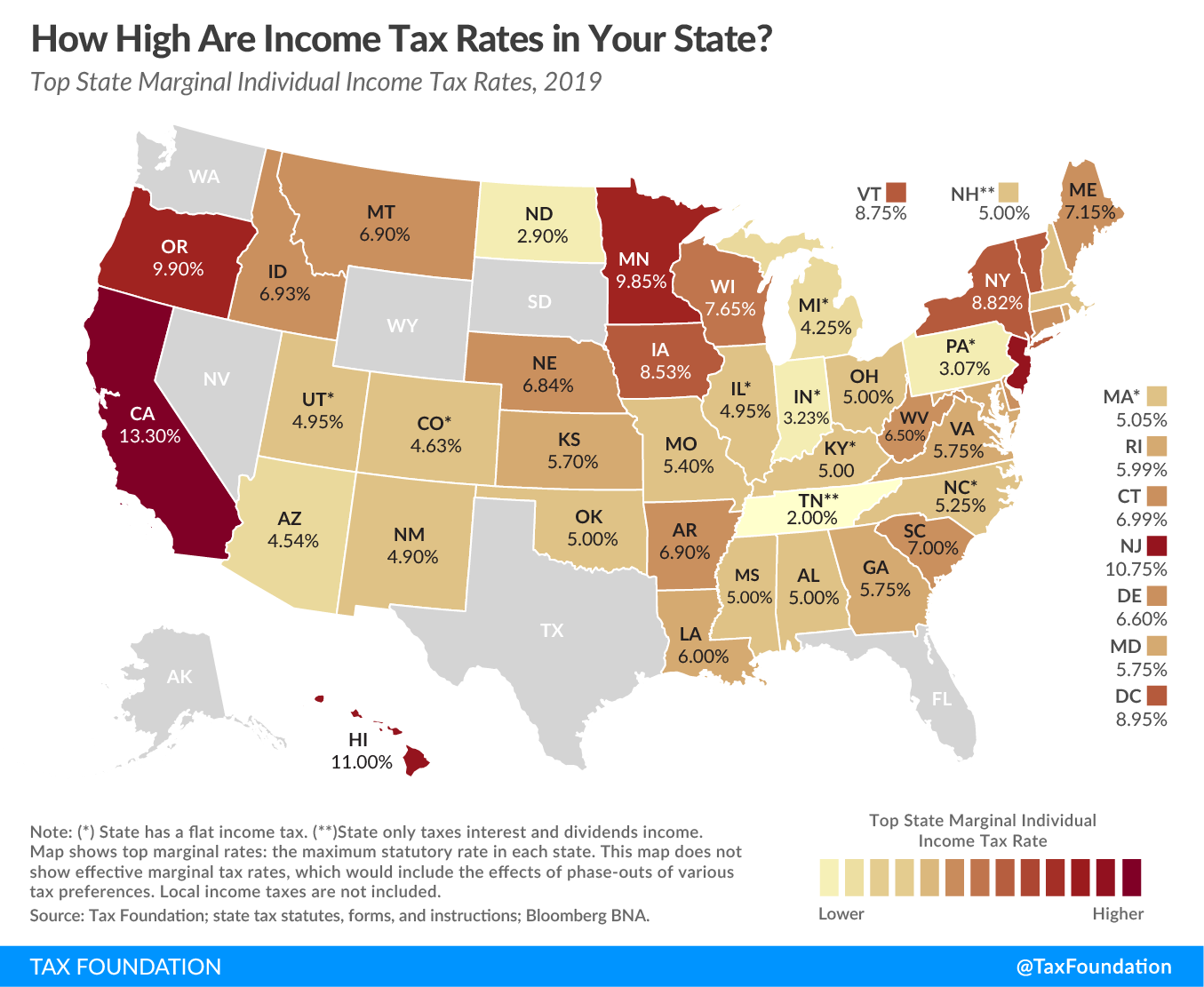
How Texas Funds State Operations
Without an income tax, the state government of Texas relies on alternative revenue streams to fund essential services such as education, infrastructure, public safety, and healthcare. The primary sources of state revenue include:
- Sales Tax: This is the most significant revenue generator for Texas. A state sales tax is applied to the sale of tangible goods and certain services. Local jurisdictions can also impose their own sales taxes, leading to a combined rate that varies by location. While this can add to the cost of goods for consumers, it avoids the direct deduction of income from paychecks.
- Property Tax: While primarily a local revenue source for school districts and municipalities, property taxes also contribute to state funding. Homeowners and businesses pay taxes based on the assessed value of their real estate. This tax is a substantial part of the Texas tax burden for property owners.
- Franchise Tax: This tax is levied on businesses operating in Texas, based on their taxable margin. It replaced the old corporate franchise tax and is designed to be a business-friendly tax that doesn’t overly burden smaller enterprises.
- Other Taxes and Fees: Texas also collects revenue from various other sources, including excise taxes on gasoline, tobacco, and alcohol; severance taxes on natural resources like oil and gas; and fees for licenses and permits.
The absence of a state income tax means that individuals keep a larger portion of their earnings, which can translate to more disposable income for travel, leisure, and investment. For visitors, this means that the money they spend on their Texas vacation is not diminished by an immediate state income tax deduction on any potential earnings during their stay.
Historical Context and Rationale
The decision to forgo a state income tax in Texas is not a recent development but rather a long-standing policy. The state has historically favored a consumption-based tax system. This approach is often justified by proponents as encouraging economic growth by allowing individuals and businesses to retain more capital. The argument is that this retained capital can then be reinvested, spent, or saved, stimulating the economy more effectively than if it were collected as income tax and then redistributed by the government.
Impact on Travelers and Tourists
The lack of a state income tax has direct and indirect benefits for those visiting Texas.
Increased Disposable Income for Leisure
For travelers, the absence of a state income tax on wages earned while working remotely from a Texas location or for any temporary employment during a visit means that their earnings remain entirely theirs. This directly translates to more funds available for experiencing Texas’s diverse attractions, dining at its renowned restaurants, and enjoying its vibrant nightlife.
Budgeting Considerations for Extended Stays
When planning longer trips or even considering a seasonal residency, the absence of a state income tax significantly simplifies budgeting. Travelers don’t need to factor in deductions for state income tax on any income they might earn during their stay. This can make destinations like Austin, Dallas, Houston, or the scenic Hill Country even more financially attractive.
Economic Ripple Effects Benefiting Tourism
The overall economic environment fostered by a state income tax-free status can also positively impact the tourism sector. With individuals having more disposable income, there’s a greater propensity to travel and spend money on entertainment and leisure activities. Businesses, too, benefit from this environment, leading to more investment in hospitality, attractions, and services that cater to tourists. This creates a more robust and dynamic tourism industry across the state, from the beaches of Galveston to the historical sites of San Antonio.

Implications for Businesses and Remote Workers
The tax structure of Texas also holds significant appeal for businesses and individuals who work remotely.
Business Growth and Investment
Texas has actively courted businesses by promoting its favorable tax climate. The lack of a state income tax, combined with the business-friendly franchise tax, makes it an attractive location for corporate headquarters and operations. This economic growth often spills over into the hospitality and tourism sectors, as more companies bring employees and clients to the state for business and events. Convention centers in cities like Fort Worth and El Paso benefit from this influx.
The Remote Work Advantage
The rise of remote work has amplified the appeal of states without income tax. Individuals who can work from anywhere often choose to relocate to places where their income is not subject to state-level taxation. This can lead to a dynamic population influx, bringing diverse skills and spending power to various Texas communities, benefiting local businesses, including hotels, restaurants, and recreational facilities. For those seeking a change of scenery without the financial penalty of income tax, Texas offers a compelling proposition.
Beyond Income Tax: Other Financial Considerations for Visitors
While the absence of state income tax is a major financial factor, visitors should also be aware of other taxes and costs associated with visiting or staying in Texas.
Sales Tax on Purchases
As mentioned, sales tax is a primary revenue source for Texas. The state sales tax rate is 6.25%, and local jurisdictions can add up to 2% more, resulting in a combined rate that can reach 8.25% in some areas. This tax applies to most tangible goods purchased and some services. Travelers should factor this into their budget for shopping, dining, and entertainment. For instance, a souvenir purchased in a shop near the Alamo or a meal at a popular restaurant in New Orleans (though technically in Louisiana, the comparison is relevant for understanding sales tax impact) will include this added cost.
Hotel Occupancy Tax
Visitors staying in hotels, motels, and other short-term lodging facilities will also encounter the Hotel Occupancy Tax. This tax is levied on the rental of rooms and is typically paid by the guest. The combined state and local hotel occupancy tax rates vary but can significantly increase the overall cost of accommodation. It’s wise to check the specific rates when booking a stay at a resort like the Ritz-Carlton Dallas or a boutique hotel in a historic district.
Property Taxes for Longer Stays or Property Owners
For individuals considering a longer-term stay or purchasing property in Texas, property taxes are a significant consideration. While not directly impacting short-term tourists, these taxes are a crucial component of the state’s fiscal system and a major expense for homeowners and business property owners. The rates vary widely by county and school district.
Gas Taxes and Other Fees
Like most states, Texas imposes excise taxes on gasoline, which contribute to funding road maintenance and infrastructure projects. These taxes will affect the cost of travel for those driving or renting vehicles.
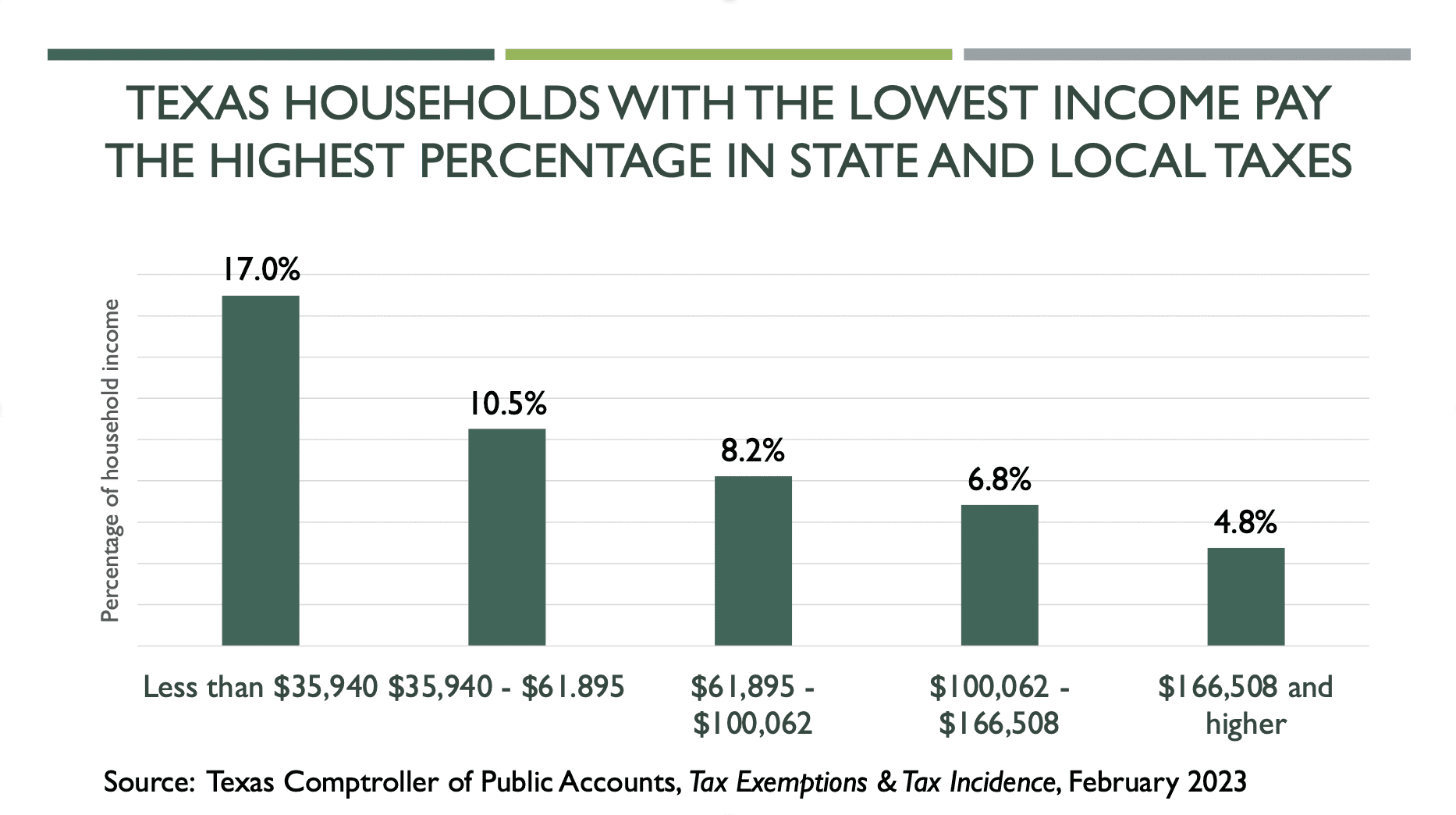
Conclusion: A Financially Appealing Destination
In summary, the answer to “Does Texas pay state income tax?” is a resounding no. This fundamental aspect of the state’s fiscal policy makes Texas a financially attractive destination for travelers, remote workers, and businesses. While other taxes, such as sales tax and hotel occupancy tax, are in place, the absence of state income tax allows individuals and entities to retain a larger portion of their earnings, fostering economic activity and enhancing disposable income. This financial advantage, combined with Texas’s rich culture, diverse attractions, and growing economy, continues to draw visitors and residents to the Lone Star State. Understanding these tax nuances is key to fully appreciating the financial landscape and planning a successful and enjoyable experience in Texas.
LifeOutOfTheBox is a participant in the Amazon Services LLC Associates Program, an affiliate advertising program designed to provide a means for sites to earn advertising fees by advertising and linking to Amazon.com. Amazon, the Amazon logo, AmazonSupply, and the AmazonSupply logo are trademarks of Amazon.com, Inc. or its affiliates. As an Amazon Associate we earn affiliate commissions from qualifying purchases.