
Understanding Texas Alcohol Laws for Tourists and Locals Alike
Navigating the labyrinth of alcohol sales regulations can often be a confounding experience, particularly when traveling to a new state or even within one’s own jurisdiction. For visitors and residents of the Lone Star State, a frequently asked question revolves around the availability of alcoholic beverages on Sundays. The answer, like many things in Texas, is nuanced and dependent on a variety of factors, including local ordinances and specific types of establishments. This exploration delves into the intricacies of Texas Sunday liquor laws, aiming to provide clarity for those seeking to enjoy a beverage during their weekend explorations or daily routines.

The “Blue Law” Legacy and Sunday Sales
Historically, many states, including Texas, operated under “blue laws,” which were designed to prohibit certain activities on Sundays, often for religious or moral reasons. While many of these laws have been relaxed or repealed over time, vestiges of them can still be found in alcohol sales regulations. In Texas, the sale of alcohol on Sundays has been a subject of considerable debate and legislative action.
Prior to 2011, a significant restriction was in place: alcohol could not be sold before noon on Sundays. This meant that early risers or those looking for a brunch mimosa would have been out of luck until midday. However, a pivotal piece of legislation, known as House Bill 1518, was signed into law, significantly altering the landscape of Sunday alcohol sales. This bill effectively removed the state-mandated restriction on selling alcohol before noon on Sundays.
Local Option Elections: The Power of the Municipality
Despite the statewide deregulation of morning Sunday sales, the ultimate authority on whether liquor can be sold on Sundays, and at what hours, often rests with individual cities and counties. This concept is known as “local option.” Essentially, voters within a specific geographic area – a city, a county, or even a particular precinct – can decide through elections whether to permit or prohibit the sale of alcohol on Sundays.
This means that the answer to “Does Texas sell liquor on Sunday?” can vary dramatically from one town to the next. A tourist visiting Dallas might find an entirely different set of rules than someone in a neighboring suburban community or a more rural county. These local elections have created a patchwork of regulations across the state, making it crucial for individuals to be aware of the specific rules in their immediate location.
Dry, Damp, and Wet Counties: A Spectrum of Availability
The local option elections have led to the categorization of counties into three broad types regarding alcohol sales:
- Dry Counties: In these counties, the sale of alcohol is prohibited altogether. This typically extends to all days of the week, including Sunday. While less common in major metropolitan areas, dry counties still exist, primarily in more rural parts of Texas.
- Damp Counties: These counties allow for the sale of alcohol, but with certain restrictions. Often, this means that while alcohol can be sold on Sundays, it might be limited to specific types of establishments (e.g., restaurants with food licenses) or subject to certain hours. Some damp counties may also have restrictions on the sale of hard liquor versus beer and wine.
- Wet Counties: These are the most permissive, allowing for the sale of alcohol on Sundays with fewer restrictions. In most wet counties, businesses can sell alcohol throughout their operating hours on Sundays, provided they adhere to general licensing and operational regulations.
When planning a trip or seeking out a particular establishment, understanding whether the county or city you are in is dry, damp, or wet is the first step in determining Sunday alcohol availability.
Types of Establishments and Their Sunday Sales Privileges
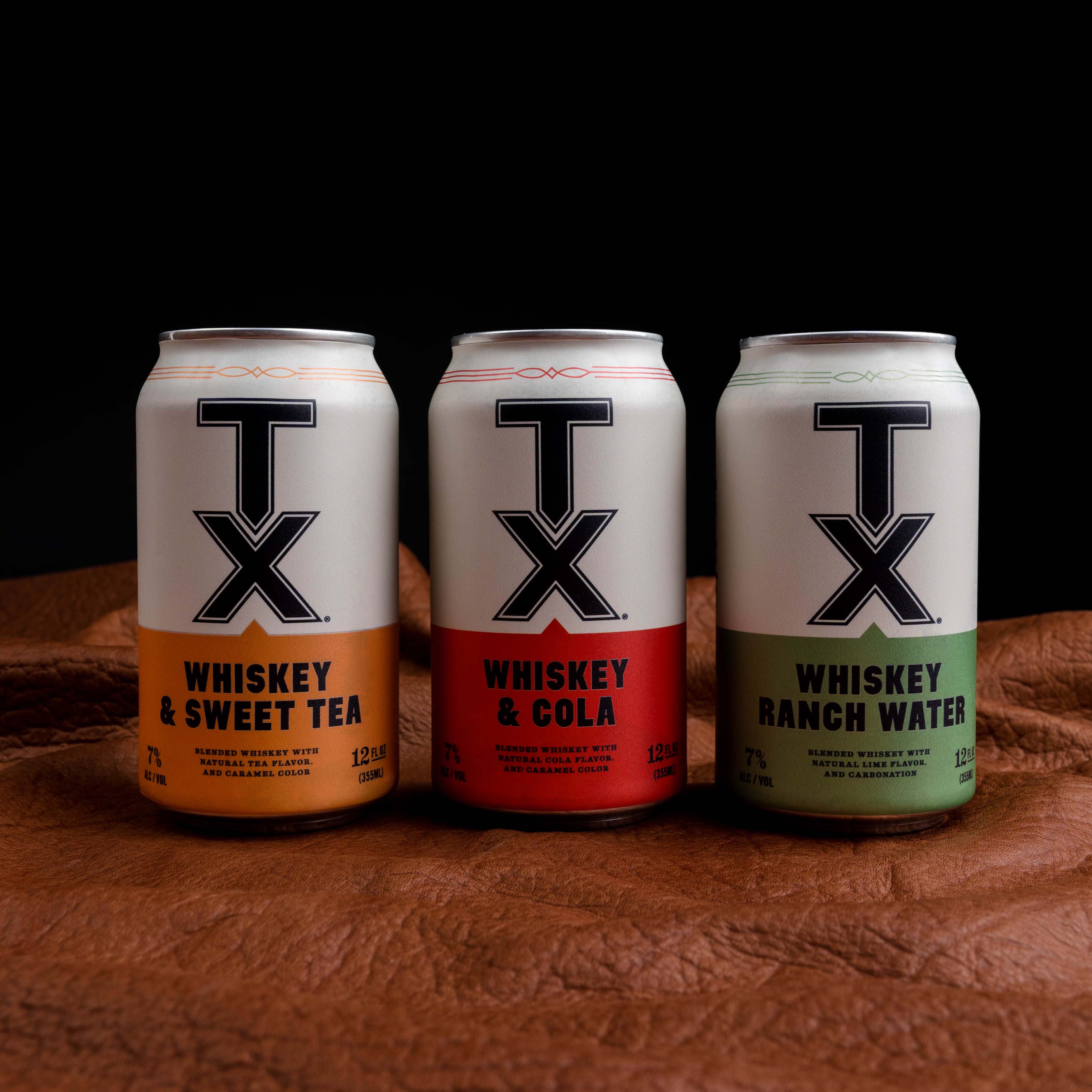
Beyond the geographic location, the type of establishment also plays a significant role in determining Sunday liquor sales. Texas law categorizes alcoholic beverage permittees, and these categories come with different privileges and restrictions, particularly concerning Sunday sales.
Package Stores and Off-Premise Consumption
Businesses that primarily sell alcohol for off-premise consumption, often referred to as “package stores” or “liquor stores,” have specific regulations. Generally, these establishments are permitted to sell liquor on Sundays. However, they are typically subject to operating hours that may differ from their weekday schedules. For instance, many package stores in Texas are allowed to open on Sundays but must close by a certain hour, often around 9 PM or 10 PM, depending on local ordinances. This is a significant change from the pre-2011 era when such sales were often prohibited entirely or heavily restricted.
Restaurants and Bars: On-Premise Consumption
Establishments that serve alcohol for on-premise consumption, such as restaurants, bars, and breweries, also have varying rules. Since the elimination of the noon restriction, most restaurants and bars in “wet” areas are permitted to sell alcohol throughout their operating hours on Sundays. This is particularly relevant for brunch services, dinner reservations, and evening entertainment.
However, some nuances exist. For example, while a restaurant with a full liquor license can serve spirits, wine, and beer on Sundays, a wine-only or beer-only establishment might have different operating parameters. Furthermore, local ordinances can still impose stricter hours even for these on-premise venues. It is always advisable to check with the specific establishment or local authorities if you have any doubt.
Breweries and Wineries: Craft Beverage Experiences
The burgeoning craft beverage scene in Texas has also been influenced by these laws. Craft breweries and wineries that hold appropriate permits are generally allowed to sell their products for on-premise and off-premise consumption on Sundays, subject to the same local restrictions and operating hours as other establishments. This allows visitors to enjoy a tasting or purchase a growler or bottle to take home, even on a Sunday.
Navigating the Nuances: Tips for Visitors
For travelers planning a visit to Texas, understanding these Sunday liquor laws can enhance your experience and prevent potential disappointment.
- Check Local Ordinances: Before you go, or upon arrival, do a quick online search for “[city name] Texas alcohol sales Sunday.” This will often lead you to information from the local government or news articles detailing specific rules.
- Consider Your Location: If you are staying in a major city like Houston, Austin, or San Antonio, you are likely in a “wet” area with liberal Sunday sales. However, if your destination is a smaller town or a more rural county, it is prudent to verify the local rules.
- Ask Your Hotel Concierge: Hotel staff are generally well-informed about local regulations and can offer guidance on where to purchase alcohol on a Sunday and what hours to expect.
- Look for Restaurants with Bars: If you are seeking a drink with a meal, most restaurants with a full bar will be able to serve you on a Sunday in most parts of the state.
- Be Mindful of Hours: Even in areas where Sunday sales are permitted, establishments may have shorter hours than on weekdays. Plan your purchases accordingly.
Beyond Sunday: Other Alcohol Regulations in Texas
While the focus here is on Sunday sales, it is worth noting that Texas has other notable alcohol regulations that visitors might encounter. The legal drinking age is 21, as in all of the United States. Open container laws vary by city and county, but generally, it is illegal to have an open alcoholic beverage container in the passenger area of a vehicle. Driving under the influence of alcohol is strictly prohibited and carries severe penalties.

Conclusion: A State of Shifting Regulations
In conclusion, the question of whether Texas sells liquor on Sunday is not a simple yes or no. Thanks to legislative changes and the empowerment of local communities through option elections, Sunday sales are widely permitted across much of the state, often with fewer restrictions than in the past. However, the decentralized nature of these laws means that a nuanced understanding of local ordinances, establishment types, and county classifications is necessary to navigate the availability of alcoholic beverages on the Lord’s Day. For travelers and residents alike, a little proactive research can ensure that a desire for a Sunday libation can be satisfied within the framework of Texas’s unique regulatory landscape.
LifeOutOfTheBox is a participant in the Amazon Services LLC Associates Program, an affiliate advertising program designed to provide a means for sites to earn advertising fees by advertising and linking to Amazon.com. Amazon, the Amazon logo, AmazonSupply, and the AmazonSupply logo are trademarks of Amazon.com, Inc. or its affiliates. As an Amazon Associate we earn affiliate commissions from qualifying purchases.