
When contemplating a journey across continents or a road trip across vast expanses, understanding the sheer scale of a destination is often a crucial, yet sometimes overlooked, aspect of travel planning. For those with a penchant for exploring both the Iberian Peninsula and the Lone Star State, a common question arises: How big is Spain compared to Texas? While both boast significant landmasses, a closer look reveals intriguing differences and similarities that can shape perceptions and expectations for any traveler. This comparison delves into the geographical footprint of these two prominent entities, offering a tangible perspective on their sizes.

Geographical Dimensions: A Tale of Two Territories
To accurately assess the comparative size of Spain and Texas, we must first examine their respective land areas. This quantitative approach provides a foundational understanding of the physical space each occupies.
Area Statistics: Unveiling the Numbers
Spain, the second-largest country in the European Union after France, covers approximately 505,990 square kilometers (195,364 square miles). This figure encompasses mainland Spain, the Balearic Islands, the Canary Islands, and the autonomous cities of Ceuta and Melilla. Its diverse topography ranges from the Pyrenees mountains in the north to the Sierra Nevada in the south, featuring extensive coastlines along the Mediterranean Sea and the Atlantic Ocean.
Texas, on the other hand, is the second-largest state in the United States by both area and population. It spans an impressive 695,662 square kilometers (268,596 square miles). This colossal size makes it larger than any single country in Western Europe. Its geography is equally varied, with pine forests in the east, rolling plains in the central regions, mountains in the west, and a long coastline along the Gulf of Mexico.
Direct Comparison: Texas’s Dominance
When directly comparing these figures, it becomes evident that Texas is considerably larger than Spain. The Lone Star State covers approximately 189,700 square kilometers (73,232 square miles) more territory than the Iberian nation. To put this into perspective, Texas is roughly 37.5% larger than Spain. This means that one could fit a significant portion of Spain within the borders of Texas and still have substantial room to spare.
Visualizing the Scale: A Traveler’s Perspective
Understanding the raw numbers is one thing, but visualizing these dimensions can significantly enhance a traveler’s appreciation for the scale of their chosen destination. Imagining how one territory fits within another offers a more intuitive grasp of the vastness involved.
Overlaying Spain onto Texas
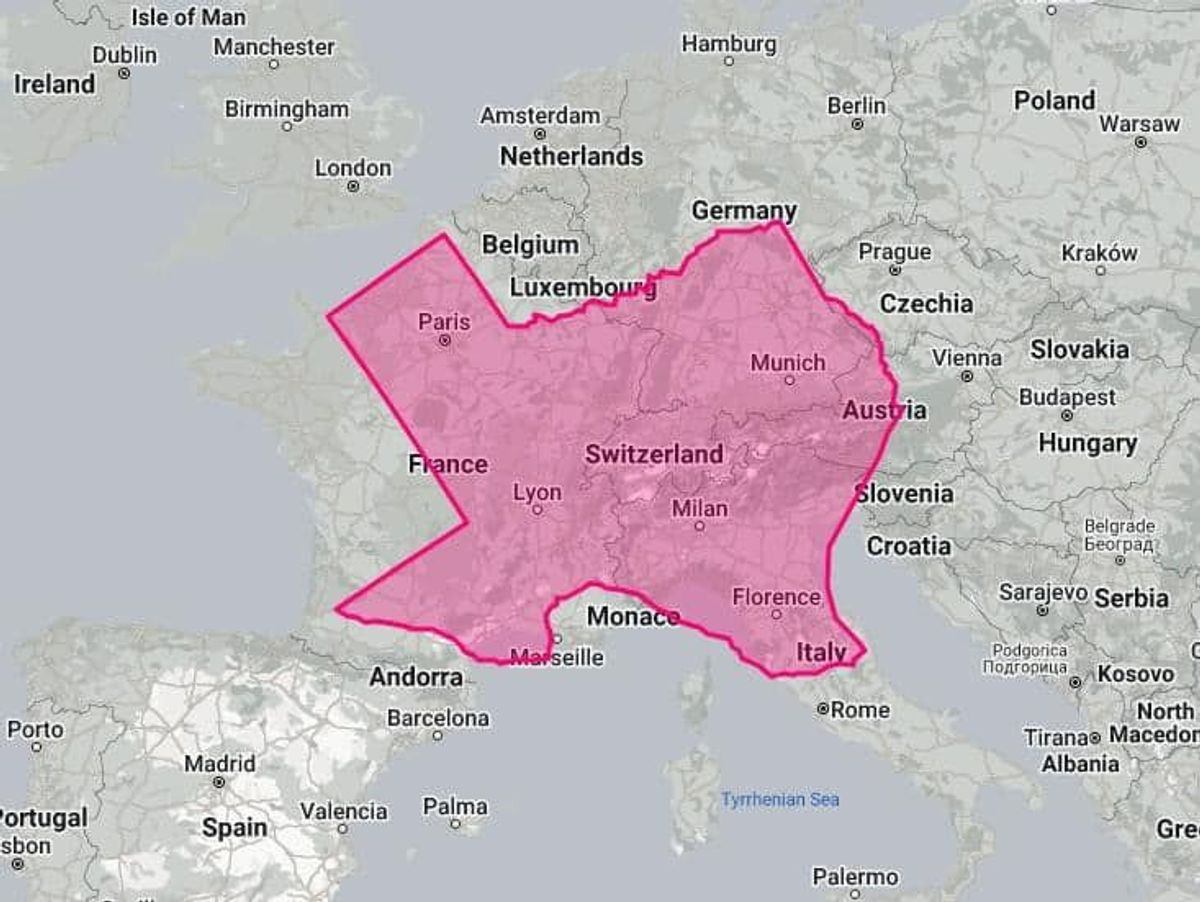
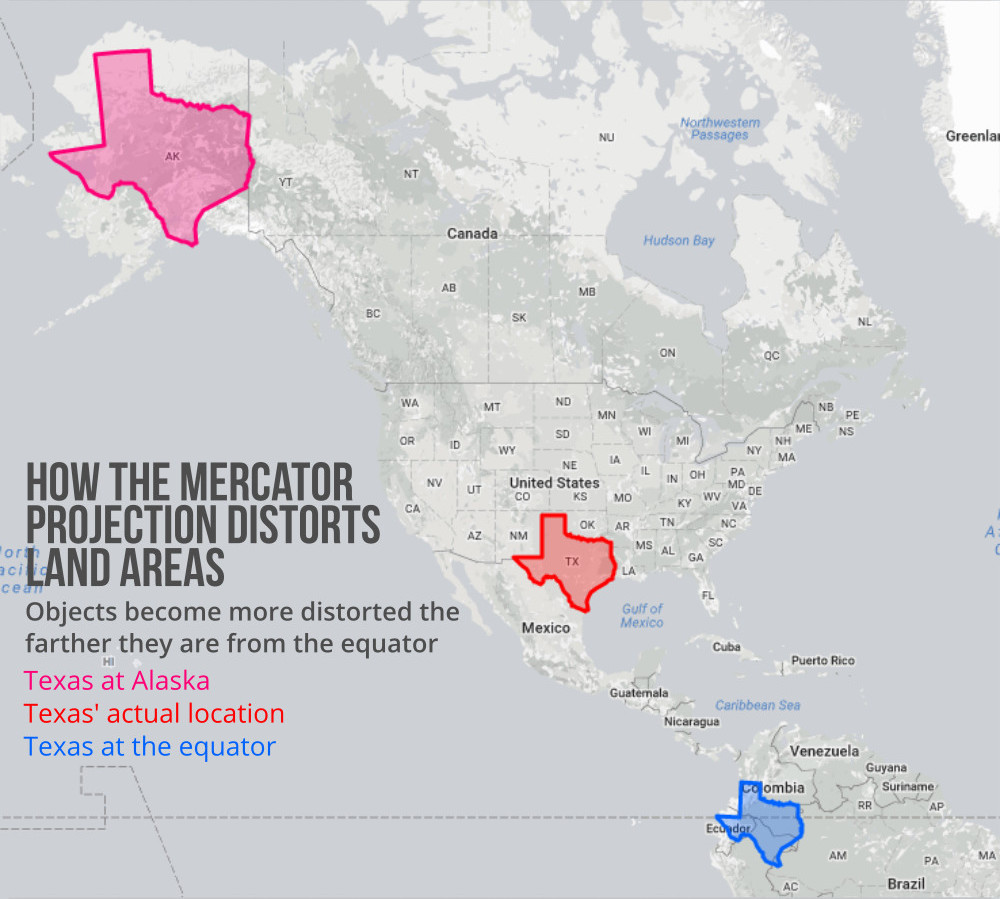
If one were to superimpose a map of Spain onto a map of Texas, several observations would stand out. The entirety of mainland Spain, excluding its islands, would fit comfortably within the confines of Texas. This visual comparison helps to underscore Texas’s immense size. For instance, a journey across Spain from its northernmost point near the Bay of Biscay to its southernmost tip in Andalusia would be comparable in travel time and distance to traversing a significant portion of Texas from north to south.
Implications for Travel and Exploration
The difference in scale has practical implications for travelers. Exploring Spain typically involves a network of efficient high-speed rail lines and well-connected road systems that facilitate relatively swift travel between its diverse regions, from the bustling streets of Madrid to the architectural marvels of Barcelona or the sun-drenched coasts of the Costa del Sol. While covering the entire country might require several weeks to truly appreciate its cultural richness, it can be done within a more condensed timeframe than exploring the entirety of Texas.
Conversely, Texas demands a different approach to exploration. Given its size, inter-city travel often relies heavily on driving or flying. A road trip from El Paso in the west to Houston in the east is a journey of over 900 kilometers (560 miles), a distance that would easily span multiple European countries. This vastness allows for incredible diversity within the state itself, from the desert landscapes of West Texas to the piney woods of East Texas and the vibrant cultural melting pot of San Antonio.
Understanding the Nuances: Beyond Pure Area
While area is the primary metric for size comparison, it’s essential to consider other geographical and political factors that contribute to the perception of scale and the experience of traveling within these regions.
Political and Administrative Structures
Spain is a constitutional monarchy with a parliamentary system, divided into 17 autonomous communities and two autonomous cities. This administrative structure, while large in number, reflects a country with a long history and distinct regional identities, each with its own cultural nuances and governance.
Texas, as a state within the United States, operates under a federal system. Its size as a single political entity within a larger nation means that its internal diversity and administrative functions are managed differently than those of a sovereign nation like Spain. The concept of “state” in the U.S. context often carries connotations of immense geographical and cultural independence, further emphasizing Texas’s scale.
Population Density and Distribution
The distribution of population also plays a role in how a place feels. Spain has a population of over 47 million people, with a significant portion concentrated in major urban centers like Madrid, Barcelona, and Valencia. This leads to a generally higher population density in its inhabited areas compared to many parts of Texas.
Texas, with a population exceeding 30 million, is experiencing rapid growth. However, its vast landmass means that large swathes of the state are sparsely populated, particularly in its western and southern regions. This creates a sense of immense open space and solitude, a characteristic often associated with the American West, which contrasts with the more densely populated and interconnected landscape of much of Spain.
Conclusion: A Matter of Perspective
In conclusion, when comparing Spain and Texas based on sheer land area, Texas emerges as the significantly larger entity. It is approximately 37.5% larger than Spain, a difference that translates into distinct travel experiences. While Spain offers a rich tapestry of diverse regions within a more manageable geographical scope, Texas presents a landscape of unparalleled scale, promising vast open spaces and a unique brand of American frontier spirit. Understanding this disparity is key for any traveler looking to calibrate their expectations and plan an itinerary that fully embraces the immense possibilities each of these captivating destinations offers. Whether you are drawn to the historic charm and vibrant culture of Spain or the boundless horizons and independent spirit of Texas, appreciating their respective sizes enriches the journey and deepens the connection to the place you explore.
LifeOutOfTheBox is a participant in the Amazon Services LLC Associates Program, an affiliate advertising program designed to provide a means for sites to earn advertising fees by advertising and linking to Amazon.com. Amazon, the Amazon logo, AmazonSupply, and the AmazonSupply logo are trademarks of Amazon.com, Inc. or its affiliates. As an Amazon Associate we earn affiliate commissions from qualifying purchases.