
The Four Sixes Ranch in Texas is a legendary name etched into the fabric of the American West. More than just a sprawling cattle operation, it’s a testament to endurance, tradition, and the sheer scale of the Texan landscape. When one asks “How big is the Four Sixes Ranch?”, the answer transcends mere acreage; it speaks to a legacy, an ecosystem, and an economic engine that has shaped the region for generations. This inquiry invites a deep dive into its vastness, its history, and its profound impact on the world of ranching and land conservation.
The Immense Scale of the Four Sixes Ranch
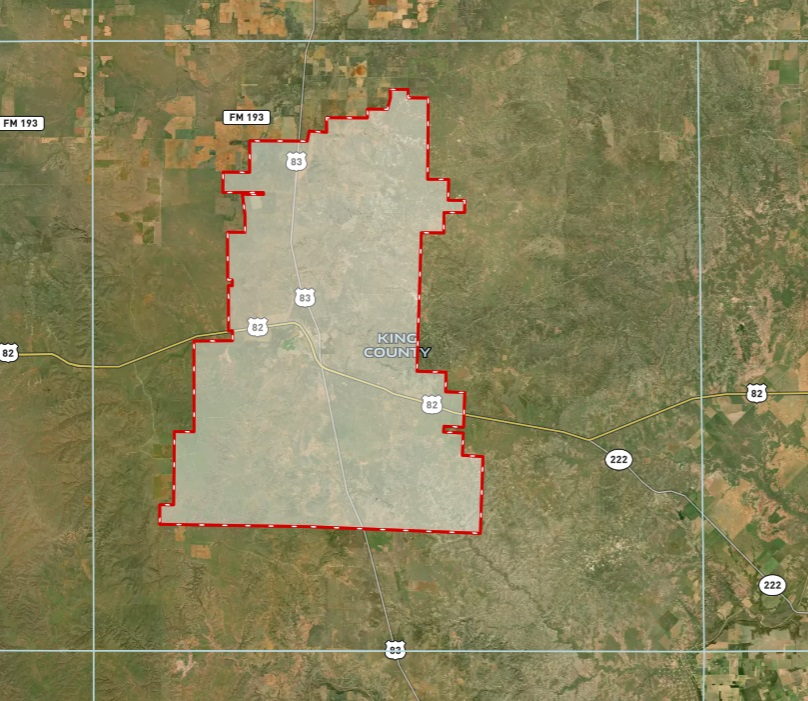
The sheer size of the Four Sixes Ranch is one of its most defining characteristics. Spanning an almost incomprehensible expanse of land, it represents a significant portion of Central Texas and extends into the Texas Panhandle. While exact figures have fluctuated over its long history due to acquisitions, sales, and subdivisions, the ranch has historically encompassed hundreds of thousands of acres. At its zenith, the Four Sixes was often cited as being in the realm of 300,000 to 400,000 acres, a size comparable to small states or large metropolitan areas. This immense territory is not a single contiguous block but rather a collection of ranches, pastures, and reserves that have been managed under the iconic Four Sixes brand for over a century.
Geographic Footprint and Terrains
The vastness of the Four Sixes Ranch translates into a diverse array of geographical features. Its lands stretch across rolling prairies, rugged canyons, mesquite-filled flats, and stretches of more arid, high-plains desert. This geographical diversity is crucial for supporting a large cattle herd and a complex ecosystem. The ranch’s sprawling nature means that traveling from one end to another can take hours, highlighting the logistical challenges and the commitment required to manage such an expansive domain. The varied terrains provide natural grazing grounds, water sources, and shelter for wildlife, contributing to the ranch’s ecological significance.
Acreage: A Shifting Landscape
It is important to note that ranch sizes, especially those as old and storied as the Four Sixes, are not static. Over the decades, portions of the ranch have been sold off, while others have been added. The most significant recent change involved a large portion of the Four Sixes being sold in 2021, which fundamentally altered its overall acreage. However, even with these shifts, the remaining entities associated with the Four Sixes legacy continue to represent a substantial landholding within Texas. The concept of “how big” is therefore best understood not just as a current number, but as a historical benchmark of its former, even greater, scale.
The Legacy of the Four Sixes Brand
The size of the Four Sixes Ranch is inextricably linked to its enduring legacy. The brand itself, consisting of a “6666,” was established by Samuel Burk Burnett in 1870, and it has become synonymous with quality Texas cattle and a pioneering spirit. The ranch’s expansive holdings were necessary to support the large herds of cattle that were a hallmark of its operation. Managing such vast tracts of land allowed for the rotational grazing that is essential for maintaining healthy pastures and ensuring the long-term sustainability of the land.
Historical Context of Ranching Expansion
In the late 19th and early 20th centuries, the cattle industry in Texas experienced significant growth. Ranchers like Samuel Burk Burnett acquired immense tracts of land to facilitate the movement and grazing of their cattle. The Four Sixes Ranch was a prime example of this era of large-scale ranching. Its size was not just a measure of wealth but a practical necessity for breeding, raising, and moving thousands of head of cattle across the unforgiving Texan landscape. The scale of operations demanded extensive acreage to prevent overgrazing and to provide access to water sources, particularly during the arid Texas summers.
Evolution of Land Management

While the original impetus for acquiring vast tracts of land was primarily for cattle ranching, the management philosophy of large ranches like the Four Sixes has evolved. Modern ranching practices increasingly emphasize land stewardship, conservation, and the integration of multiple land uses. The sheer size of the Four Sixes Ranch has allowed it to become a significant player in conservation efforts, providing habitat for native wildlife and preserving natural landscapes. This evolution from pure cattle production to a more holistic approach to land management is a testament to the foresight of its owners and managers.
The Four Sixes Ranch as a Landmark of Texas Culture
The Four Sixes Ranch is more than just a large piece of property; it is a cultural landmark. Its name recognition extends far beyond agricultural circles, resonating with anyone familiar with the iconic imagery of the American West. Its history is woven into the lore of Texas, representing the grit, determination, and pioneering spirit that have come to define the state. The sheer scale of the ranch contributes to its legendary status, making it a symbol of the vastness and untamed beauty of the Texan frontier.
Influence on Western Heritage
The Four Sixes Ranch has played a pivotal role in shaping Western heritage. Its long-standing tradition of breeding high-quality horses and cattle, coupled with its vast landholdings, has made it a benchmark for successful ranching operations. The ranch’s influence can be seen in the genetics of many cattle breeds and working horses that are still prized today. Stories of the ranch, its cowboys, and its legendary owner Samuel Burk Burnett are part of the rich tapestry of Texan folklore, contributing to the romanticized image of the cowboy and the open range.
The “Four Sixes” Mystique
The mystique surrounding the Four Sixes Ranch is amplified by its sheer size. The idea of a single entity controlling such an enormous expanse of land evokes images of a self-contained kingdom, a world unto itself. This perception, while perhaps romanticized, underscores the ranch’s significant presence within the state. It represents a commitment to a way of life that values tradition, hard work, and a deep connection to the land. The brand itself, simple yet iconic, has become a symbol of quality and authenticity in the world of ranching and livestock.
Managing a Vast Domain
The operational scope of managing a property as large as the Four Sixes Ranch is an undertaking of immense complexity. It requires a dedicated team of professionals, sophisticated infrastructure, and a deep understanding of both animal husbandry and land management. The logistical challenges of overseeing such a large area are considerable, from moving cattle across hundreds of miles to maintaining fences, water sources, and equipment.
Infrastructure and Logistics
The Four Sixes Ranch is not just land; it’s a complex operational network. This includes numerous ranch houses, barns, corrals, and miles upon miles of fencing that delineate pastures and contain livestock. The maintenance of roads and the provision of water for both the cattle and the wildlife are continuous, critical tasks. The sheer distance involved means that transportation, whether by vehicle, ATV, or horseback, is a fundamental aspect of daily operations. Communication systems are also vital for coordinating activities across such a wide geographic spread.

Conservation and Sustainability
With its vast acreage, the Four Sixes Ranch has become an important area for land conservation and sustainable practices. The scale of the ranch allows for effective implementation of rotational grazing, which helps to prevent land degradation and promotes the health of native grasses. Furthermore, the ranch provides critical habitat for a variety of wildlife species, contributing to biodiversity in Texas. Modern ranch management at this level often involves partnerships with conservation organizations to monitor wildlife populations, manage invasive species, and preserve natural resources for future generations. The size of the Four Sixes is, therefore, a key factor in its capacity to act as a significant ecological asset.
LifeOutOfTheBox is a participant in the Amazon Services LLC Associates Program, an affiliate advertising program designed to provide a means for sites to earn advertising fees by advertising and linking to Amazon.com. Amazon, the Amazon logo, AmazonSupply, and the AmazonSupply logo are trademarks of Amazon.com, Inc. or its affiliates. As an Amazon Associate we earn affiliate commissions from qualifying purchases.