
Understanding the Role and Requirements
Embarking on a career as a pharmacy technician in Texas offers a rewarding path within the healthcare sector. This role is vital, as pharmacy technicians work under the direct supervision of licensed pharmacists, assisting with prescription dispensing, inventory management, customer service, and various administrative tasks. They are the backbone of efficient pharmacy operations, ensuring that medications are prepared accurately and that patients receive timely and helpful assistance.
To become a pharmacy technician in Texas, aspiring individuals must meet specific educational and professional criteria established by the Texas State Board of Pharmacy (TSBP). The primary requirement is that the individual must be at least 18 years old and possess a high school diploma or its equivalent, such as a GED. Beyond these foundational requirements, the TSBP mandates that all pharmacy technicians working in the state must be registered. This registration process ensures that all individuals performing pharmacy technician duties have met the state’s minimum qualifications and are operating under proper oversight.

The pathway to registration typically involves a period of on-the-job training under the supervision of a licensed pharmacist. While Texas does not mandate formal certification or licensure for entry-level pharmacy technicians, it strongly encourages it and recognizes that many employers prefer or require technicians to be certified by a national organization. The most widely recognized certifications are offered by the Pharmacy Technician Certification Board (PTCB) and the National Healthcareer Association (NHA). Obtaining such a certification often involves passing a rigorous exam that assesses knowledge in areas such as pharmacy law, drug compounding, medication safety, and dispensing procedures.
Furthermore, a critical aspect of the registration and employment process for any healthcare professional, including pharmacy technicians, is the background check. Texas law requires all registered pharmacy technicians to undergo a criminal background check. This is a standard procedure designed to ensure patient safety and maintain the integrity of the pharmacy profession. Any individual with certain felony convictions may be disqualified from registering or working as a pharmacy technician. It is advisable for individuals with a criminal record to contact the TSBP directly to ascertain their eligibility before investing time and resources into training and certification.
The TSBP also emphasizes the importance of continuing education. Once registered, pharmacy technicians are expected to maintain their competency and stay abreast of evolving pharmaceutical practices and regulations. This is typically achieved through continuing education units (CEUs) that must be completed during each registration renewal cycle. These CEUs cover various topics, including new drug therapies, legal and ethical issues, patient safety, and pharmacy management.
Educational Pathways and Training
While formal education is not strictly mandated for registration in Texas, pursuing accredited pharmacy technician programs can significantly enhance an individual’s preparedness and marketability. These programs, often offered by community colleges, vocational schools, and online institutions, provide a comprehensive curriculum designed to equip students with the necessary knowledge and skills.
Accredited Pharmacy Technician Programs
Accredited programs typically cover a broad range of subjects crucial for a pharmacy technician’s role. These include:
- Pharmacy Law and Ethics: Understanding the legal framework governing pharmacy practice, including regulations from the TSBP and the U.S. Food and Drug Administration (FDA), is paramount. This ensures compliance and ethical conduct.
- Drug Terminology and Pharmacology: Learning the names, uses, dosages, and potential side effects of common medications is essential for accurate prescription processing and patient counseling (under pharmacist supervision).
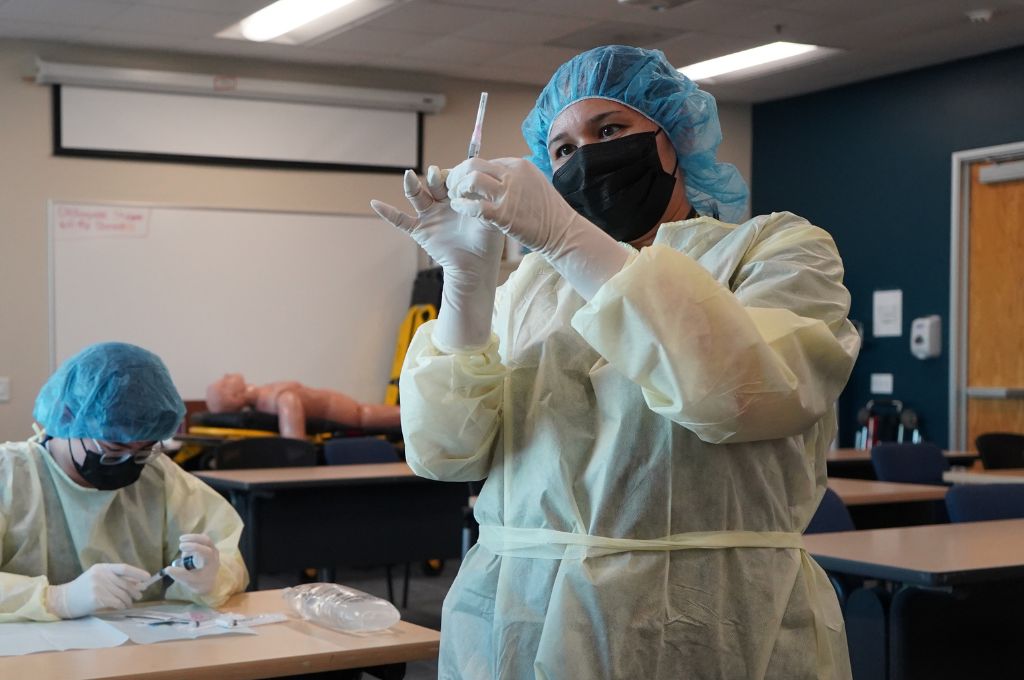
- Medication Compounding and Dispensing: Training in sterile and non-sterile compounding techniques, as well as the accurate dispensing of various dosage forms, is a core competency.
- Inventory Management: Technicians learn how to manage drug stock, order supplies, and maintain proper storage conditions to prevent spoilage and ensure availability.
- Pharmacy Calculations: Proficiency in performing dosage calculations, conversions, and other mathematical tasks related to medication preparation is vital.
- Customer Service and Communication: Developing effective communication skills for interacting with patients, pharmacists, physicians, and other healthcare professionals is crucial for providing excellent service.
- Pharmacy Information Systems: Familiarity with pharmacy software used for prescription entry, billing, and record-keeping is increasingly important.
These programs can vary in length, from a few months for certificate programs to two years for associate’s degrees. The cost also varies, but many institutions offer financial aid options. Graduates of accredited programs often find it easier to secure employment and may be better prepared for national certification exams.
On-the-Job Training
For those who choose not to pursue a formal educational program, on-the-job training is a viable alternative in Texas. This pathway involves learning directly from experienced pharmacists and technicians within a pharmacy setting. Employers typically provide comprehensive training that covers the specific procedures and protocols of their establishment. This hands-on approach allows individuals to gain practical experience immediately.
However, on-the-job training may not always provide the same breadth of theoretical knowledge as an academic program. To bridge this gap and enhance their qualifications, individuals undergoing on-the-job training are strongly encouraged to pursue national certification. This often requires dedicated self-study or enrollment in preparatory courses. The duration of on-the-job training can vary widely depending on the employer and the individual’s learning pace, but it generally encompasses learning all aspects of pharmacy operations.
Registration and Certification Process
The journey to becoming a registered and potentially certified pharmacy technician in Texas involves several distinct steps. Adhering to these requirements ensures that you are legally permitted to practice and enhances your professional standing.

Registration with the Texas State Board of Pharmacy (TSBP)
The first formal step is to register with the Texas State Board of Pharmacy. This is a mandatory requirement for anyone acting as a pharmacy technician in the state. The registration process typically involves:
- Application Submission: Completing and submitting the official Pharmacy Technician Registration Application form to the TSBP. This form requires personal information, educational background, and employment history.
- Background Check: Undergoing a fingerprint-based criminal background check. This involves submitting fingerprints to the Federal Bureau of Investigation (FBI) and the Texas Department of Public Safety. The TSBP will review the results to ensure compliance with eligibility requirements.
- Fees: Paying the required registration fee. Fees are subject to change, so it is important to check the TSBP website for the most current information.
- Verification of Age and Education: Providing proof of being at least 18 years old and possessing a high school diploma or GED.
Upon successful completion of these steps and TSBP approval, you will be issued a pharmacy technician registration number. This registration must be renewed periodically, typically every two years, and requires the completion of continuing education units.
National Certification (PTCB and NHA)
While not a strict requirement for TSBP registration, obtaining national certification is highly recommended and often a prerequisite for employment with many pharmacies, including major chains like CVS Pharmacy and Walgreens. The two primary certifying bodies are:
-
Pharmacy Technician Certification Board (PTCB): The PTCB offers the Pharmacy Technician Certification (PTC) exam. To be eligible for the PTCB exam, candidates typically need to meet one of the following criteria:
- Have a high school diploma or equivalent and complete at least 500 hours of work experience as a pharmacy technician.
- Have a high school diploma or equivalent and complete a PTCB-recognized education or training program.
- Have a high school diploma or equivalent and have passed a state-recognized certification exam (if applicable in that state).
The PTC exam covers a wide array of knowledge, including medication therapy management, drug compounding and dispensing, pharmacy operations, and compliance.
-
National Healthcareer Association (NHA): The NHA offers the ExCPT (Exam for the Certification of Pharmacy Technicians) certification. Eligibility requirements are similar to the PTCB, generally requiring a high school diploma or GED and a certain amount of work experience or completion of an approved training program.
Both PTCB and NHA certifications demonstrate a commitment to professionalism and a validated level of competence. Certification requires passing a comprehensive examination and maintaining certification through continuing education and renewal fees.
Career Prospects and Professional Development
The demand for skilled pharmacy technicians in Texas remains robust, driven by the growing healthcare needs of the population and the increasing complexity of pharmacy services. As a pharmacy technician, you can find employment in a variety of settings, each offering unique experiences and opportunities for growth.
Employment Settings
- Retail Pharmacies: This is the most common setting, found in national chains, independent pharmacies, and supermarkets. Here, technicians primarily focus on dispensing prescription medications, customer service, and managing front-end sales.
- Hospital Pharmacies: Working in a hospital involves a broader scope of responsibilities, including preparing medications for inpatient and outpatient use, compounding sterile intravenous (IV) solutions, managing drug inventory for various hospital units, and assisting with medication reconciliation. Hospital settings often offer more advanced training opportunities.
- Long-Term Care Facilities: Pharmacy technicians in long-term care settings prepare and deliver medications to residents of nursing homes and assisted living facilities. This role requires meticulous attention to detail to ensure accurate and timely medication administration.
- Mail-Order Pharmacies: These large-scale operations process and dispense medications for patients through mail delivery. Technicians in this environment often work with automated dispensing systems and focus on high-volume prescription fulfillment.
- Home Infusion Pharmacies: Specializing in preparing and delivering IV medications and supplies to patients in their homes. This niche requires specialized training in sterile compounding and patient care.
- Wholesale Drug Distribution: Technicians may also work in warehouses that store and distribute medications to pharmacies and other healthcare providers, focusing on inventory control and logistics.
Opportunities for Advancement
The role of a pharmacy technician is not static. With experience and further education, career advancement is possible. Some technicians may pursue supervisory roles within a pharmacy, managing other technicians and assisting the pharmacist with operational oversight. Others may specialize in specific areas, such as sterile compounding or hazardous drug handling, becoming subject matter experts.
For those interested in a more advanced role within the pharmaceutical field, pursuing a degree in pharmacy to become a licensed pharmacist is a common progression. Pharmacy technicians possess a foundational understanding of the profession, which can be a significant advantage for those considering further academic pursuits.
Continuing education is key to professional development. By actively participating in CEU programs, pharmacy technicians can stay current with industry trends, learn new skills, and expand their knowledge base. This not only helps maintain their registration and certification but also makes them more valuable assets to their employers and opens doors to new opportunities. Networking with other healthcare professionals and attending industry conferences can also provide valuable insights and connections for career growth. The field of pharmacy is dynamic, and a commitment to lifelong learning is essential for a successful and fulfilling career as a pharmacy technician in Texas.
LifeOutOfTheBox is a participant in the Amazon Services LLC Associates Program, an affiliate advertising program designed to provide a means for sites to earn advertising fees by advertising and linking to Amazon.com. Amazon, the Amazon logo, AmazonSupply, and the AmazonSupply logo are trademarks of Amazon.com, Inc. or its affiliates. As an Amazon Associate we earn affiliate commissions from qualifying purchases.