
Establishing residency in a new state can feel like navigating a complex maze, especially when it involves crucial aspects like obtaining a driver’s license, registering to vote, or securing in-state tuition. For those looking to make the Lone Star State their permanent home, Texas offers a clear, albeit detailed, path to establishing official residency. This guide will walk you through the essential steps, focusing on the practicalities and requirements that define a Texan resident, particularly for those considering longer stays or permanent relocation.
Understanding the Core Requirements for Texas Residency
At its heart, establishing residency in Texas hinges on demonstrating a clear intent to make the state your permanent home and fulfilling specific legal obligations. Texas law generally defines residency as the place where an individual intends to make their principal home and to which they intend to return whenever absent. This concept of “domicile” is key, and while there’s no single magic bullet, a combination of actions and documentation will solidify your claim.
Intent to Remain
The most fundamental aspect of residency is intent. You must genuinely intend to live in Texas indefinitely or for an extended period. This intent is demonstrated through a pattern of behavior that aligns with making Texas your permanent abode. Actions such as purchasing or leasing a long-term residence, securing employment, enrolling children in Texas schools, or obtaining a Texas driver’s license all serve as strong indicators of this intent.
Physical Presence
While intent is paramount, physical presence is also a necessary component. You need to spend a significant amount of time living in Texas. There isn’t a strict minimum number of days mandated by statute for general residency, but for specific purposes like in-state tuition, there are defined periods of physical presence required. For instance, to qualify for in-state tuition at public universities, you typically need to have resided in Texas for at least 12 consecutive months immediately preceding the academic term and demonstrate that you have been financially independent and living apart from your parents (if applicable).
The Role of a Permanent Address
A crucial element in demonstrating residency is having a permanent physical address in Texas. This means more than just a mailing address; it should be a place where you actually live. This could be a house, an apartment, or a long-term rental. P.O. boxes or commercial mail receiving agencies generally do not suffice for establishing residency for official purposes.
Practical Steps to Solidify Your Texan Residency
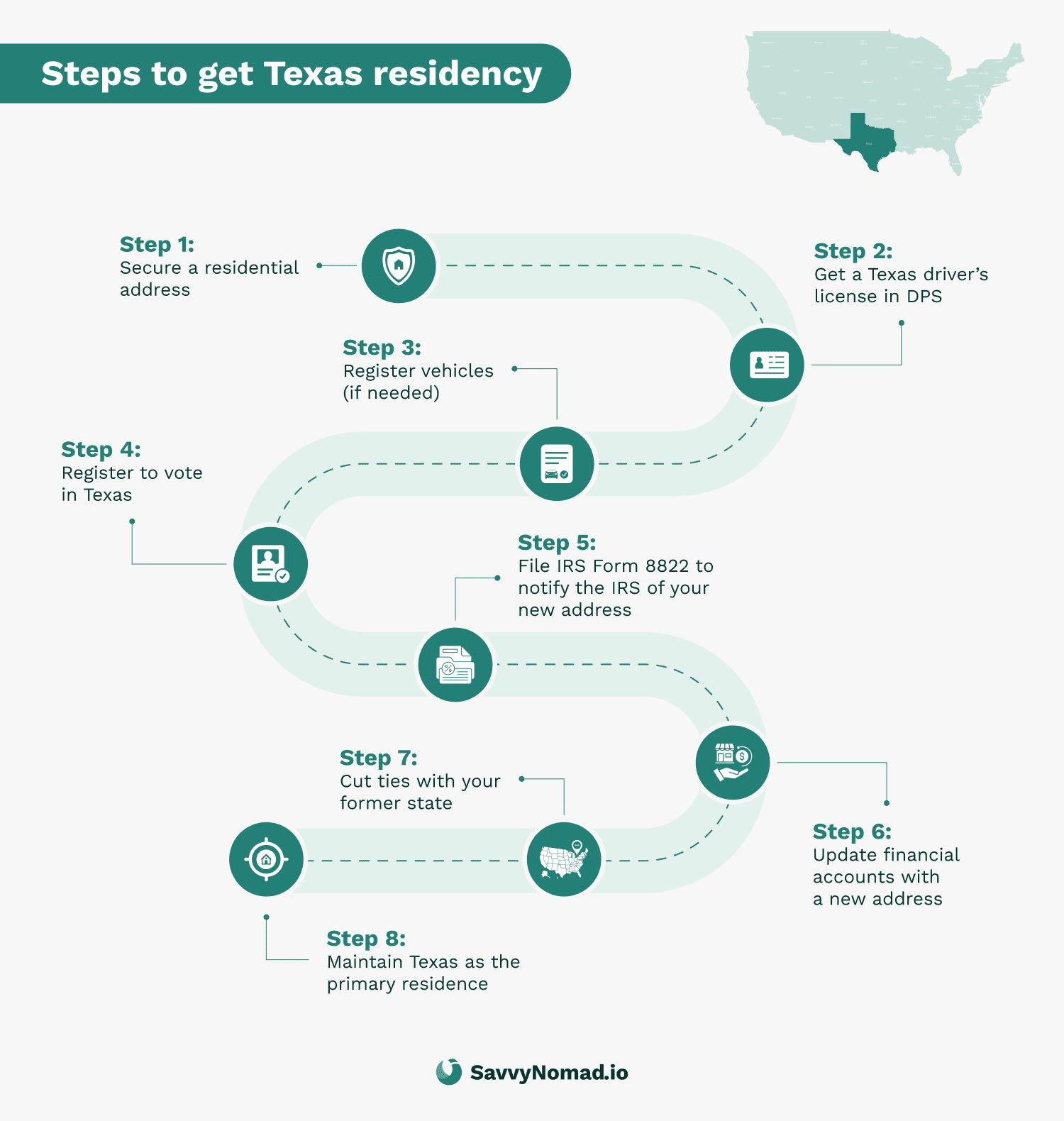
Once you’ve decided Texas is your home, a series of practical steps will help you officially establish and demonstrate your residency. These actions serve as tangible proof of your commitment to the state.
Obtaining a Texas Driver’s License or ID Card
One of the most common and effective ways to establish residency is by obtaining a Texas driver’s license or an identification card from the Texas Department of Public Safety (DPS). To do this, you will need to provide proof of identity, social security number, and Texas residency. Acceptable residency documents include utility bills, lease agreements, bank statements, or mortgage statements, all of which must show your Texas address. You will also need to surrender any out-of-state driver’s license. This process clearly signals to state authorities that you are now a Texas resident.
Registering to Vote
Registering to vote in Texas is another significant step in establishing residency. To register, you must be a U.S. citizen, a resident of Texas, at least 18 years old on Election Day, and have not been finally convicted of a felony or declared mentally incapacitated. Your voter registration card serves as official documentation of your residency in your respective Texas county. This process is managed by the county voter registrar.
Establishing a Texas Bank Account
Opening a bank account with a Texas-based financial institution can also help solidify your residency. This action demonstrates a commitment to engaging with the local economy and having a financial presence in the state. You’ll typically need proof of identity and a Texas address to open an account. Many banks will require utility bills or a lease agreement as verification of your address.
Transferring Vehicle Registration and Obtaining Texas Plates
If you own a vehicle, you will need to register it with the Texas Department of Transportation (TxDMV) and obtain Texas license plates within 30 days of establishing residency. This requires proof of Texas vehicle insurance, a valid Texas driver’s license, and evidence of ownership. You will also need to pass a vehicle inspection at a certified Texas inspection station. This process is crucial for legal operation of your vehicle in the state and is a clear indicator of residency.

Securing Employment or Enrolling in School
Actively seeking and obtaining employment in Texas is a strong indicator of your intent to reside permanently. Similarly, enrolling yourself or your children in Texas public or private schools signifies a long-term commitment to the state. For in-state tuition at Texas public colleges and universities, specific residency requirements beyond simple enrollment apply, often involving a 12-month physical presence and demonstrating financial independence, as mentioned earlier. The Texas Higher Education Coordinating Board oversees these policies.
Addressing Specific Residency Scenarios
While the general principles of residency apply to most individuals, certain situations might require a more nuanced approach.
Establishing Residency for Children
For children, residency is typically tied to that of their parents or legal guardians. If a parent or guardian establishes residency in Texas, their dependent children are generally considered residents as well, provided they live with the parent or guardian. However, for specific benefits like in-state tuition for a child who is no longer claimed as a dependent, demonstrating the child’s own independent residency in Texas might be necessary.
Residency for Military Personnel
Military personnel stationed in Texas may have specific provisions regarding residency. While being stationed in Texas does not automatically confer residency, service members can choose to establish domicile in Texas if they so desire. They will need to meet the same general requirements as civilians, including demonstrating intent to remain and establishing a physical presence. Many service members find it advantageous to claim Texas as their domicile for tax purposes and other benefits.
Residency for Retirees
Retirees looking to settle in Texas will follow the same general guidelines. The key will be demonstrating intent to make Texas their permanent home, supported by actions such as purchasing property, obtaining a Texas driver’s license, and establishing a permanent address. Texas does not have a state income tax, which can be a significant draw for retirees.
Common Pitfalls to Avoid
When establishing residency, it’s essential to be aware of common mistakes that could hinder your progress or lead to complications.
Maintaining Residency in Another State
The most significant pitfall is continuing to maintain official ties and residency in another state. This includes keeping a driver’s license from another state, continuing to vote in other states, or claiming residency for tax purposes elsewhere. You can only have one legal domicile. Once you establish residency in Texas, you should take steps to officially sever ties with your previous state of residence.
Relying Solely on Temporary Stays
While visiting Texas for extended periods is common, it doesn’t automatically translate to residency. Residency requires a demonstrable intent to make Texas your permanent home, not just a vacation destination or a temporary place to stay. This distinction is crucial for legal and official purposes.
Incomplete or Misleading Documentation
When providing documentation to state agencies, ensure all information is accurate and complete. Submitting false information or incomplete documentation can lead to delays, denial of services, and potentially legal repercussions. Always double-check that your documents clearly reflect your Texas address and intent.

Conclusion: Embracing Your Texan Life
Establishing residency in Texas is a multi-faceted process that combines demonstrating clear intent with tangible actions. By securing a permanent address, obtaining a Texas driver’s license, registering to vote, and engaging with the state’s institutions, you build a strong case for your domicile. While Texas offers a welcoming environment for new residents, understanding and diligently following these steps will ensure a smooth transition into life in the Lone Star State. Whether you’re drawn by the vibrant culture of Austin, the economic opportunities in Houston, the historical charm of San Antonio, or the vast landscapes across the state, a well-established residency is your foundation for fully embracing your new Texas life.
LifeOutOfTheBox is a participant in the Amazon Services LLC Associates Program, an affiliate advertising program designed to provide a means for sites to earn advertising fees by advertising and linking to Amazon.com. Amazon, the Amazon logo, AmazonSupply, and the AmazonSupply logo are trademarks of Amazon.com, Inc. or its affiliates. As an Amazon Associate we earn affiliate commissions from qualifying purchases.