
Embarking on a journey from the sun-drenched shores of California to the captivating land of Japan is an adventure many dream of. Whether it’s for business, exploring vibrant city life, or immersing oneself in ancient traditions, understanding the flight duration is paramount for effective trip planning. This trans-Pacific voyage spans a vast distance, making it one of the longest commercial flights globally. The precise answer to “how long is a flight to Japan from California?” isn’t a single number, but rather a range influenced by several crucial factors, from departure and arrival airports to wind currents and specific flight paths. Preparing for such a long-haul flight involves more than just booking a ticket; it requires an understanding of time zones, comfort strategies, and what to expect upon arrival. This guide delves into the specifics, helping you anticipate your travel time and make the most of your journey to the Land of the Rising Sun.
The Direct Route: Unpacking Flight Durations from California to Japan
For travelers seeking the quickest path across the Pacific, direct flights offer the most efficient way to reach Japan from California. The journey typically ranges between 9.5 to 11.5 hours for non-stop services. This duration, while significant, is a testament to modern aviation’s ability to connect continents seamlessly.
Key Departure Cities in California
California serves as a primary gateway to Asia for travelers from the United States, boasting several major international airports that offer direct services to Japan. The most prominent departure points include:
- Los Angeles International Airport (LAX): As one of the busiest airports in the world, LAX offers numerous daily direct flights to Japan. Flights from Los Angeles typically hover around the 10 to 11-hour mark to major Japanese cities.
- San Francisco International Airport (SFO): Another major hub on the West Coast, SFO also provides extensive direct connections. Flights from San Francisco are often slightly shorter than those from LAX, typically ranging from 9.5 to 10.5 hours, due to its more northerly latitude providing a slightly shorter great-circle route.
- San Diego International Airport (SAN) / Norman Y. Mineta San José International Airport (SJC): While less frequent, these airports may also offer direct or one-stop services, though direct flights are less common than from LAX or SFO.
Major Arrival Hubs in Japan
Upon reaching Japan, your plane will typically land at one of the following key international airports, each serving a major metropolitan area:
- Narita International Airport (NRT): Located outside of Tokyo, Narita has historically been the primary international gateway to the capital. Many long-haul flights from California land here.
- Haneda Airport (HND): Closer to central Tokyo, Haneda has seen a significant increase in international flights in recent years. It’s often preferred by travelers due to its convenient location.
- Kansai International Airport (KIX): Serving the Osaka metropolitan area and the historic region of Kyoto, KIX is another major arrival point for flights from California, especially for those planning to explore western Japan.
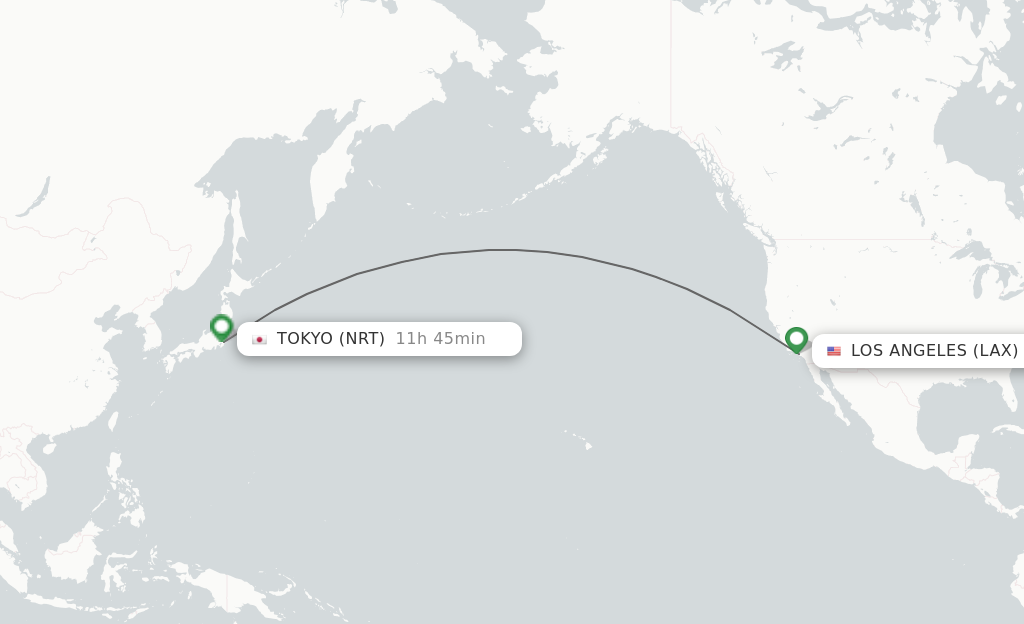
For example, a direct flight from LAX to NRT averages around 10 hours and 45 minutes, while a flight from SFO to HND might be closer to 9 hours and 50 minutes. These figures are for actual flight time and do not include taxiing, takeoff, or landing procedures.
Factors Influencing Your Trans-Pacific Flight Time
While direct flight times provide a solid estimate, several dynamic factors can subtly or significantly alter how long you’ll actually spend in the air. Understanding these variables can help set realistic expectations and even inform your flight booking decisions.
Wind Currents and Jet Streams
One of the most impactful natural phenomena affecting flight duration across the Pacific Ocean is the presence of jet streams. These high-altitude, fast-moving air currents typically flow from west to east.
- Westbound Flights (to Japan): When flying from California to Japan, aircraft are often flying against these prevailing headwinds. This means the planes must work harder and spend more time in the air to cover the distance, extending the flight duration.
- Eastbound Flights (back to California): Conversely, flights from Japan back to California typically benefit from tailwinds, riding the jet stream. This is why the return journey almost always feels (and measurably is) shorter, often by an hour or more, compared to the outbound flight. For instance, a flight from NRT to LAX might take 9.5 to 10 hours.
Aircraft Type and Speed
The type of aircraft deployed on your route also plays a role in flight time. Modern long-range aircraft are designed for efficiency and speed over vast distances.
- Common Aircraft: Airlines frequently use wide-body aircraft such as the Boeing 787 Dreamliner, Boeing 777, and Airbus A350 for trans-Pacific routes. These aircraft are known for their fuel efficiency and range, but also their optimal cruising speeds.
- Cruising Speed: While all commercial aircraft operate within a relatively narrow range of cruising speeds (typically around 550-600 miles per hour or 885-965 km/h), minor differences between models and airline operational parameters can lead to slight variations in total flight time, especially over such long distances.
Specific Flight Path and Air Traffic Control
Air traffic controllers and pilots choose flight paths that are optimized for fuel efficiency, safety, and current weather conditions.
- Great Circle Routes: Flights generally follow great-circle routes, which are the shortest distances between two points on a sphere (like Earth). These paths often appear curved on a flat map but are the most direct in three dimensions.
- Dynamic Adjustments: Pilots and air traffic control may make slight adjustments to the flight path mid-flight to avoid turbulence, navigate around storm systems, or take advantage of more favorable winds. Such deviations, while typically minor, can add a few minutes to the total travel time.
- Air Traffic Congestion: While less common for the oceanic portion, heavy air traffic around major hubs like LAX or NRT can sometimes lead to holding patterns or slower taxi times, adding to the overall journey length, though not the actual “flight time.”
Layover Considerations: The Connecting Flight Variable
For many travelers, a direct flight might not be available, or a connecting flight might be significantly cheaper. While direct flights promise the shortest actual airtime, connecting flights drastically increase the total travel time.
- Common Connecting Hubs: If you opt for a connecting flight, you might find yourself with a layover in other major North American cities like Seattle or Vancouver, or even Asian cities like Seoul (Incheon International Airport), Taipei (Taoyuan International Airport), or Hong Kong (Hong Kong International Airport).
- Total Travel Time: A connecting flight from California to Japan can easily stretch the total travel time to 15-20 hours or even more, depending on the length of the layover. While sometimes more economical, this option demands more patience and resilience from travelers. For those prioritizing time and comfort, a direct flight is almost always preferable, especially for business travel or family trips.
Navigating the Journey: From Booking to Arrival
A long-haul flight across the Pacific is a significant undertaking, and proper preparation can vastly improve the experience. From choosing the right airline to managing jet lag, smart planning makes all the difference.
Choosing Your Airline and Class of Service
Several reputable airlines offer direct flights from California to Japan, each providing varying levels of service and amenities. Major carriers include:
- Japanese Airlines: Japan Airlines (JAL) and All Nippon Airways (ANA) are consistently rated highly for their service, comfort, and authentic Japanese hospitality, even in economy class.
- U.S. Carriers: United Airlines, Delta Air Lines, and American Airlines also operate numerous direct flights, offering extensive networks.
- Other Asian Carriers: While often connecting flights, airlines like Korean Air, Asiana Airlines, EVA Air, and Cathay Pacific are known for excellent service and can be a good option if you find a connecting flight with a reasonable layover.
The class of service you choose significantly impacts your comfort and overall lifestyle experience. While economy offers budget-friendly travel, premium economy provides more legroom and enhanced services. Business and first class offer luxurious travel with lie-flat seats, gourmet dining, and superior amenities, making the long journey feel considerably shorter and more relaxing. When considering hotels and accommodation for your stay, the comfort experienced on the flight can set the tone for your entire trip.
Preparing for a Long-Haul Flight
Making an 10+ hour flight as comfortable as possible requires some foresight:
- Clothing and Comfort: Wear loose, comfortable clothing and layers, as cabin temperatures can fluctuate. A neck pillow, eye mask, and earplugs or noise-canceling headphones are essential for rest.
- Hydration and Nutrition: Drink plenty of water throughout the flight to combat dehydration. Avoid excessive alcohol and caffeine, which can disrupt sleep and worsen jet lag. Pack healthy snacks if you prefer.
- Movement: Get up and move around the cabin every couple of hours to promote circulation and prevent stiffness. Simple stretches in your seat can also help.
- Entertainment: Load your devices with movies, TV shows, music, podcasts, or e-books. While airlines offer in-flight entertainment, having your own options ensures you won’t get bored. Many airlines now offer Wi-Fi, though often at a cost.
- Sleep Strategy: Try to adjust your sleep schedule to Japan time even before you depart. Once on the plane, try to sleep when it would be nighttime at your destination.
Time Zone Differences and Jet Lag Management
The time difference between California and Japan is substantial, typically 16 hours ahead of Pacific Standard Time (PST). This means that if it’s 10 AM on Monday in California, it’s 2 AM on Tuesday in Japan. This significant leap forward in time is the primary cause of jet lag.
- Pre-Flight Adjustment: Begin shifting your internal clock a few days before departure. Gradually go to bed earlier and wake up earlier.
- Upon Arrival: The most effective strategy is to immediately adopt the local time in Japan. Expose yourself to natural light during the day, even if you feel tired, and avoid napping for too long. Try to stay awake until the local bedtime.
- Hydration and Diet: Continue to hydrate and eat light, healthy meals to help your body adjust.
- Stay Active: Gentle exercise can help regulate your sleep cycle. Many hotels offer fitness centers, which can be beneficial.
Managing jet lag is key to enjoying your travel experiences and being fully present for the local culture, food, and attractions from the moment you arrive.
Beyond the Flight: Your Japanese Adventure Awaits
Once you’ve successfully navigated the trans-Pacific journey and adjusted to the local time, a world of unforgettable experiences awaits in Japan. From the bustling neon-lit streets of Tokyo to the serene temples of Kyoto and the vibrant food scene of Osaka, Japan offers a rich tapestry of tourism opportunities.
In Tokyo, you can marvel at the iconic Shibuya Crossing, explore the historic Asakusa district, or immerse yourself in the futuristic technology of Akihabara. Beyond the cities, natural wonders like Mount Fuji and the cherry blossom landscapes of Yoshino offer breathtaking views. For history buffs, Kyoto’s Kinkaku-ji (Golden Pavilion) and thousands of other temples and shrines provide a glimpse into ancient Japan.
When planning your itinerary, consider the range of accommodation options available, from luxury resorts like the Ritz-Carlton Tokyo to traditional ryokans (Japanese inns) and modern business hotels. Booking in advance, especially during peak travel seasons, is highly recommended to secure your preferred stay. Whether you’re on a budget travel adventure or a luxury travel splurge, Japan caters to every lifestyle, making the long flight well worth the effort for the experiences that lie ahead.
Conclusion
The flight from California to Japan is a journey of significant duration, typically ranging from 9.5 to 11.5 hours for direct flights. This time commitment is influenced by factors such as departure and arrival airports, the powerful jet stream, and the specific aircraft in use. While connecting flights may offer more budget-friendly options, they considerably extend total travel time.
Thoughtful preparation, from selecting your airline and class of service to proactively managing jet lag, will undoubtedly enhance your overall travel experience. Despite the distance, the allure of Japan’s unique blend of rich culture, stunning landmarks, delicious cuisine, and vibrant cities makes the trans-Pacific flight a small price to pay for an unforgettable adventure. By understanding the intricacies of this journey, you can embark on your Japanese escapade well-informed and ready to immerse yourself in everything this incredible destination has to offer.
LifeOutOfTheBox is a participant in the Amazon Services LLC Associates Program, an affiliate advertising program designed to provide a means for sites to earn advertising fees by advertising and linking to Amazon.com. Amazon, the Amazon logo, AmazonSupply, and the AmazonSupply logo are trademarks of Amazon.com, Inc. or its affiliates. As an Amazon Associate we earn affiliate commissions from qualifying purchases.