
Texas, a state renowned for its sprawling landscapes, rich history, and vibrant culture, also offers its residents a crucial avenue to participate in the democratic process through early voting. Understanding the nuances of early voting in the Lone Star State is essential for every engaged citizen, ensuring their voice is heard before the official Election Day. This guide delves into the mechanisms, benefits, and practicalities of early voting in Texas, empowering you to cast your ballot conveniently and effectively.
The Mechanics of Early Voting in Texas
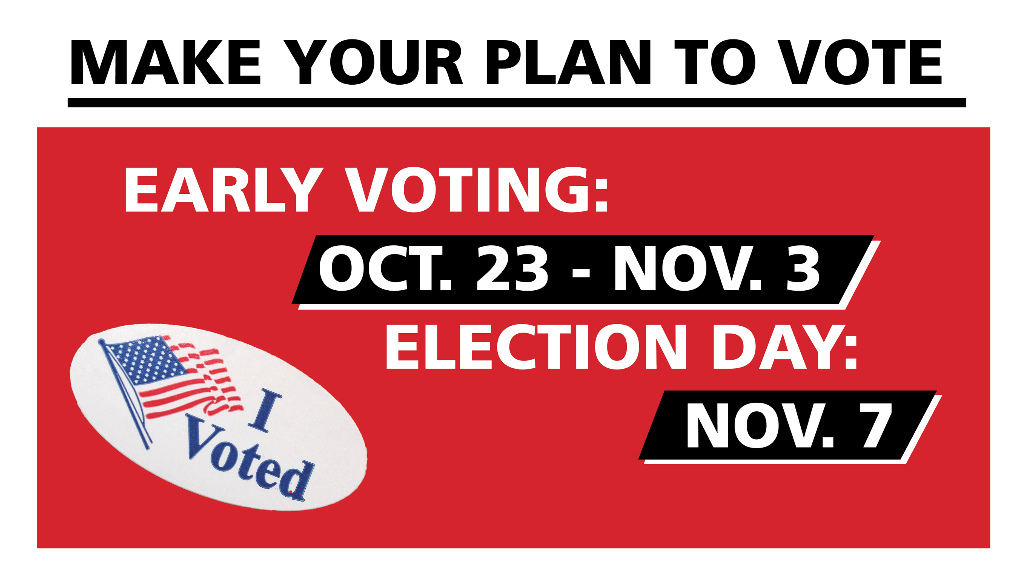
Early voting in Texas is a statutory right designed to provide voters with flexibility. It allows registered voters to cast their ballot in person at any polling place within their county during a designated early voting period, rather than being restricted to their assigned precinct on Election Day. This period typically begins the 17th day before an election and concludes the 4th day before an election. The specific dates and hours for early voting are set by state law, but local election officials determine the exact hours and locations for early voting centers within their respective counties.

Eligibility and Registration
To participate in early voting in Texas, you must be a registered voter. The deadline to register to vote is typically 30 days before an election. This means that if you wish to vote early or on Election Day, you must ensure your voter registration is active and up-to-date well in advance. You can check your voter registration status online through the Texas Secretary of State website. If you’ve recently moved or changed your name, it’s imperative to update your registration.
Understanding the Early Voting Period
The early voting period offers a window of opportunity that often spans two full weeks. It’s crucial to consult your local county election website for the precise dates and hours of operation. These hours can vary, with some locations offering extended evening hours or weekend voting to accommodate diverse schedules. The aim is to make casting a ballot as accessible as possible, recognizing that not everyone can take time off work or manage personal commitments on a single Tuesday.
Choosing Your Early Voting Location
Unlike Election Day, when you must vote at your assigned precinct, early voting allows you to cast your ballot at any designated early voting location within your county. This significantly enhances convenience, especially in larger counties like Harris County or Dallas County, where travel to a specific precinct might be time-consuming. A list of early voting locations and their hours is typically published by the county clerk or election administrator’s office. It’s advisable to familiarize yourself with these options and select a location that best suits your route or schedule.
Why Choose Early Voting?
The advantages of early voting are manifold, catering to the modern voter’s need for convenience and flexibility. It’s a strategic approach to civic participation that can alleviate common barriers to voting.
Convenience and Flexibility
The primary draw of early voting is its inherent convenience. By extending the voting period, it allows individuals to cast their ballot when it best fits their personal schedule. This is particularly beneficial for those with demanding work commitments, students, parents managing childcare, or individuals with travel plans. Instead of rushing on Election Day, you can incorporate voting into your regular routine during the early voting window.
Avoiding Election Day Crowds and Stress
Election Day can often be characterized by long lines and a sense of urgency. Early voting offers a relaxed alternative. By voting earlier, you can avoid the potential rush and ensure a more serene voting experience. This can reduce stress and make the act of voting a more pleasant and reflective experience.
Ensuring Your Vote is Counted
Life can be unpredictable. Unexpected illnesses, family emergencies, or last-minute travel disruptions can arise, potentially preventing you from reaching the polls on Election Day. By voting early, you eliminate this risk. Once your ballot is cast, it is secured and will be counted with all other votes, guaranteeing your participation regardless of unforeseen circumstances.
Participating in Local Elections
Early voting is not just for major federal or state elections. It also applies to local elections for city officials, school boards, and bond issues. These elections often have lower turnout, making each vote, especially an early vote, even more impactful. Early voting provides an accessible way for citizens to actively shape their local communities.
How to Vote Early in Texas: A Step-by-Step Guide
Navigating the early voting process in Texas is straightforward. By following these steps, you can ensure a smooth and successful voting experience.
Step 1: Verify Your Voter Registration
Before heading to an early voting location, confirm that your voter registration is active and accurate. You can do this online via the Texas Secretary of State website or by contacting your local county voter registrar’s office. Ensure your name, address, and any other demographic information are up-to-date.
Step 2: Identify Your Early Voting Options
Once you’ve confirmed your registration, the next step is to find out where and when you can vote early. Visit your county’s official election website, often managed by the County Clerk or Elections Administrator. These sites will provide comprehensive lists of all early voting locations, their operating hours, and any specific instructions or requirements. For example, in Travis County, this information is readily available on their official election portal.
Step 3: Prepare Your Identification
In Texas, voters are required to present an acceptable form of photo identification when casting a ballot. Accepted forms include:
- Texas Driver License
- Texas Election Identification Certificate
- Texas Personal Identification Card
- Texas Handgun License
- United States Military ID card with photograph
- United States Citizenship Certificate with photograph
- United States Passport
- Original or certified copy of a birth certificate (issued by the Vital Statistics office of any state, U.S. territory, or the District of Columbia)
- A college ID card with a photograph, provided it is issued by an institution of higher education located in Texas and the card contains the student’s date of birth, or a student identification number.
If you do not possess one of the first seven forms of identification, you may be able to use a college ID, provided it meets specific criteria. If you are an elderly individual (65 or older) or a person with a disability, you may present certain alternative forms of identification if you cannot obtain an acceptable photo ID. It’s always best to check the Texas Secretary of State website for the most current and complete list of acceptable forms of identification and any associated exceptions.
Step 4: Cast Your Ballot
On your chosen day during the early voting period, proceed to any of the designated early voting locations within your county. Present your acceptable photo identification to the poll worker. They will verify your registration and provide you with a ballot. Follow the instructions on the ballot carefully, marking your selections. Once completed, deposit your ballot into the designated ballot box.
Beyond the Ballot: Making the Most of Your Early Voting Experience
Early voting is more than just a procedural step; it’s an opportunity to engage more deeply with the democratic process and your community.
Researching Candidates and Issues
The extended early voting period provides ample time to research the candidates and ballot propositions you will be voting on. Many resources are available, including candidate websites, non-partisan voter guides, and local news outlets. Taking advantage of this time allows for informed decision-making, ensuring your vote reflects your values and priorities.
Discussing Elections with Your Community
With more time available, you can engage in more meaningful conversations about the election with friends, family, and neighbors. Understanding different perspectives can enrich your own understanding and encourage greater civic participation across the community.

Planning Your Early Voting Trip
Treating your early voting visit like any other outing can help integrate it into your routine. Consider combining it with other errands or activities. Perhaps visit a local coffee shop after voting or explore a nearby park. This approach can make the act of voting feel less like a chore and more like a valued part of your civic life. Many early voting centers are conveniently located in accessible areas, some even near popular attractions or dining establishments in cities like Austin or San Antonio.
Early voting in Texas is a cornerstone of accessible democracy. By understanding the process and its benefits, you can confidently exercise your right to vote, contributing to the vibrant civic fabric of the Lone Star State.
LifeOutOfTheBox is a participant in the Amazon Services LLC Associates Program, an affiliate advertising program designed to provide a means for sites to earn advertising fees by advertising and linking to Amazon.com. Amazon, the Amazon logo, AmazonSupply, and the AmazonSupply logo are trademarks of Amazon.com, Inc. or its affiliates. As an Amazon Associate we earn affiliate commissions from qualifying purchases.