
Establishing residency in Texas is a significant step for many individuals, whether they are relocating for career opportunities, seeking a more affordable lifestyle, or simply desiring a change of scenery. The Lone Star State offers a compelling mix of economic growth, vibrant culture, and a relatively lower cost of living compared to many other states. However, the process of officially becoming a resident involves more than just arriving and unpacking. Understanding the specific requirements and practical steps is crucial for a smooth transition and to fully access the benefits and responsibilities that come with Texas residency.
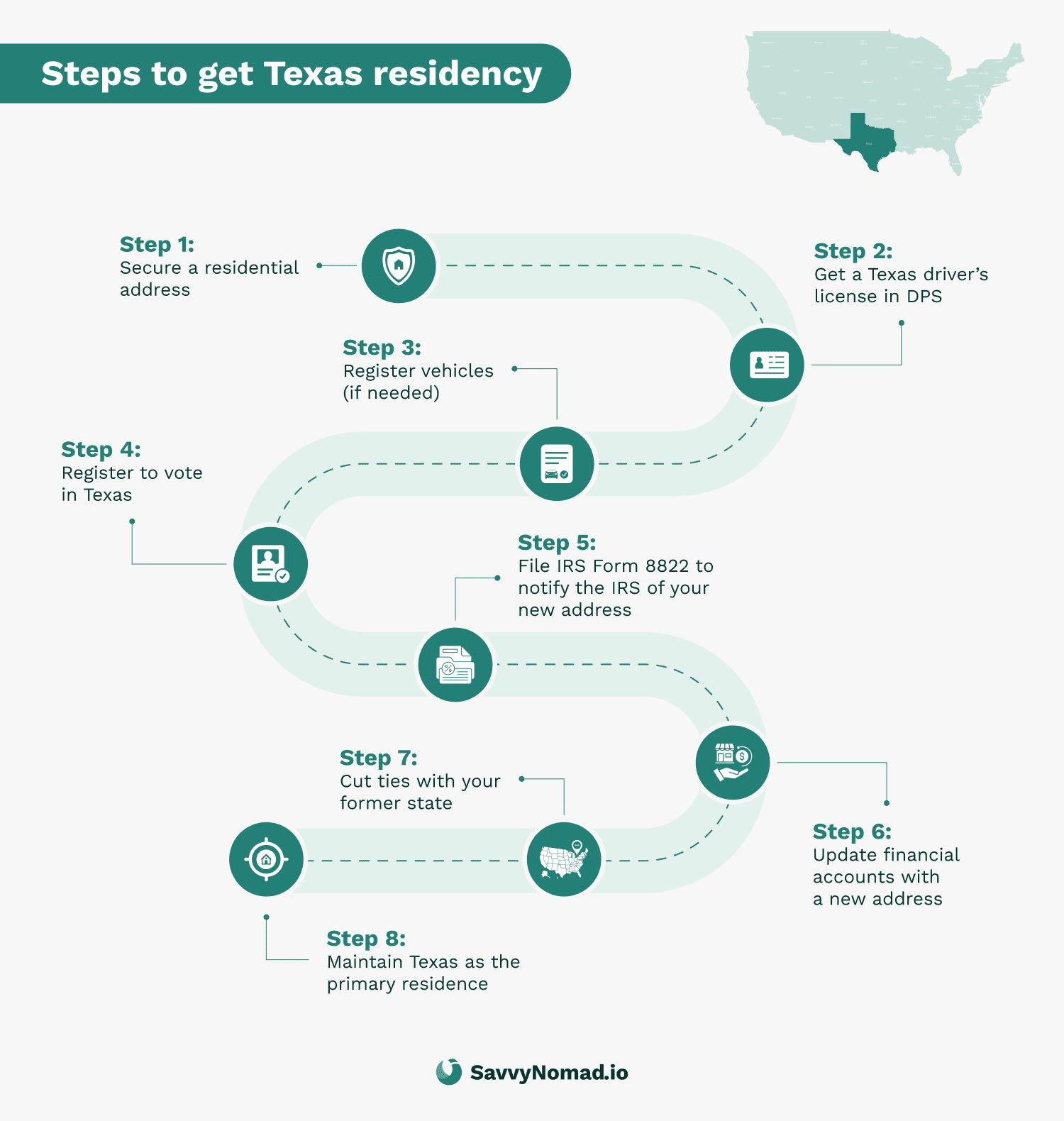
This guide delves into the multifaceted aspects of establishing residency in Texas, covering the official declarations, the practical considerations, and the nuances that define a true Texan inhabitant. Whether you’re considering a long-term stay or are already in the process of moving, this information will serve as a comprehensive resource.
Defining Residency: Legal and Practical Frameworks
At its core, establishing residency means making Texas your primary home. This is not solely determined by your physical presence but also by your intent to remain indefinitely. The state has specific legal definitions and requirements that must be met to be recognized as a resident, particularly for purposes such as voting, paying taxes, and accessing in-state tuition for educational institutions.
Legal Definitions and Intent
Texas law generally defines residency by two primary factors: physical presence and intent.
- Physical Presence: You must physically be in Texas. While there’s no strict minimum number of days required initially to claim residency, your actions must demonstrate a clear intention to live there permanently. This often involves establishing a home, conducting daily life, and generally basing yourself within the state.
- Intent to Remain: This is arguably the most critical element. You must have the genuine intention of making Texas your permanent home, not just a temporary stop. This intent is demonstrated through various actions and declarations.
Key Indicators of Intent
The state will look for consistent actions that signal your commitment to Texas. These include:
- Obtaining a Texas Driver’s License or State ID: This is a fundamental step in proving your residency. You will need to surrender your out-of-state license and pass relevant tests.
- Registering to Vote in Texas: This is a strong legal declaration of your intent to reside and participate in the state’s civic life. You must meet residency requirements before registering.
- Registering Your Vehicle in Texas: Your automobile is a significant asset, and registering it in Texas signifies your commitment to the state’s infrastructure and regulations.
- Establishing Financial Ties: Opening a Texas bank account, filing Texas income tax returns (if applicable, though Texas has no state income tax), and conducting significant financial transactions within the state can all serve as evidence.
- Securing Employment or Establishing Business in Texas: A steady job or a registered business within the state strongly indicates your intention to remain.
- Enrolling Children in Texas Schools: If you have children, enrolling them in public or private schools in Texas is a powerful indicator of long-term commitment.
- Leasing or Purchasing Property in Texas: While not always the first step, securing housing through a lease or purchase is a substantial commitment.
Avoiding Conflicting Ties
It’s crucial to sever ties with your previous state of residence. This includes:
- Not voting in any other state.
- Not claiming residency in another state for tax purposes.
- Not maintaining a driver’s license or state ID from another state.
- Not registering vehicles in another state.
Maintaining ties to another state can complicate or invalidate your claim of Texas residency.
Practical Steps to Establish Your Texas Home
Beyond the legal definitions, practically establishing yourself in Texas involves a series of actionable steps that solidify your presence and commitment to the state. These actions not only fulfill legal requirements but also help you integrate into your new community.
Securing a Permanent Address
Your physical address is the cornerstone of your residency claim.
- Leasing or Purchasing Property: Whether you rent an apartment in Austin or buy a home in Dallas, securing a long-term housing arrangement is paramount. Ensure your lease agreement or deed clearly reflects your name and the Texas address.
- Establishing Utilities: Setting up utility services such as electricity, water, and internet in your name at your Texas address is a clear indication of your habitation.
Navigating Official Documentation

Updating your identification and official records is a critical phase.
- Driver’s License or State ID: Visit a Texas Department of Public Safety (DPS) driver license office. You will need to provide proof of identity, Texas residency, and citizenship or lawful presence. This typically includes documents like a lease agreement, utility bills, or bank statements. Surrendering your out-of-state license is mandatory.
- Vehicle Registration and Title: Once you have established a Texas address and obtained a Texas driver’s license, you must register your vehicle with the Texas Department of Motor Vehicles (DMV). This involves obtaining Texas license plates and a Texas title if you previously owned the vehicle outright. Proof of Texas insurance is also required.
- Voter Registration: To vote in Texas elections, you must register. You can do this online, by mail, or in person at your local voter registrar’s office. You must be a resident of Texas and have a Texas address to register.
Financial and Employment Considerations
Demonstrating economic integration further strengthens your residency claim.
- Opening a Texas Bank Account: While not strictly mandatory for residency, opening an account with a Texas-based bank or a national bank with a significant presence in Texas can serve as supporting evidence of your establishment in the state.
- Employment Verification: If you are employed, your employer’s records will likely reflect your Texas address. If you are self-employed or starting a business, registering your business in Texas and operating from a Texas location is essential.
- Tax Implications: Texas has no state income tax, which is a significant draw for many. However, you will be subject to other state and local taxes, such as property taxes and sales taxes, once you establish residency. Ensure you are complying with all Texas tax regulations.
Special Considerations for Specific Groups
Certain individuals or circumstances may require additional attention when establishing residency in Texas. These often relate to specific legal statuses or institutional requirements.
Students and In-State Tuition
For students attending Texas public colleges and universities, establishing residency is crucial for qualifying for lower in-state tuition rates. The rules can be quite specific and often require proving that you are not in Texas solely to attend school.
- The 12-Month Rule: Generally, to qualify for in-state tuition, you must have resided in Texas continuously for at least 12 months prior to the start of the academic term.
- Demonstrating Financial Independence: For those under 24, you may need to prove that you are financially independent of your parents who do not reside in Texas. This could involve providing evidence of your own income, tax returns, and bank statements.
- Intent to Remain After Graduation: Some institutions may also consider your intent to remain in Texas after completing your studies. This can be supported by evidence of job offers, property ownership, or other strong ties to the state.
Consult the specific admissions and financial aid office of your chosen institution for the most accurate and up-to-date requirements.
Military Personnel and Dependents
Texas recognizes the unique circumstances of military personnel and their families stationed in the state.
- Active Duty Military: Members of the U.S. armed forces and their dependents stationed in Texas on military orders may be eligible for in-state tuition and other residency benefits without meeting the standard 12-month physical presence requirement. Specific documentation from the military is typically required.
- Establishing Residency After Service: Veterans who establish residency in Texas after their military service may also have specific provisions that assist them in claiming residency and accessing state benefits.
Establishing Residency for Business and Investment
For individuals looking to relocate their business or make significant investments in Texas, the residency requirements might be viewed through a slightly different lens, focusing on the establishment and operation of economic activity within the state.
- Business Registration and Operation: Registering your business entity in Texas, securing a physical office or operational space, hiring Texas residents, and paying Texas business taxes are strong indicators of residency for business purposes.
- Investment and Property Ownership: Significant real estate investments or the establishment of commercial ventures can also serve as powerful evidence of intent to reside and contribute to the Texas economy.
Maintaining Your Texas Residency
Establishing residency is not a one-time event; it requires ongoing commitment and adherence to Texas laws and regulations. Maintaining your residency status ensures you continue to benefit from the privileges afforded to Texas residents.
- Continuous Presence and Intent: While occasional travel is normal, avoid prolonged absences from Texas that could be interpreted as abandoning your residency. Continue to demonstrate your intent to remain a Texas resident through your actions.
- Renewal of Documents: Keep your Texas driver’s license, vehicle registration, and other official documents up to date. Renewals often require updated proof of residency.
- Filing Taxes Appropriately: Ensure you are filing all necessary state and local tax returns in Texas. If you have financial ties or property in other states, be meticulous in declaring your Texas residency for tax purposes.
By diligently following these guidelines, you can successfully navigate the process of establishing and maintaining your residency in the great state of Texas, allowing you to fully embrace all that Texas has to offer.
LifeOutOfTheBox is a participant in the Amazon Services LLC Associates Program, an affiliate advertising program designed to provide a means for sites to earn advertising fees by advertising and linking to Amazon.com. Amazon, the Amazon logo, AmazonSupply, and the AmazonSupply logo are trademarks of Amazon.com, Inc. or its affiliates. As an Amazon Associate we earn affiliate commissions from qualifying purchases.