
Securing a Texas state identification card, often referred to as a Texas ID, is a straightforward process designed to provide official identification for residents who may not have or choose not to use a Texas driver license. This essential document serves a myriad of purposes, from verifying your identity when opening a bank account or boarding an airplane to proving your age for certain purchases. Understanding the requirements and steps involved ensures a smooth and efficient application. This guide will navigate you through the process of obtaining your Texas state ID, highlighting what you need to bring and where to go, especially for those who might be visiting Texas for an extended period or are new residents.
Understanding the Texas State ID
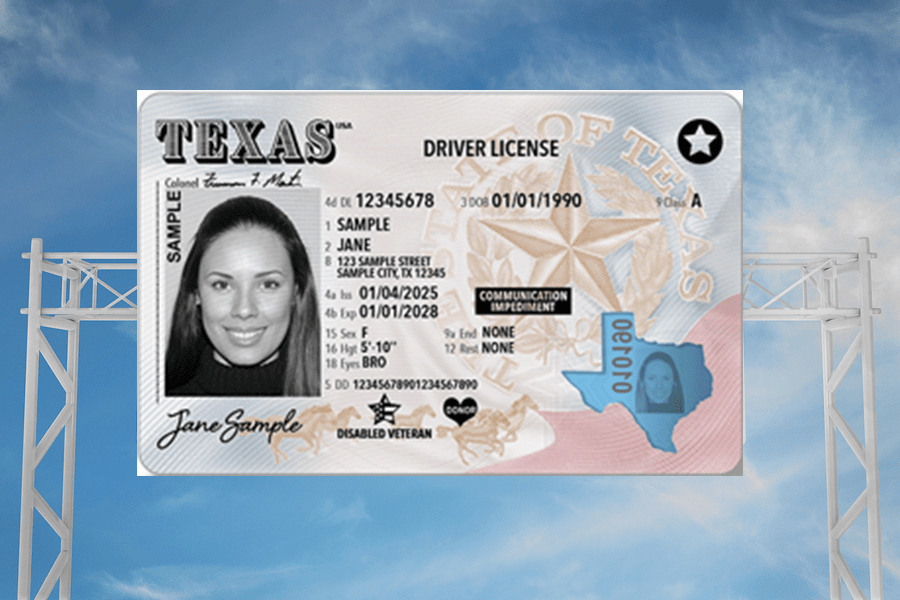
A Texas state ID card is issued by the Texas Department of Public Safety (DPS). It’s a plastic card, similar in appearance to a driver’s license, but it does not grant driving privileges. Its primary function is to serve as a government-issued photo identification. This is particularly beneficial for individuals who are not eligible for a driver’s license due to age, medical reasons, or simply personal preference. For tourists or temporary residents planning a longer stay, a state ID can be invaluable for accessing local services and ensuring you have a recognized form of identification throughout your visit. Many establishments in cities like Austin, Dallas, or Houston will accept a Texas State ID as valid proof of identity.
Who Needs a Texas State ID?
Several groups of individuals commonly apply for a Texas State ID:
- Minors: Those under 16 years old who need official identification for various activities.
- Non-Drivers: Adults who do not possess a driver’s license.
- Seniors: Older adults who may have surrendered their driver’s license or prefer a simpler form of ID.
- New Residents: Individuals who have recently moved to Texas and need a state-issued ID for local transactions.
- Tourists/Visitors: While not the primary use, visitors on extended stays might find it convenient for identification purposes, especially if their home state ID is lost or expired.
Benefits of a Texas State ID
The benefits extend beyond simple identification. A Texas ID can be used for:
- Age Verification: For purchasing alcohol, tobacco, or entering age-restricted venues.
- Banking: Opening bank accounts, cashing checks, and other financial transactions.
- Travel: Boarding domestic flights (though a passport is generally required for international travel).
- Employment: As a form of identification for employment verification.
- Accessing Services: Proving identity for government services, voting (if registered), and accessing certain facilities.
Requirements for Obtaining Your Texas State ID
The Texas DPS has specific requirements to ensure the authenticity of applicants and prevent identity fraud. These requirements revolve around proving your identity, social security number, and Texas residency. It is crucial to have all your documentation in order before visiting a Texas DPS Driver License office.
Proof of Identity
You will need to present at least one acceptable document that proves your identity. The most common and preferred documents include:
- Original or Certified Copy of a Birth Certificate: Issued by a U.S. state or territory.
- Valid U.S. Passport: Unexpired.
- U.S. Certificate of Naturalization or Citizenship: With photograph.
- Permanent Resident Card: Issued by the U.S. Citizenship and Immigration Services.
- Foreign Passport: With a valid U.S. visa and I-94.
Proof of Social Security Number (SSN)
You must provide proof of your Social Security number. Acceptable documents include:
- Social Security Card: The original card.
- W-2 Form: Issued within the last two years.
- SSA-1099 Form: Issued within the last two years.
- Paystub: With your name and SSN.
Proof of Texas Residency
You need to demonstrate that you are a resident of Texas. The DPS requires at least two documents from separate sources. These documents must be current (generally within the last 90 days, though some exceptions apply) and show your name and Texas address. Examples include:
- Utility Bills: Electricity, water, gas, or internet bills.
- Bank Statements: From a Texas financial institution.
- Lease Agreements or Mortgage Statements: For your Texas residence.
- Texas Vehicle Registration or Title: If applicable.
- Voter Registration Certificate: Issued by a Texas county.
- Property Tax Statements: From a Texas taxing entity.
- Mail from a Federal or State Agency: For example, IRS tax transcripts.
Important Note: Ensure that the address on your documents precisely matches the address you provide to the DPS. Any discrepancies can lead to delays or rejection of your application. For those new to Texas, gathering these residency documents is a key step in establishing your presence in the state.
The Application Process: Step-by-Step
Once you have gathered all the necessary documentation, the next step is to visit a Texas DPS Driver License office. It’s advisable to check the DPS website for the location nearest to you and to see if appointments are recommended or required.
Step 1: Gather Your Documents

As detailed above, meticulously collect all required documents: proof of identity, proof of SSN, and two proofs of Texas residency. Double-check that they are current and accurate.
Step 2: Visit a Texas DPS Driver License Office
Locate an office in your area. You can find a list of locations on the official Texas Department of Public Safety website. Arrive prepared, as wait times can vary. Some offices offer the option to reserve a spot online, which can save you time.
Step 3: Complete the Application Form
At the office, you will be given an Application for a Texas Identification Certificate (DL-14B). This form will ask for personal information, including your name, address, date of birth, and other relevant details. Fill it out completely and accurately.
Step 4: Present Your Documents and Undergo Verification
Hand over your completed application form and all your supporting documents to the DPS representative. They will carefully review each document to verify its authenticity and ensure it meets the DPS requirements. This verification process is critical for preventing fraud.
Step 5: Photo Capture and Signature
Once your documents are approved, you will have your photograph taken for the Texas ID card. You will also be asked to provide your signature, which will be electronically captured and printed on your ID.
Step 6: Pay the Fee
There is a fee associated with obtaining a Texas State ID. The amount can vary, so it’s best to check the current fee schedule on the DPS website. Payment is typically accepted in cash, check, or money order. Some offices may accept credit or debit cards.
Step 7: Receive Your Temporary ID and Permanent Card
After completing all the steps and paying the fee, you will be issued a temporary Texas ID card. This temporary card is valid for a specific period, usually 60 to 90 days. Your permanent Texas State ID card will be mailed to the address you provided within a few weeks.
Special Considerations for Certain Applicants
While the general process is consistent, there are a few special considerations for specific groups of applicants.
Minors (Under 16)
For applicants under 16 years of age, a parent or legal guardian must accompany them to the DPS office. The parent or guardian will need to provide proof of their own identity and their relationship to the minor (e.g., their driver’s license, a birth certificate listing them as a parent). The minor will still need to present their proof of identity and SSN.
Non-U.S. Citizens
Non-U.S. citizens will need to provide additional documentation to prove their legal presence in the United States. This typically includes a valid U.S. visa, I-94 arrival/departure record, and other immigration documents as specified by the DPS. The validity of the Texas ID card for non-U.S. citizens is usually tied to the expiration date of their legal presence documentation.
Applying for a Replacement ID
If your Texas State ID is lost, stolen, or damaged, you can apply for a replacement. The process is similar to applying for a new ID, requiring you to visit a DPS office and present proof of identity and residency. There will be a fee for the replacement card.

Tips for a Smooth Application Experience
To ensure your experience at the Texas DPS is as smooth as possible, consider these helpful tips:
- Check the Official Website: Before your visit, always consult the official Texas Department of Public Safety website for the most up-to-date information on requirements, fees, office hours, and any changes to the application process.
- Make an Appointment: If your local DPS office offers appointment scheduling, take advantage of it. This can significantly reduce your waiting time.
- Organize Your Documents: Have all your original documents and copies neatly organized and easily accessible. This will help the DPS representative process your application more efficiently.
- Arrive Early: Even with an appointment, arriving a little early can help you get settled and avoid any last-minute rushes.
- Be Prepared for Wait Times: Understand that DPS offices can be busy. Be patient and prepared to wait.
- Ask Questions: If you are unsure about any part of the process or a specific document, don’t hesitate to ask the DPS staff for clarification.
- Consider Mailing Address: Ensure the mailing address you provide is accurate and reliable, as your permanent Texas ID card will be mailed there.
Obtaining a Texas State ID is a vital step for many residents and even long-term visitors seeking a reliable form of identification. By understanding the requirements, gathering the necessary documentation, and following the outlined steps, you can successfully navigate the process and acquire this essential document. Whether you’re a new resident settling in Texas, a student at a university like the University of Texas, or simply need a non-driver identification, the Texas DPS provides a clear path to obtaining your state-issued ID.
LifeOutOfTheBox is a participant in the Amazon Services LLC Associates Program, an affiliate advertising program designed to provide a means for sites to earn advertising fees by advertising and linking to Amazon.com. Amazon, the Amazon logo, AmazonSupply, and the AmazonSupply logo are trademarks of Amazon.com, Inc. or its affiliates. As an Amazon Associate we earn affiliate commissions from qualifying purchases.