
Embarking on a new chapter, whether welcoming a newborn into the family or providing crucial care for a loved one, often brings with it a whirlwind of emotions, responsibilities, and, for many, the practical consideration of work-life balance. For residents of California, a progressive state within the United States, the concept of Paid Family Leave (PFL) offers a valuable safety net, allowing individuals to step away from their professional duties without facing complete financial hardship. But beyond the immediate practicalities, PFL in California presents a unique opportunity, especially for those with an affinity for travel and a desire to integrate these significant life events into a broader lifestyle vision.
Imagine a world where the precious weeks following a child’s birth or a critical family health event aren’t just about managing stress at home, but also about the potential for intentional, family-focused experiences. California’s PFL program, while primarily designed for financial support during absence from work, can be strategically leveraged to create memorable lifestyle moments, from extended stays in serene locales to exploring nearby attractions with a slower, more deliberate pace. This article delves into the specifics of California’s PFL duration and benefits, and crucially, explores how this program can be interwoven with travel, accommodation, and lifestyle choices, transforming what might traditionally be seen as a pause in life into an enriching, extended family adventure.
Understanding California’s Paid Family Leave (PFL) Program
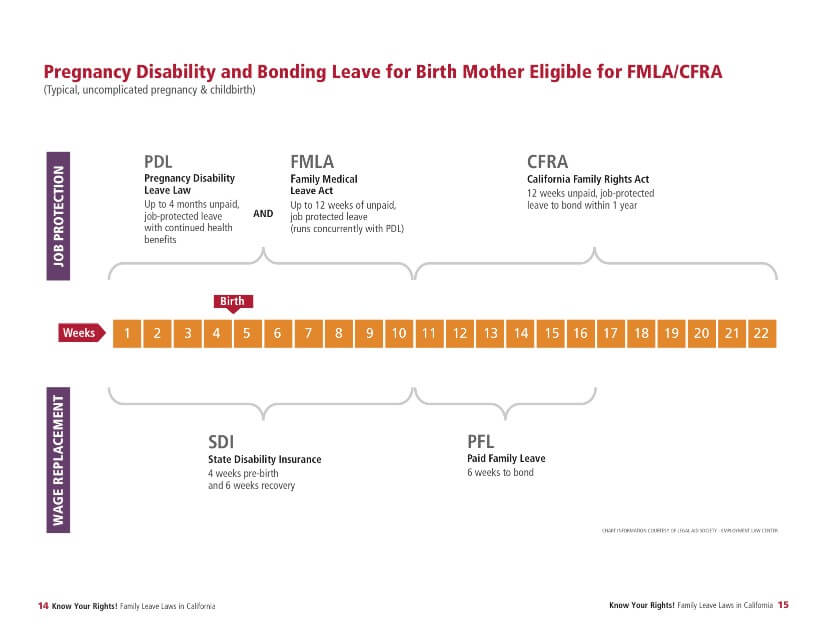
California’s Paid Family Leave program is a cornerstone of the state’s commitment to supporting its workforce and their families. It’s not just a benefit; it’s a mechanism that empowers individuals to prioritize family needs during critical times. Administered by the Employment Development Department (EDD), PFL provides partial wage replacement to eligible workers who need to take time off work for specific family-related reasons. For the discerning traveler and lifestyle enthusiast, understanding the nuances of this program is the first step in unlocking its full potential.
Eligibility for PFL is primarily tied to an individual’s contribution to California’s State Disability Insurance (SDI) program through payroll deductions. Most California workers contribute to SDI, making a significant portion of the population potentially eligible. The key reasons for taking PFL include bonding with a new child (either biological, adopted, or foster), or caring for a seriously ill family member (spouse, registered domestic partner, child, parent, parent-in-law, grandparent, grandchild, or sibling). These life events, while profound, don’t have to put a complete halt on one’s lifestyle; rather, with careful planning, they can be integrated into a new phase of family-centric living, potentially even involving a change of scenery. The financial stability offered by PFL means that a family might consider an extended stay in a comfortable resort with family-friendly amenities or a long-term rental in a new city, rather than being confined to home, allowing for a unique blend of care and exploration.
Duration of Benefits: Maximizing Your Family Time
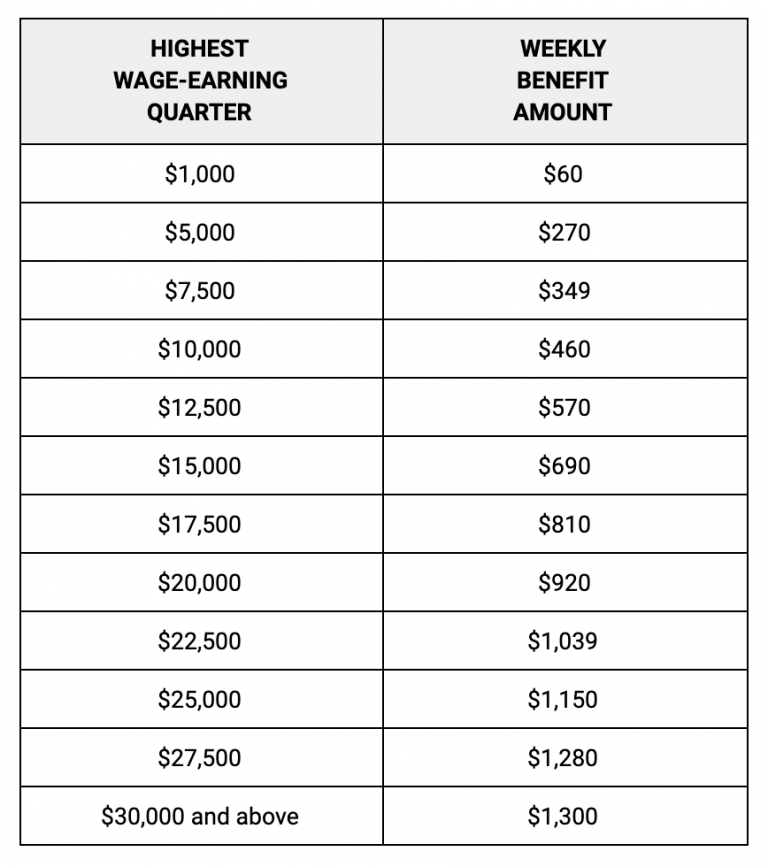
The most frequently asked question, and the heart of our discussion, is: how long is Paid Family Leave in California? Currently, eligible individuals can receive PFL benefits for up to eight weeks within any 12-month period. This eight-week duration is flexible and does not need to be taken all at once. For example, new parents might choose to take four weeks immediately after childbirth and another four weeks a few months later. This flexibility is a game-changer, especially for those looking to integrate travel or extended stays into their family leave.
Imagine using these eight weeks to truly savor a new beginning. Instead of a hurried two-week vacation, families could consider a two-month stay in a beautifully appointed apartment overlooking the ocean in San Diego, or a tranquil cabin nestled in the redwoods near Big Sur. This extended period allows for a slower pace of life, enabling deeper bonding, less rushed caregiving, and the opportunity to truly settle into a new environment. For those caring for a seriously ill family member, an eight-week window can provide critical time for recovery and support, potentially in a more conducive, calming environment away from daily stressors, such as a wellness retreat or a serviced apartment designed for comfort and accessibility. The duration isn’t just a number; it’s an opportunity for a significant lifestyle shift.
Financial Support: What to Expect While You’re Away
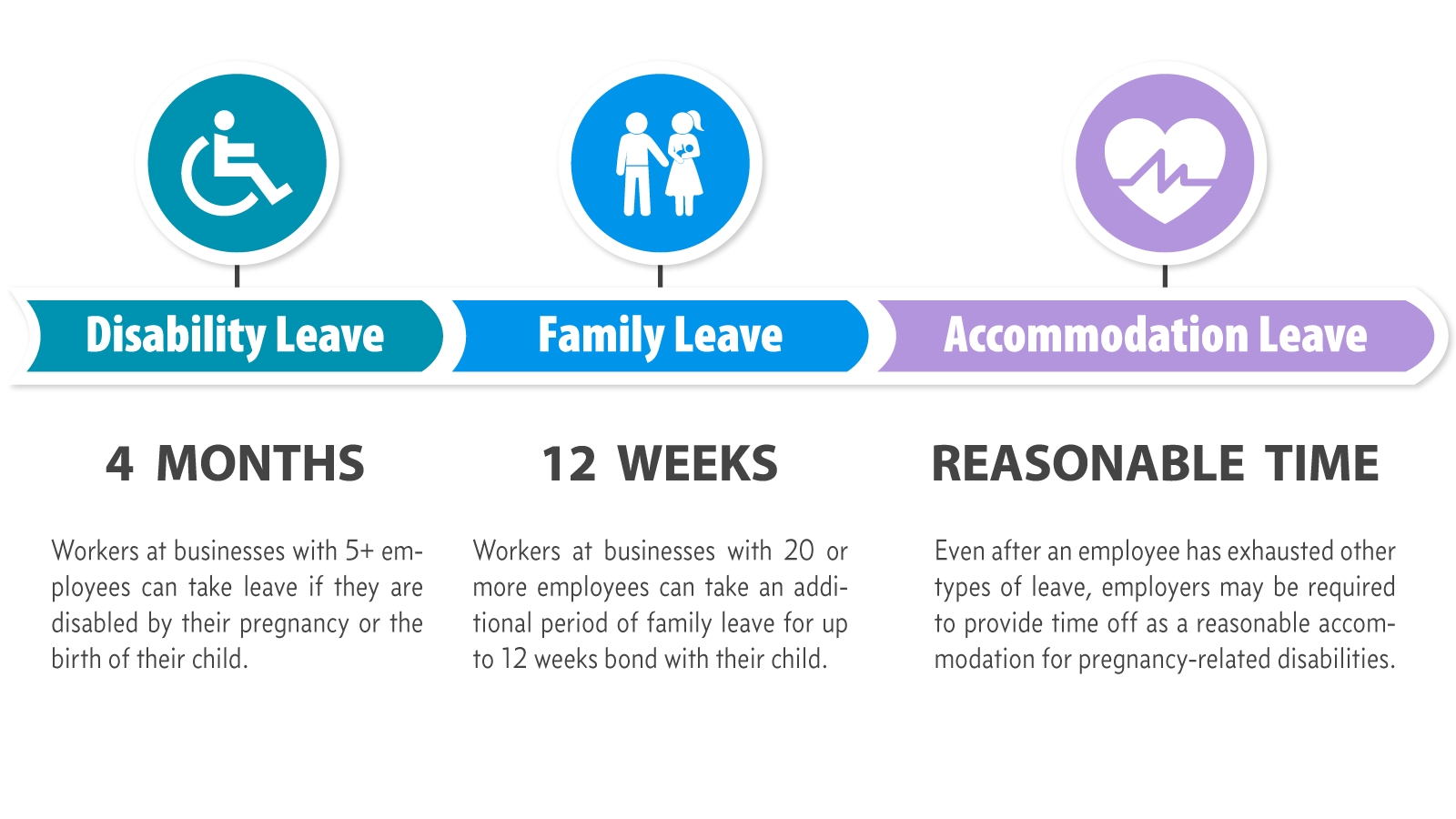
While the duration of PFL is crucial, the financial aspect is equally important for those considering how it might impact their travel and lifestyle choices. PFL provides a partial wage replacement, typically ranging from 60% to 70% of your average weekly wages earned 5 to 18 months before your claim start date, up to a maximum weekly benefit amount. As of 2024, the maximum weekly benefit is set at a generous rate, which is updated annually. This financial support is a critical enabler. It means that while your income may be reduced, it’s not eliminated, allowing for a degree of financial flexibility that makes planning for extended accommodation or even local tourism much more feasible.
This partial wage replacement ensures that taking time off for family does not have to mean a complete moratorium on life’s comforts or experiences. For a family contemplating a “babymoon” that extends into a post-birth bonding period, or an extended stay near a specialized medical facility, PFL can significantly offset accommodation costs. It opens the door to considering options beyond just the immediate home environment – perhaps a stay at a Ritz-Carlton resort for ultimate comfort during a delicate time, or a well-equipped vacation rental perfect for a family with a new addition. The financial cushion allows for decisions that prioritize well-being and enrichment, rather than solely austerity.
Navigating PFL for Travel and Lifestyle Opportunities
The true magic of California’s PFL program, when viewed through the lens of travel and lifestyle, lies in its ability to facilitate unique and profound experiences. Eight weeks is a substantial amount of time, far exceeding the typical two-week vacation, offering a chance to truly immerse oneself in a destination or a new routine.
The Freedom of Extended Family Time: Planning Your Dream Trips
The flexibility of PFL allows for a reimagining of family time. Instead of rushing back to work, families can deliberately plan for extended bonding experiences. This extended leave can be the perfect catalyst for a long-dreamed-of trip, or simply a slower pace of life in an inspiring new setting.
From Local Gems to International Escapes: Travel Planning with PFL
With eight weeks of paid leave, the possibilities for family-focused travel expand significantly. Within California itself, families can explore some of the United States’ most iconic destinations at a leisurely pace. Imagine spending a month exploring the majestic Yosemite National Park, not just for a weekend, but truly experiencing its trails, waterfalls, and wildlife over several weeks, perhaps with a young child in a carrier, enjoying the crisp mountain air. Or consider a more structured, theme-park focused experience with older children, extending a visit to Disneyland in Anaheim into a multi-week stay in a nearby serviced apartment, allowing for rest days and deeper exploration of Southern California attractions like the Santa Monica Pier or the beaches of Orange County.
For those with a more adventurous spirit, PFL can enable a slower, more deliberate approach to international travel. While immediate postpartum travel might be challenging, as a child grows slightly older (within the 12-month PFL window), families could consider an extended stay in a family-friendly destination in Mexico or Canada, or even a European city like Lisbon or Rome, settling into an apartment for a month or two. This isn’t just a vacation; it’s an opportunity for cultural immersion, a change of scenery for recovery, and profound family bonding without the pressure of a looming return to the daily grind. The Golden Gate Bridge might be a symbol of San Francisco, but PFL opens the bridge to a world of possibilities beyond it.
Accommodation Choices for Extended Family Stays
The choice of accommodation becomes paramount when planning extended stays during PFL. Traditional hotels, while offering amenities, might not always be ideal for long durations, especially with a new baby or a recuperating family member. This is where the world of vacation rentals, serviced apartments, and long-term stay options shines.
For new parents, a spacious apartment with a full kitchen, separate sleeping areas, and laundry facilities can be a lifesaver. Companies like Airbnb and VRBO offer countless options, from quaint cottages in Napa Valley to modern lofts in Los Angeles. Hotel chains like Grand Hyatt or Four Seasons often offer residences or suites designed for longer stays, providing both the comforts of home and the luxury of hotel services. When caring for an ill family member, a quiet, accessible villa with private outdoor space can significantly aid in recovery and provide a serene environment for caregivers. Exploring options in calmer areas such as Lake Tahoe or the central coast can be particularly beneficial. Budgeting for these longer stays becomes more manageable with the partial wage replacement from PFL.
Integrating PFL into a “Slow Travel” Philosophy
PFL aligns perfectly with the burgeoning trend of “slow travel” – a philosophy that emphasizes connection with local culture, people, and food, avoiding rushed itineraries. With eight weeks at your disposal, you can truly live like a local, whether that’s in a different part of California or abroad. You have the time to visit local markets, cook meals, discover hidden gems, and simply be in a place, rather than just passing through. For new families, this means the opportunity to establish routines in a new environment, allowing a baby to adjust to new sights and sounds at their own pace, or providing a stable, peaceful setting for a family member’s recovery. This slow approach to travel allows for deeper, more meaningful experiences that foster stronger family bonds and create lasting memories.
Practical Considerations for PFL and Travel Planning
While the allure of combining PFL with travel is strong, practical planning is essential to ensure a smooth and stress-free experience.
Timing Your PFL: Aligning with Travel Goals
The 12-month window for using PFL benefits offers significant strategic flexibility. New parents might choose to take their initial bonding leave immediately after birth and then save subsequent weeks for a “travel window” a few months later when the baby is a little older and travel might be easier. For caregivers, aligning PFL with a family member’s recovery timeline or a planned medical treatment in a different city is crucial. Coordinating with employers regarding the timing and duration of leave is also a key administrative step to ensure a seamless transition.
Budgeting for Travel During PFL: Balancing Income and Expenses
The partial wage replacement from PFL is a financial aid, but it’s important to budget carefully. Create a detailed financial plan that considers your reduced income against potential travel expenses such as accommodation, transportation, food, and activities. Researching budget-friendly long-term stays, utilizing loyalty points for flights or hotels, and cooking meals instead of eating out frequently can help extend your budget. For families, finding accommodations with kitchenettes or opting for vacation rentals can significantly cut down on food costs. Remember, PFL is designed to support the family during time off, and responsible budgeting ensures that this support can also extend to enriching lifestyle experiences.
Legal and Administrative Steps: Ensuring a Smooth Transition
Navigating the administrative side of PFL can seem daunting, but it’s a critical step to ensure you receive your benefits without interruption.
Applying for PFL: A Step-by-Step Guide for Peace of Mind
The application process for California PFL is managed by the EDD and typically involves submitting a claim form, along with required documentation such as a medical certificate from a healthcare provider (for caregiving) or a Statement of Relationship (for bonding). It’s advisable to apply as soon as you meet the eligibility criteria and are ready to begin your leave. The EDD website provides comprehensive guides and forms. Starting early and understanding the requirements will help prevent delays in benefit payments, providing the financial security needed for any extended lifestyle plans.
Communicating with Your Employer and Travel Providers
Transparent communication with your employer is paramount. Inform them well in advance of your intention to take PFL, discussing your planned leave dates and the eight-week allocation. This allows them to plan for your absence and potentially helps you coordinate your PFL with any employer-provided benefits, such as supplementary paid leave. If you’re planning significant travel, especially international, ensure you understand any company policies regarding travel during leave. Similarly, when booking long-term accommodation or travel, be aware of cancellation policies and consider travel insurance, especially when traveling with infants or while caring for a loved one, to protect your investment in case plans need to change.
Beyond the Benefits: The Lifestyle Impact of PFL
California’s PFL program offers more than just financial relief; it profoundly impacts the lifestyle and well-being of families.
Firstly, it significantly promotes family bonding. Eight weeks of uninterrupted time with a newborn is invaluable for parents to establish routines, understand their child’s needs, and form deep emotional connections. Similarly, being present to care for an ailing family member provides comfort, support, and ensures a better quality of life during a challenging period. The ability to do this without the immense pressure of lost income changes the entire experience.
Secondly, PFL enables unique travel experiences. It transforms traditional short vacations into opportunities for extended stays, slow travel, and deeper cultural immersion. A family might discover the tranquil beauty of Mendocino while caring for a parent, or bond with a newborn during a month-long stay near Lake Tahoe. These aren’t just trips; they are integrated lifestyle choices that leverage the PFL benefit to create truly memorable and restorative periods.
Finally, PFL represents a progressive step towards a more family-friendly society. As more states and countries adopt similar policies, the future of travel will likely see an increase in demand for longer-term family accommodations, kid-friendly activities, and travel services catering to parents with infants or individuals traveling for caregiving. California’s model demonstrates that supporting families through paid leave can lead to healthier, happier communities and more enriching personal lifestyles, encouraging a “life out of the box” approach where significant life events can be embraced with both care and adventure.
LifeOutOfTheBox is a participant in the Amazon Services LLC Associates Program, an affiliate advertising program designed to provide a means for sites to earn advertising fees by advertising and linking to Amazon.com. Amazon, the Amazon logo, AmazonSupply, and the AmazonSupply logo are trademarks of Amazon.com, Inc. or its affiliates. As an Amazon Associate we earn affiliate commissions from qualifying purchases.