
Navigating the process of obtaining a learner’s permit in Texas is a significant milestone for aspiring young drivers. This crucial first step opens the door to the freedom and independence that comes with driving. However, the Texas Department of Public Safety (DPS) has specific requirements and procedures that must be followed meticulously. This guide will walk you through each stage, ensuring a smooth and successful application for your learner’s permit.
Understanding the Eligibility Requirements
Before embarking on the application journey, it’s essential to confirm that you meet the fundamental eligibility criteria set forth by the Texas Department of Public Safety. These requirements are designed to ensure that applicants are adequately prepared for the responsibilities of learning to drive.

Age and Residency
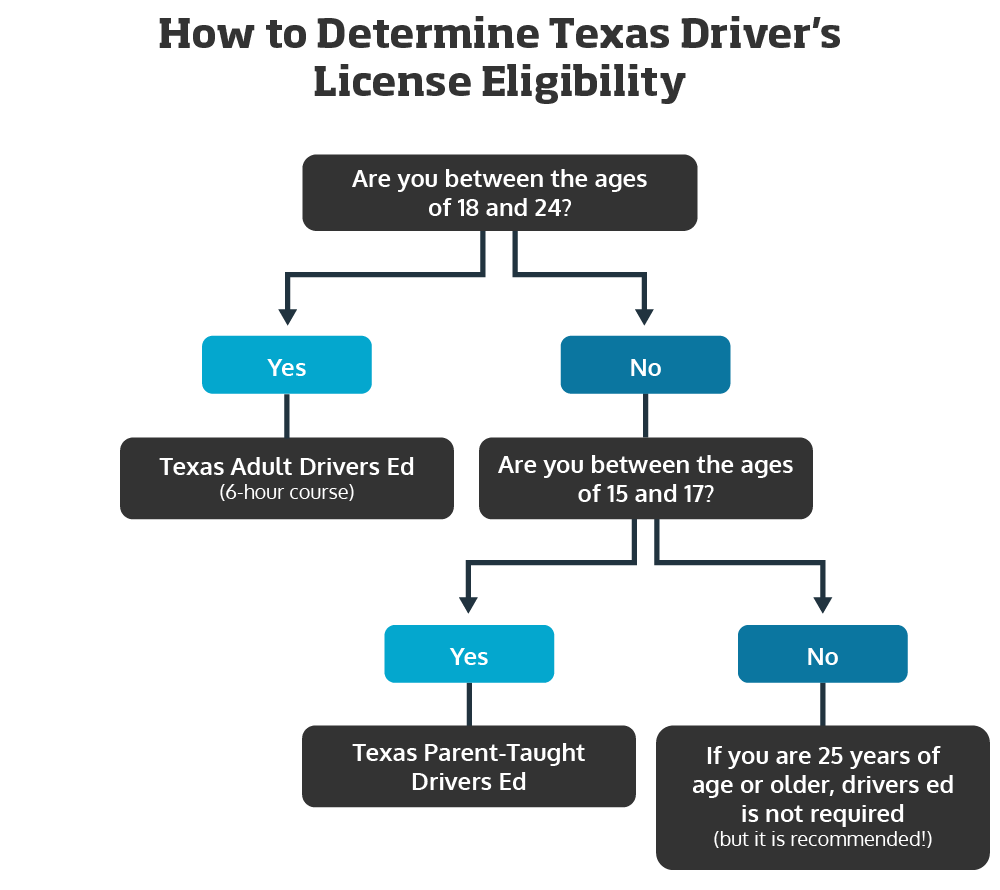
The most primary requirement is age. To be eligible for a learner’s permit in Texas, you must be at least 15 years old. However, if you are under 18, you must also complete a state-approved driver education program. This dual requirement emphasizes both age appropriateness and foundational driver education. Proof of residency within Texas is also a critical component. Accepted forms of documentation typically include utility bills, bank statements, or school records showing your address.
Driver Education Program
For applicants under 18 years of age, enrollment in and completion of an approved driver education program is mandatory. This program provides essential knowledge about traffic laws, safe driving practices, and the risks associated with driving. The program can be completed through various avenues:
- High School Driver Education: Many high schools offer driver education courses as part of their curriculum.
- Commercial Driving Schools: Numerous private driving schools across Texas are licensed by the state to provide driver education.
- Parent Taught Driver Education (PTDE): This option allows a parent or legal guardian to teach the driver education course, provided they meet specific requirements and complete the necessary instructor training course.
Regardless of the chosen method, ensure the program is certified by the Texas Department of Licensing and Regulation (TDLR). Upon successful completion, you will receive a certificate of completion, which is a vital document for your permit application.
Preparing for the Knowledge Test
The learner’s permit knowledge test, also known as the “written test,” assesses your understanding of Texas traffic laws, road signs, and safe driving principles. Thorough preparation is key to passing this examination.
The Official Texas Driver Handbook
The cornerstone of your preparation should be the official Texas Driver Handbook. This comprehensive guide, published by the Texas Department of Public Safety, contains all the information you need to pass the knowledge test. It covers topics such as:
- Traffic laws and regulations
- Road signs and signals
- Safe driving techniques
- What to do in case of an accident
- Driving under the influence (DUI) laws
You can download the latest version of the handbook from the official Texas DPS website or pick up a physical copy at any driver license office. Dedicate ample time to reading and understanding each section.
Practice Tests and Resources
To gauge your readiness and familiarize yourself with the test format, utilize practice tests. Many reputable websites offer free Texas learner’s permit practice tests. These often mimic the structure and types of questions found on the actual exam, allowing you to identify areas where you need further study. Some driver education programs also provide practice tests as part of their curriculum.
Gathering the Required Documentation
Before you head to the Texas Driver License office, it is imperative to gather all the necessary documentation. Missing even one item can lead to a denied application and the need to reschedule. The exact requirements can vary slightly, so it is always advisable to check the official Texas DPS website for the most up-to-date list. However, generally, you will need:
Proof of Identity and Citizenship
You will need to provide documents that verify your identity and U.S. citizenship or legal presence in the United States. Acceptable documents may include:
- U.S. Birth Certificate: An original or certified copy.
- U.S. Passport: A valid U.S. passport.
- Permanent Resident Card: A valid I-551 or I-551(ADC) card.
- Employment Authorization Document: A valid I-766 card.
Proof of Social Security Number
You must provide proof of your Social Security number. This can be a Social Security card or a W-2 form that clearly displays your SSN.
Proof of Texas Residency
As mentioned earlier, proof of your residency in Texas is required. This can be demonstrated with documents such as:
- Utility bills (electricity, gas, water) in your name and current.
- Bank statements.
- School transcripts or records.
- Lease agreements or mortgage statements.
Certificate of Driver Education Completion
If you are under 18, you must present your original Certificate of Completion for a driver education program. Ensure it is from a certified provider and properly signed.
Parental or Guardian Consent
For applicants under 18, a parent or legal guardian must be present to provide consent for the application and sign the required forms. If a parent or guardian cannot be present, a notarized Affidavit of Parental Consent for Minor is required.
The Application Process at the Driver License Office
Once you have all your documents in order and have prepared for the knowledge test, the next step is to visit a Texas Driver License office. It’s wise to arrive early, as offices can become busy, and appointments may be recommended or required for certain services.
The Application Form and Fees
Upon arrival, you will be given an application form to complete. Ensure all information is filled out accurately and legibly. You will also be required to pay the applicable learner’s permit fee. The exact fee can change, so it’s best to check the Texas DPS website for the current cost.
The Vision Test
A mandatory vision test will be conducted at the office. You must demonstrate that you meet the minimum vision requirements for driving. If you wear corrective lenses (glasses or contact lenses), you should wear them during the test, and a restriction will be placed on your permit indicating the need to wear them while driving.
The Knowledge Test
This is the culmination of your preparation. You will be administered the knowledge test, typically on a computer. The test consists of multiple-choice questions based on the driver handbook. A passing score is required to move forward. If you do not pass on the first attempt, you will usually be allowed to retake it after a waiting period.
Receiving Your Learner’s Permit
Upon successfully passing the knowledge test, completing all paperwork, and having your documents verified, you will be issued your learner’s permit. This permit will be mailed to you, usually within a few weeks. In the meantime, you may receive a temporary permit that allows you to begin practicing driving under the supervision of a licensed adult.
Understanding the Restrictions of a Learner’s Permit
A learner’s permit is not a full driver’s license; it comes with specific restrictions designed to ensure safety during the learning process. It is crucial to understand and adhere to these rules to avoid violations and to gain valuable driving experience responsibly.
Supervision Requirements
The most significant restriction is the requirement for supervision. A learner’s permit holder must always be accompanied by a licensed driver who is at least 21 years old and holds a valid Texas driver’s license. This supervising driver must occupy the front passenger seat.
Time and Passenger Restrictions
Depending on the age of the permit holder and whether they have completed a driver education program, there may be additional restrictions on when and with whom they can drive. For instance, individuals under 18 might have curfews or limitations on the number of passengers they can carry. Always consult the specific regulations applicable to your age group.

Practicing Driving
The primary purpose of a learner’s permit is to gain supervised driving experience. You will need to log a minimum number of practice hours, including a specific number of hours at night, as part of your driver education requirements. Keep a detailed log of your practice sessions.
Obtaining a learner’s permit in Texas is a structured process that requires attention to detail and diligent preparation. By understanding the eligibility criteria, gathering the correct documentation, and studying thoroughly for the knowledge test, you can navigate this exciting step towards becoming a licensed driver with confidence. Remember to always drive responsibly and adhere to all permit restrictions.
LifeOutOfTheBox is a participant in the Amazon Services LLC Associates Program, an affiliate advertising program designed to provide a means for sites to earn advertising fees by advertising and linking to Amazon.com. Amazon, the Amazon logo, AmazonSupply, and the AmazonSupply logo are trademarks of Amazon.com, Inc. or its affiliates. As an Amazon Associate we earn affiliate commissions from qualifying purchases.