
Texas, a state known for its vast landscapes, rich history, and independent spirit, also offers a unique and flexible environment for families choosing to homeschool. The Lone Star State provides a framework that balances parental rights with educational accountability, allowing for a diverse range of homeschooling philosophies and approaches. Whether you’re a long-time Texan resident or considering a move to the state with your family, understanding the nuances of homeschooling in Texas is key to a successful and enriching educational journey.
This guide delves into the legal requirements, practical considerations, and the vibrant homeschooling community that makes Texas a compelling choice for home educators. We will explore how to get started, navigate the necessary paperwork, and tap into the wealth of resources available to ensure your children receive a high-quality education tailored to their individual needs and interests. From the rolling hills of the Texas Hill Country to the bustling energy of Houston, the opportunities for learning and exploration are as boundless as the state itself.

Navigating the Legal Landscape of Homeschooling in Texas
Texas stands out for its favorable homeschooling laws, which are rooted in the principle of parental authority. Unlike many states that require extensive curriculum approval or standardized testing, Texas offers a relatively hands-off approach, making it an attractive option for families seeking autonomy in their educational choices.
Understanding the Texas Education Code
The Texas Education Code, specifically Section 21.033, defines a “private school” as an establishment that provides “elementary or secondary academic education.” Crucially, homeschooling is recognized as a form of private education in Texas, meaning that homeschoolers are not subject to the same regulations as public schools.
There are no specific notice requirements to the state when you begin homeschooling. You do not need to register with the Texas Education Agency (TEA), nor do you need to file an affidavit of intent. This freedom allows families to initiate their homeschooling journey without bureaucratic hurdles.
Key Requirements for Texas Homeschoolers
While Texas offers significant freedom, there are a few fundamental requirements that all homeschooling families must adhere to:
- Curriculum: Instruction must be in English and must be in subjects commonly taught in public schools, such as math, science, English language arts, and social studies. The specific curriculum and teaching methods are entirely up to the parents.
- Compulsory Attendance: Children must attend school from the age of 6 to 18. If you are homeschooling, you are fulfilling this requirement.
- Student Records: While not mandated to be submitted to the state, homeschool parents are required to maintain records of their child’s academic progress. This typically includes attendance records, subject matter covered, and assessments of student achievement. The level of detail in these records is determined by the parents.
- Competent Instruction: The law implies that the instruction provided should be in a “bona fide educational setting.” This generally means that instruction should be consistent and with the intention of educating the child.
Avoiding Misconceptions
It is a common misconception that Texas requires standardized testing for homeschoolers. The state does not mandate any specific tests for homeschool students, though parents may choose to administer them for their own assessment purposes. Similarly, there is no requirement for homeschool parents to hold specific teaching certifications. The primary qualification is a commitment to providing a quality education.
Building Your Homeschooling Framework
With the legal groundwork laid, the exciting part of building your homeschooling program begins. Texas’s flexible environment allows for a wide array of approaches, from structured, academic curricula to more relaxed, interest-led learning.
Choosing Your Educational Philosophy
The first step is to identify the educational philosophy that best suits your family’s values and your child’s learning style. Common approaches include:
- Traditional/Classical Education: Emphasizes a structured curriculum, often with a focus on core academic subjects, literature, and historical studies. This approach may involve textbooks, workbooks, and a defined scope and sequence.
- Unschooling: Child-led learning where education emerges naturally from the child’s interests and experiences. Parents act as facilitators, providing resources and opportunities for exploration.
- Charlotte Mason Method: Focuses on “living books,” nature study, handicrafts, and short, engaging lessons. It prioritizes building character and a love for learning.
- Waldorf Education: Emizes holistic development, integrating arts, music, and movement with academic subjects, often with a delayed introduction to formal reading and writing.
- Eclectic Approach: Combines elements from various philosophies to create a customized educational experience. This is a very popular choice among Texas homeschoolers, allowing for adaptation as a child grows and their needs evolve.
Curriculum Selection and Resources
Texas offers a vast marketplace of curriculum providers, both online and offline. When selecting a curriculum, consider:
- Your child’s learning style: Does your child thrive with hands-on activities, independent reading, or direct instruction?
- Your teaching style: What methods are you most comfortable and effective with?
- Your budget: Curricula can range from free printable resources to comprehensive, paid programs.
- Your state’s requirements: While flexible, ensure the chosen curriculum covers the core subjects expected in a K-12 education.
Online Resources: Many websites offer free or affordable educational materials, lesson plans, and printables. Platforms like Khan Academy provide a comprehensive suite of subjects, and numerous homeschool-specific sites offer curated resources.
Textbooks and Workbooks: Traditional publishers offer a wide range of textbooks and workbooks for all grade levels and subjects. These can be purchased through online retailers or specialized educational supply stores.
Local Libraries: Your local public library is an invaluable, free resource for books, research materials, and often, educational programs and events.
Creating a Homeschooling Environment
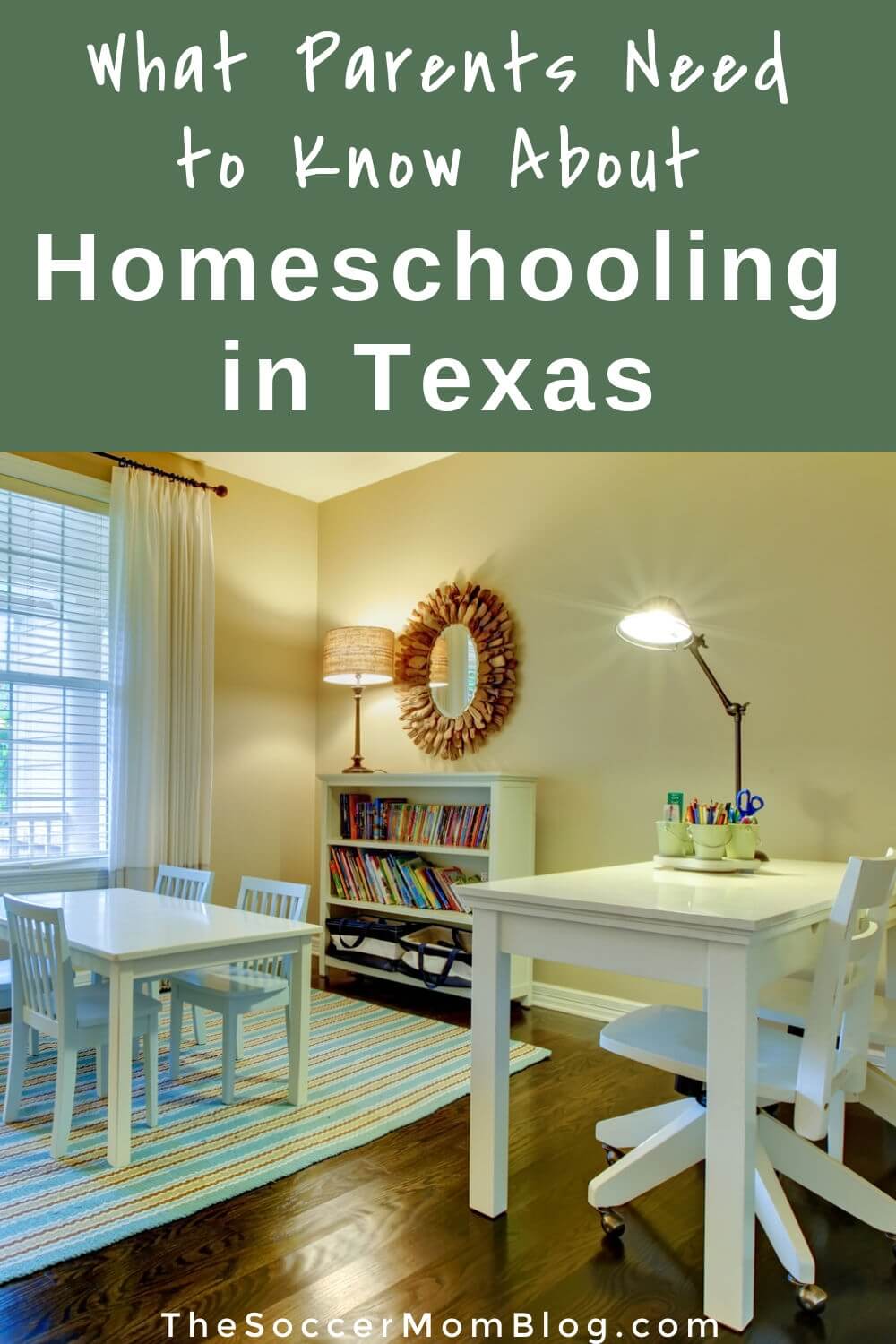
Your “classroom” can be anywhere in your home. It could be a dedicated study room, a corner of the living room, or even the kitchen table. The key is to create an environment conducive to learning, free from unnecessary distractions.
- Organization: Implement a system for organizing books, supplies, and completed work. This helps both you and your child stay on track.
- Routine: While homeschooling offers flexibility, establishing a general routine can provide structure and predictability, which is beneficial for most children. This doesn’t mean rigid schedules, but rather consistent times for learning, breaks, and activities.
- Learning Spaces: Designate different areas for different types of learning. A quiet corner for reading, a table for hands-on projects, or an area for physical activity can enhance the learning experience.
Connecting with the Texas Homeschooling Community
One of the most significant advantages of homeschooling in Texas is the robust and supportive community. Connecting with other homeschooling families can provide invaluable resources, encouragement, and opportunities for socialization and enrichment.
Homeschooling Groups and Co-ops
Texas is home to numerous local homeschooling groups and cooperatives. These groups often:
- Organize field trips: Explore local museums, historical sites like the Alamo, and natural attractions.
- Host co-op classes: Parents with particular expertise can teach classes to a group of children, sharing the teaching load and offering specialized subjects.
- Provide support and advice: New homeschoolers can gain practical tips and emotional support from experienced families.
- Facilitate social interaction: Organize park days, holiday parties, and study groups for homeschooled children.
Searching online for “[city name] homeschool group” or “[county name] homeschool co-op” is a great way to find local organizations. Many of these groups have active social media pages or websites.
State and Regional Organizations
Beyond local groups, several state and regional organizations advocate for homeschooling rights and provide resources:
- Texas Homeschool Coalition (THSC): A leading advocacy group that provides information on legal rights, educational resources, and hosts annual conventions. They are a primary source for understanding legislative updates and ensuring homeschool freedoms are protected.
- Homeschool Legal Defense Association (HSLDA): While not Texas-specific, HSLDA offers legal support and resources for homeschool families across the country, including Texas. Their membership can provide peace of mind regarding legal compliance.
Socialization and Extracurricular Activities
A common concern for new homeschoolers is socialization. In Texas, this is easily addressed through active participation in the homeschooling community and by leveraging the state’s diverse offerings.
- Homeschool Sports Leagues: Many communities have homeschool sports teams for various ages and sports, providing opportunities for athletic development and teamwork.
- Arts and Music Programs: Homeschoolers can participate in local theater groups, community bands, or private music lessons.
- Volunteer Opportunities: Engaging in community service allows children to interact with a wide range of people and develop a sense of civic responsibility.
- Part-time Enrollment in Public Schools: In some cases, homeschoolers may be eligible to participate in certain extracurricular activities or take specific classes at local public schools, subject to district policies.
- Community Events: Attending local festivals, farmers’ markets, and library programs provides organic opportunities for social interaction.
Exploring Texas Through a Homeschooling Lens
Texas is not just a place to live; it’s a living, breathing classroom. The state’s rich tapestry of history, diverse geography, and vibrant culture offer endless opportunities for experiential learning.
Historical Exploration
Texas’s history is a captivating narrative of Native American heritage, Spanish exploration, the Texas Revolution, and its growth into a major American state.
- The Alamo and San Antonio Missions National Historical Park: Immerse yourselves in the pivotal events of the Texas Revolution and explore the well-preserved Spanish colonial missions.
- Historic Texas Cities: Wander through the historic districts of Galveston, Austin, and Fort Worth to learn about architecture, local history, and influential figures.
- Presidential Libraries: Visit the George H.W. Bush Presidential Library and Museum in College Station for a look at recent American history.
Natural Wonders and Science Education
From the Gulf Coast to the West Texas desert, Texas boasts incredible natural diversity that serves as a hands-on laboratory for science education.
- Big Bend National Park: Explore the dramatic desert landscapes, rugged mountains, and the Rio Grande, offering unparalleled opportunities for geology, ecology, and environmental science studies.
- Texas State Parks: Explore parks like Palo Duro Canyon State Park for geological formations or Mustang Island State Park for coastal ecosystem studies.
- Museums and Science Centers: Cities like Dallas and Houston feature world-class science museums and planetariums that can supplement classroom learning.
Arts, Culture, and Culinary Adventures
Texas’s cultural landscape is a fusion of traditions, evident in its music, art, and renowned cuisine.
- Music Scene: Explore the live music venues in Austin, the “Live Music Capital of the World,” or delve into the history of country music in the Texas Hill Country.
- Art Museums: Visit renowned institutions like the Kimbell Art Museum in Fort Worth or the Museum of Fine Arts, Houston.
- Culinary Exploration: Embark on a culinary tour of Texas, from authentic Tex-Mex and BBQ to diverse ethnic cuisines found in major cities. This offers practical lessons in geography, culture, and economics.
Homeschooling in Texas is an adventure in itself, offering the freedom to tailor education to your child’s unique journey while immersing them in the rich experiences the state has to offer. By understanding the legal framework, embracing the supportive community, and leveraging the abundant resources, families can create an educational experience that is both effective and deeply rewarding.
LifeOutOfTheBox is a participant in the Amazon Services LLC Associates Program, an affiliate advertising program designed to provide a means for sites to earn advertising fees by advertising and linking to Amazon.com. Amazon, the Amazon logo, AmazonSupply, and the AmazonSupply logo are trademarks of Amazon.com, Inc. or its affiliates. As an Amazon Associate we earn affiliate commissions from qualifying purchases.