
The question of “How far is Arlington, Texas to Dallas, Texas?” is a common one for those planning a visit or navigating the vibrant Dallas-Fort Worth Metroplex. While often perceived as distinct cities, their proximity makes them integral parts of a larger metropolitan area, offering a wealth of diverse experiences. Understanding the distance and travel times between these two key hubs is crucial for optimizing any itinerary, whether you’re a tourist seeking iconic attractions, a business traveler on a tight schedule, or a local exploring neighboring communities.
The physical distance between Arlington and Dallas is remarkably short, fostering a seamless integration of their offerings. This closeness facilitates easy day trips, convenient commutes, and the ability to enjoy the best of both urban centers without significant travel disruption. The primary consideration for travelers is not just mileage but also the impact of traffic, particularly during peak hours, which can influence the perceived travel time.
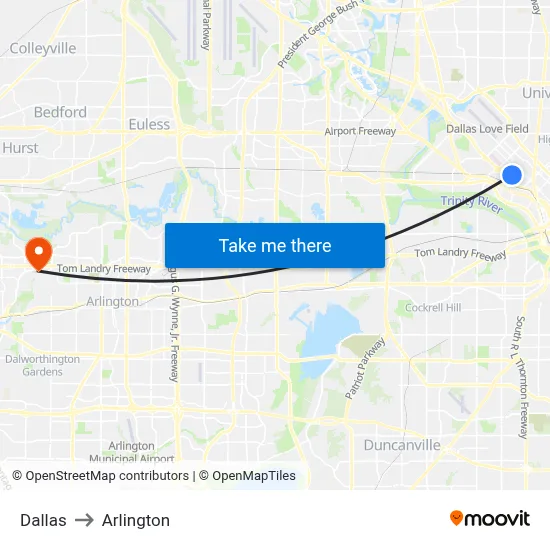
Navigating the Route: Distance and Driving Times
The most direct route between Arlington and Dallas typically involves traversing major highways that are well-maintained and designed to handle substantial traffic flow. The general distance is approximately 20 to 25 miles, depending on the specific starting and ending points within each city. For instance, traveling from the heart of Arlington, perhaps near the AT&T Stadium, to downtown Dallas will measure differently than a journey from the eastern edge of Arlington to the western edge of Dallas.
Driving by Car
When driving by car, the estimated travel time can range from 25 minutes to an hour. This variation is heavily influenced by several factors:
- Time of Day: Commuting during rush hour (typically 7-9 AM and 4-6 PM on weekdays) can significantly increase travel time due to congestion on highways like I-30 and SH 183. Conversely, traveling outside of these peak times can result in a much quicker journey.
- Day of the Week: Weekends might experience less predictable traffic patterns, with potential for delays related to events at sports venues or popular attractions.
- Route Chosen: While I-30 is a common and direct artery, alternative routes or minor detours might be necessary depending on real-time traffic conditions or personal preference. Navigation apps are invaluable tools for identifying the fastest routes and anticipating potential slowdowns.
- Road Conditions and Construction: Like any major metropolitan area, the Dallas-Fort Worth Metroplex can experience road construction or unexpected incidents that impact traffic flow. Staying updated through real-time traffic reports is always advisable.
For a typical trip under moderate traffic conditions, one can expect the drive to be around 30-45 minutes. This makes day trips and exploring multiple venues feasible and convenient.
Public Transportation Options
While driving is the most common mode of transport between Arlington and Dallas, public transportation is becoming increasingly accessible, albeit with longer travel times. The primary public transit providers in the region are the Dallas Area Rapid Transit (DART) and the Trinity Railway Express (TRE).
- Trinity Railway Express (TRE): The TRE is a commuter rail line that connects Dallas and Fort Worth, with a convenient stop in Arlington at the Centreport Station. From this station, travelers can then connect to other DART services to reach various parts of Dallas. The journey time via TRE and subsequent connections can extend to 1.5 to 2 hours, depending on wait times for transfers.
- Bus Services: Local bus routes may offer connections between the two cities, but these are generally the slowest option and may involve multiple transfers. They are best suited for those with ample time and a desire to experience local transit.
For travelers prioritizing efficiency, driving or utilizing ride-sharing services remains the most practical choice for inter-city travel between Arlington and Dallas.
Exploring the Destinations: What to See and Do
The short distance between Arlington and Dallas means that visitors can easily experience the unique attractions of both. Arlington is renowned for its world-class entertainment venues and family-friendly attractions, while Dallas offers a rich tapestry of culture, history, dining, and shopping.
Arlington’s Entertainment Hub
Arlington is often dubbed the “Entertainment Capital of Texas,” and for good reason. Its most prominent draws include:
- AT&T Stadium: Home to the Dallas Cowboys, this architectural marvel hosts not only NFL games but also major concerts, college football championships, and other large-scale events. Tours of the stadium offer a behind-the-scenes look at this iconic venue.
- Six Flags Over Texas: This legendary amusement park provides thrilling rides, live entertainment, and seasonal events, making it a perfect destination for families and thrill-seekers. Adjacent to it is Hurricane Harbor, a popular water park.
- Texas Live!: Located adjacent to AT&T Stadium and Globe Life Field, Texas Live! is an entertainment complex featuring restaurants, bars, and event spaces, offering a vibrant atmosphere for sports fans and entertainment enthusiasts.
- Globe Life Field: Home to the Texas Rangers baseball team, this state-of-the-art ballpark also hosts concerts and other events, providing another major entertainment option.
These attractions are clustered together, making it easy to spend a day or two exploring everything Arlington has to offer without extensive travel within the city itself.
Dallas: A Cultural and Urban Metropolis
Dallas presents a more diverse array of experiences, catering to a wide range of interests:
- Arts and Culture: The Dallas Arts District is one of the largest in the nation, home to world-class institutions such as the Dallas Museum of Art, the Nasher Sculpture Center, and the Dallas Symphony Orchestra.
- History: The Sixth Floor Museum at Dealey Plaza offers a poignant look at the assassination of President John F. Kennedy. The nearby Old Red Museum of Dallas County History & Culture provides broader insights into the region’s past.
- Shopping and Dining: From high-end boutiques in Highland Park Village to trendy shops in the Bishop Arts District, Dallas is a shopper’s paradise. The city also boasts a dynamic culinary scene, offering everything from authentic Tex-Mex and barbecue to international cuisine and innovative fine dining.
- Recreation: Explore Klyde Warren Park, a unique urban park built over a freeway, or stroll through the Dallas Arboretum and Botanical Garden for a dose of natural beauty.
The ease of travel between Arlington and Dallas allows visitors to seamlessly blend the excitement of professional sports and theme parks with the sophisticated cultural experiences and historical depth of Dallas.
Planning Your Inter-City Excursions
When planning trips between Arlington and Dallas, several practical considerations can enhance your travel experience. The short distance is a significant advantage, opening up possibilities for multi-city itineraries that leverage the unique strengths of each location.
Accommodation Strategies
For travelers seeking to experience both Arlington and Dallas, accommodation choices can be strategic.
- Central Base: Staying in Arlington can be ideal for those primarily interested in sports events, theme parks, or family entertainment. From an Arlington hotel, day trips into Dallas for cultural attractions or business meetings are easily manageable. Many hotels in Arlington offer amenities catering to families and leisure travelers.
- Dallas Hub: Alternatively, basing oneself in Dallas provides direct access to the city’s core attractions, business districts, and extensive dining and nightlife. Excursions to Arlington for specific events or attractions can be planned as half-day or full-day trips. Dallas offers a vast array of accommodation options, from luxury downtown hotels to boutique inns in vibrant neighborhoods.
- Mid-Metroplex Location: For those who want a balance or are attending events that might straddle both cities, considering accommodation in areas closer to the geographic center of the metroplex, such as parts of Grand Prairie or along the transit corridors, could also be a viable strategy.
The decision often hinges on the primary purpose of the visit and the desired atmosphere.
Maximizing Your Time
Given the short travel distance, it’s entirely feasible to:
- Attend a morning event in Arlington and an evening concert in Dallas.
- Enjoy a day at Six Flags Over Texas and then have dinner in the Bishop Arts District of Dallas.
- Combine a visit to the Dallas Arts District with an afternoon exploring the shops and restaurants in Arlington.
It’s important to factor in parking costs and availability, especially in popular areas of both cities. Utilizing navigation apps that provide real-time traffic updates and estimated arrival times will be your most valuable tool for ensuring smooth transitions between your chosen activities and destinations. The proximity of Arlington to Dallas is a logistical advantage that significantly enhances the potential for diverse and dynamic travel experiences within the Dallas-Fort Worth Metroplex.
LifeOutOfTheBox is a participant in the Amazon Services LLC Associates Program, an affiliate advertising program designed to provide a means for sites to earn advertising fees by advertising and linking to Amazon.com. Amazon, the Amazon logo, AmazonSupply, and the AmazonSupply logo are trademarks of Amazon.com, Inc. or its affiliates. As an Amazon Associate we earn affiliate commissions from qualifying purchases.