
When planning a road trip across the vast state of Texas, understanding the distances between its major cities is paramount. Dallas and El Paso represent two iconic, yet geographically distant, hubs within the Lone Star State. Dallas, situated in North Texas, is a bustling metropolis known for its corporate influence, vibrant arts scene, and rich history. In contrast, El Paso, nestled in the far western tip of Texas, offers a unique cultural blend influenced by its proximity to Mexico and its stunning desert landscapes. The question of how far these two cities are from each other is not just a matter of mileage; it speaks to the sheer scale of Texas and the diverse experiences awaiting travelers between them.
The Direct Driving Distance and Estimated Travel Time
The most common way to traverse the distance between Dallas and El Paso is by car. The direct driving distance is approximately 595 to 610 miles, depending on the specific route taken. This significant mileage translates into a substantial commitment of time for any traveler.
Route Variations and Their Impact
While the most direct route often involves utilizing major interstate highways, variations exist that might appeal to different preferences. The primary corridor typically involves heading west from Dallas on Interstate 20 (I-20) until reaching Interstate 10 (I-10) near Juno, then continuing west on I-10 directly into El Paso. This route is the most straightforward and generally the fastest.
An alternative, though less direct, might involve a more northerly path through cities like Abilene or Lubbock before reconnecting with the western corridor. However, these detours tend to add to the overall mileage and travel time. For the purpose of directness and efficiency, the I-20 to I-10 route is the standard.
Estimating Your Journey
Given the average highway speeds and potential for traffic delays, particularly around major metropolitan areas like Dallas, the estimated driving time is typically between 8.5 to 10 hours of pure driving. This figure does not include stops for gas, meals, or rest breaks. Therefore, it is highly advisable for travelers to budget for at least 10 to 12 hours for a comfortable one-day journey, or to consider breaking the trip into two days for a more relaxed experience. Factors such as weather conditions, construction, and the time of day will also influence the actual travel duration. For instance, driving through West Texas during the summer months can be intensely hot, requiring more frequent stops for hydration and vehicle checks.
Exploring the Scenic and Practical Stops Along the Way
The long drive from Dallas to El Paso presents an opportunity to break up the journey and experience the diverse landscapes and charming towns that dot the expanse of Texas. While the primary focus is often on reaching the destination, these interim stops can transform a simple drive into a memorable road trip.
Key Cities and Attractions
As you head west from Dallas on I-20, the landscape gradually transitions from the rolling hills of North Texas to the more arid plains of West Texas.
-
Abilene: Located roughly halfway between Dallas and El Paso, Abilene is a logical stopping point for an overnight stay or a midday break. Known as the “Storybook Capital of America,” Abilene boasts several attractions, including the National Center for Children’s Illustrated Literature and the Frontier Texas! museum, which offers an immersive glimpse into the Old West. The city also has a respectable array of hotels and restaurants.
-
Midland and Odessa: Further west along I-20 are the twin cities of Midland and Odessa. These cities are at the heart of the Permian Basin, a major oil-producing region. While perhaps not as tourist-centric as other Texas cities, they offer practical amenities for travelers. Midland features the Petroleum Museum, which chronicles the history and impact of the oil industry in the region.
-
Fort Stockton: As you approach the junction with I-10, Fort Stockton serves as another potential waypoint. This historic town was once a significant U.S. Army fort. Today, visitors can explore the ruins of the original fort and learn about its role in the frontier days. It offers essential services for travelers heading further west.
Natural Wonders and Roadside Scenery
The drive itself is a journey through changing terrains. As you move from the Blackland Prairie of East Texas towards the High Plains and eventually the Chihuahuan Desert, the visual experience is dynamic.
-
The Trans-Pecos Region: Upon merging with I-10, you enter the vast and captivating Trans-Pecos region. This is where the true desert landscapes of West Texas begin to unfold. The scenery becomes more dramatic with distant mountain ranges, expansive skies, and unique desert flora. While there are not many major cities directly on I-10 between Fort Stockton and El Paso, the drive is punctuated by small, hardy communities and striking natural beauty.
-
Scenic Overlooks and Rest Stops: Keep an eye out for designated scenic overlooks and rest stops. These provide opportunities to stretch your legs, take photographs, and truly appreciate the immensity of the Texas landscape. The sunsets and sunrises in this part of the state can be particularly spectacular, painting the sky with vivid colors.
Understanding the Scale of Texas and Alternative Travel Options
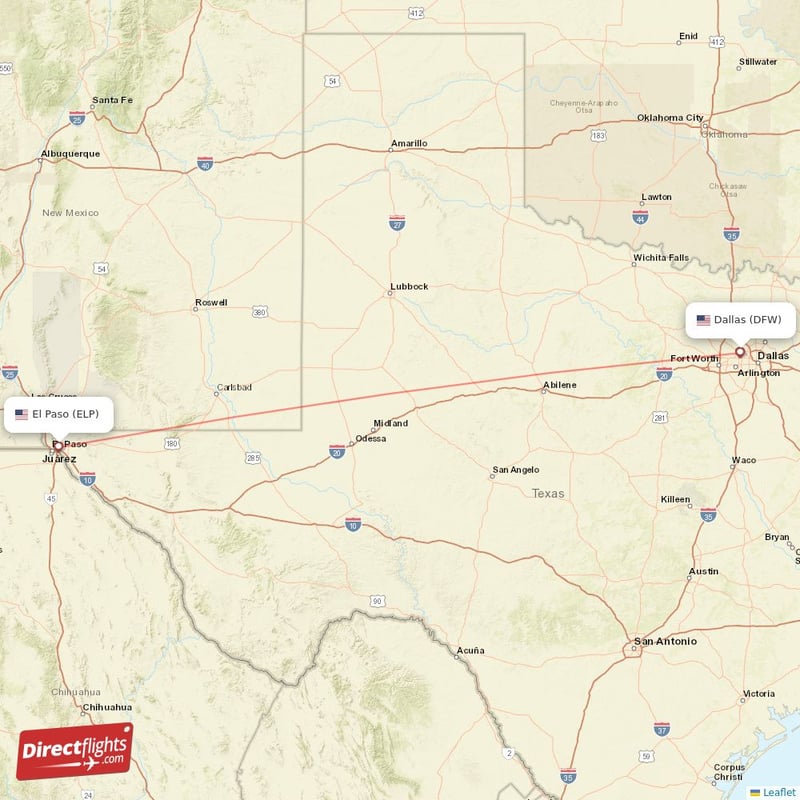
The considerable distance between Dallas and El Paso underscores the immense geographical scale of Texas. It’s a state where driving from one major city to another can feel like crossing multiple states in other regions of the country. This vastness influences not only road trips but also other modes of travel.
The Vastness of Texas
Texas is the second-largest state in the United States by both area and population. Its sheer size means that travel times can be substantial, and the character of regions can differ dramatically. The metropolitan energy of Dallas in the north contrasts sharply with the border culture and desert vistas of El Paso in the west. Understanding this scale is key to appreciating the journey and the destination.
Flying: A Faster Alternative
For those prioritizing time efficiency, flying is a viable alternative. Both Dallas and El Paso are served by major airports. Dallas/Fort Worth International Airport (DFW) and Dallas Love Field (DAL) are major hubs with numerous daily flights. El Paso International Airport (ELP) provides air service to and from the western part of the state.
-
Flight Duration: Non-stop flights between Dallas and El Paso typically take around 1.5 to 2 hours. This is significantly shorter than the driving time, making it an attractive option for business travelers or those with limited vacation time.
-
Logistical Considerations: While faster, flying involves additional logistics such as getting to and from airports, security procedures, and potential flight delays. The cost of airfare can also be a factor when comparing it to the expenses of a road trip, which might include gas, food, and lodging. However, for covering the approximately 600 miles, air travel offers a dramatic time savings.
Train Travel: A More Leisurely Pace
For a unique and more relaxed travel experience, Amtrak offers train services that connect various parts of Texas. While there isn’t a direct Amtrak route that precisely mirrors the I-20 to I-10 highway path between Dallas and El Paso, train travel can be an option with transfers.
-
Route Possibilities: A traveler might take a train from the Dallas area eastward or westward to a hub city that connects to a route heading towards El Paso. This often involves longer journey times and potentially multiple changes of train.
-
The Scenic Advantage: The primary appeal of train travel for this route would be the opportunity to relax, enjoy the scenery without the stress of driving, and experience a different perspective of the Texas landscape. It’s a journey that emphasizes the experience of travel itself, rather than just the efficiency of reaching the destination. However, travelers should consult the latest Amtrak schedules and routes for precise details and booking.
Preparing for Your Drive to El Paso
Embarking on the journey from Dallas to El Paso requires thoughtful preparation to ensure a safe, comfortable, and enjoyable experience. Given the considerable distance and the varied climate and terrain encountered, a well-planned approach is essential.
Vehicle Maintenance and Essentials
Before setting off, a thorough check of your vehicle is non-negotiable. The long stretches of highway, especially through the hotter climates of West Texas, can put a strain on your car.
- Tire Pressure and Condition: Ensure your tires are properly inflated and in good condition, as extreme temperatures can affect tire pressure. A spare tire, jack, and lug wrench should be readily accessible.
- Fluid Levels: Check and top off all essential fluids, including engine oil, coolant, brake fluid, and windshield washer fluid. Overheating is a potential concern in the summer months, so ensuring your coolant is at the correct level is vital.
- Brakes and Battery: Have your brakes inspected to ensure they are functioning optimally, and check your battery for any signs of weakness, as a dead battery can leave you stranded.
- Emergency Kit: Pack a comprehensive emergency kit that includes items such as jumper cables, a flashlight with extra batteries, a first-aid kit, non-perishable snacks, water, a blanket, and basic tools.
Navigational Aids and Communication
Modern technology can greatly enhance your road trip experience, but it’s wise to have a backup plan.
- GPS and Mapping Apps: Utilize GPS devices or smartphone mapping applications like Google Maps or Waze. Download offline maps for the route, as cellular service can be spotty in remote areas of West Texas.
- Physical Maps: Consider carrying a physical road atlas or map as a supplementary navigational tool. In situations where electronic devices fail or lose signal, a paper map can be invaluable.
- Communication Devices: Ensure your mobile phone is fully charged, and consider bringing a portable power bank. Inform a trusted friend or family member of your travel itinerary and expected arrival time.

Comfort and Safety on the Road
The long hours spent driving necessitate a focus on personal comfort and safety.
- Hydration and Snacks: Carry plenty of water and non-perishable snacks. Dehydration can occur quickly, especially in warmer climates.
- Rest Stops: Plan for regular breaks. Stopping every two to three hours to stretch your legs, walk around, and refresh can prevent driver fatigue.
- Sun Protection: The sun in Texas can be intense, even through car windows. Use sunscreen, wear sunglasses, and consider a sunshade for your windshield when parked.
- Driving During Daylight Hours: For safety reasons and to better appreciate the scenery, it is generally advisable to plan the majority of your driving during daylight hours, particularly when traversing unfamiliar or remote areas.
- Weather Awareness: Check the weather forecast for both Dallas and El Paso, as well as for any potential weather events along your route. Dust storms are a possibility in West Texas, which can significantly reduce visibility.
By addressing these preparatory measures, travelers can approach the drive from Dallas to El Paso with confidence, knowing they have accounted for the distance, the potential challenges, and the opportunities for a rewarding journey across the heart of Texas.
LifeOutOfTheBox is a participant in the Amazon Services LLC Associates Program, an affiliate advertising program designed to provide a means for sites to earn advertising fees by advertising and linking to Amazon.com. Amazon, the Amazon logo, AmazonSupply, and the AmazonSupply logo are trademarks of Amazon.com, Inc. or its affiliates. As an Amazon Associate we earn affiliate commissions from qualifying purchases.