
The question of travel distance is a fundamental one for any journey, and understanding the specifics of a trip between Dallas and Waco, Texas, is crucial for effective planning. This route, traversing the heart of the Lone Star State, is a popular corridor for both leisure and business travelers, connecting two distinct but significant Texan cities. The distance is not merely a number; it dictates travel time, mode of transportation, and the overall experience of the journey.
Understanding the Geographic Proximity
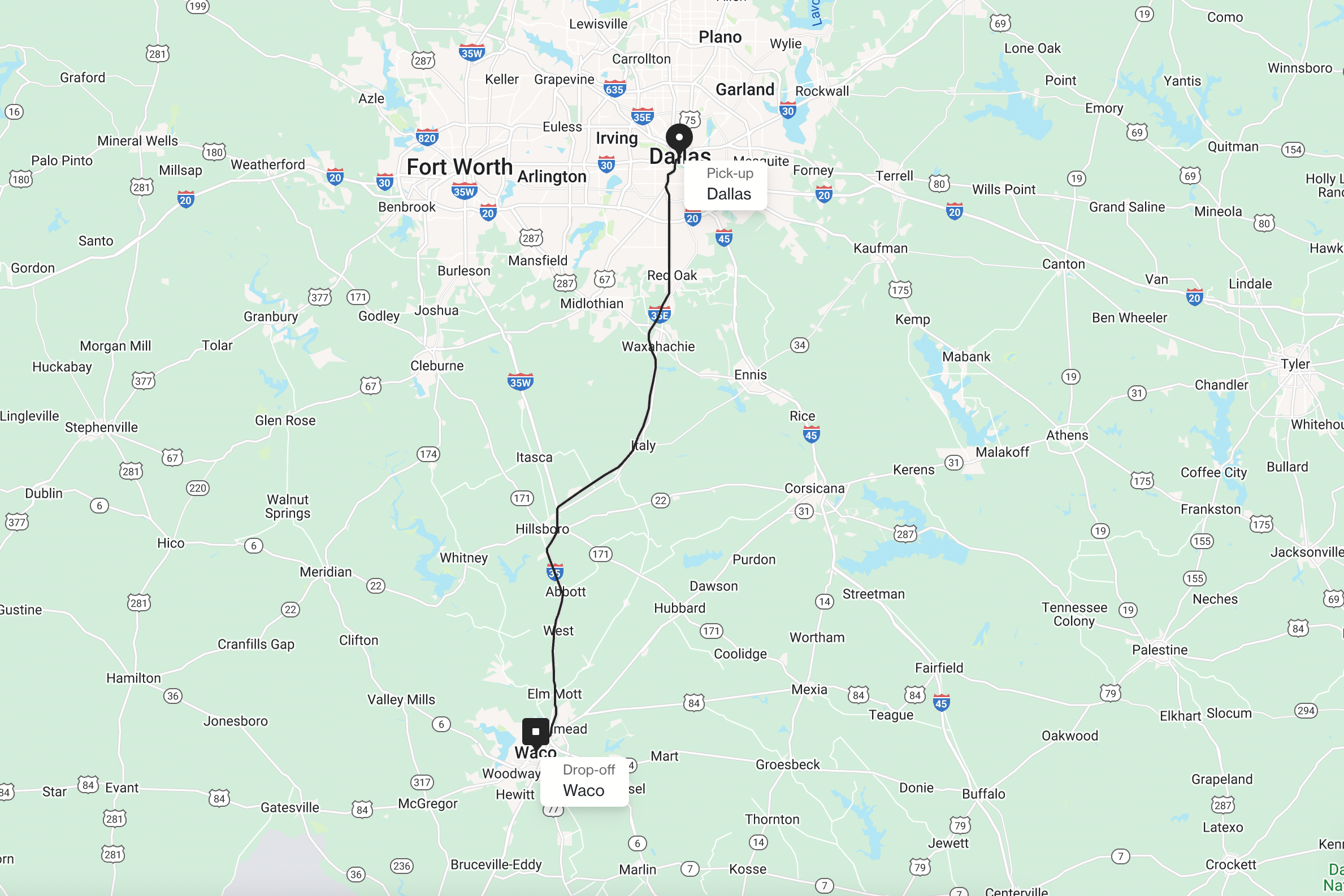
The direct distance, or “as the crow flies,” between Dallas and Waco is approximately 160 miles (about 257 kilometers). However, in practical travel terms, this translates to a drive that is longer due to the necessity of following established roadways. The primary route most travelers will take is via Interstate 35 (I-35), a major north-south freeway that runs through both metropolitan areas. This highway is a well-maintained artery, offering a relatively straightforward and efficient path.
Driving Distance and Time
The driving distance between Dallas and Waco is typically around 180 to 185 miles (approximately 290 to 298 kilometers), depending on the specific starting and ending points within each city. This difference from the direct distance is attributable to the routing of the interstate highway and the local road networks required to access it.
The estimated driving time for this journey is generally between 2.5 to 3 hours. This estimate, however, is contingent on several factors:
- Traffic Conditions: Both Dallas and Waco are located within a major metropolitan region, and traffic can significantly impact travel times. Departing Dallas during peak rush hours (typically weekday mornings and late afternoons) can add considerable time to the initial leg of the journey. Similarly, approaching Waco during busy periods can also cause delays.
- Speed Limits and Driving Habits: Adhering to posted speed limits and accounting for individual driving styles will naturally influence the total time. The majority of the route is on I-35, which has speed limits generally ranging from 70-80 mph in rural sections and can be lower within city limits or construction zones.
- Road Construction and Detours: As with any major highway, I-35 is subject to ongoing maintenance and construction projects. These can lead to temporary lane closures, reduced speeds, and the need for detours, all of which can extend travel time. It is always advisable to check real-time traffic updates before embarking on the drive.
- Stops: This estimate does not include any planned stops for fuel, food, or rest breaks. For a journey of this length, a short stop is often recommended for safety and comfort.
Alternative Transportation Options
While driving is the most common method of travel between Dallas and Waco, other options exist, each with its own set of considerations regarding distance and time.
- Bus Services: Several intercity bus companies, such as Greyhound and FlixBus, operate routes between Dallas and Waco. The travel time for bus services can be longer than driving directly, often ranging from 3 to 4 hours. This is due to scheduled stops at various locations and the potentially slower overall speed. Bus stations in both cities are typically located in accessible areas, offering a convenient option for those without personal vehicles.
- Train Services: The Amtrak Texas Eagle route serves both Dallas and Waco. While the train offers a more relaxed travel experience, the journey time is generally longer than driving, often around 3 to 3.5 hours. The appeal of train travel lies in its ability to avoid traffic congestion and offer comfortable seating, dining options, and the opportunity to work or relax during the transit. The Amtrak stations are centrally located in both cities, facilitating onward travel.
- Ridesharing Services: For travelers seeking flexibility and convenience, ridesharing platforms can be utilized. These services may offer a door-to-door experience, similar to private driving, but the cost can be significantly higher than other options. The travel time would be comparable to driving a personal vehicle, assuming efficient routing by the driver.
Navigating the Route: Key Considerations for Travelers
The journey from Dallas to Waco is largely defined by its primary artery, I-35. Understanding the nuances of this route can enhance the travel experience and ensure a smooth transition between these two Texan cities.
Interstate 35: The Backbone of the Journey
Interstate 35 is a critical highway for north-south travel across Texas. As it connects Dallas and Waco, it traverses varied landscapes, from the sprawling urban edge of the Dallas-Fort Worth Metroplex to more agricultural and open country as one approaches Waco.

The highway is generally well-signed and maintained. Travelers will encounter various services along the way, including numerous gas stations, rest areas, and fast-food establishments, particularly in the stretches between larger towns and cities.
Points of Interest and Potential Stops
While the direct drive is manageable within a few hours, the route between Dallas and Waco offers opportunities for brief diversions or stops that can enrich the journey.
- Hillsboro: Situated roughly midway between Dallas and Waco, Hillsboro is a town that offers a glimpse into small-town Texas life. It features historic downtown architecture and several local eateries. It can serve as a convenient point for a quick break or a casual meal.
- The Texas Rangers Training Facility (in Surprise, Arizona – Note: This is an example of a potential, though not directly on-route, point of interest that could be explored with a slight detour if the traveler was originating from a different direction or had specific interests. For the direct Dallas-Waco route, focus remains on Texas locations.): For baseball enthusiasts, a significant detour would be required to visit professional sports facilities. However, for those interested in local culture and history, the region itself offers various points of interest that can be researched for a more localized experience.
When planning stops, it is prudent to factor in the potential for increased travel time, especially if deviating from the main highway.
Preparing for the Drive
Before setting off, several preparations can ensure a more comfortable and safe journey:
- Vehicle Check: Ensure your vehicle is in good working order. Check tire pressure, fluid levels, and brakes.
- Navigation: Utilize GPS devices or smartphone applications for real-time traffic updates and route guidance. Familiarize yourself with the route beforehand.
- Essentials: Pack water, snacks, and any necessary medications. Consider entertainment for passengers, such as music or audiobooks.
- Weather: Check the weather forecast for Dallas, Waco, and the areas in between. Texas weather can be unpredictable, with potential for heat, rain, or even severe thunderstorms depending on the season.
The Significance of the Dallas-Waco Corridor
The 180-mile stretch connecting Dallas and Waco is more than just a physical distance; it represents a significant artery of commerce, culture, and connectivity within Texas. This corridor facilitates the movement of people and goods, supporting the economic vitality of both regions.
Economic and Cultural Links
Dallas, as a major global city and economic hub, drives significant business and leisure travel. Waco, while smaller, possesses its own unique economic drivers, including tourism, education (home to Baylor University), and a burgeoning arts and culture scene. The ease of travel between these two cities allows for a reciprocal flow of visitors, fostering economic opportunities and cultural exchange.
The proximity makes it feasible for residents of Dallas to visit Waco for a weekend getaway, exploring attractions like the Magnolia Market at the Silos or the Waco Mammoth National Monument. Conversely, individuals in Waco can easily travel to Dallas for major sporting events, concerts, or to explore its extensive museum and dining districts.
Planning Your Trip
Understanding the distance and travel time is the first step in planning any excursion between Dallas and Waco. Whether you are commuting for work, visiting family, or embarking on a recreational trip, having a clear grasp of the logistics allows for more efficient scheduling and a more enjoyable experience. The relatively short distance makes this journey accessible for day trips or short stays, contributing to its popularity as a travel route within the state.
LifeOutOfTheBox is a participant in the Amazon Services LLC Associates Program, an affiliate advertising program designed to provide a means for sites to earn advertising fees by advertising and linking to Amazon.com. Amazon, the Amazon logo, AmazonSupply, and the AmazonSupply logo are trademarks of Amazon.com, Inc. or its affiliates. As an Amazon Associate we earn affiliate commissions from qualifying purchases.