
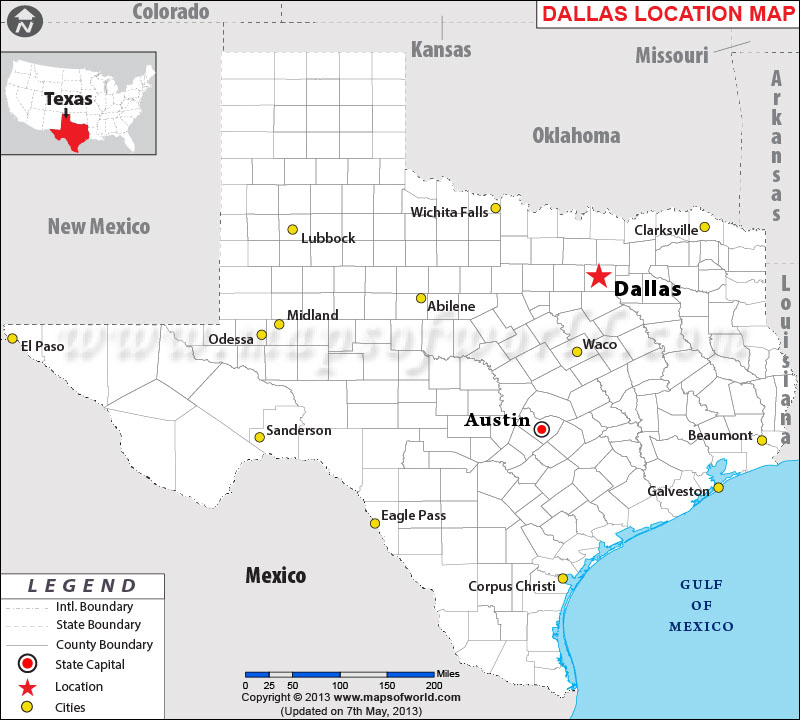
Planning a journey to the heart of Texas, specifically to the vibrant metropolis of Dallas, involves understanding its geographical context relative to your starting point. This guide aims to provide a comprehensive overview of the distances involved, whether you’re considering a road trip, a flight, or simply curious about its placement within the vast American landscape. Dallas is a city that seamlessly blends Southern charm with a distinctly modern, cosmopolitan edge, making it a compelling destination for a wide array of travelers. From its burgeoning culinary scene to its rich historical tapestry, understanding the logistical reach to this dynamic city is the first step in crafting your unforgettable Texas adventure.
Understanding Your Travel Options to Dallas
The distance to Dallas is not a static number; it’s a variable influenced by your mode of transportation. Each method offers a unique perspective on the journey and impacts the time and resources required. Whether you prefer the freedom of the open road, the speed of air travel, or the more relaxed pace of train or bus, your optimal route will depend on your personal preferences, budget, and the time you have available.
By Air: The Fastest Route to the Big D
For many, flying is the most efficient way to bridge significant distances, and reaching Dallas is no exception. The city is served by two major airports: Dallas/Fort Worth International Airport (DFW) and Dallas Love Field Airport (DAL).
-
Dallas/Fort Worth International Airport (DFW): As one of the busiest airports in the world, DFW is a major hub for international and domestic flights. It is located approximately 20 miles northwest of downtown Dallas. This makes it a convenient gateway for travelers arriving from afar. Flight times vary dramatically based on your departure city. For instance, a flight from New York City typically takes around 3.5 to 4 hours, while a flight from Los Angeles is roughly 3 hours. From overseas, flights can range from 8 hours (e.g., from London) to over 15 hours for destinations further afield. The distance from DFW to downtown Dallas via car is about a 25-30 minute drive, depending on traffic.
-
Dallas Love Field Airport (DAL): Primarily serving domestic routes, DAL is located closer to the heart of Dallas, about 6 miles northwest of downtown. This proximity offers a slightly quicker transfer into the city center. Flights to DAL often originate from cities with strong Southwest Airlines connections. The drive from DAL to downtown Dallas is typically around 15-20 minutes.
When considering air travel, it’s essential to factor in travel time to and from airports, security checks, and potential delays. However, for covering vast distances, flying remains the unparalleled champion of speed.
By Road: The Classic American Road Trip
Driving to Dallas offers a distinctly different travel experience, allowing for flexibility, spontaneous stops, and a chance to witness the diverse American landscape unfold. The distance by road is, of course, entirely dependent on your starting point.
-
From Nearby States:
- Oklahoma City, Oklahoma: Approximately 205 miles (around 3 to 3.5 hours driving time) via I-35 South.
- Austin, Texas: Roughly 200 miles (about 3 to 3.5 hours driving time) via I-35 North.
- Houston, Texas: About 235 miles (approximately 3.5 to 4 hours driving time) via I-45 North.
- Shreveport, Louisiana: Around 185 miles (about 3 hours driving time) via I-20 West.
-
From Further Afield:
- Denver, Colorado: A significant journey of approximately 840 miles (around 12.5 to 14 hours driving time), often broken into two driving days.
- Chicago, Illinois: This cross-country drive spans about 940 miles (around 14 to 15.5 hours driving time), typically requiring an overnight stop.
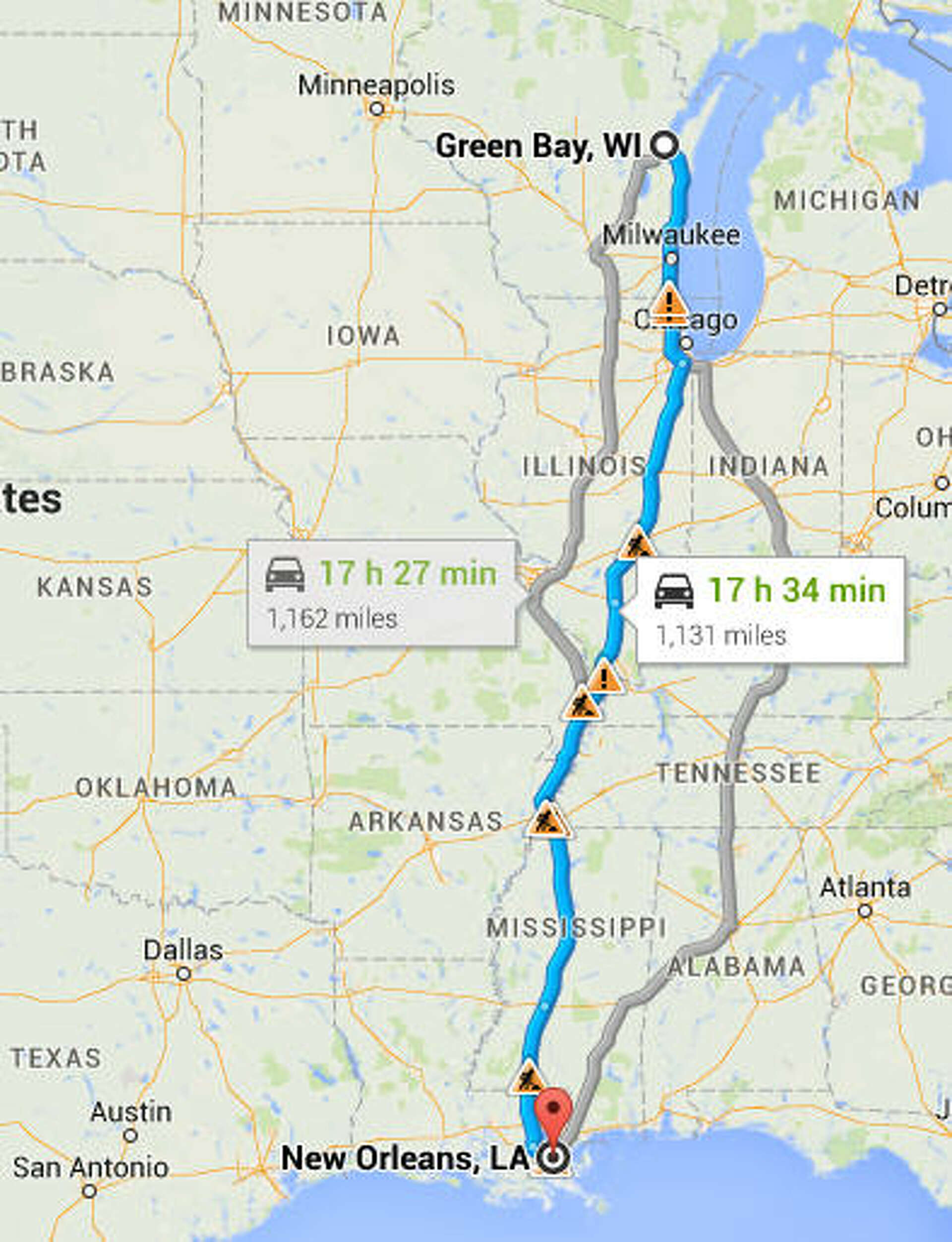
- New Orleans, Louisiana: Approximately 495 miles (around 7.5 to 8.5 hours driving time) via I-20 West and I-49 South.
- Phoenix, Arizona: A considerable westward journey of about 1,060 miles (around 15.5 to 17 hours driving time), best tackled over two to three days.
When planning a road trip, consider factors such as fuel costs, potential tolls, the need for overnight stays, and the best routes to avoid excessive traffic or construction. Mapping services will provide precise mileage and estimated driving times, but always add a buffer for rest stops, meals, and unexpected delays. The journey itself can be as much a part of the experience as the destination, offering glimpses into regional cultures and scenic beauty.
Other Transportation Methods
While air and road travel are the most common, other options exist for reaching Dallas, particularly for those who prefer not to drive long distances or fly.
-
Bus Travel: Companies like Greyhound operate extensive networks that connect Dallas to numerous cities across the country. Bus travel is typically the most economical option but also the slowest. Journey times can be considerably longer than driving, often spanning multiple days for transcontinental trips. The main Dallas bus terminal is centrally located, providing access to public transportation upon arrival.
-
Train Travel: Amtrak offers rail service to Dallas, with its main station located in the city’s downtown area. While train travel provides a comfortable and scenic way to journey, it is often less direct and more time-consuming than flying. For instance, a train from Chicago to Dallas can take upwards of 17 hours. It offers a relaxing alternative for those who enjoy the journey and want to avoid the stresses of airports or driving.
Key Distance Considerations for Your Dallas Trip
Beyond the raw mileage, several factors influence how “far” Dallas feels and how long it takes to get there. These considerations are crucial for effective travel planning.
Time Zones and Daylight Savings
Dallas is located in the Central Time Zone (CT), which observes Central Standard Time (CST) during winter months and Central Daylight Time (CDT) during warmer months. This is significant when calculating travel times, especially if you are coming from a different time zone. For example, traveling from California (Pacific Time) means you will gain two hours, while traveling from New York (Eastern Time) means you will gain one hour. This time difference can affect your arrival time, jet lag, and the immediate adjustment to your schedule upon reaching Dallas.
Traffic and Local Transit
The “distance” from Dallas/Fort Worth International Airport (DFW) to your final destination within Dallas can be significantly impacted by traffic. The Dallas-Fort Worth Metroplex is a sprawling metropolitan area, and rush hour can add considerable time to your commute. Planning your arrival or departure during off-peak hours can save you frustration and time. Once in Dallas, the city offers a public transportation system, including the Dallas Area Rapid Transit (DART) light rail and bus network. Understanding these local transit options is part of assessing how accessible the city is from your point of arrival.

Bridging the Distance: Planning for Your Arrival
To accurately gauge “how far” Dallas is from your location, it’s essential to use specific tools and resources.
-
Online Mapping Services: Websites and apps like Google Maps, Waze, and Apple Maps are invaluable. Simply input your current address (or a general starting point) and “Dallas, Texas” as your destination. These services will provide precise driving distances, estimated driving times, and can also offer information on public transport routes and flight durations.
-
Flight Comparison Websites: For air travel, platforms such as Google Flights, Skyscanner, and Kayak allow you to enter your departure airport and DFW or DAL as your arrival airport. They will show you available flights, duration of flights, and the number of stops, giving you a clear picture of the travel time.
-
Bus and Train Schedules: Official websites for Greyhound and Amtrak provide detailed schedules, routes, and estimated journey times between various cities and Dallas.
By utilizing these resources, you can obtain precise, personalized distance information and make informed decisions about the best way to reach the dynamic city of Dallas, embarking on an exploration of its unique charm and attractions.
LifeOutOfTheBox is a participant in the Amazon Services LLC Associates Program, an affiliate advertising program designed to provide a means for sites to earn advertising fees by advertising and linking to Amazon.com. Amazon, the Amazon logo, AmazonSupply, and the AmazonSupply logo are trademarks of Amazon.com, Inc. or its affiliates. As an Amazon Associate we earn affiliate commissions from qualifying purchases.