
Navigating the vast and vibrant landscape of Texas requires understanding the distances between its key metropolitan hubs. For many travelers, Fort Worth and San Antonio represent two essential destinations, each offering a distinct slice of Lone Star State culture. Whether you’re planning a road trip, a business venture, or simply exploring the diverse offerings of this expansive state, knowing the travel time and distance between these two iconic cities is paramount. This guide delves into the specifics of the journey, providing insights into travel options, estimated durations, and factors that can influence your trip.
Understanding the Geographic Divide
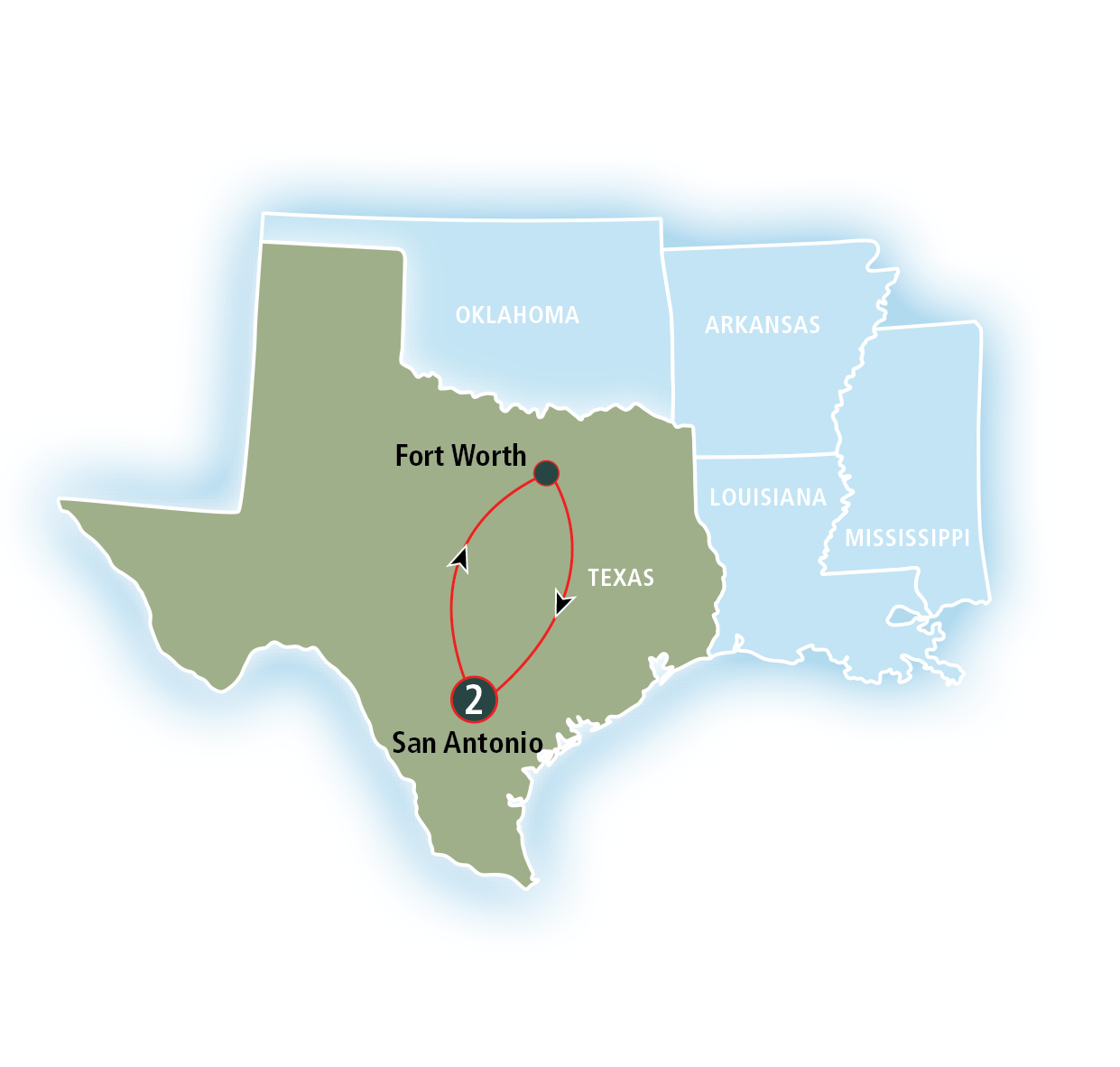
The physical separation between Fort Worth and San Antonio is a significant factor in travel planning. Situated in the heart of Texas, these cities are not next-door neighbors, but rather two distinct points on a compass that necessitate a dedicated journey to traverse. Understanding this geographical reality is the first step in preparing for your trip.
Distance and Driving Time
The most common method of travel between Fort Worth and San Antonio is by automobile. The direct driving distance is approximately 280 to 300 miles, depending on the specific starting and ending points within each city and the chosen route. This translates to an estimated driving time of 4 to 4.5 hours under optimal conditions.
However, “optimal conditions” are a crucial qualifier. Several elements can significantly impact the actual travel time:
- Traffic Congestion: Both Fort Worth and San Antonio are major metropolitan areas, and their surrounding highways can experience substantial traffic, especially during peak commuting hours, weekends, and holiday periods. The stretch of Interstate 35 (I-35), which often forms the backbone of this journey, is notorious for its traffic volume, particularly as you approach and depart the larger cities.
- Road Construction: Texas is a state that is constantly growing and improving its infrastructure. Unfortunately, this means that road construction projects are a common occurrence. These can lead to unexpected delays, lane closures, and detours that add considerable time to your drive. It is always advisable to check real-time traffic reports before and during your journey.
- Weather Conditions: While Texas generally enjoys fair weather, severe storms, heavy rain, or even localized flooding can impact driving conditions and speed. Winter months, though typically mild, can occasionally bring icy patches to some areas, necessitating a slower pace.
- Stops and Breaks: The 4 to 4.5-hour estimate is based on continuous driving. Most travelers will need to factor in stops for fuel, meals, and rest. Each planned or unplanned stop will add to the overall duration of the trip.
Route Considerations
The primary highway connecting Fort Worth and San Antonio is I-35. This interstate highway offers a relatively direct path, though it often splits into I-35E and I-35W through the Dallas-Fort Worth metroplex before converging again further south. The most common routing would involve taking I-35W south from Fort Worth, merging onto I-35 south towards San Antonio.
Alternative routes might exist, but they typically add considerable time and mileage, often involving state highways and secondary roads. For efficiency, sticking to I-35 is generally the most recommended approach for those prioritizing speed and directness.
Beyond the Car: Alternative Travel Options
While driving is the most flexible and common way to travel between Fort Worth and San Antonio, other transportation methods are available, each with its own set of advantages and disadvantages regarding time and convenience.
Air Travel
For those prioritizing speed and seeking to minimize travel time, air travel is an option. Both Fort Worth and San Antonio are served by major airports.
- Fort Worth Dallas International Airport (DFW): This is one of the busiest airports in the world and serves the entire Dallas-Fort Worth metroplex. It offers numerous domestic and international flights.
- San Antonio International Airport (SAT): While smaller than DFW, SAT provides direct flights to many major cities across the United States.
The flight time between DFW and SAT is very short, typically around 1 hour. However, the overall travel time for flying is significantly extended when you account for:
- Travel to the Airport: Getting to DFW from Fort Worth can take 30-60 minutes or more, depending on traffic and your specific location.
- Airport Procedures: Arriving at least two hours before a domestic flight to allow for check-in, security screening, and boarding is standard.
- Deplaning and Baggage Claim: After landing at SAT, you’ll need time to exit the aircraft and retrieve any checked luggage.
- Travel from the Airport: Reaching your final destination in San Antonio from SAT will add another 20-30 minutes or more.
Therefore, while the flight itself is brief, the total door-to-door travel time for flying can often be comparable to or even exceed driving, especially when factoring in the logistical complexities of air travel. It is a more suitable option for those who dislike long drives or have limited time for the journey itself and can tolerate the airport process.
Bus Services
Intercity bus services, such as those offered by Greyhound or FlixBus, provide a more budget-friendly alternative to driving or flying. The journey by bus typically takes longer than driving, often ranging from 5 to 6.5 hours.

The benefits of bus travel include:
- Cost-Effectiveness: Bus tickets are generally more affordable than flights or the combined cost of fuel and potential wear-and-tear on a personal vehicle.
- Relaxation: Passengers can relax, read, or sleep without the stress of driving.
- Connectivity: Many buses offer Wi-Fi and power outlets, allowing for productivity or entertainment during the trip.
However, the trade-offs include:
- Longer Travel Time: The duration is extended due to frequent stops at various towns and cities along the route.
- Less Flexibility: Departure and arrival times are fixed, and there are limited opportunities for personal stops.
- Comfort: Seating and personal space can be more limited compared to driving your own vehicle.
Train Travel
Currently, direct passenger train service between Fort Worth and San Antonio is not a prominent or convenient option. While Texas has a rail network, it is primarily geared towards freight. For passenger rail, one would typically need to connect through other major hubs, making it a significantly longer and more convoluted journey than driving or flying. This makes train travel largely impractical for this specific route.
Factors Influencing Your Trip
When planning the journey between Fort Worth and San Antonio, a comprehensive understanding of various influencing factors will ensure a smoother and more predictable experience. Beyond the distance and mode of transport, several other elements play a critical role.
Time of Travel
The day of the week and the time of day you choose to travel will have a substantial impact on your journey.
- Weekdays vs. Weekends: Weekends, particularly Friday afternoons and Sunday evenings, are often the busiest times on I-35 as people travel for leisure or return home. Expect heavier traffic during these periods.
- Commuting Hours: Traveling during typical rush hour times (roughly 6:30 AM – 9:00 AM and 4:00 PM – 6:30 PM) in both the Dallas-Fort Worth metroplex and around San Antonio will undoubtedly lead to delays.
- Holidays and Special Events: Major holidays, spring break, and significant local events in either city or along the route can dramatically increase traffic volume and travel times. Always check local event calendars and travel advisories if your trip coincides with such periods.
Vehicle Choice and Condition
If you are driving your own vehicle, its condition is paramount. Ensuring your car is well-maintained, with properly inflated tires, sufficient oil, and functional brakes, is essential for a safe and efficient journey. For longer trips, consider a vehicle known for good fuel economy to manage the cost of gasoline. If renting a car, compare prices and vehicle types to find the best fit for your needs and budget.
Navigation Tools
Modern navigation apps and GPS devices are indispensable for intercity travel in Texas. Services like Google Maps, Waze, or Apple Maps provide real-time traffic updates, suggest the fastest routes, and alert you to any accidents or construction delays. Utilizing these tools can help you make informed decisions about route adjustments and potential detours, saving you valuable time.
Budget Considerations
The cost of traveling between Fort Worth and San Antonio can vary significantly based on your chosen method.
- Driving: Costs include fuel, potential tolls (though I-35 is largely toll-free in this corridor), and wear-and-tear on your vehicle.
- Flying: Ticket prices fluctuate based on booking time, airline, and demand. Additional costs include airport parking or transportation to and from the airports.
- Bus: Bus fares are generally the most predictable and often the lowest, but they come with the trade-off of longer travel times.

Personal Preferences and Priorities
Ultimately, the “best” way to travel between Fort Worth and San Antonio depends on your personal preferences and priorities.
- Flexibility: If you value the freedom to stop whenever and wherever you please, driving is the clear winner.
- Speed: If minimizing transit time is paramount, flying, despite its inherent logistical complexities, might be the quickest option, especially if you can secure a direct flight and efficient airport transfers.
- Budget: For cost-conscious travelers, bus services offer an economical solution.
- Comfort and Convenience: Some may find the ability to work or relax without the responsibility of driving more appealing, even if it means a longer journey.
By carefully considering these factors, you can make an informed decision about how to best traverse the approximately 280-300 miles separating these two captivating Texan cities, ensuring your trip is as enjoyable and efficient as possible.
LifeOutOfTheBox is a participant in the Amazon Services LLC Associates Program, an affiliate advertising program designed to provide a means for sites to earn advertising fees by advertising and linking to Amazon.com. Amazon, the Amazon logo, AmazonSupply, and the AmazonSupply logo are trademarks of Amazon.com, Inc. or its affiliates. As an Amazon Associate we earn affiliate commissions from qualifying purchases.