
Understanding the Geographic Relationship
Frisco, a vibrant and rapidly growing city in Texas, shares a close and dynamic relationship with its larger, more established neighbor, Dallas. While often considered part of the expansive Dallas-Fort Worth metroplex, understanding the precise distance and travel time between these two key locations is crucial for both residents and visitors. Frisco is situated to the north of Dallas, and its proximity is a significant factor in its appeal as a residential and commercial hub. The geographical connection facilitates easy access to the extensive amenities, employment opportunities, and cultural attractions that Dallas offers, while Frisco itself boasts a thriving local economy and a high quality of life. This close proximity means that for many, the distinction between “living in Frisco” and “working in Dallas” or “visiting Dallas from Frisco” is merely a matter of choosing a destination within a connected metropolitan region, rather than undertaking a significant cross-country journey. The ease of travel between the two cities underscores their interconnectedness within the broader North Texas landscape.
Calculating the Distance and Travel Times
The physical distance between the downtown cores of Dallas and Frisco is approximately 30 miles. However, this figure can vary slightly depending on the specific starting and ending points within each city. For instance, if one were traveling from the northernmost parts of Frisco to the southern edges of Dallas, the distance would naturally increase. Similarly, journeys originating or terminating at points outside the central business districts will alter the mileage.
When it comes to travel time, the journey between Dallas and Frisco is heavily influenced by traffic conditions, which are a characteristic feature of any major metropolitan area. During peak hours, such as morning and evening commutes, the drive can extend significantly.
Driving: The Primary Mode of Transit
The most common way to travel between Dallas and Frisco is by car. The primary route involves utilizing the extensive highway system of North Texas.
- Via Dallas North Tollway: This is often the quickest and most direct route. The Dallas North Tollway is a major artery that runs directly from Dallas, passing through the heart of Frisco. The drive typically takes between 30 to 45 minutes without significant traffic congestion. During rush hour, however, this travel time can easily double, sometimes reaching 60 to 90 minutes or even longer, depending on the severity of the traffic. The tollway offers a relatively smooth and controlled driving experience, but it comes with a cost.
- Via U.S. Route 75 (Central Expressway): An alternative, though often slower, route is via US-75. This highway also connects Dallas to the northern suburbs, but it tends to be more congested due to the presence of more surface street intersections and a higher volume of local traffic. Travel time via US-75 can range from 45 minutes to over 1.5 hours, depending heavily on traffic flow. This route is generally chosen by those seeking to avoid tolls or who are traveling to or from areas of Dallas or Frisco that are more conveniently accessed from US-75.
Public Transportation: An Evolving Option
While driving is the dominant mode of transport, public transportation options are becoming more integrated within the Dallas-Fort Worth metroplex. The Dallas Area Rapid Transit (DART) system serves Dallas and many surrounding cities, including some that are adjacent to Frisco. However, direct, rapid public transit routes from downtown Dallas to the core of Frisco are not as extensive as one might find in older, more established urban centers.
- Bus Services: DART operates various bus routes that can connect different parts of Dallas to areas closer to Frisco. From these points, further transfers or ride-sharing services might be necessary to reach specific destinations within Frisco. This can be a time-consuming option, often taking well over an hour and requiring multiple transfers.
- Future Expansion: It’s worth noting that public transportation networks are continuously expanding in the region. Future developments may enhance direct connectivity between Dallas and Frisco, offering more viable alternatives to driving for commuters and travelers. For now, relying solely on public transit for a quick trip between the two cities is often less practical than driving.
Navigating Frisco: Its Place in the Metroplex
Frisco has experienced phenomenal growth over the past few decades, transforming from a small town into a major suburban center. Its strategic location north of Dallas has been a key driver of this expansion. The city is part of Collin and Denton counties and is a significant economic engine in its own right, boasting a strong presence in sectors such as technology, sports, and retail.
Key Attractions and Developments in Frisco
Frisco is not merely a bedroom community for Dallas; it has cultivated its own distinct identity and offers a wealth of attractions and amenities that draw visitors and residents alike.
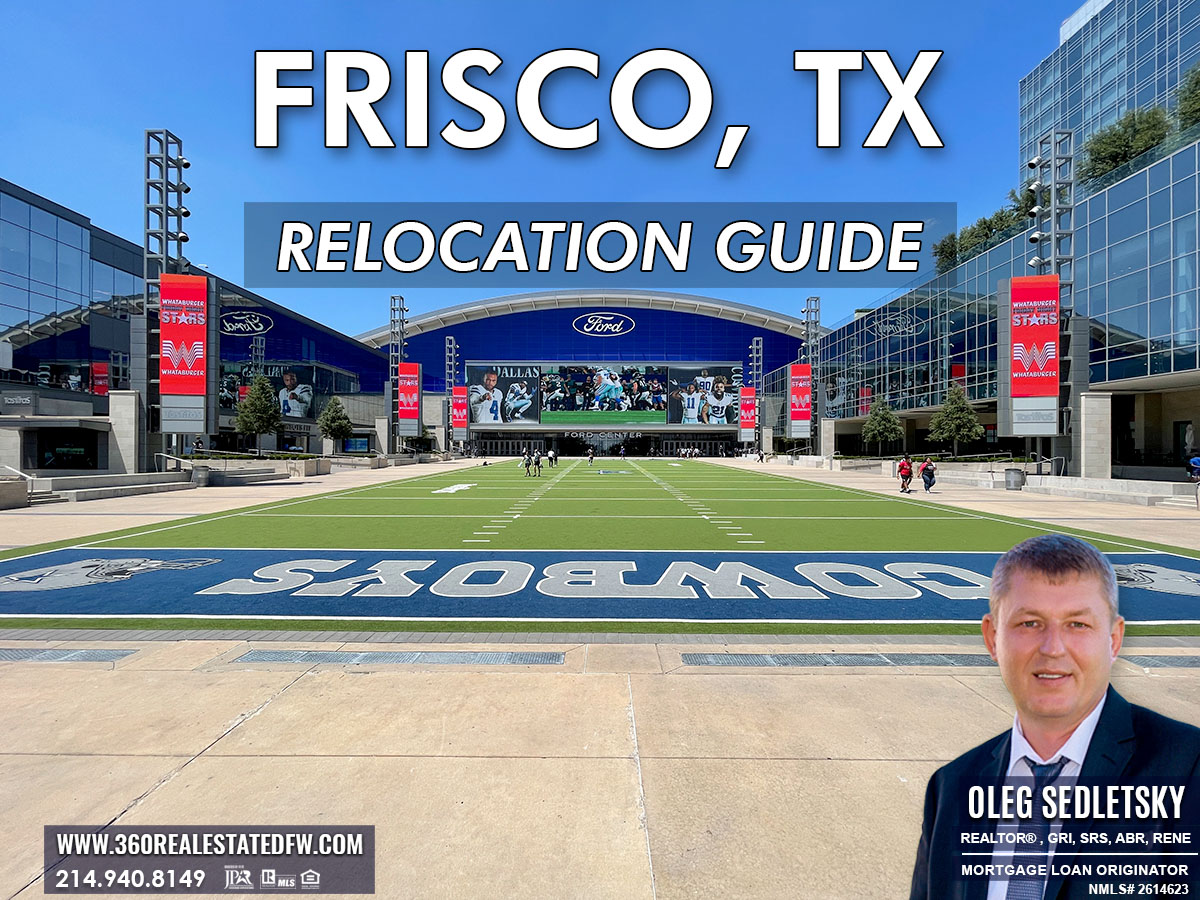
- The Star: This is the iconic headquarters of the Dallas Cowboys. The Star is a sprawling 91-acre campus that serves as the team’s practice facility and administrative hub. It also features a hotel, restaurants, retail shops, and a museum dedicated to the Cowboys’ history. It’s a major destination for football fans and a testament to Frisco’s embrace of professional sports.
- Hala Field: Adjacent to The Star, Hala Field is where the Dallas Cowboys players practice. While public access to observe practices might be limited and subject to team schedules, the sheer presence of this world-class facility contributes to Frisco’s sports-centric appeal.
- Toyota Stadium: Home to FC Dallas (Major League Soccer) and the National Scouting Combine for the NFL, Toyota Stadium is another significant sports venue. It also hosts concerts and other community events, further solidifying Frisco’s reputation as a hub for athletic and entertainment activities.
- National Videogame Museum: This unique museum celebrates the history and culture of video games, offering interactive exhibits and a nostalgic journey for gamers of all ages. It’s a distinctive attraction that highlights Frisco’s commitment to diverse cultural experiences.
- Stonebriar Centre: A premier shopping destination, Stonebriar Centre offers a wide array of retail stores, dining options, and entertainment, including an AMC theatre. It serves as a central gathering place for residents and a shopping magnet for the surrounding region.
- Frisco Discovery Center: This center houses the Sci-Tech Discovery Center, an interactive science museum designed for children and families, and the Black Box Theater, which hosts various performances.

The Economic Interplay
The economic relationship between Dallas and Frisco is symbiotic. Frisco’s growth has been fueled in part by businesses and residents seeking a slightly lower cost of living or more modern infrastructure than what might be available in older parts of Dallas, while still maintaining access to the larger metropolitan job market and amenities. Many residents of Frisco commute into Dallas for work, while Dallas-based companies may find Frisco an attractive location for expansion due to its educated workforce and business-friendly environment. The development of major corporate campuses, such as those for Nintendo of America and Oracle, further illustrates Frisco’s emergence as a significant economic entity independent of, yet closely linked to, Dallas.
Exploring Dallas from Frisco
When traveling from Frisco to Dallas, visitors have a vast array of attractions and experiences at their fingertips. The short driving distance makes day trips and evening excursions highly feasible, allowing for a seamless integration of Frisco’s suburban charm with Dallas’s urban dynamism.
Cultural and Entertainment Hubs in Dallas
Dallas is a major cultural and entertainment capital, offering something for every interest.
- Arts District: The Dallas Arts District is one of the largest urban arts districts in the United States. It is home to world-class institutions such as the Dallas Museum of Art, the Nasher Sculpture Center, the Perot Museum of Nature and Science, and the AT&T Performing Arts Center. A visit here can easily fill a day or an evening with enriching experiences.
- The Sixth Floor Museum at Dealey Plaza: Located in the former Texas School Book Depository, this museum offers a poignant and comprehensive look at the assassination and legacy of President John F. Kennedy. It’s a significant historical landmark and a must-visit for those interested in American history.
- Reunion Tower: This iconic observation tower provides panoramic views of the Dallas skyline. It’s a great spot to get a sense of the city’s layout and to appreciate its impressive architecture.
- Deep Ellum: Known for its vibrant live music scene, eclectic art galleries, and unique boutiques and restaurants, Deep Ellum is a popular entertainment district that offers a lively atmosphere, especially in the evenings.
- Klyde Warren Park: This innovative urban park is built over a freeway, connecting the Dallas Arts District with the Uptown neighborhood. It features food trucks, yoga classes, a dog park, and various other activities, serving as a green oasis in the city center.
Culinary Delights and Shopping
Dallas is renowned for its diverse culinary scene, ranging from authentic Tex-Mex and barbecue to upscale dining. Neighborhoods like Uptown, Bishop Arts District, and the aforementioned Deep Ellum offer a plethora of dining options. For shopping enthusiasts, Dallas features luxury boutiques in Highland Park Village, extensive retail at NorthPark Center, and unique finds in the Bishop Arts District.
Planning Your Visit Between Frisco and Dallas
When planning a trip that involves both Frisco and Dallas, understanding the distance and travel nuances is key to optimizing your itinerary. The approximate 30-mile distance translates to a manageable drive, but being mindful of traffic patterns, especially during weekdays and holiday seasons, is essential.
Leveraging Accommodation Options
Both Frisco and Dallas offer a wide range of accommodation options to suit various budgets and preferences.
- In Frisco: You’ll find a growing number of hotels, including upscale options like the Omni Frisco Hotel located within The Star, and numerous business-friendly and family-oriented hotels. The city’s development has led to a concentration of lodging facilities, particularly near its major attractions and business centers.
- In Dallas: The options are nearly limitless. From luxury hotels in Uptown and downtown to boutique hotels in Deep Ellum and the Bishop Arts District, and larger convention hotels near the convention center, Dallas caters to every type of traveler. Staying in Dallas provides direct access to its extensive entertainment and cultural offerings, while staying in Frisco offers a more relaxed, suburban atmosphere with easy access to its own unique attractions and a shorter commute to the northern parts of Dallas.
Strategic Itinerary Planning
Deciding where to base your stay can significantly impact your travel experience.
- Staying in Frisco: This is an excellent choice if your primary interest lies in visiting The Star, attending an FC Dallas game at Toyota Stadium, or exploring Frisco’s family-friendly attractions. It also allows for easier access to northern Dallas suburbs and potentially a quicker commute to areas further north, like McKinney. A day trip to downtown Dallas or the Arts District would involve the drive down the Dallas North Tollway.
- Staying in Dallas: This is ideal if your focus is on experiencing Dallas’s downtown core, its museums, music venues, and diverse dining scenes. From Dallas, Frisco and its attractions like The Star are easily reachable via a northern drive, typically taking 30-45 minutes without heavy traffic.
Ultimately, the distance between Frisco and Dallas is a testament to the interconnectedness of the Dallas-Fort Worth metroplex. Understanding this relationship helps in planning efficient and enjoyable travel experiences, allowing you to fully appreciate the unique offerings of both cities.
LifeOutOfTheBox is a participant in the Amazon Services LLC Associates Program, an affiliate advertising program designed to provide a means for sites to earn advertising fees by advertising and linking to Amazon.com. Amazon, the Amazon logo, AmazonSupply, and the AmazonSupply logo are trademarks of Amazon.com, Inc. or its affiliates. As an Amazon Associate we earn affiliate commissions from qualifying purchases.