
Understanding the geographical relationship between major Texan cities is crucial for anyone planning a journey, whether for business, leisure, or exploring the vast landscape of the Lone Star State. The distance between Houston, Texas and Fort Worth, Texas is a significant factor for travelers, influencing choices in transportation, time allocation, and overall itinerary planning. This exploration delves into the various facets of this distance, from the literal mileage and travel times to the cultural and economic connections that bridge these two dynamic metropolises.
The Direct Route: Distance and Driving Times
The most straightforward way to conceptualize the separation between Houston, Texas and Fort Worth, Texas is through their direct road distance and the estimated time it takes to traverse it by car. These two prominent cities are located in different regions of Texas, with Houston situated in the southeastern part of the state, near the Gulf Coast, and Fort Worth located in North Texas, as part of the Dallas-Fort Worth metroplex.
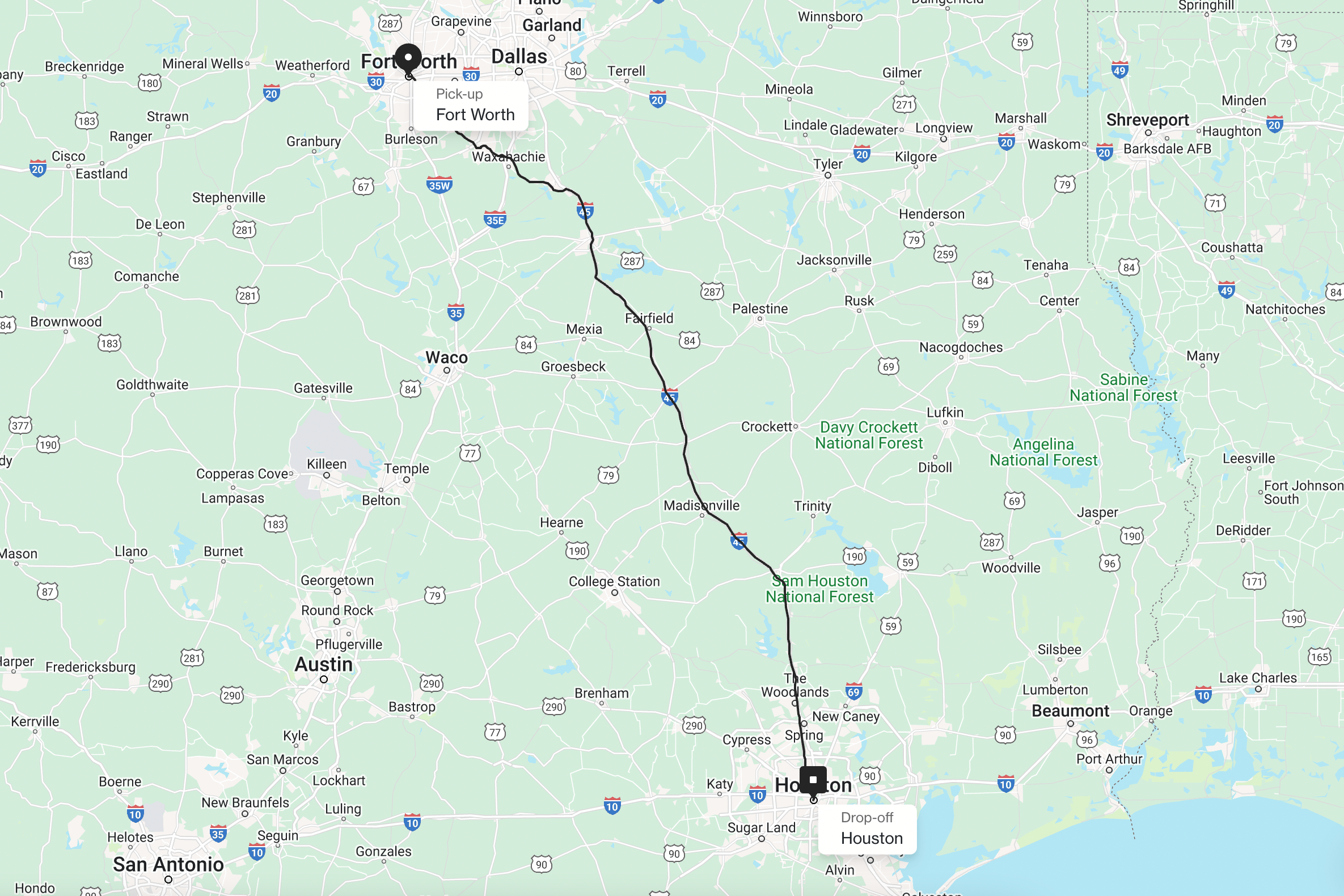
Mileage and Estimated Travel Time
The approximate driving distance between Houston, Texas and Fort Worth, Texas is around 260 to 280 miles, depending on the specific starting and ending points within each metropolitan area and the chosen route. The most common and direct route typically follows Interstate 45 North from Houston to Dallas, and then Interstate 35 West to Fort Worth.
Under ideal traffic conditions, this journey can be completed in approximately 4 to 4.5 hours. However, Texas highways, particularly around major urban centers, are notorious for traffic congestion. Travelers departing Houston during peak morning or evening rush hours can expect significant delays, potentially adding an hour or more to the travel time. Similarly, navigating the Dallas-Fort Worth metroplex during busy periods requires patience and careful planning. Factors such as road construction, accidents, and weather conditions can also impact travel duration, making it wise to build in a buffer for unforeseen circumstances.
Route Variations and Considerations
While the I-45 N to I-35 W route is the most conventional, alternative routes exist, often suggested by GPS navigation systems depending on real-time traffic data. Some travelers might opt for routes that utilize U.S. Highway 290 West from Houston towards Austin, then take Interstate 35 North towards Dallas and eventually connect to Fort Worth. These alternatives can sometimes offer a different perspective of the Texas landscape but may involve more local roads and potentially longer overall travel times if not strategically chosen.
When planning a road trip, it’s advisable to consult real-time traffic applications like Google Maps or Waze. These tools provide up-to-the-minute information on road closures, accidents, and congestion, allowing travelers to adjust their routes dynamically for optimal efficiency. Understanding the distance and typical driving times is the first step in planning a seamless transition between these two vital economic and cultural hubs.
Beyond the Road: Alternative Travel Options
While driving is a popular choice for its flexibility and the ability to carry more luggage, it is not the only way to travel between Houston, Texas and Fort Worth, Texas. Air travel and bus services offer distinct advantages for different types of travelers, providing quicker or more convenient alternatives to the long haul by car.
Air Travel: Speed and Efficiency

For those prioritizing speed, air travel presents a compelling option. Both Houston and Fort Worth are served by major airports. Houston has two primary airports: George Bush Intercontinental Airport (IAH) and William P. Hobby Airport (HOU). Fort Worth is part of the Dallas-Fort Worth International Airport (DFW) complex, a major international hub, and also has access to Dallas Love Field Airport (DAL).
Direct flights between Houston and DFW are frequent and relatively short, typically lasting around one hour. This speed significantly reduces overall travel time compared to driving, especially when factoring in potential traffic delays on the ground. However, it’s essential to consider the additional time required for travel to and from airports, security checks, boarding, and deplaning. When these ancillary activities are accounted for, the total door-to-door travel time might be comparable to a well-timed drive, but for longer distances or for those who dislike long drives, flying remains a top choice.
Bus Services: Budget-Friendly and Relaxing
For budget-conscious travelers or those who prefer to relax and avoid the stress of driving, intercity bus services offer a viable alternative. Companies like Greyhound and Megabus operate routes connecting Houston, Texas and Fort Worth, Texas. These services typically depart from central bus terminals in each city and arrive at designated stops in the other.
The journey by bus generally takes longer than driving, often ranging from 5 to 7 hours, depending on the route, number of stops, and traffic. However, bus travel can be considerably more affordable than flying, making it an attractive option for students, backpackers, or anyone looking to minimize travel expenses. Modern bus services often provide amenities such as Wi-Fi, power outlets, and comfortable seating, making the extended journey more manageable. This option allows passengers to rest, read, or catch up on work while the miles pass by.
Bridging the Gap: The Cultural and Economic Landscape
The distance between Houston, Texas and Fort Worth, Texas is more than just mileage; it represents a connection between two distinct yet intertwined economic and cultural landscapes within Texas. While separated by hundreds of miles, these cities share a common heritage and are increasingly linked through commerce, innovation, and shared interests.
Economic Synergies and Interdependence
Houston is renowned as a global hub for the energy industry, particularly oil and gas. It also boasts a thriving medical sector, a significant aerospace presence, and a diverse manufacturing base. Fort Worth, on the other hand, is a key component of the robust Dallas-Fort Worth metroplex, known for its strong aviation industry, defense contractors, and a growing technology sector.
The economic activities in each city often complement the other, fostering trade, investment, and collaboration. Businesses based in Houston may have operational ties or client bases in the Dallas-Fort Worth area, necessitating frequent travel for meetings, conferences, and logistical coordination. The proximity, though substantial, allows for a dynamic flow of goods, services, and talent between these major economic engines of Texas. This interdependence highlights that the distance is not a barrier but a factor to be managed in the pursuit of shared economic prosperity.
Cultural Exchange and Regional Identity
Culturally, Houston, Texas and Fort Worth, Texas offer distinct experiences that reflect their unique histories and demographics. Houston is celebrated for its incredibly diverse population, often referred to as one of the most multicultural cities in the United States. Its culinary scene is world-class, offering authentic flavors from across the globe, and its arts and museum districts are extensive.
Fort Worth, conversely, proudly embraces its Western heritage. It is home to the world’s largest indoor rodeo, the Stockyards National Historic District, where visitors can witness daily cattle drives and immerse themselves in the traditions of the Old West. Fort Worth also boasts a vibrant cultural district with renowned art museums and a strong performing arts scene.
Despite these differences, a shared Texan identity and spirit of hospitality permeate both cities. Texans often have a sense of pride in their state and its distinct culture, which extends to both Houston and Fort Worth. Travelers moving between these cities can experience this rich tapestry of Texan life, from the cosmopolitan energy of Houston to the historic charm of Fort Worth, appreciating the diversity that exists within the vast expanse of the Lone Star State. The journey between them, therefore, is not just a matter of covering distance but an opportunity to engage with the multifaceted character of Texas.
LifeOutOfTheBox is a participant in the Amazon Services LLC Associates Program, an affiliate advertising program designed to provide a means for sites to earn advertising fees by advertising and linking to Amazon.com. Amazon, the Amazon logo, AmazonSupply, and the AmazonSupply logo are trademarks of Amazon.com, Inc. or its affiliates. As an Amazon Associate we earn affiliate commissions from qualifying purchases.