
Understanding the geographical distance to a destination is a fundamental aspect of travel planning. Whether you are considering a cross-country road trip, a short flight, or even contemplating a move, knowing the proximity of Houston, Texas to your current location is paramount. This distance dictates travel time, transportation methods, potential costs, and the overall feasibility of your journey. This guide aims to provide a comprehensive overview of how to ascertain this crucial piece of information, along with considerations for travel planning once that distance is established.
Determining Your Distance to Houston
The exact distance between your location and Houston, Texas is highly variable and depends entirely on your starting point. Fortunately, numerous tools and methods are available to accurately calculate this.
Online Mapping Services
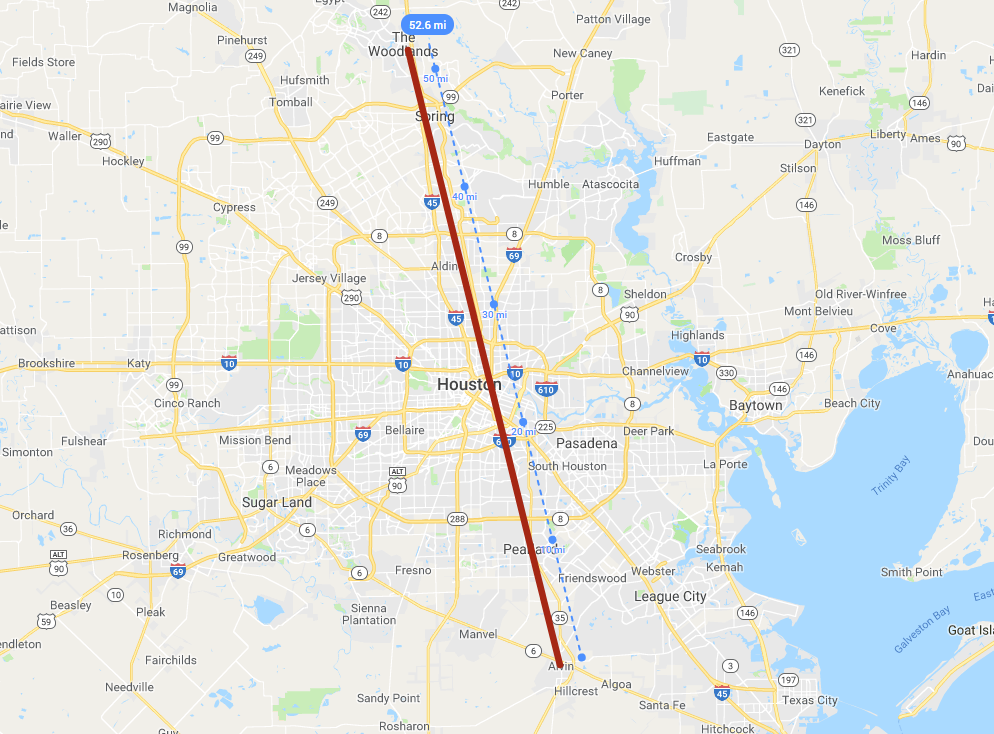
The most straightforward and widely accessible method for determining the distance to Houston, Texas is by utilizing online mapping services. Platforms like Google Maps, Apple Maps, and Bing Maps offer robust distance calculation features.
Step-by-Step Calculation:
- Access the Service: Open your preferred online mapping service via a web browser or its dedicated application.
- Enter Your Starting Point: In the search bar, input your current address, city, or ZIP code. Most services will automatically detect your location if you grant permission.
- Enter Your Destination: In the destination field, type “Houston, Texas.” The service will typically recognize it as a major city.
- Request Directions: Select the option to get directions. You will usually have choices for different modes of transportation, such as driving, public transit, walking, or cycling.
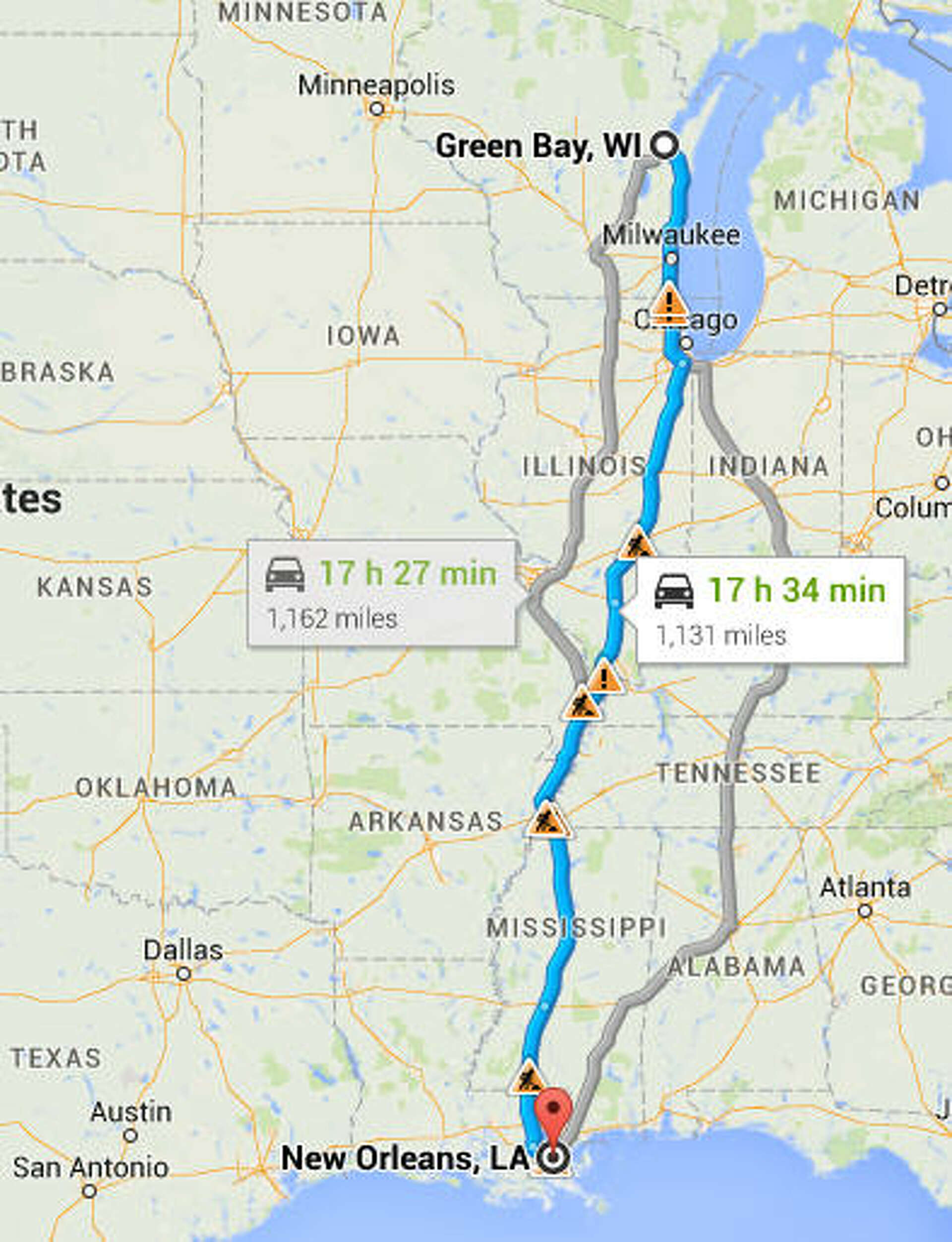
- Review the Results: The service will then display the estimated distance in miles or kilometers, along with an estimated travel time for your chosen mode of transport. For driving directions, it will often provide multiple route options, each with its own distance and time estimate.
These services are invaluable for a quick and accurate understanding of the linear or route-based distance, providing essential data for immediate planning.
Travel Planning Websites and Apps
Beyond basic mapping, dedicated travel planning websites and applications offer more in-depth information that can be influenced by distance. These platforms often integrate flight search engines, car rental services, and even hotel booking capabilities, all of which are directly tied to your origin and the distance to Houston, Texas.
Key Features for Distance-Related Planning:
- Flight Distance and Time: For air travel, these platforms will show the flight distance between your nearest major airport and George Bush Intercontinental Airport or other airports serving the Houston, Texas area. This is often presented as “great-circle distance” (the shortest distance between two points on the surface of a sphere) and then translated into flight time, which includes factors like cruising speed and potential headwinds/tailwinds.
- Driving Route Optimization: For road trips, these sites go beyond simple distance to suggest the most efficient routes, factoring in toll roads, traffic patterns, and scenic byways. The total mileage and estimated driving hours are crucial for budgeting fuel, overnight stays, and rest breaks.
- Train and Bus Schedules: If considering rail or bus travel, the distance influences the number of stops, the duration of the journey, and the overall cost of the ticket.
Examples of such platforms include Kayak, Expedia, and Google Flights.
Understanding Different Distance Metrics
It’s important to recognize that “distance” can be interpreted in several ways, and the metric used will significantly impact your planning.
Linear Distance vs. Route Distance
- Linear Distance (As the Crow Flies): This is the shortest possible distance between two points on a map, ignoring any geographical barriers or man-made routes. While useful for a general understanding of proximity, it is rarely practical for actual travel.
- Route Distance (Driving/Flying/Train): This is the actual distance you will travel along established roads, flight paths, or railway lines. This is the most relevant metric for travel planning as it accounts for the infrastructure and actual paths taken.
Factors Affecting Travel Time (Beyond Distance)
While distance is a primary factor, several other elements influence how long it takes to reach Houston, Texas:
- Mode of Transportation: Driving will naturally take longer than flying, which in turn is longer than a high-speed train for comparable distances.
- Traffic Conditions: For road travel, local traffic, time of day, and potential congestion can add significant time to your journey, especially when approaching or within a large metropolitan area like Houston, Texas.
- Weather: Severe weather can cause flight delays, road closures, and slower driving speeds, impacting arrival times.
- Stops and Layover: For flights, layovers add to the total travel time. For road trips, planned or unplanned stops for rest, meals, or sightseeing also extend the duration.
- Speed Limits and Road Conditions: Driving speed limits vary by region and road type, and road conditions (e.g., construction) can also affect travel time.
Planning Your Journey to Houston
Once you have a clear understanding of the distance to Houston, Texas, you can begin to tailor your travel plans. The proximity will dictate the most suitable mode of transportation and the overall logistics of your trip.
Flights to Houston
If Houston, Texas is a significant distance away, flying is often the most efficient option. George Bush Intercontinental Airport (IAH) is the primary international airport serving the city, with William P. Hobby Airport (HOU) also serving domestic flights.
Key Considerations for Flights:
- Airport Proximity: Consider the distance from your location to your departure airport and from the Houston airport to your final accommodation.
- Direct vs. Connecting Flights: Direct flights are faster but can sometimes be more expensive. Connecting flights might offer cost savings but increase overall travel time.
- Booking in Advance: To secure better prices, especially for longer distances, booking flights several weeks or months in advance is highly recommended.
- Airline Options: Major airlines like United Airlines, American Airlines, and Southwest Airlines frequently serve the Houston, Texas area.
Road Trips to Houston
For those who prefer the freedom of the open road or are traveling from regions within a few hundred miles, a road trip to Houston, Texas can be an enjoyable experience. The distance will directly influence the number of days allocated for the journey and the necessary preparations.
Road Trip Planning Essentials:
- Route Selection: Utilize mapping tools to determine the most scenic or efficient route. Consider potential overnight stops and attractions along the way.
- Vehicle Maintenance: Ensure your vehicle is in good condition for a long drive. Check tires, brakes, fluids, and consider a pre-trip inspection.
- Fuel Stops and Rest Areas: Plan for regular fuel stops and rest breaks to combat fatigue. Many interstate highways offer readily available services.
- Accommodation: If the drive is more than a day, book hotels or other accommodations in advance for your overnight stops.
- Contingency Planning: Be prepared for unexpected delays due to traffic, weather, or vehicle issues. Having a flexible itinerary is key.
Train and Bus Travel
For travelers looking for a more relaxed pace or those on a tighter budget, train and bus travel can be viable options, particularly for moderate distances.
Considerations for Rail and Bus:
- Station Locations: Verify the locations of train and bus stations in both your origin city and Houston, Texas.
- Travel Time: Be aware that train and bus journeys are generally longer than flights, even for similar distances, due to more frequent stops and slower speeds.
- Comfort and Amenities: Consider the amenities offered on board, such as Wi-Fi, power outlets, and comfortable seating, especially for longer journeys.
- Booking: Tickets can often be purchased online through the respective companies’ websites, such as Amtrak for trains or Greyhound for buses.
Houston’s Strategic Location for Travel
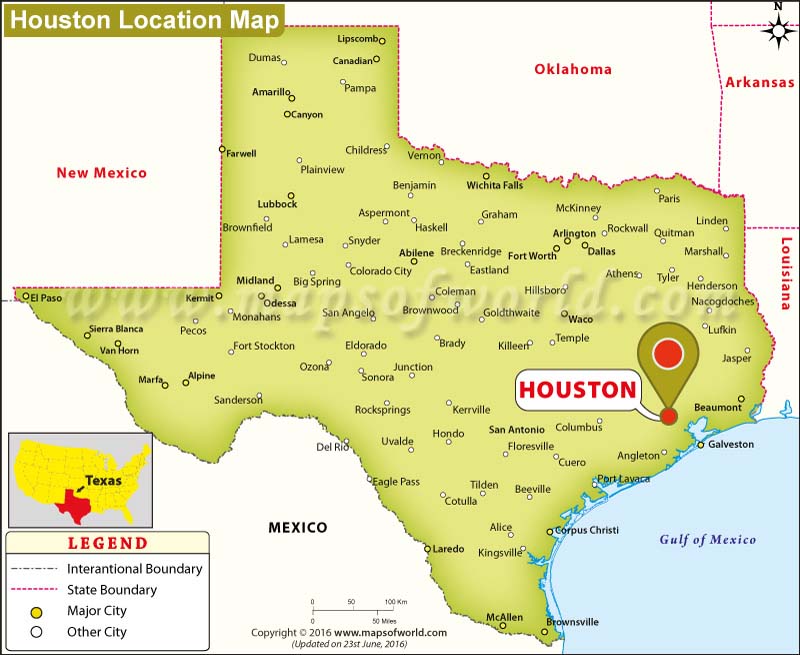
Houston, Texas is a major hub in the southern United States, making it a relatively accessible destination from many parts of the country and beyond. Its position influences not only how you get there but also its role as a gateway to other attractions in the region.
Proximity to Other Texas Cities
Houston, Texas is part of a large and interconnected metropolitan area. Its distance from other major Texas cities is also a key factor for many travelers:
- Dallas, Texas: Approximately 240 miles north, often a 3.5 to 4-hour drive.
- San Antonio, Texas: Approximately 200 miles west, a drive of about 3 to 3.5 hours.
- Austin, Texas: Approximately 165 miles west, a drive of about 2.5 to 3 hours.
- Galveston, Texas: A coastal city just about 50 miles south, a short drive of under an hour.
Understanding these relative distances is crucial if your travel plans involve visiting multiple cities in the Lone Star State.
Houston as a Travel Hub
The distance from your location to Houston, Texas will also influence its appeal as a potential travel hub for exploring the wider Gulf Coast region and beyond. Its extensive transportation networks, including major highways and airports, make it an excellent starting point for further adventures.
By accurately calculating the distance from your current location to Houston, Texas, you lay the groundwork for a successful and enjoyable travel experience, whether you are flying, driving, or taking a train. This initial step in understanding geographical proximity is the cornerstone of all effective travel planning.
LifeOutOfTheBox is a participant in the Amazon Services LLC Associates Program, an affiliate advertising program designed to provide a means for sites to earn advertising fees by advertising and linking to Amazon.com. Amazon, the Amazon logo, AmazonSupply, and the AmazonSupply logo are trademarks of Amazon.com, Inc. or its affiliates. As an Amazon Associate we earn affiliate commissions from qualifying purchases.