
The question of distance between two major metropolises like Dallas and Houston is more than just a geographical curiosity; it’s a fundamental piece of information for any traveler planning a trip, a business professional coordinating logistics, or simply someone looking to understand the vastness and interconnectedness of the Lone Star State. These two Texas titans, while both sprawling urban centers, offer distinct experiences and attract different kinds of visitors. Understanding the mileage is the first step in appreciating the journey, the potential routes, and the diverse landscapes that lie between them.
The Driving Distance: Navigating the Texas Highways
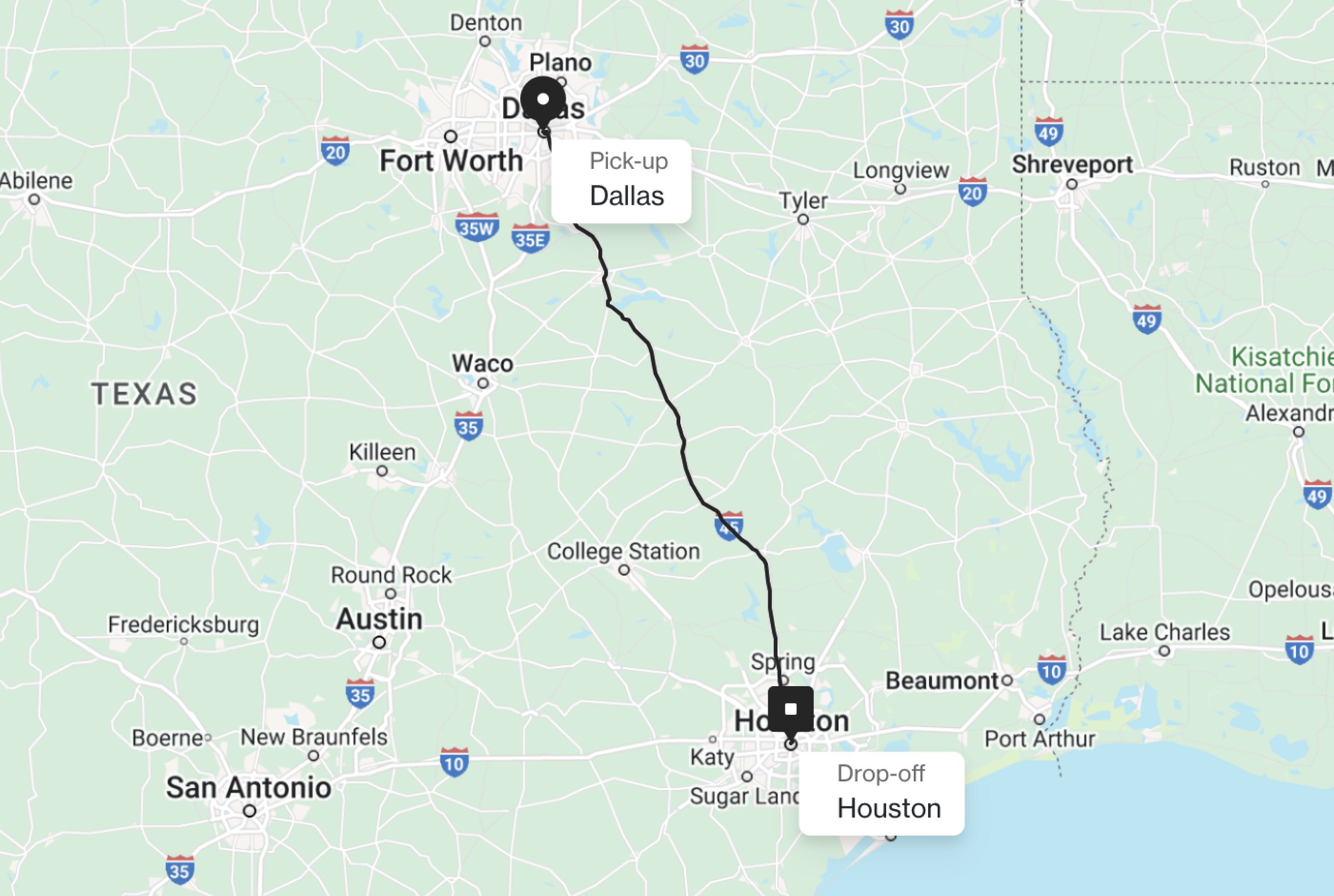
The most common method of travel between Dallas and Houston is undoubtedly by car. This quintessential Texas road trip allows for a degree of flexibility and immersion into the state’s geography that other modes of transport may not offer. The journey is primarily facilitated by a network of well-maintained highways, making the drive both efficient and, for many, an enjoyable experience.
Primary Driving Routes
The principal route connecting these two major Texas cities is Interstate 45 (I-45). This interstate highway is the most direct and typically the fastest path, spanning approximately 230 to 240 miles, depending on the exact starting and ending points within each city. The drive generally takes between three and a half to four hours, assuming normal traffic conditions. However, it’s crucial to note that traffic congestion, particularly as one approaches the outskirts of both Dallas and Houston, can significantly extend this travel time.
- I-45 Northbound (from Houston to Dallas): Travelers heading north from Houston will join I-45 and proceed directly towards Dallas. This route passes through several smaller Texas towns, offering glimpses into the diverse communities that dot the landscape between the major urban cores.
- I-45 Southbound (from Dallas to Houston): The southbound journey from Dallas mirrors the northbound route, making it a straightforward and familiar drive for many.
While I-45 is the most direct, alternative routes exist for those seeking a different experience or aiming to avoid potential traffic bottlenecks. One such alternative involves utilizing US Highway 290 for a portion of the journey, which can offer a more scenic, albeit slightly longer, drive through the Texas countryside. This route might involve connecting to other state highways and local roads, potentially adding an hour or more to the total travel time. For a truly off-the-beaten-path experience, a combination of state highways could be explored, but this is generally not recommended for travelers prioritizing speed and efficiency.
Factors Affecting Travel Time
Several factors can influence the actual time it takes to drive between Dallas and Houston. Understanding these variables can help travelers better plan their itinerary.
- Traffic Conditions: As mentioned, traffic is a significant factor. Both cities are prone to heavy congestion, especially during peak commuting hours (typically 6-9 AM and 3-7 PM on weekdays). Driving through these periods can add substantial time to the journey. Weekend traffic can also be unpredictable, particularly around major events or holidays.
- Construction and Roadwork: Texas is constantly growing and evolving, which often means ongoing construction projects on its major roadways. Detours and lane closures due to roadwork can cause delays. It’s advisable to check local traffic reports or use navigation apps that provide real-time updates on road conditions.
- Weather: While Texas generally experiences favorable weather for driving, severe thunderstorms, heavy rain, or even occasional fog can impact visibility and road safety, leading to slower travel speeds and potential delays.
- Stops and Breaks: The approximate driving time of 3.5 to 4 hours does not account for any stops for gas, food, or rest. For a comfortable journey, travelers should factor in at least one or two breaks, which will naturally extend the overall travel duration.
Flying Between Dallas and Houston: A Swift Aerial Option
For those prioritizing speed and convenience, flying between Dallas and Houston is a highly attractive option. The relatively short distance makes this a common route for business travelers and vacationers alike, with numerous daily flights connecting the two major hubs.
Airports and Airlines
Both cities boast significant airports that serve a multitude of domestic airlines.
- Dallas/Fort Worth International Airport (DFW): As one of the busiest airports in the world, DFW serves as a major hub for American Airlines and offers a vast array of domestic and international flights.
- Dallas Love Field (DAL): Primarily serving Southwest Airlines, DAL is a more convenient option for many within the city of Dallas itself, offering numerous flights to Houston.
- George Bush Intercontinental Airport (IAH): Houston’s primary international airport, IAH is a hub for United Airlines and handles a significant volume of air traffic.
- William P. Hobby Airport (HOU): Located closer to downtown Houston, HOU is a major base for Southwest Airlines and often provides a more convenient option for travelers heading into the heart of the city.
Numerous airlines operate flights between Dallas and Houston, including American Airlines, United Airlines, Southwest Airlines, and Spirit Airlines. Flight times are remarkably short, typically ranging from 50 minutes to 1 hour and 10 minutes.
The True Travel Time: Beyond the Flight
While the flight itself is brief, it’s essential to consider the entire travel process when flying.
- Getting to the Airport: This involves travel time from your origin to the airport, which can vary greatly depending on your location within the city and traffic conditions.
- Airport Procedures: Arriving at the airport well in advance is necessary for check-in, security screening, and boarding. This typically requires at least 1.5 to 2 hours prior to departure for domestic flights.
- Deplaning and Baggage Claim: Upon arrival, there is time spent deplaning and, if applicable, waiting for checked luggage.
- Getting from the Airport to Your Destination: Similar to the initial airport journey, travel time from the arrival airport to your final destination in Houston must be factored in.
When all these elements are considered, the total travel time door-to-door for a flight between Dallas and Houston can often be comparable to, or even exceed, the driving time, especially if one is traveling from one city center to another and encounters significant traffic to and from the airports. However, for longer distances within the metroplexes or for those who prefer to relax and avoid the demands of driving, flying remains a preferred method.
Other Modes of Transportation: Trains and Buses
While driving and flying are the most prevalent modes of travel, other options cater to different preferences and budgets.
Amtrak Rail Service
Amtrak offers passenger rail service between Dallas and Houston. The train journey, often utilizing routes that parallel the highways, typically takes around five to six hours. While longer than driving or flying, train travel can be a more relaxed experience, allowing passengers to move around, enjoy scenic views, and avoid the stresses of traffic or airport procedures. The Texas Eagle route is one of the services that connects these two cities.
Bus Services
Numerous intercity bus companies, such as Greyhound and FlixBus, operate regular services between Dallas and Houston. Bus travel is often the most budget-friendly option. The journey duration is typically comparable to driving, ranging from four to five hours, again subject to traffic conditions and the number of scheduled stops. These services provide a convenient way to travel for those seeking an economical choice, with numerous departure and arrival points within each city.
Understanding the Distance for Your Travel Plans
The distance between Dallas and Houston is a fundamental aspect of planning any trip between these two dynamic Texas cities. Whether you opt for the freedom of the open road, the speed of air travel, the leisurely pace of a train, or the affordability of a bus, knowing the approximate mileage and travel times will enable you to make informed decisions. Each mode of transportation offers a unique perspective on the Texan landscape and lifestyle, contributing to the overall richness of the travel experience. The roughly 240 miles that separate these urban giants are traversed daily by thousands, highlighting the vital connection and interdependence between these two cornerstones of the Texas economy and culture.
LifeOutOfTheBox is a participant in the Amazon Services LLC Associates Program, an affiliate advertising program designed to provide a means for sites to earn advertising fees by advertising and linking to Amazon.com. Amazon, the Amazon logo, AmazonSupply, and the AmazonSupply logo are trademarks of Amazon.com, Inc. or its affiliates. As an Amazon Associate we earn affiliate commissions from qualifying purchases.