
When considering a prolonged educational sojourn in the Lone Star State, particularly one that involves the rigorous pursuit of legal scholarship, the question of “How Long Is Law School In Texas?” becomes paramount. This inquiry extends beyond a mere numerical answer; it delves into the structure of legal education, the varied pathways available, and the significant commitment required to earn a Juris Doctor (J.D.) degree in this expansive and diverse state. Understanding the duration is crucial for prospective students, their families, and anyone seeking to grasp the temporal investment involved in becoming a legal professional in Texas.
The Standard J.D. Program Duration
The cornerstone of legal education in the United States, and by extension in Texas, is the Juris Doctor (J.D.) degree. This is the professional graduate degree awarded upon completion of a law school program. The overwhelming majority of Texas law schools offer a traditional full-time J.D. program that spans three academic years. These years are typically divided into fall and spring semesters, with many students also undertaking summer coursework or internships to accelerate their progress or gain practical experience.
Academic Year Structure
A standard academic year in a Texas law school generally begins in late August or early September and concludes in May. Each semester usually comprises approximately 15 weeks of instruction, followed by a period of final examinations. While the total calendar duration from matriculation to graduation is roughly three years, the actual time spent in classrooms and engaging in academic pursuits is considerably more intensive. The curriculum is demanding, covering a broad spectrum of legal subjects, from foundational constitutional law and contracts to more specialized areas like intellectual property or environmental law.
Full-Time vs. Part-Time Programs
While the three-year full-time J.D. program is the most prevalent, some Texas law schools also offer part-time or evening divisions. These programs are designed for individuals who need to balance their legal studies with work, family, or other significant commitments. Part-time J.D. programs typically take four to five academic years to complete. This extended timeline allows students to enroll in a reduced course load each semester, making the demanding curriculum more manageable. However, it also means a longer overall commitment to their legal education.
Factors Influencing Completion Time
Beyond the standard program structures, several external and internal factors can influence how long a student takes to complete law school in Texas. These range from academic performance and personal choices to broader institutional policies.
Academic Performance and Course Load
Students who maintain a strong academic record may have more flexibility in their course selection and pacing. Conversely, students who struggle with certain subjects or choose to retake courses might extend their time in law school. The decision to take a lighter course load in any given semester can also directly impact the overall duration. Some students may opt for a slower pace to better absorb the material or to accommodate personal circumstances.
Summer Programs and Accelerated Tracks
Many Texas law schools offer summer programs or optional summer courses. Students who take advantage of these can sometimes complete their degrees in slightly less than three calendar years, effectively front-loading their coursework. While not a common approach for the full J.D., these summer sessions are invaluable for internships, research projects, or catching up on credits.

Leave of Absence and Deferral
Life events, such as unexpected personal emergencies, health issues, or significant family obligations, can necessitate a leave of absence. Taking a leave of absence will, by definition, extend the total time required to graduate. Similarly, some students may defer their admission for a year or more after being accepted, which also impacts the start of their law school journey and the eventual completion date.
The Broader Context of Legal Education in Texas
The duration of law school is just one facet of the comprehensive legal education offered in Texas. The state boasts a number of highly regarded law schools, each with its unique approach to curriculum, pedagogy, and student support. Prospective students often choose a law school based on its reputation, location, specific program strengths, and cost, all of which are intertwined with the commitment of time.
Major Law Schools in Texas
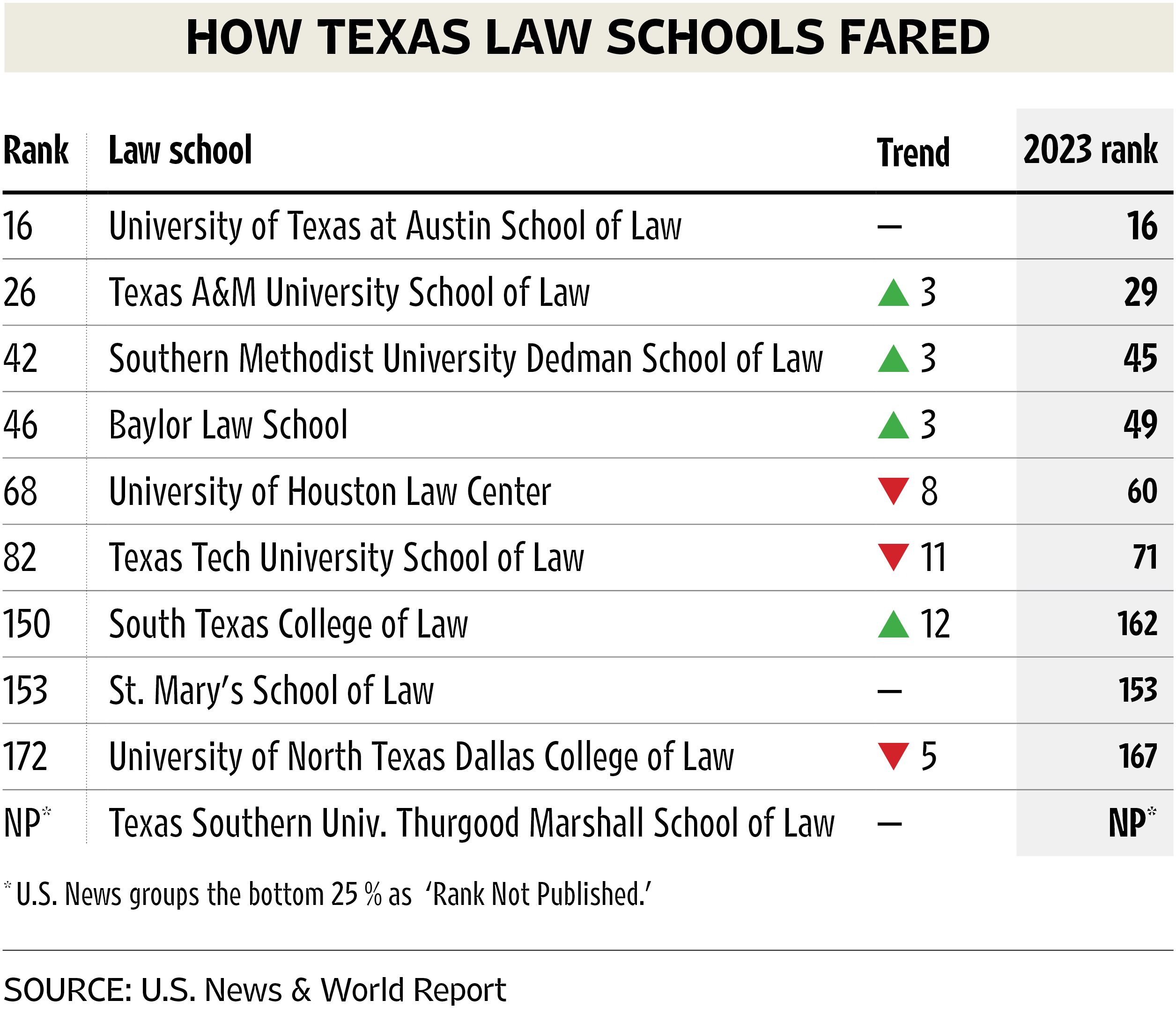
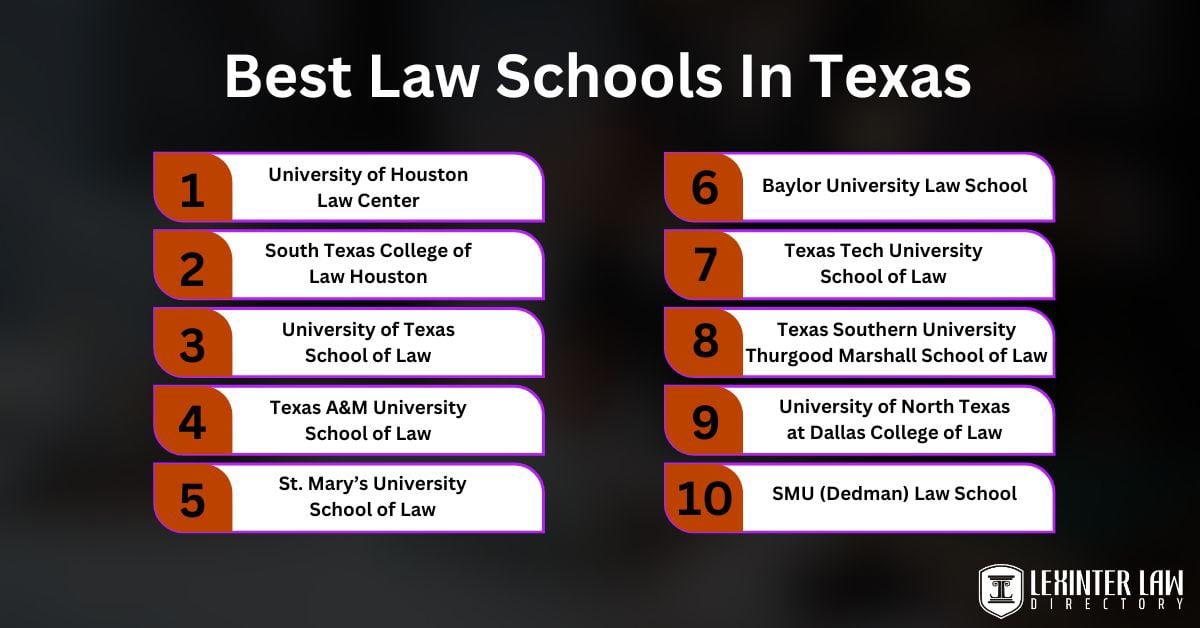
Texas is home to several prominent law schools that consistently rank among the nation’s best. These include, but are not limited to, the University of Texas School of Law in Austin, the Baylor University School of Law in Waco, the Southern Methodist University Dedman School of Law in Dallas, and the University of Houston Law Center in Houston. Each of these institutions adheres to the standard three-year full-time J.D. model, though their specific academic calendars and summer offerings might present slight variations.
Post-Graduation Commitments
It is also important to note that the three years spent in law school are merely the foundational phase. Upon graduation, aspiring attorneys must pass a state bar examination, which typically requires several months of intensive preparation. For Texas, this involves passing the notoriously challenging Texas Bar Exam. Following successful completion of the bar exam and meeting character and fitness requirements, individuals are then licensed to practice law. This entire process, from the start of law school to being a fully licensed attorney, represents a significant multi-year commitment.
Planning for the Law School Journey
For anyone contemplating law school in Texas, a clear understanding of the time commitment is essential. The standard three-year program requires immense dedication, discipline, and focus. Prospective students should consider their personal circumstances, financial planning, and career aspirations when evaluating the temporal investment.
Financial and Personal Considerations
The financial outlay for law school can be substantial, and extending the program beyond the standard three years will naturally increase tuition and living expenses. Therefore, careful financial planning is crucial. From a personal perspective, law school is an intellectually demanding and often stressful endeavor. Students should assess their readiness for such a commitment and explore support systems available through the law schools and their personal networks.
Career Aspirations and Specializations
The duration of law school is fixed at three years for the full-time J.D. However, the skills and knowledge acquired during this period are broad. Specialization often occurs through elective courses, clinics, externships, and post-graduate fellowships or clerkships. The path to becoming a practicing attorney is a marathon, with law school representing a critical, albeit substantial, initial leg of that journey. Understanding the “how long” is the first step in appreciating the entirety of the legal education and professional development process in Texas.
LifeOutOfTheBox is a participant in the Amazon Services LLC Associates Program, an affiliate advertising program designed to provide a means for sites to earn advertising fees by advertising and linking to Amazon.com. Amazon, the Amazon logo, AmazonSupply, and the AmazonSupply logo are trademarks of Amazon.com, Inc. or its affiliates. As an Amazon Associate we earn affiliate commissions from qualifying purchases.