
Texas, a state renowned for its vast landscapes and economic dynamism, also boasts an extensive network of airports that serve as crucial gateways for both domestic and international travelers. Understanding the sheer volume and distribution of these aviation hubs offers a compelling glimpse into the state’s logistical prowess and its significance in the broader travel ecosystem. While a precise, universally agreed-upon number can be fluid due to varying definitions and ongoing developments, exploring the landscape of Texas airports reveals a story of connectivity, commerce, and convenience.
The Vast Network of Texas Airports
The sheer scale of Texas, the second-largest state in the U.S. by both area and population, necessitates a comprehensive air transportation infrastructure. From bustling international hubs serving millions of passengers annually to small, rural airstrips catering to general aviation, the state’s airports are diverse in size, function, and operational scope. This extensive network is vital for connecting its major metropolitan centers, facilitating business travel, supporting the state’s significant energy and technology sectors, and enabling leisure travel to its many attractions.
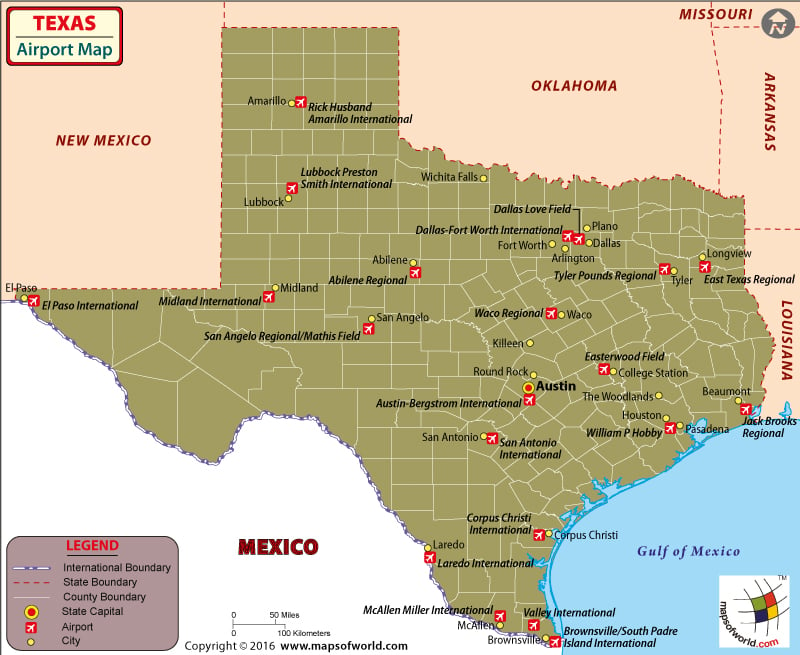
Major International and Commercial Airports
At the forefront of Texas’s aviation infrastructure are its major international and commercial airports. These facilities are the primary conduits for passenger and cargo traffic, handling the lion’s share of air travel within and into the state. They are characterized by advanced infrastructure, extensive airline offerings, and a constant flow of travelers.
- Dallas/Fort Worth International Airport (DFW): As one of the busiest airports in the world, Dallas/Fort Worth International Airport serves as a major hub for American Airlines. Its sprawling complex facilitates millions of passengers each year, connecting them to destinations across the globe.
- George Bush Intercontinental Airport (IAH) in Houston is another critical international gateway. It is a significant hub for United Airlines and handles a substantial volume of international and domestic flights, serving as a vital link for the energy industry and beyond.
- William P. Hobby Airport (HOU), also in Houston, is a key base for Southwest Airlines, focusing on domestic routes and providing an alternative for travelers in the region.
- Dallas Love Field Airport (DAL), while smaller than DFW, is a primary operational base for Southwest Airlines and handles a significant number of domestic flights, particularly within the United States.
- Austin-Bergstrom International Airport (AUS) in Austin has seen substantial growth, reflecting the city’s emergence as a major tech and cultural hub. It offers a wide array of domestic and international connections.
- San Antonio International Airport (SAT) serves the historic city of San Antonio, providing essential air access for residents and the thriving tourism industry, including visitors to the Alamo and the San Antonio River Walk.
- El Paso International Airport (ELP) is the primary air travel gateway for West Texas, connecting El Paso with major U.S. cities and supporting regional commerce.
- Rick Husband Amarillo International Airport (AMA) serves the Texas Panhandle, providing vital air links for the region, including access to Palo Duro Canyon State Park.
- Lubbock Preston Smith International Airport (LBB) is a key airport for the South Plains region, serving Lubbock and its surrounding communities, including Texas Tech University.
These major airports are not just points of departure and arrival; they are complex logistical operations with extensive facilities, including multiple runways, terminals, cargo handling areas, and retail services, all designed to manage high volumes of air traffic efficiently.
Regional and General Aviation Airports
Beyond the major international gateways, Texas is dotted with numerous regional and general aviation airports. These facilities play a crucial, albeit less visible, role in the state’s transportation network.
- Regional Airports: These airports typically serve smaller cities or metropolitan areas that do not have the passenger volume to support large international carriers but are essential for connecting these communities to the broader national air network. They often host smaller airlines and offer more limited flight schedules, but are vital for regional business and leisure travel. Examples include airports in cities like Waco, College Station (serving Texas A&M University), and Beaumont.
- General Aviation Airports: This category encompasses a vast number of airports, ranging from private airstrips to public-use airports primarily serving private pilots, corporate jets, flight training, and recreational aviation. These airports are indispensable for small businesses, agricultural operations (e.g., crop dusting), emergency services, and individuals who own or charter aircraft. They provide flexibility and access to areas not served by commercial airlines. The exact count of these smaller facilities can fluctuate, as some may be privately owned and less formally documented in public aviation databases.
The Texas Department of Transportation (TxDOT) Aviation Division plays a significant role in supporting and developing this extensive network of general aviation airports, recognizing their importance for economic development and accessibility across the state.
Factors Influencing Airport Counts
Pinpointing an exact number of airports in Texas is a complex endeavor due to several influencing factors:
Defining “Airport”
The primary challenge in obtaining a precise number lies in the definition of what constitutes an “airport.” Different organizations and databases use varying criteria.
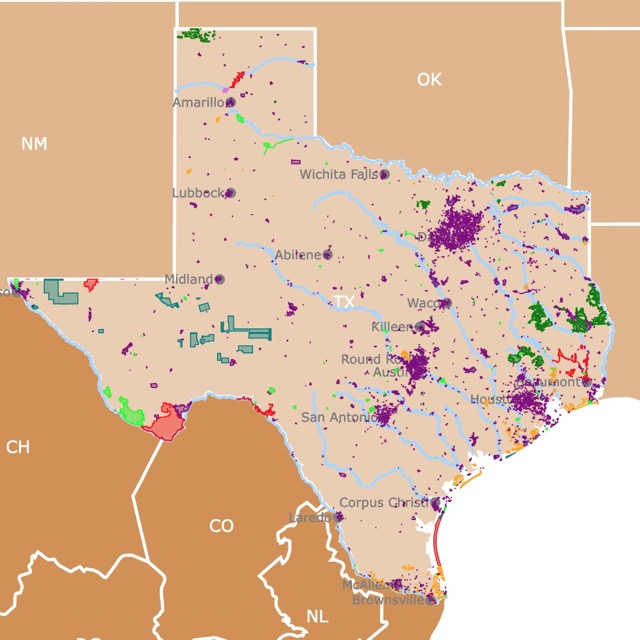
- Public Use Airports: These are airports generally open to the public for operations, which are typically listed in official aviation directories like the FAA’s National Plan of Integrated Airport Systems (NPIAS).
- Private Airfields: Many private airstrips, owned by individuals or corporations for their exclusive use, may not be included in public counts.
- Heliports and Vertiports: While important for air transit, heliports and the emerging vertiport infrastructure for eVTOL aircraft are often categorized separately from traditional airports.
- Military Airfields: Air Force bases and other military installations with runways are significant aviation facilities but are usually excluded from civilian airport counts. Texas hosts several major military aviation facilities, such as Dyess Air Force Base in Abilene and Sheppard Air Force Base in Wichita Falls.
Data Sources and Reporting
The Federal Aviation Administration (FAA) is the primary source for official airport data in the United States. However, data can be categorized differently by the FAA, state aviation agencies, and private aviation organizations, leading to discrepancies. For instance, the FAA’s Airport Master Record (Form 5010) database lists a vast number of airports, airstrips, and heliports.
Ongoing Development and Closure
The aviation landscape is dynamic. New airports are sometimes built to serve growing communities or specific industries, while others may cease operations due to economic factors, land use changes, or consolidation. This constant flux means any numerical snapshot is subject to change.
The Economic and Travel Impact
The sheer number of airports in Texas underscores the state’s critical role in national and international travel and commerce. These facilities are not just points on a map; they are engines of economic activity.
Facilitating Commerce and Industry
Texas’s diverse economy, encompassing oil and gas, technology, aerospace, agriculture, and manufacturing, relies heavily on efficient air transportation. Businesses use airports to transport goods, conduct meetings, and move personnel rapidly across vast distances. Major international airports like DFW and IAH handle substantial cargo volumes, supporting supply chains and international trade.
Supporting Tourism and Leisure Travel
Texas offers a rich tapestry of attractions, from the vibrant cultural scene of Austin and the historic sites of San Antonio to the natural beauty of Big Bend National Park and the beaches of the Gulf Coast. Airports provide the essential access points for tourists wishing to explore these diverse destinations. Regional airports ensure that travelers can reach smaller towns and attractions more conveniently, enhancing the overall visitor experience.
Connecting Communities
For many smaller towns and rural areas in Texas, a local airport is a lifeline, providing essential connectivity that might otherwise be absent. This is particularly important for emergency medical services, access to specialized healthcare, and for residents who need to travel for business or personal reasons to areas not easily reachable by other means.
A Snapshot of Texas Aviation
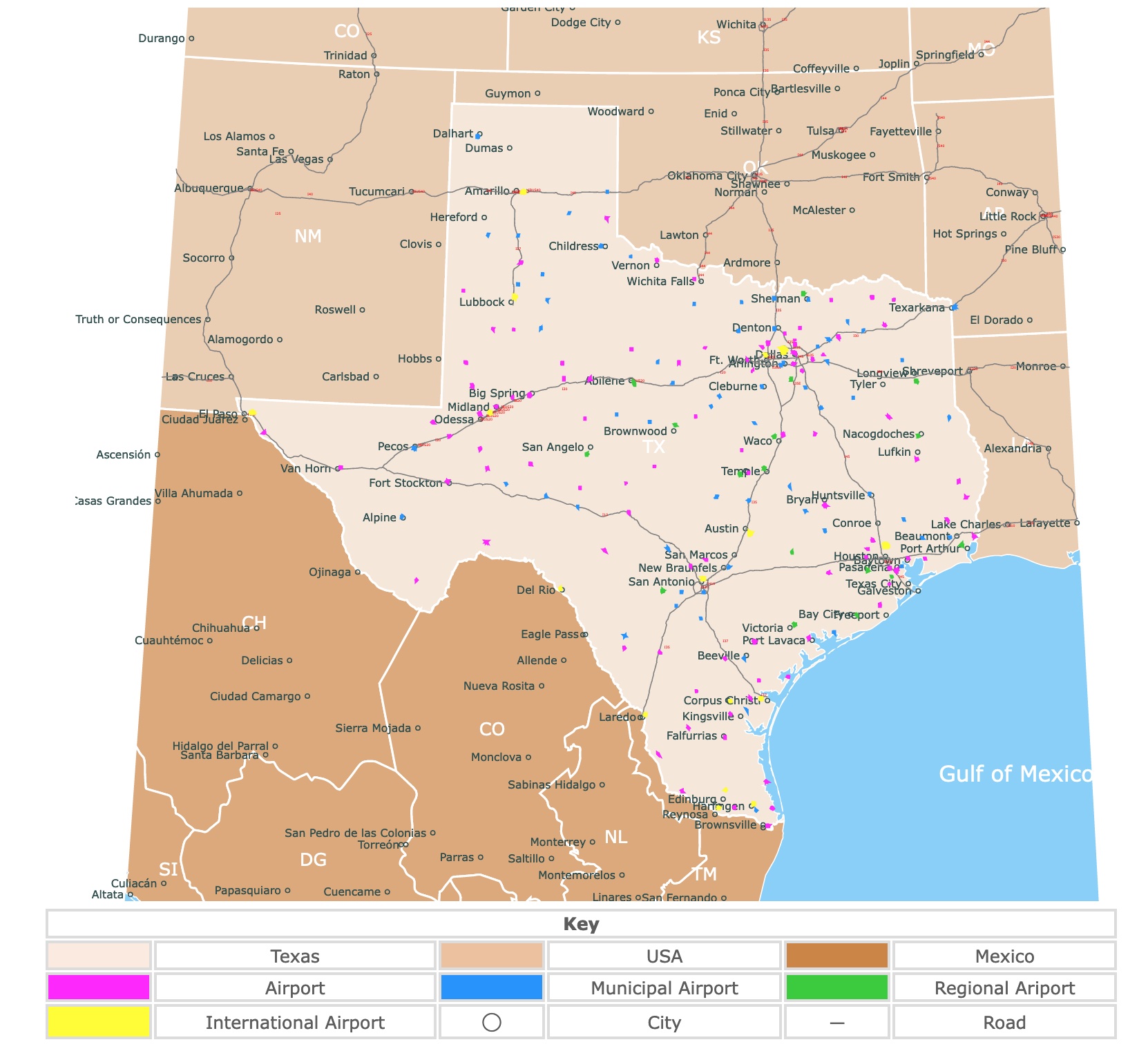
While an exact, definitive number for all types of aviation facilities in Texas is challenging to provide due to the varying definitions and data sources, it is clear that the state possesses one of the most extensive airport infrastructures in the United States. The U.S. Department of Transportation’s Federal Aviation Administration (FAA) typically identifies over 1,000 public-use airports within Texas. This figure often includes:
- Commercial Service Airports: Airports that receive scheduled passenger service. There are approximately 25-30 such airports in Texas, depending on the specific classification of those that handle a very small number of flights.
- General Aviation Airports: The vast majority of public-use airports fall into this category. These serve private planes, corporate aviation, flight training, and other non-commercial operations. This number alone accounts for hundreds of facilities.
When considering all registered landing facilities, including private airstrips, heliports, and other non-public-use locations, the total number of aviation sites in Texas would easily climb into the thousands, likely exceeding 2,000 or even 3,000 by some estimates. This remarkable density of aviation infrastructure underscores Texas’s position as a powerhouse in air travel and logistics, essential for its economic vitality and the connectivity of its diverse population and attractions. The state’s commitment to aviation development, from major international hubs to crucial local airstrips, ensures its continued role as a vital nexus in the skies.
LifeOutOfTheBox is a participant in the Amazon Services LLC Associates Program, an affiliate advertising program designed to provide a means for sites to earn advertising fees by advertising and linking to Amazon.com. Amazon, the Amazon logo, AmazonSupply, and the AmazonSupply logo are trademarks of Amazon.com, Inc. or its affiliates. As an Amazon Associate we earn affiliate commissions from qualifying purchases.