
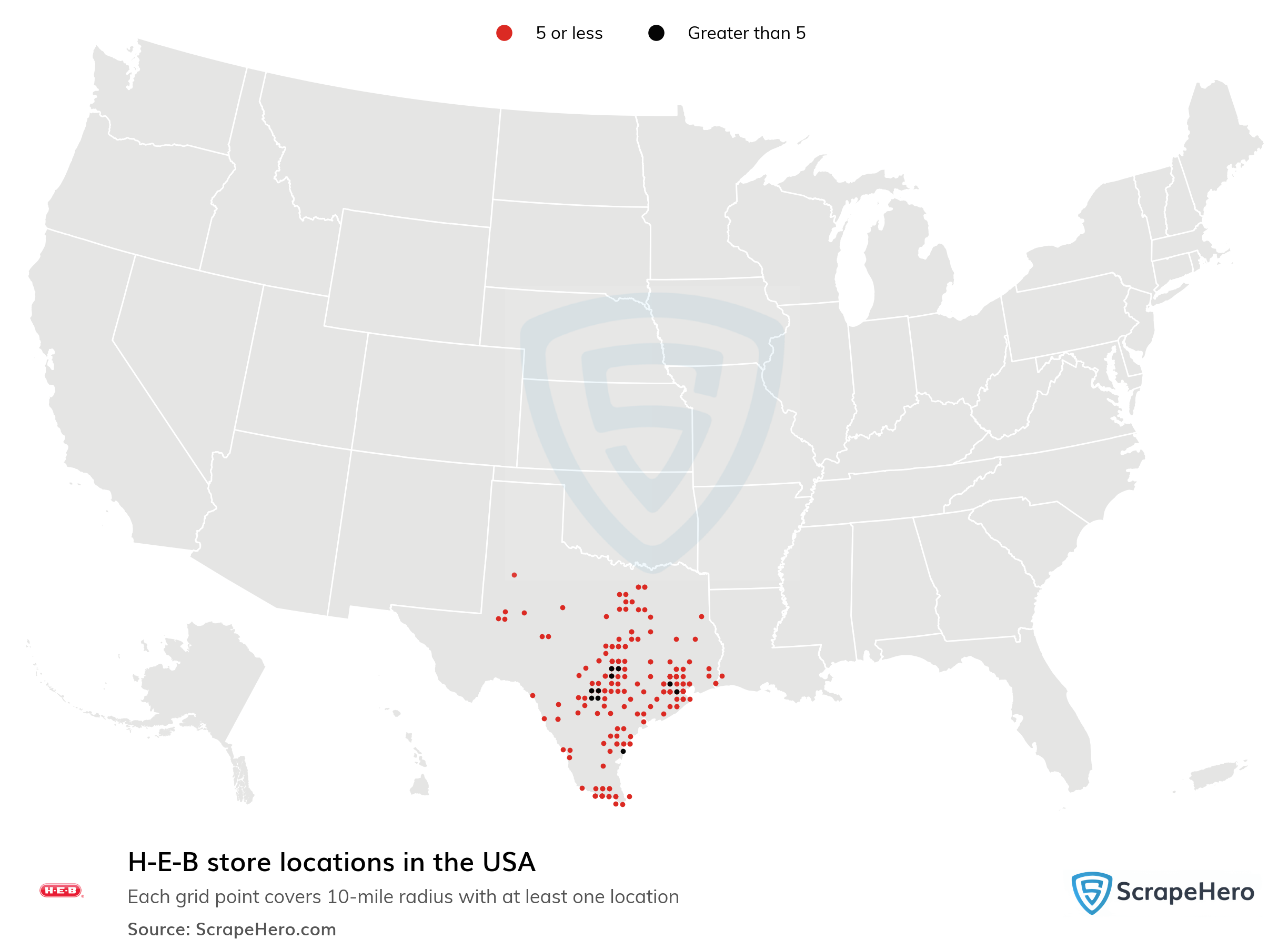
The question of “How many Hebs are in Texas?” is a deceptively simple one, hinting at a deeper exploration of community, connection, and the vital role these gathering spaces play in the Lone Star State’s unique tapestry. While the term “Heb” might evoke images of a specific establishment for some, within the context of Texas, it often refers to a more informal, yet profoundly significant, aspect of local life: community hubs, informal gathering spots, and places where people connect. Understanding the “Hebs” in Texas requires us to look beyond physical structures and delve into the social geography of its diverse regions. This article will explore the concept of these community anchors, identifying their prevalence and impact across the vast landscape of Texas.
Defining the Texas “Heb”
To accurately answer “How many Hebs are in Texas?”, we must first establish a clear understanding of what constitutes a “Heb” in this context. It’s not a singular, quantifiable entity like a chain store. Instead, a “Heb” is a dynamic and multifaceted concept.
Informal Gathering Places
At its core, a “Heb” is an informal gathering place. This can range from the corner diner where locals greet each other by name to the community center hosting potlucks and local events. These are places where spontaneous interactions occur, fostering a sense of belonging and shared identity. Think of the friendly wave from a fellow patron at a small-town grocery store, or the lively chatter at a coffee shop in a bustling Austin neighborhood. These are the everyday “Hebs” that form the backbone of social life.
Community Anchors
Beyond casual encounters, “Hebs” often serve as genuine community anchors. These are the places that facilitate organized activities, support local initiatives, and provide essential services or social connections. This could include:
- Local Libraries: Offering not just books but also workshops, reading groups, and internet access.
- Parks and Public Spaces: Serving as venues for festivals, farmers’ markets, and casual recreation.
- Religious Institutions: Providing spiritual guidance and a platform for community service and fellowship.
- Senior Centers: Offering activities and social engagement for older adults.
- Community Gardens: Bringing people together to cultivate food and build relationships.
The Spirit of Connection
Crucially, a “Heb” embodies a spirit of connection. It’s a place where relationships are built and maintained, where individuals feel seen and valued. This can be as simple as a friendly chat with the bartender at a local pub or as involved as neighbors organizing a block party. The “Heb” is where the social fabric of Texas is woven and strengthened.
Quantifying the Unquantifiable: A Community Census
Given the informal and diverse nature of “Hebs,” a precise numerical answer to “How many Hebs are in Texas?” is impossible. There isn’t a central registry for “community gathering spots.” However, we can approach this question by considering the types of establishments and organizations that frequently embody the spirit of a “Heb” and examining their presence across the state.
The Ubiquitous Local Eatery
No exploration of Texas community life would be complete without acknowledging the role of its countless local eateries. From roadside barbecue joints to family-owned cafes and vibrant taquerias, these establishments are more than just places to eat; they are social nexus points.
- Barbecue Joints: In Texas, barbecue is a religion, and the smokehouses that serve it are de facto community gathering places. Whether it’s a legendary spot like Franklin Barbecue in Austin or a humble truck stop offering mouthwatering brisket, these places draw people together.
- Diners and Cafes: The classic diner or coffee shop is a quintessential “Heb” in many Texas towns. These are the spots for morning coffee, afternoon snacks, and casual meetings, fostering a sense of continuity and familiarity.
- Ethnic Restaurants: From Tex-Mex to Vietnamese pho shops, diverse culinary offerings also create community “Hebs,” serving as cultural touchstones and meeting points for various communities.
It’s estimated that Texas has tens of thousands of these independent food establishments, each serving as a potential “Heb” for its local community.
The Role of Retail and Services
Beyond food, various retail and service-oriented businesses also function as vital “Hebs.”

- Independent Bookstores: These literary havens often host author readings, book clubs, and discussions, becoming intellectual and social hubs.
- Hardware Stores: In smaller towns, the local hardware store is often a place where community news is exchanged and advice is sought, extending far beyond the sale of tools and supplies.
- Barbershops and Salons: These establishments have long been traditional spots for conversation and community connection, transcending their primary service.
While difficult to quantify precisely, the sheer number of these small businesses operating across Texas suggests a vast network of informal “Hebs.”
Formal Community Organizations
While “Hebs” are often informal, many formal organizations actively cultivate community connection and can be considered intentional “Hebs.”
- Community Centers: Many cities and towns have dedicated community centers that offer a wide array of programs and services, acting as central gathering points for residents of all ages.
- Libraries: As mentioned earlier, public libraries have evolved into dynamic community spaces, offering far more than just literature.
- Churches and Faith-Based Organizations: These institutions are cornerstones of many Texas communities, providing spiritual nourishment, social support, and opportunities for service.
- Non-Profit Organizations: Local non-profits dedicated to causes ranging from environmental protection to supporting families often operate from central locations that become gathering and meeting points for volunteers and beneficiaries.
The number of these formal organizations is substantial, each contributing to the state’s overall community infrastructure.
Regional Variations: Hebs Across the Lone Star State
The nature and prevalence of “Hebs” can vary significantly across Texas‘s diverse regions, reflecting the state’s varied geography, demographics, and cultural influences.
Urban Centers: Diverse and Dynamic Hubs
In major metropolitan areas like Houston, Dallas, San Antonio, and Austin, “Hebs” are often more diverse and specialized.
- Austin: Known for its vibrant music scene, Austin boasts numerous live music venues, coffee shops, and food trucks that act as informal “Hebs.” Its numerous parks and trails also serve as popular gathering spots for outdoor activities and social interaction.
- Houston: As a vast and multicultural city, Houston‘s “Hebs” are incredibly varied. Neighborhood cafes, ethnic enclaves with specific restaurants, and large parks like Discovery Green serve as vital community anchors.
- Dallas: Dallas features a blend of upscale shopping districts with charming local boutiques and a burgeoning culinary scene, each offering potential “Heb” experiences. Its various arts districts also foster community engagement.
- San Antonio: With its rich Hispanic heritage, San Antonio‘s “Hebs” are deeply intertwined with its culture. The historic Riverwalk, local taquerias, and community festivals are central to its social life.
Rural Communities: The Heartbeat of Small-Town Texas
In smaller towns and rural areas, “Hebs” are often fewer in number but hold even greater significance. They are typically the primary social centers for residents.
- The General Store/Post Office: In the smallest hamlets, the local general store or post office might double as the de facto community center, where news is exchanged and social connections are maintained.
- Local Churches: Churches are often the absolute central gathering point in rural Texas, hosting events, providing support, and fostering a strong sense of community.
- Community Halls: Many rural communities have a community hall that serves as a venue for dances, meetings, and holiday celebrations.
- High School Football Games: In many Texas towns, the Friday night high school football game is the ultimate community “Heb,” bringing the entire town together to support their team.
Specific Cultural Enclaves
Texas‘s diverse population means that various cultural enclaves have their own unique “Hebs.” For instance, the German heritage of the Texas Hill Country manifests in towns with active Bavarian-style beer gardens and community halls that host traditional festivals.
The Enduring Importance of Texas Hebs
While a definitive number remains elusive, the concept of “Hebs” in Texas highlights a fundamental aspect of human society: the need for connection and community. These informal gathering places, whether a bustling diner in Dallas or a quiet coffee shop in a Texas Hill Country town, are the threads that bind communities together. They are where stories are shared, friendships are forged, and a sense of belonging is cultivated.
The question “How many Hebs are in Texas?” is less about a quantifiable count and more about appreciating the vast and often understated network of places that foster human connection. These “Hebs” are the lifeblood of Texas communities, contributing immeasurably to the state’s vibrant and unique character. From the grandest cities to the most remote ranches, the spirit of community, embodied in these gathering spots, continues to thrive across the Lone Star State.
LifeOutOfTheBox is a participant in the Amazon Services LLC Associates Program, an affiliate advertising program designed to provide a means for sites to earn advertising fees by advertising and linking to Amazon.com. Amazon, the Amazon logo, AmazonSupply, and the AmazonSupply logo are trademarks of Amazon.com, Inc. or its affiliates. As an Amazon Associate we earn affiliate commissions from qualifying purchases.