
Understanding the demographic landscape of a vibrant metropolis like Dallas, Texas is key to appreciating its dynamic character and the experiences it offers to residents and visitors alike. While a precise, real-time headcount is impossible, population figures provide a crucial lens through which to view Dallas as a destination. This exploration delves into the population trends, the factors influencing its growth, and what these numbers signify for the city’s tourism and lifestyle offerings.
The Pulse of a Growing Metropolis
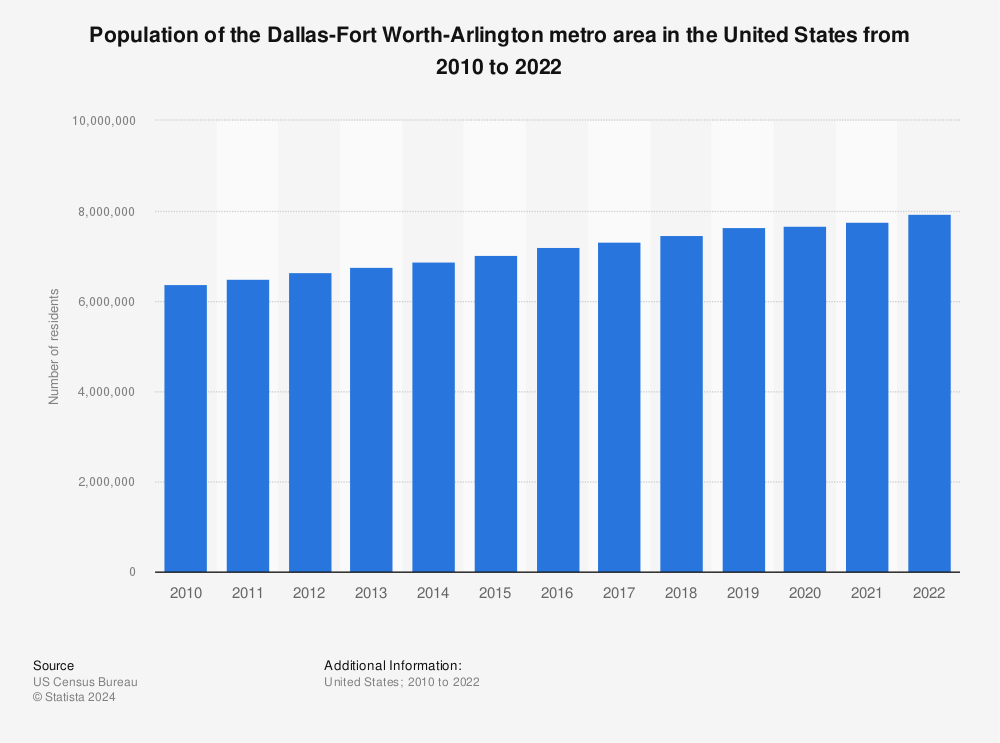
The population of Dallas, Texas is a significant figure, placing it among the most populous cities in the United States. As of recent estimates, the city itself is home to well over a million residents. However, to truly grasp the scale of the Dallas experience, one must consider the broader metropolitan area. The Dallas-Fort Worth-Arlington Metropolitan Statistical Area (MSA) is a sprawling urban expanse, consistently ranking as one of the largest and fastest-growing MSAs in the nation. This vast region encompasses numerous cities and counties, creating a rich tapestry of communities that contribute to the overall dynamism of North Texas.
Understanding the Numbers: City Proper vs. Metroplex
When discussing the population of Dallas, it is crucial to distinguish between the population of the city proper and that of the Dallas-Fort Worth Metroplex. The city of Dallas itself boasts a robust population, a testament to its economic vitality and appeal as a place to live and work. This core population fuels the city’s day-to-day life, supporting its businesses, cultural institutions, and entertainment venues.
However, the true scale of the region’s human capital is revealed when examining the Dallas-Fort Worth-Arlington MSA. This metropolitan area is home to millions of people, creating a significant economic engine and a diverse consumer base. This larger population is what shapes the overall tourism landscape, influencing the sheer volume of visitors and the diversity of experiences available. A large metro population means a higher demand for hotels, restaurants, attractions, and a wider array of activities, all of which contribute to the vibrant tourism sector.
Factors Driving Population Growth
The impressive growth of the Dallas region is not accidental. Several key factors contribute to its sustained expansion, making it an attractive destination for both new residents and tourists seeking a dynamic urban experience.
Economic Opportunities and Job Market
Dallas is a significant hub for a variety of industries, including finance, technology, transportation, and healthcare. The presence of major corporations and a thriving entrepreneurial ecosystem creates a robust job market, drawing in skilled professionals and diverse talent from across the country and the globe. This influx of workers not only swells the resident population but also signifies a strong economy that supports a vibrant tourism industry, with business travel being a significant component. The availability of jobs translates into disposable income, which in turn fuels spending on leisure activities and hospitality services.
Affordability and Quality of Life
While once considered a more affordable option compared to coastal metropolises, Dallas has seen its cost of living rise. However, it generally still offers a competitive advantage in terms of affordability when juxtaposed with its economic opportunities and lifestyle amenities. The region boasts a wide range of housing options, from urban apartments to suburban family homes, catering to various income levels and preferences. Coupled with a generally lower tax burden compared to some other states, this economic accessibility continues to attract new residents. For tourists, this translates into a city that offers a wealth of experiences without necessarily carrying the exorbitant price tag of some other major destinations. The quality of life, including access to parks, cultural events, and recreational activities, further enhances its appeal.
Strategic Location and Infrastructure
Dallas’s central location in the United States makes it a critical transportation hub. Dallas/Fort Worth International Airport (DFW) is one of the busiest airports in the world, facilitating easy access for both domestic and international travelers. This connectivity is paramount for tourism, ensuring that visitors can reach Dallas conveniently. Furthermore, the city’s well-developed infrastructure, including its extensive highway system and public transportation networks, makes it easy for people to navigate the sprawling metro area once they arrive. This ease of movement enhances the overall visitor experience, allowing them to explore a wide range of attractions and neighborhoods.
Implications for Tourism and Lifestyle in Dallas
The population figures and growth trends of Dallas, Texas have direct and significant implications for the city’s tourism and lifestyle sectors. A large and growing population creates a robust demand for services, attractions, and experiences, shaping the very fabric of what Dallas has to offer.
A Diverse Culinary and Entertainment Scene
The sheer number of people residing in and around Dallas cultivates an incredibly diverse and dynamic culinary scene. With millions of residents and a constant stream of visitors, the demand for varied dining experiences is immense. This drives innovation and specialization among restaurateurs, resulting in a gastronomic landscape that ranges from authentic Tex-Mex and traditional Southern comfort food to cutting-edge international cuisine and upscale fine dining. Similarly, the entertainment sector thrives. From live music venues and professional sports teams like the Dallas Cowboys and the Dallas Mavericks, to Broadway shows at the Winspear Opera House and independent theaters, there is a constant flow of events and performances catering to a wide array of tastes. This vibrant entertainment ecosystem is a major draw for tourists looking for engaging experiences.
A Flourishing Hotel and Accommodation Market
The significant population, both permanent and transient, naturally underpins a robust hotel and accommodation market in Dallas. The city is well-equipped to host millions of visitors annually, with a wide spectrum of lodging options. This includes world-class luxury hotels such as The Ritz-Carlton Dallas and boutique properties offering unique stays, alongside more budget-friendly options and extended-stay accommodations. The presence of major convention centers, such as the Kay Bailey Hutchison Convention Center, attracts a steady flow of business travelers, further bolstering the demand for hotel rooms and event facilities. For leisure travelers, the availability of diverse accommodations ensures they can find a place that suits their budget and desired experience, from convenient downtown hotels to charming bed and breakfasts in historic neighborhoods like Old East Dallas.
Cultural Attractions and Lifestyle Experiences
The population density and cultural diversity of the Dallas region foster a rich array of cultural attractions and lifestyle experiences. The city is home to a world-class arts district, featuring institutions like the Dallas Museum of Art, the Nasher Sculpture Center, and the Perot Museum of Nature and Science. These institutions are not only educational but also serve as significant tourist destinations, attracting visitors eager to immerse themselves in art, culture, and science. Beyond these major landmarks, the region offers numerous parks, vibrant shopping districts like NorthPark Center, and distinct neighborhoods, each with its own unique character and appeal. The active lifestyle of many residents also contributes to the availability of outdoor recreational opportunities, from hiking and biking trails to numerous golf courses. This blend of cultural depth and lifestyle amenities makes Dallas a compelling destination for a wide range of travelers.
The Future of Dallas’s Population and its Impact
As Dallas, Texas continues its trajectory of growth, the implications for its future as a tourism and lifestyle destination are profound. The ongoing influx of people, driven by economic opportunity and a desirable quality of life, ensures that the city will remain a dynamic and evolving hub.
Sustained Growth and Urban Development
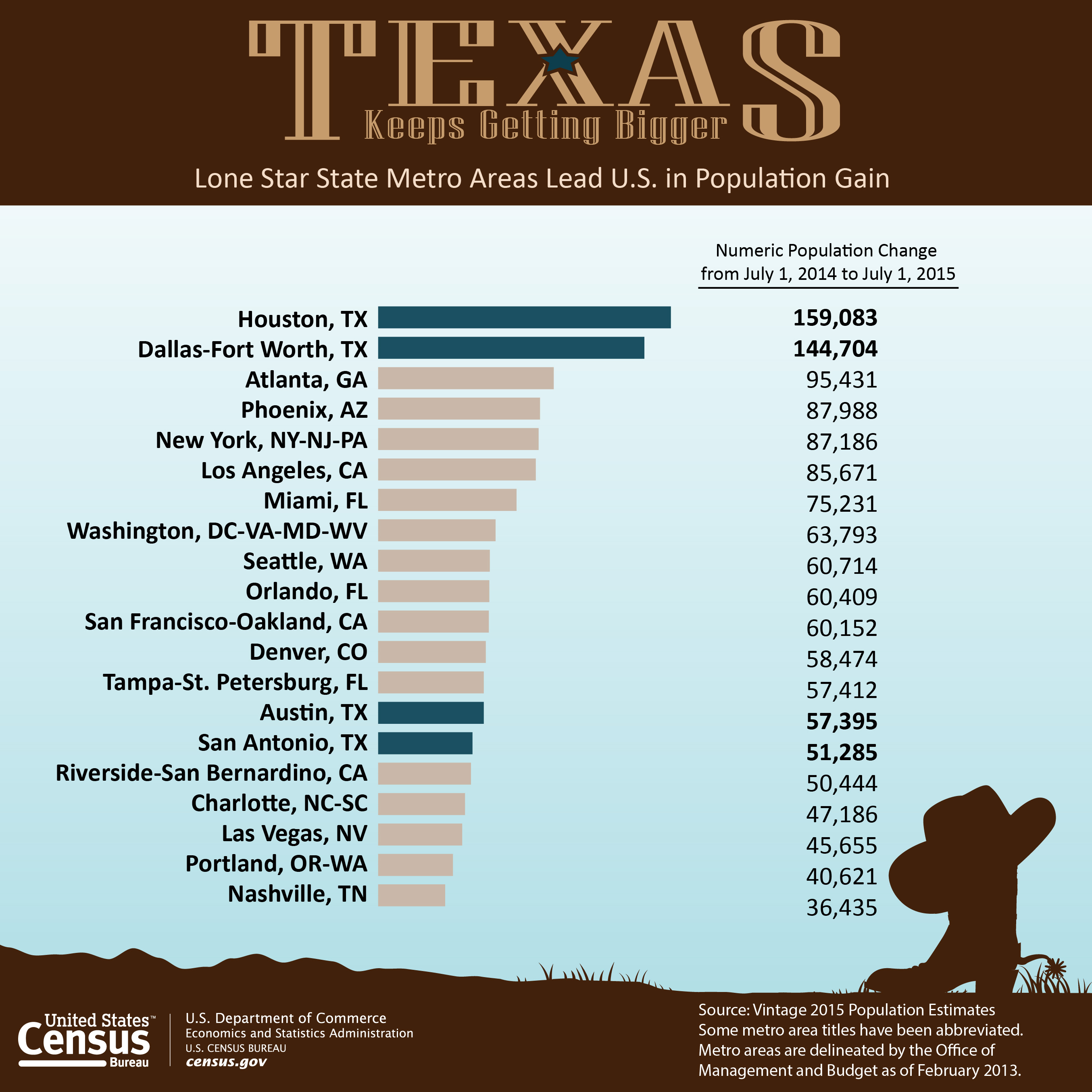
Projections indicate that the Dallas-Fort Worth Metroplex will continue to be one of the fastest-growing regions in the United States. This sustained growth will likely lead to further urban development, with new residential, commercial, and recreational spaces being created. For tourists, this means an ever-expanding array of attractions, dining options, and unique experiences to discover. The city’s infrastructure will likely continue to adapt, with ongoing investments in transportation and public services to accommodate the increasing population. This constant evolution ensures that Dallas remains a compelling destination, offering something new for repeat visitors.

Evolving Demographics and Cultural Enrichment
The changing demographics of Dallas will undoubtedly enrich its cultural tapestry. As the population diversifies, so too will the cultural influences that shape the city. This translates into a more vibrant and multifaceted experience for visitors, with a wider range of ethnic cuisines, cultural festivals, and artistic expressions. The blend of traditional Texan heritage with new global influences creates a unique urban identity that is both familiar and exciting. This continuous cultural infusion makes Dallas a destination that reflects the contemporary United States in all its complexity and richness, offering a dynamic and engaging experience for every traveler.
LifeOutOfTheBox is a participant in the Amazon Services LLC Associates Program, an affiliate advertising program designed to provide a means for sites to earn advertising fees by advertising and linking to Amazon.com. Amazon, the Amazon logo, AmazonSupply, and the AmazonSupply logo are trademarks of Amazon.com, Inc. or its affiliates. As an Amazon Associate we earn affiliate commissions from qualifying purchases.