
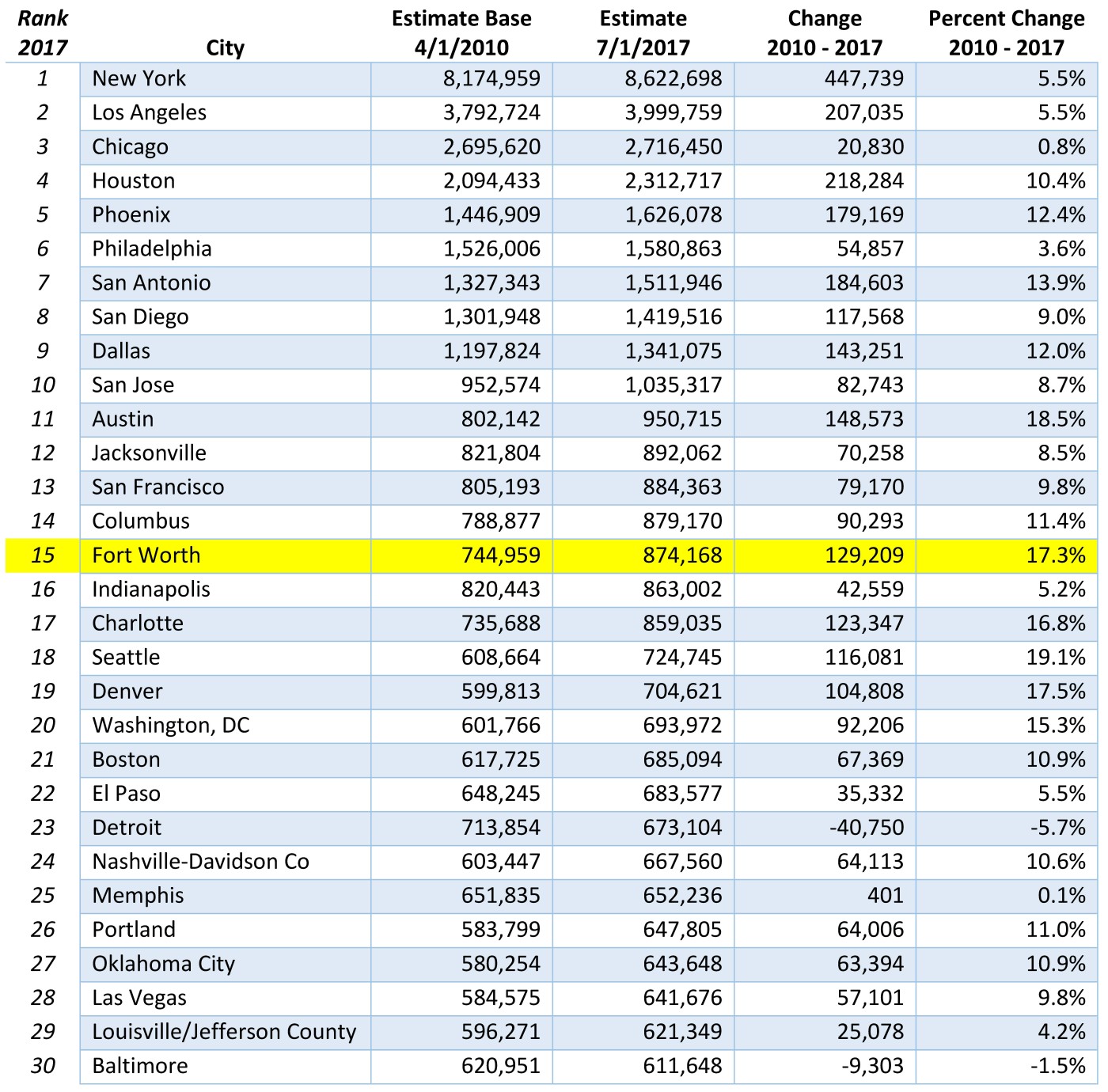
As the fifth-largest city in Texas and the 13th-largest in the United States, Fort Worth, Texas, is a bustling metropolis with a rich history and a vibrant present. Understanding its population is key to appreciating its scale, its economic engine, and the diverse communities that call it home. While official census data provides the most definitive answers, examining population trends and demographic shifts offers a deeper insight into the city’s dynamic growth and its evolving character. This exploration delves into the current population figures, historical context, and the factors shaping Fort Worth’s demographic landscape, providing a comprehensive overview for those interested in this prominent Texan city.
The Latest Population Figures for Fort Worth
Pinpointing the exact number of residents in any city is a dynamic process, with figures constantly being updated by various demographic tracking agencies. The most authoritative source for population data in the United States is the U.S. Census Bureau. According to the most recent available data, Fort Worth has seen significant growth.
Recent Census Data and Projections
The 2020 U.S. Census reported a population of 918,915 for Fort Worth. This represented a substantial increase from previous census counts, underscoring the city’s rapid expansion. Following the census, various organizations and government bodies provide annual estimates and projections. These estimates suggest that Fort Worth’s population has continued to climb. As of recent estimates, the population is often cited as being over 950,000, with projections indicating the city is on a strong trajectory to surpass the one-million mark in the coming years. This growth is not unique to Fort Worth but is characteristic of many cities within the booming Dallas-Fort Worth (DFW) metroplex.
Understanding Population Estimates
It’s important to note that population estimates are not direct counts but rather sophisticated calculations based on factors such as birth rates, death rates, and migration patterns. While the U.S. Census Bureau conducts a decennial census, they also release annual population estimates for cities and towns across the nation. These estimates provide a more up-to-date snapshot of a city’s population between census years. For Fort Worth, these ongoing estimates reflect a consistent upward trend, fueled by a robust economy and an attractive quality of life.
Historical Population Trends in Fort Worth
To fully grasp the current population of Fort Worth, it is beneficial to examine its historical growth trajectory. The city’s development has been marked by periods of significant expansion, often linked to economic booms and the expansion of its infrastructure.
Early Growth and the Ranching Era
Founded in 1849 as a frontier outpost, Fort Worth initially experienced modest growth. Its strategic location on the Chisholm Trail and its role as a cattle trading center in the late 19th century spurred its early development. By the turn of the 20th century, the population was still in the tens of thousands.
The 20th Century Boom
The 20th century witnessed a more dramatic increase in Fort Worth’s population. The discovery of oil in the East Texas Oil Field in the 1930s, while centered in other parts of the state, had ripple effects that benefited the entire region, including Fort Worth’s economic landscape and population growth. Post-World War II, suburbanization and the expansion of industries, particularly aviation and defense, further fueled the city’s expansion. Each subsequent census showed a steady increase, transforming Fort Worth from a regional center into a major metropolitan city.
The Late 20th and Early 21st Century Surge
The latter half of the 20th century and the beginning of the 21st century have been characterized by particularly rapid growth. This surge is intrinsically linked to the overall expansion of the DFW metroplex. The establishment and growth of major corporations, a favorable business climate, and a lower cost of living compared to other major U.S. cities have drawn both businesses and individuals to the region. Fort Worth, with its distinct identity and economic opportunities, has been a primary beneficiary of this sustained growth.

Factors Driving Population Growth in Fort Worth
The impressive population figures for Fort Worth are not accidental. A confluence of economic, social, and geographical factors contributes to its appeal as a place to live and work.
Economic Opportunities and Job Market
Fort Worth boasts a diverse and robust economy. Key sectors include aviation, defense, technology, and healthcare. Major employers like Lockheed Martin, American Airlines (headquartered in nearby Fort Worth and Dallas), and numerous technology firms offer significant employment opportunities. This strong job market attracts individuals and families from across the country and internationally, contributing to the city’s population growth through in-migration.
Quality of Life and Affordability
Compared to many other major U.S. cities, Fort Worth offers a relatively affordable cost of living, particularly in terms of housing. This affordability, combined with a high quality of life that includes excellent schools, abundant recreational activities, a vibrant arts scene, and a diverse culinary landscape, makes it an attractive destination for a wide range of residents. The city’s commitment to developing its cultural institutions, such as the Cultural District, further enhances its appeal.
Strategic Location and Transportation
Fort Worth’s location within the DFW metroplex provides strategic advantages. Its proximity to Dallas creates a vast economic and cultural hub. The presence of Dallas/Fort Worth International Airport (DFW), one of the busiest airports in the world, facilitates both business travel and personal connections, making the region accessible. Extensive highway networks and a growing public transportation system also contribute to the city’s connectivity.
Demographic Composition of Fort Worth
Beyond the sheer numbers, understanding the demographic makeup of Fort Worth provides a more nuanced picture of its population. This includes its racial and ethnic diversity, age distribution, and household structures.
Racial and Ethnic Diversity
Fort Worth is a racially and ethnically diverse city. According to the 2020 Census, the city’s population was composed of various groups, with a significant Hispanic or Latino population, a substantial White population, and sizable Black or African American and Asian communities. This diversity is a hallmark of the city’s growing appeal to people from all backgrounds and contributes to its rich cultural tapestry. The demographic composition is continually evolving, reflecting national migration patterns and the city’s attractiveness to a global workforce.
Age Distribution and Household Structures
The age distribution in Fort Worth is indicative of a growing city. While there is a significant proportion of working-age adults drawn by employment opportunities, the city also offers amenities and services that appeal to families with children, as well as retirees. This demographic mix contributes to a dynamic community with a broad range of needs and interests. Household structures in Fort Worth are varied, encompassing single-person households, married couples with and without children, and other family arrangements, reflecting the diverse population makeup.

The Future of Fort Worth’s Population
With its sustained growth and strong economic fundamentals, Fort Worth is poised for continued expansion. Projections from various demographic analysts consistently place the city on a path toward reaching and exceeding the one-million resident mark. This growth will undoubtedly bring new opportunities and challenges, shaping the future development, infrastructure, and social fabric of this dynamic Texan city. As Fort Worth continues to evolve, understanding its population is essential for comprehending its present and anticipating its future.
LifeOutOfTheBox is a participant in the Amazon Services LLC Associates Program, an affiliate advertising program designed to provide a means for sites to earn advertising fees by advertising and linking to Amazon.com. Amazon, the Amazon logo, AmazonSupply, and the AmazonSupply logo are trademarks of Amazon.com, Inc. or its affiliates. As an Amazon Associate we earn affiliate commissions from qualifying purchases.