
While the immediate question posed by the title might seem to lean towards television series trivia, its deeper resonance lies in exploring the cultural landscape of a beloved entertainment phenomenon and its enduring legacy. For fans and enthusiasts, understanding the full scope of a series like Walker, Texas Ranger can unlock a deeper appreciation for its impact on popular culture, regional identity, and the very fabric of entertainment consumption. This exploration delves into the comprehensive television presence of Walker, Texas Ranger, not just in terms of its original run but also its broader context within the entertainment industry and its connection to the unique allure of its namesake state.
The Original Run: A Definitive Look at the Seasons
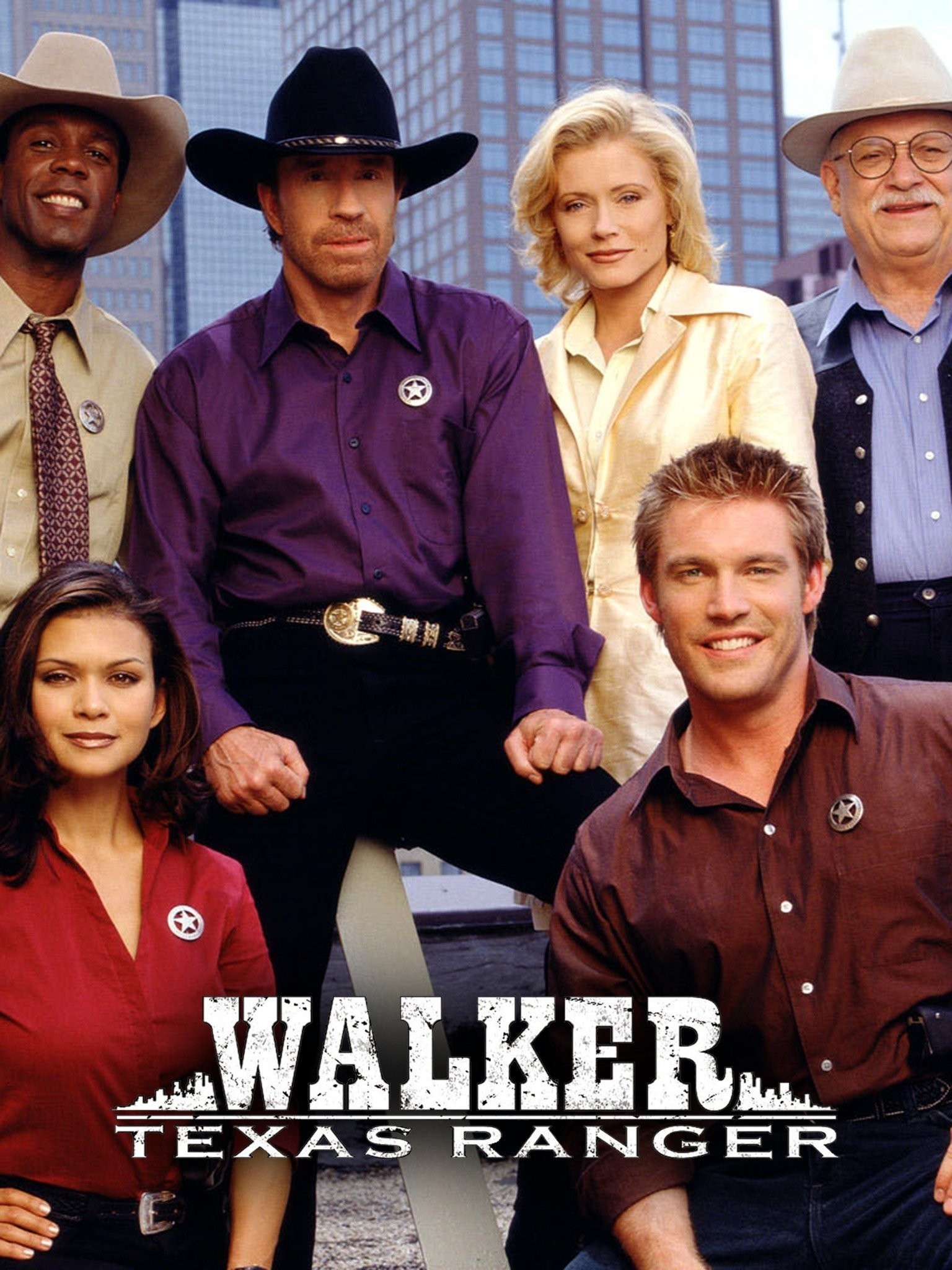
Walker, Texas Ranger first galloped onto television screens in 1993, quickly establishing itself as a cornerstone of Saturday night programming for many households. The series, starring Chuck Norris as Cordell Walker, a martial arts expert serving as a Texas Ranger, was an immediate success. Its blend of action, Western aesthetics, and straightforward moral justice resonated deeply with audiences, offering a sense of predictability and heroism that was highly sought after. The show’s commitment to its Texas setting was palpable, weaving in iconic imagery and a distinctive Southern spirit that became synonymous with the Ranger’s persona.
Season by Season Breakdown
The original run of Walker, Texas Ranger spanned an impressive eight seasons, a testament to its sustained popularity. From its premiere on CBS in April 1993 to its conclusion in May 2001, the series delivered a consistent stream of action-packed episodes. Each season offered a further development of the characters, particularly the bond between Ranger Walker and his partners, Jimmy Trivette and C.D. Parker. The narrative arcs, while often episodic, gradually built upon the established lore of the Texas Rangers and the unique challenges they faced in contemporary Texas.
- Season 1 (1993): The inaugural season laid the groundwork for the series, introducing audiences to the stoic and principled Cordell Walker. It established the core premise of law enforcement in Texas through the eyes of a Ranger dedicated to justice, often dispensing his own brand of martial arts-infused retribution.
- Season 2 (1993-1994): Building on the initial success, this season saw the deepening of character relationships and a consistent delivery of thrilling storylines, solidifying the show’s place in the weekly television schedule.
- Season 3 (1994-1995): The series continued to mature, exploring more complex themes while maintaining its signature action sequences and moral clarity.
- Season 4 (1995-1996): By this point, Walker, Texas Ranger was a household name, with this season further cementing its status through compelling plots and memorable guest stars.
- Season 5 (1996-1997): The show’s longevity was evident as it continued to captivate audiences with its unique blend of classic Western tropes and modern-day crime-solving.
- Season 6 (1997-1998): This season saw the introduction of new challenges and allies, keeping the series fresh while staying true to its established formula.
- Season 7 (1998-1999): As the millennium approached, Walker, Texas Ranger remained a formidable presence in television, showcasing Walker’s unwavering commitment to his duty.
- Season 8 (1999-2001): The final season brought the original run to a close, offering a satisfying conclusion to the adventures of Ranger Walker and his team, leaving a lasting impression on fans.
This eight-season arc represents the core of the original Walker, Texas Ranger television series, a substantial body of work that defined a genre and a generation of viewers.
Beyond the Original Run: Movies and Spin-offs
The impact of Walker, Texas Ranger extended far beyond its initial television broadcast. Recognizing the immense popularity of the character and the series, producers created several made-for-television movies and a spin-off series, ensuring that the legend of Cordell Walker continued to thrive. These extensions of the Walker universe offered new adventures and continued to explore the character’s unwavering dedication to justice in Texas.
Television Movies
Following the conclusion of the original series, fans were treated to a series of television movies that brought Ranger Walker back to their screens. These films served as epilogues to the series, offering closure and further adventures for the beloved characters.

- Walker, Texas Ranger: Trial by Fire (2005): This film, airing several years after the series finale, saw Chuck Norris return as Cordell Walker. It continued his fight against crime, exploring new threats and demonstrating that even in retirement, Walker remained a force for good. The narrative often delved into themes of legacy and the enduring impact of his actions.
- Walker, Texas Ranger: The Ranger Returns (2011): Another made-for-television movie that brought back the iconic Ranger. This installment often focused on new generations facing familiar struggles, with Walker stepping in to guide and protect. These movies were a significant draw for fans who missed the weekly adventures and the signature style of the series.
Spin-off Series
The success of Walker, Texas Ranger also paved the way for a spin-off series, extending the narrative universe and introducing new characters while maintaining the core spirit of the original.
- Walker, Texas Ranger: The First Fury (1999): This made-for-television movie served as a pilot for a potential spin-off series, exploring the early days of Cordell Walker’s career. While it didn’t immediately lead to a full series, it demonstrated the potential for expanding the Walker mythology.
- Sons of Thunder (1999): This spin-off series, which aired concurrently with the final season of Walker, Texas Ranger, focused on two young protagonists who are mentored by Walker. The series explored their journey as they followed in Walker’s footsteps, upholding the law and fighting injustice in Texas. It offered a fresh perspective while retaining the action and moral compass that made the original so popular.
These cinematic and serialized extensions of the Walker, Texas Ranger franchise underscore the enduring appeal of the character and the world he inhabited. They provided fans with continued opportunities to engage with the themes of justice, heroism, and the unique spirit of Texas that the series so effectively captured.
Thematic Resonance and Cultural Impact
The enduring appeal of Walker, Texas Ranger can be attributed to a confluence of factors, extending beyond the simple count of its seasons and movies. The series tapped into a desire for clear-cut morality, heroic figures, and a strong sense of place, particularly its deep connection to the identity and landscape of Texas. This thematic resonance contributed significantly to its cultural impact, making it more than just a television show.
Justice and Morality
At its core, Walker, Texas Ranger presented a straightforward and often black-and-white view of justice. Ranger Walker embodied an unwavering moral compass, always striving to do what was right, even when faced with difficult choices or corrupt individuals. This clarity of purpose resonated with audiences seeking heroes who stood firm in their convictions. The series consistently explored themes of redemption, consequences, and the importance of upholding the law, often through Walker’s own stoic and principled approach. His use of martial arts, while a prominent action element, was often framed as a tool for incapacitation rather than gratuitous violence, reinforcing his commitment to justice rather than vengeance.
The Texas Landscape as a Character
The state of Texas was more than just a backdrop for the series; it was an integral character in its own right. The vast landscapes, the iconic imagery of the Lone Star State, and the distinct Texan culture were woven into the fabric of nearly every episode. From dusty ranches and sprawling highways to the bustling streets of cities like Dallas and Houston, the show celebrated the unique spirit and rugged beauty of Texas. This strong regional identity not only provided a visually rich setting but also contributed to the show’s authenticity and its appeal to viewers who felt a connection to the Texan ethos of independence, resilience, and strong values. The visual language of the show often evoked classic Westerns, blending the frontier spirit with contemporary law enforcement.

Legacy and Nostalgia
The eight seasons of Walker, Texas Ranger, coupled with its subsequent movies and spin-offs, have cemented its place in television history. For many, the series evokes a sense of nostalgia for a time when television offered simpler, more heroic narratives. The show’s consistent themes and its iconic lead actor, Chuck Norris, have created a lasting legacy that continues to resonate with fans. The reboot series, Walker, starring Jared Padalecki, further demonstrates the enduring appeal of the Walker, Texas Ranger brand, proving that the spirit of the Texas Ranger continues to capture the imagination of new generations of viewers. This continued interest highlights the power of well-crafted characters and compelling storytelling to transcend time and influence modern entertainment. The show’s ability to connect with audiences on an emotional level, by championing virtues like honor, loyalty, and the pursuit of justice, has ensured its lasting place in popular culture.
LifeOutOfTheBox is a participant in the Amazon Services LLC Associates Program, an affiliate advertising program designed to provide a means for sites to earn advertising fees by advertising and linking to Amazon.com. Amazon, the Amazon logo, AmazonSupply, and the AmazonSupply logo are trademarks of Amazon.com, Inc. or its affiliates. As an Amazon Associate we earn affiliate commissions from qualifying purchases.