
The question of “How many Texas Senators?” is a foundational one for understanding the state’s legislative framework and, by extension, its political landscape. While seemingly straightforward, delving into the number of senators in Texas offers a gateway to appreciating the intricacies of representative democracy within the Lone Star State. This exploration is not merely an academic exercise; it has direct implications for how Texans are represented, how laws are crafted, and how the state government functions. Understanding the structure of the Texas Legislature, specifically the composition of its upper chamber, provides crucial context for citizens engaging with their government.

The Texas Senate is one of two chambers that constitute the Texas Legislature. The other is the Texas House of Representatives. The Texas Senate is responsible for a broad range of legislative duties, including the consideration of bills, confirmation of gubernatorial appointments, and the impeachment process. The number of senators, the districts they represent, and their terms are all defined by the Texas Constitution.
The Composition of the Texas Senate
At the heart of the question lies the specific numerical count of the legislative body. The Texas Senate is comprised of 31 members. This number has remained consistent for many decades, reflecting a deliberate choice in the state’s governance structure. Each of these 31 senators represents a distinct senatorial district within Texas. These districts are drawn based on population, ensuring that each senator theoretically represents a roughly equal number of constituents. This principle of equal representation is a cornerstone of American democracy, aiming to provide a voice for all citizens, regardless of where they reside within the state.
The creation and periodic redistricting of these senatorial districts are critical processes. They are typically undertaken after each decennial census, which is mandated by the federal government to count the population of the United States. The results of the census are used to adjust the boundaries of congressional and legislative districts to reflect population shifts. In Texas, this redistricting process is carried out by the Texas Legislature itself, a practice that has often been subject to intense political debate and legal challenges. The goal of redistricting is to maintain the principle of “one person, one vote,” ensuring that each district has a comparable population size.
Senatorial Districts and Representation
The 31 senatorial districts are geographically diverse, spanning urban, suburban, and rural areas across Texas. Some districts may be highly concentrated in major metropolitan areas like Houston, Dallas, San Antonio, and Austin, encompassing millions of residents within a relatively small geographic area. Other districts might cover vast swaths of West Texas or the Panhandle, representing a much smaller population spread over thousands of square miles. This disparity in geographic size and population density highlights the challenges of ensuring equitable representation for all Texans.
The representatives elected to these 31 seats are responsible for legislating on behalf of their constituents. They introduce and vote on bills, participate in committee work, and engage in debates that shape state policy on issues ranging from education and healthcare to infrastructure and economic development. The diversity of districts means that senators often bring a wide range of perspectives and priorities to the Texas Senate, reflecting the varied needs and concerns of the state’s population.
The Role and Responsibilities of Texas Senators
The 31 senators in Texas are elected for four-year terms. These terms are staggered, meaning that elections for state senate seats occur every two years, with approximately half of the seats up for re-election each cycle. This staggered system is designed to provide a degree of continuity and stability to the Texas Senate, preventing a complete turnover of its membership at any single election. It also allows for a more continuous process of policy development and legislative action.
Beyond their legislative duties of proposing, debating, and voting on bills, Texas Senators hold significant oversight responsibilities. They play a crucial role in the confirmation of appointments made by the Governor. This includes nominees for state agencies, boards, and commissions, as well as judicial appointments. The Senate’s power to confirm or reject these appointments is a vital check and balance on the executive branch, ensuring that individuals placed in positions of authority meet the qualifications and possess the integrity required for public service.
Another critical function of the Texas Senate involves its role in the impeachment process. While the Texas House of Representatives has the sole power of impeachment, the Texas Senate has the sole power to try all impeachments. This means that if a state official is impeached by the House, the Senate conducts a trial to determine whether the official should be removed from office. This power is reserved for the most serious offenses and serves as a mechanism to hold public officials accountable for misconduct.
Legislative Power and Influence
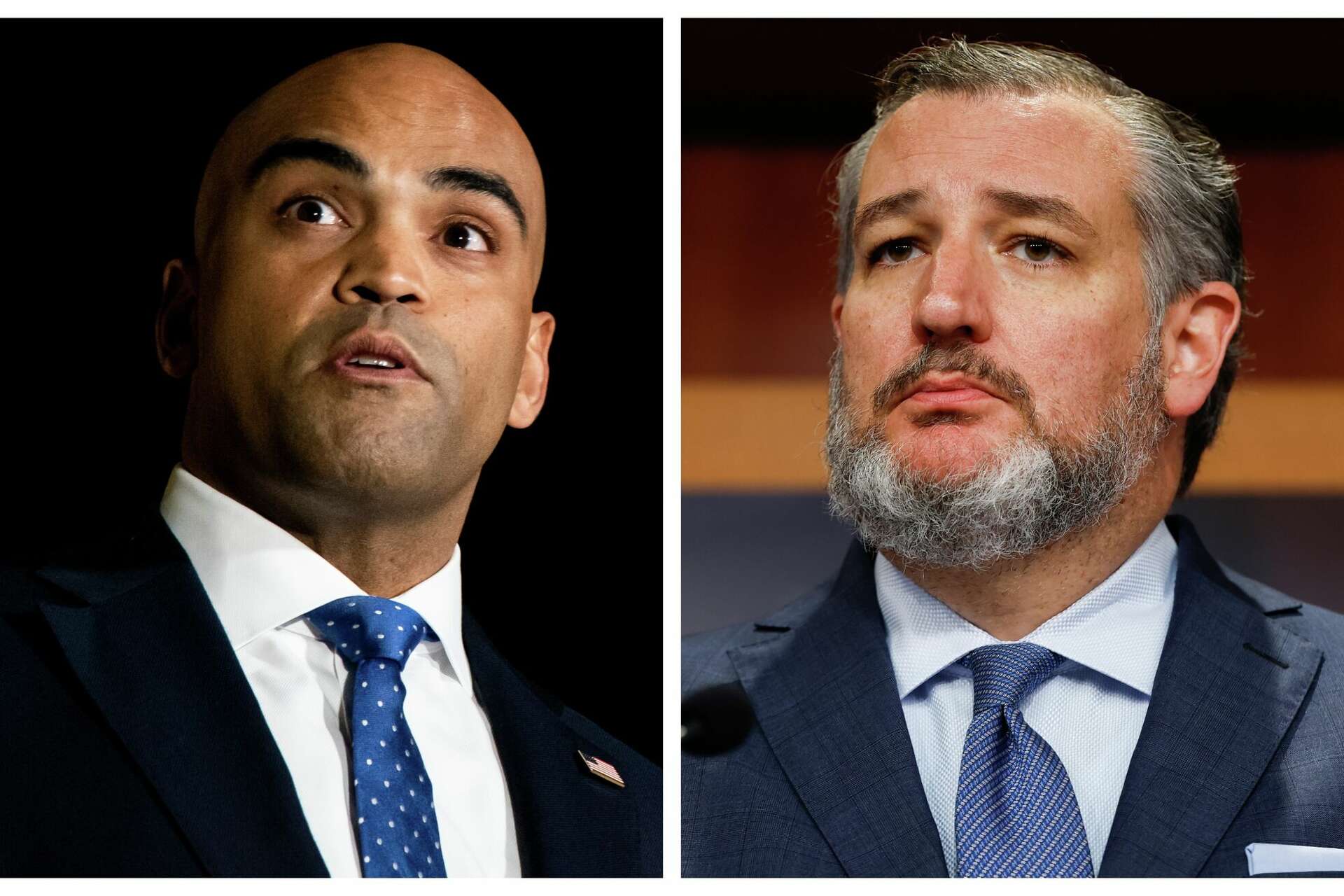
The collective power of the 31 senators shapes the direction of Texas. Through committee assignments, they delve deeply into specific policy areas. Committees are the engines of the legislature, where bills are reviewed, amended, and often killed before they reach the floor for a full vote. Senators chair influential committees, such as those focused on finance, education, health and human services, and natural resources, giving them considerable influence over the legislation that emerges from their respective bodies.
The Lieutenant Governor of Texas presides over the Texas Senate. The Lieutenant Governor is elected statewide, independently of the Governor, and is considered a powerful figure within the legislative branch. The Lieutenant Governor casts tie-breaking votes and plays a significant role in recognizing senators who wish to speak on the floor, influencing the flow of debate and the passage of legislation. This unique position highlights the close relationship between the executive and legislative branches in Texas politics.
The Significance of the Senate’s Size
The number 31 for the Texas Senate is not arbitrary. It reflects a balance struck by the state’s founders and legislators over time between ensuring adequate representation and maintaining an efficient legislative body. A smaller senate often allows for more focused debate, quicker decision-making, and a greater sense of collegiality among members. Conversely, a larger senate might be seen as more directly reflective of the populace but could also lead to more procedural complexities and slower legislative processes.
The structure of a bicameral legislature, with two distinct chambers, is a common feature in federal systems and at the state level in the United States. This bicameralism serves as an additional check and balance, requiring legislation to pass both houses before it can be sent to the Governor for signature or veto. The differing sizes, constituencies, and term lengths of the Texas Senate and the Texas House of Representatives often lead to different legislative dynamics and priorities in each chamber, fostering deliberation and requiring compromise.
Historical Context and Evolution
The number of state senators in Texas has evolved over its history, mirroring the state’s growth and population changes. However, the figure of 31 has been a constant for a considerable period, underscoring a stable organizational principle for the upper legislative chamber. Understanding this historical context adds depth to the current structure, revealing it as a product of long-standing considerations regarding governance and representation within the Texan political system.
The continuous nature of the Texas Senate, with its 31 members serving four-year staggered terms, contributes to the institutional memory and stability of the legislative branch. Senators often develop deep expertise in specific policy areas over multiple terms, contributing to more informed and nuanced legislative outcomes. This continuity is a vital asset in addressing the complex and ever-changing challenges facing a large and dynamic state like Texas.
Engaging with Your Texas Senator
For Texans, knowing there are 31 senators is the first step; understanding how to engage with them is the practical application of this knowledge. Each senator represents a specific district, and citizens are encouraged to identify their senator and communicate their views on legislative issues. This can be done through emails, phone calls, letters, or by attending town hall meetings and public forums hosted by senators or their staff.
When contacting a senator, it is helpful to be informed about the specific legislation being considered and to articulate your position clearly and concisely. Senators and their staff are tasked with representing their constituents’ interests, and direct communication from the people they serve is invaluable. It helps them gauge public opinion, understand the potential impact of proposed laws, and make informed decisions.

The Democratic Process in Action
The existence of 31 senators, each elected from a distinct district, is a tangible representation of democratic principles at work in Texas. It means that citizens have direct representatives in the state government, individuals who are accountable to them through the electoral process. The regular elections for these seats ensure that the Texas Senate remains responsive to the will of the people, even as it navigates the complexities of policymaking.
Understanding the number of Texas Senators is more than just a trivia point; it is a fundamental element in grasping the architecture of state governance and the mechanisms through which citizens can influence policy. It highlights the importance of representative democracy and the vital role each senator plays in shaping the future of Texas.
LifeOutOfTheBox is a participant in the Amazon Services LLC Associates Program, an affiliate advertising program designed to provide a means for sites to earn advertising fees by advertising and linking to Amazon.com. Amazon, the Amazon logo, AmazonSupply, and the AmazonSupply logo are trademarks of Amazon.com, Inc. or its affiliates. As an Amazon Associate we earn affiliate commissions from qualifying purchases.