
Understanding the typical duration of a school year in Texas is a crucial piece of information for families planning their academic calendars, especially those considering relocations or extended travel. While the concept of a school year might seem straightforward, variations exist due to Texas state regulations, individual school district decisions, and the specific calendar adopted by each educational institution. This exploration delves into the common structures and factors that define the length of a school year within the Lone Star State, offering clarity for parents, educators, and anyone navigating the educational landscape.

The Standard Texas School Year Framework
In Texas, the Texas Education Agency (TEA) mandates a minimum number of instructional minutes rather than a fixed number of school days or weeks. This approach provides districts with flexibility in designing their calendars. However, this translates into a generally accepted range for the academic year.
Minimum Instructional Minutes and Their Impact
The TEA requires that school districts provide at least 75,600 minutes of instruction per school year for students in kindergarten through 12th grade. This translates to approximately 180 instructional days. When factoring in weekends, holidays, and potential teacher workdays or professional development days that don’t involve students, the actual number of weeks a school year spans typically ranges from 36 to 40 weeks.
- Calculating Weeks from Days: While 180 instructional days is the benchmark, the calendar is built around these days. A standard school week consists of five instructional days. Therefore, 180 instructional days would theoretically require 36 weeks of schooling if there were no breaks or other non-instructional days within the week. However, this calculation rarely accounts for the full picture.
- Inclusion of Non-Instructional Days: Many school districts incorporate teacher professional development days, staff workdays, and grading periods that do not require student attendance. These days, while essential for the educational ecosystem, extend the overall calendar duration. Additionally, scheduled breaks for holidays and semester transitions add to the elapsed time between the first and last day of school.
- District Autonomy: The flexibility in the TEA’s mandate allows school districts across Texas to create unique calendars. Some districts might opt for a more traditional schedule, while others might implement innovative year-round models or balanced calendars. These choices directly influence the total number of weeks encompassed by the academic year.
Common School Year Structures in Texas
Most Texas school districts adhere to a traditional academic calendar. This model is widely understood and facilitates easier planning for families and alignment with higher education institutions.
Traditional Academic Calendar
The traditional academic calendar is characterized by a start date in late August or early September and an end date in late May or early June. This structure generally results in a school year that spans approximately 36 to 38 weeks of instructional time, interspersed with breaks.
- Fall Semester: Typically begins in late August/early September and concludes in December, often before the Christmas and New Year holidays. This semester usually comprises around 18-19 weeks of instruction.
- Spring Semester: Commences in January and runs through May/early June, concluding just before the extended summer break. This semester is generally slightly longer, often around 18-19 weeks.
- Breaks and Holidays: Throughout the traditional calendar, students and staff observe several breaks. These include:
- Labor Day
- Fall Break (sometimes incorporated, sometimes not)
- Thanksgiving Break
- Winter Break (Christmas and New Year)
- Martin Luther King Jr. Day
- Presidents’ Day (sometimes observed)
- Spring Break (typically one week in March)
- Good Friday/Easter Monday (depending on the year and district observance)
- Memorial Day
Alternative Calendar Models
While less common, some Texas school districts have experimented with or adopted alternative calendar models to address specific educational or community needs. These can alter the perceived number of weeks in a school year by redistributing breaks and instructional days.
- Year-Round Education (YRE): In a YRE model, the school year is divided into shorter instructional blocks interspersed with more frequent, shorter breaks throughout the year. The total number of instructional days and minutes often remains the same or similar to traditional calendars, but the distribution of these days changes. Instead of one long summer break, students might have a few weeks off in the summer, a week off in the fall, a week off in the winter, and a week off in the spring. This model aims to reduce “summer learning loss” but can present logistical challenges for families and extracurricular activities. The overall elapsed time from the first day to the last day might be similar to a traditional calendar, but the pattern of breaks is significantly different, potentially making it feel longer or shorter depending on perception.
- Balanced Calendar: Similar to YRE, a balanced calendar redistributes the school days. It typically features shorter, more frequent breaks and a shorter summer vacation compared to the traditional model. For example, a balanced calendar might have a 45-day instructional period followed by a 15-day break. This approach also aims to mitigate learning loss and provide more consistent academic engagement. The total number of weeks might still hover around the 36-40 week mark, but the distribution and length of breaks are reconfigured.
Factors Influencing the Texas School Year Length
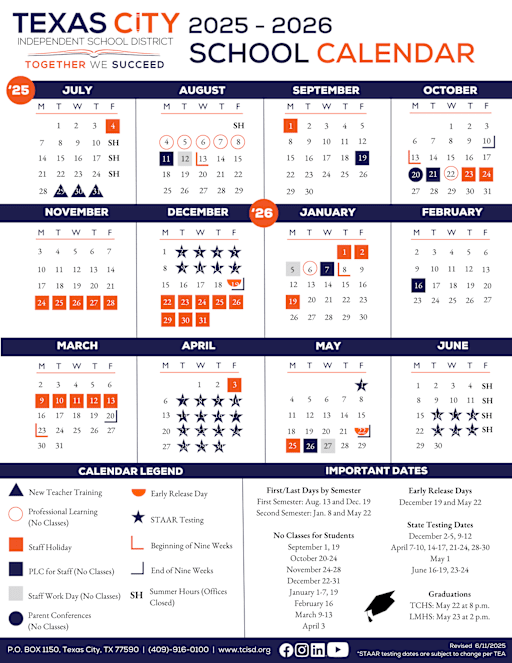
Beyond state mandates and district choices, several external factors can influence the precise start and end dates, and consequently the perceived number of weeks, of a school year in Texas.
Local District Policies and Calendars
Each of the over 1,000 school districts in Texas has the authority to develop its own academic calendar, provided it meets the state’s minimum instructional minute requirements. This leads to variations in start dates, end dates, and the scheduling of breaks.
- District-Specific Holidays: While state and federal holidays are generally observed, some districts might choose to observe additional local holidays or staff development days that are not universally recognized.
- Teacher Contract Negotiations: The length of the teacher contract and the number of professional development days included can also subtly influence the overall calendar design and, therefore, the total number of weeks the school facility is operational for academic purposes.
- Community Needs: Some districts might align their calendars with the needs of their local economy, such as agricultural cycles or major local events, though this is less common in urban areas.
Impact of Weather and Emergencies
Texas, like many large states, can experience a range of weather-related disruptions, from hurricanes along the coast to severe storms and winter weather events in other parts of the state.
- Snow Days/Hurricane Days: School districts are often granted a limited number of “off” days for emergencies. If these days are used, they may need to be made up later in the school year. This can sometimes extend the school year beyond its originally planned end date.
- Contingency Planning: To account for potential disruptions, many districts build in a few “contingency” days into their calendars. These days are typically added to the end of the school year if not used. The TEA’s flexible minute-based system allows districts to absorb some lost days without significantly altering the overall calendar, but severe or prolonged disruptions might necessitate adjustments.
Planning for the Texas School Year
For families and individuals planning travel, relocation, or any activity that intersects with the academic calendar, understanding these variations is key.
Travel and Extended Stays
If you are considering travel to or within Texas with children, or planning extended stays that might overlap with the school year, it is imperative to consult the specific calendar of the school district you will be interacting with.
- Summer Travel: The most significant break in a Texas school year is the summer vacation, which typically lasts for about 10 to 12 weeks, usually from early June to late August. This extended period offers ample opportunity for family vacations, camps, and enrichment activities.
- Planning Around Breaks: Shorter breaks, like the week-long spring break or the longer winter break, can also be ideal for shorter trips or family gatherings. Knowing the exact dates for these breaks is essential for booking accommodations and flights in advance, especially during popular travel periods.
- Relocation Considerations: For families moving to Texas, understanding the school year duration helps in planning the move to either precede the start of school or coincide with the summer break, minimizing disruption to a child’s education.

Resources for Specific Calendar Information
To find the most accurate information about the school year length for a particular Texas school district, the best approach is to consult the district’s official website.
- School District Websites: Nearly all Texas school districts publish their academic calendars online. These calendars will detail the start and end dates, all scheduled breaks, and teacher workdays.
- Texas Education Agency Website: While the TEA sets the minimum requirements, their website can offer general guidance and links to individual district resources.
- Local News and Community Boards: Sometimes, local news outlets or community forums will provide summaries of upcoming school year calendars for their respective areas.
In conclusion, while the Texas Education Agency mandates a minimum of 75,600 instructional minutes, the practical implementation of this translates to a school year typically spanning around 36 to 40 weeks from the first day to the last. The variations arise from the flexibility granted to individual school districts in designing their calendars, the inclusion of various breaks and professional development days, and the potential impact of unforeseen emergencies. For precise planning, always refer to the specific academic calendar published by the relevant Texas school district.
LifeOutOfTheBox is a participant in the Amazon Services LLC Associates Program, an affiliate advertising program designed to provide a means for sites to earn advertising fees by advertising and linking to Amazon.com. Amazon, the Amazon logo, AmazonSupply, and the AmazonSupply logo are trademarks of Amazon.com, Inc. or its affiliates. As an Amazon Associate we earn affiliate commissions from qualifying purchases.