
Texas, a state synonymous with vast landscapes and boundless energy, has become a significant player in the renewable energy sector, particularly through its extensive wind power infrastructure. While the romanticized image of a lone windmill may come to mind, the reality in the Lone Star State is a landscape dotted with thousands of towering turbines, generating substantial amounts of clean electricity. Understanding the sheer scale of this wind power development requires a closer look at the numbers, the economic drivers, and the geographical concentrations of these modern marvels.
The Scale of Texas Wind Power
The question of “how many windmills are in Texas?” is not a static one; the number is constantly evolving as new projects come online and older ones are sometimes retired or upgraded. However, at any given time, the figure represents a staggering commitment to wind energy. Texas leads the nation in installed wind power capacity by a significant margin, a testament to its favorable wind resources, supportive policies, and extensive land availability.
Installed Capacity and Turbine Count
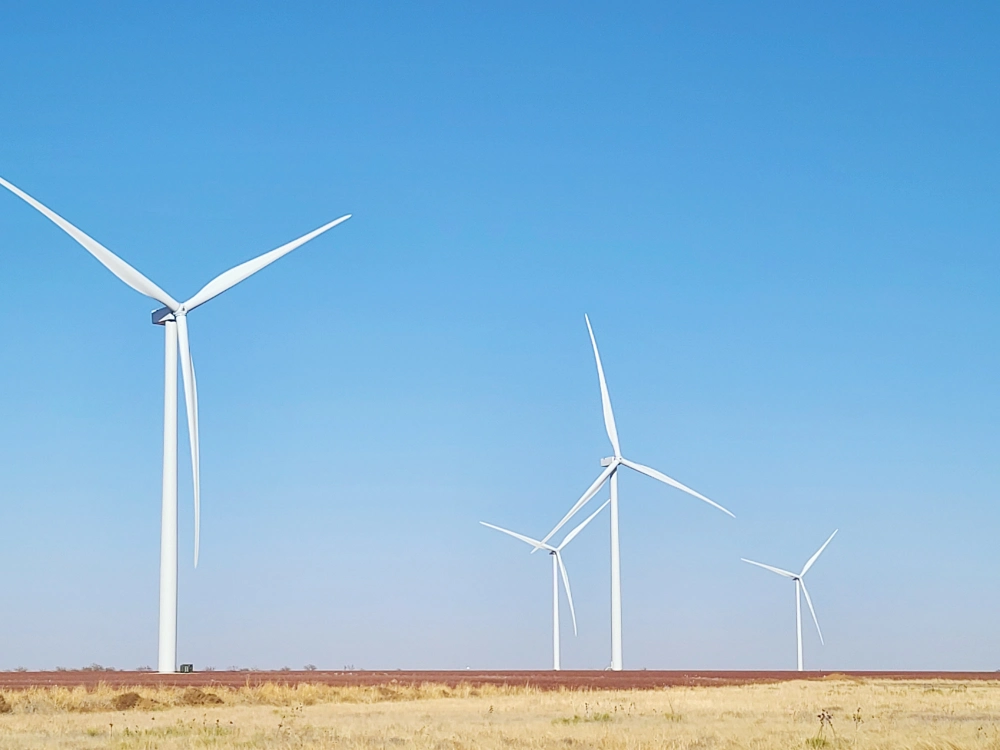
As of recent reports, Texas boasts an installed wind power capacity well over 30 gigawatts (GW). This monumental output is achieved through tens of thousands of individual wind turbines. While precise real-time counts can fluctuate, estimates suggest the number of turbines is in the range of 15,000 to over 20,000. These are not the picturesque, smaller windmills of the past; they are colossal structures, often with rotor blades spanning hundreds of feet, capable of generating megawatts of power each. The visual impact of these wind farms, especially when viewed from a distance or while driving through vast plains, is dramatic and undeniably impressive, transforming rural horizons into futuristic energy landscapes.
Economic Impact and Job Creation
The proliferation of wind farms has had a profound economic impact on Texas. Beyond the generation of clean energy, the development and maintenance of these projects have created thousands of jobs. From construction and manufacturing to operations and maintenance, the wind industry contributes significantly to the state’s economy. Many rural communities, which may have previously struggled with economic development, have found a new source of revenue through land leases for wind turbines and increased local tax revenues. This economic vitality underscores the importance of these “windmills” not just as energy generators but as economic engines.
Geographical Distribution of Wind Farms
The placement of wind farms in Texas is not random; it’s dictated by the availability of consistent and strong winds. Several key regions within the state are particularly well-suited for wind energy development, leading to large-scale concentrations of turbines.
The Texas Panhandle and West Texas
The arid and open expanses of the Texas Panhandle and West Texas are prime real estate for wind energy. These regions offer consistent, powerful winds and vast, sparsely populated areas that are ideal for the construction of large wind farms. Cities like Abilene, Lubbock, and areas surrounding San Angelo are often central to major wind energy development zones. The sheer density of turbines in these areas can create a breathtaking spectacle, a testament to Texas’s commitment to harnessing natural power.
South Texas and the Coast
The coastal plains and offshore areas of South Texas also present excellent wind resources. The proximity to the Gulf of Mexico provides reliable wind patterns. While offshore wind development in the U.S. is still in its nascent stages compared to onshore, Texas has significant potential and is beginning to explore these opportunities. The visual impact of turbines along the coast, often visible from miles out at sea, is a growing feature of the Texan coastline.
Other Developing Regions
While the Panhandle and West Texas have historically dominated wind power, other regions are also seeing increased development. As technology advances and transmission infrastructure improves, wind farms are becoming viable in areas previously considered less optimal. This expansion further contributes to the high number of windmills across the state.
The Evolution of Wind Turbine Technology
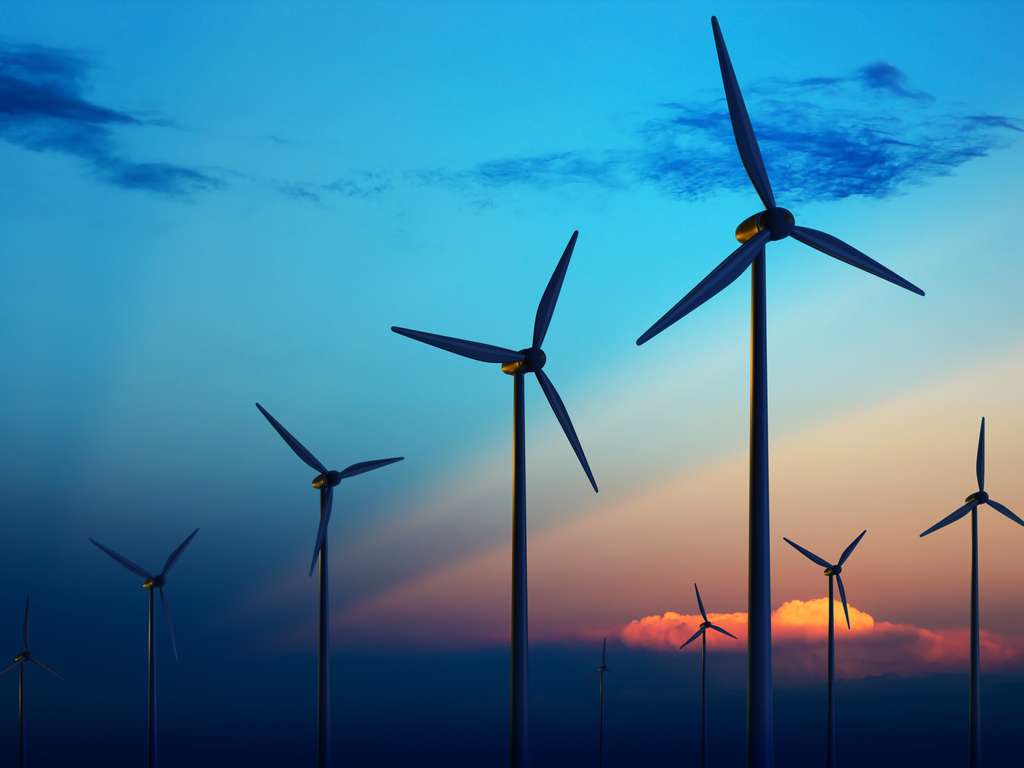
The “windmills” of today bear little resemblance to their historical counterparts. Modern wind turbines are sophisticated pieces of engineering, designed for maximum efficiency and durability. Their evolution has been a key factor in the massive growth of wind power.
Size and Efficiency Gains
The most striking difference is the sheer size. Turbines have grown dramatically in height and rotor diameter. This increase in scale allows them to capture more wind and convert it into electricity more effectively. Modern turbines can reach heights of over 600 feet, with blade lengths of more than 200 feet. This technological advancement has made wind energy more competitive with traditional power sources.
Material Science and Engineering
The materials used in turbine construction have also advanced significantly. Lighter, stronger composites are used for blades, while robust steel alloys form the towers. Advanced aerodynamic designs optimize the capture of wind energy, and sophisticated control systems adjust blade pitch and turbine orientation to maximize output and withstand extreme weather conditions.
Environmental Considerations and Integration
While the visual impact of wind farms is undeniable, ongoing research and development are focused on minimizing environmental footprints. This includes considerations for avian and bat populations, noise reduction, and the responsible decommissioning of turbines at the end of their lifespan. Furthermore, the integration of wind power into the broader energy grid is a continuous process, with advancements in energy storage and grid management playing crucial roles. The goal is to ensure a stable and reliable power supply, even when the wind isn’t blowing at its strongest.
Future Outlook for Wind Power in Texas
The trajectory for wind power in Texas remains strong, with continued investment and expansion anticipated. Several factors support this optimistic outlook.
Policy and Investment Trends
Government incentives, renewable energy targets, and corporate commitments to sustainability continue to drive investment in wind power. As the cost of wind energy continues to decrease, it becomes an increasingly attractive option for energy producers and consumers alike. Texas’s established leadership in the sector positions it to remain at the forefront of this energy revolution.
Technological Advancements and Innovation
Ongoing innovation in turbine design, energy storage solutions, and grid modernization will further enhance the viability and efficiency of wind power. The development of floating offshore wind platforms, for instance, could unlock new frontiers for wind energy generation in areas with deep water. Such advancements will likely lead to more turbines being deployed, potentially in new and unexpected locations across the state.
The Iconic Texas Windmill
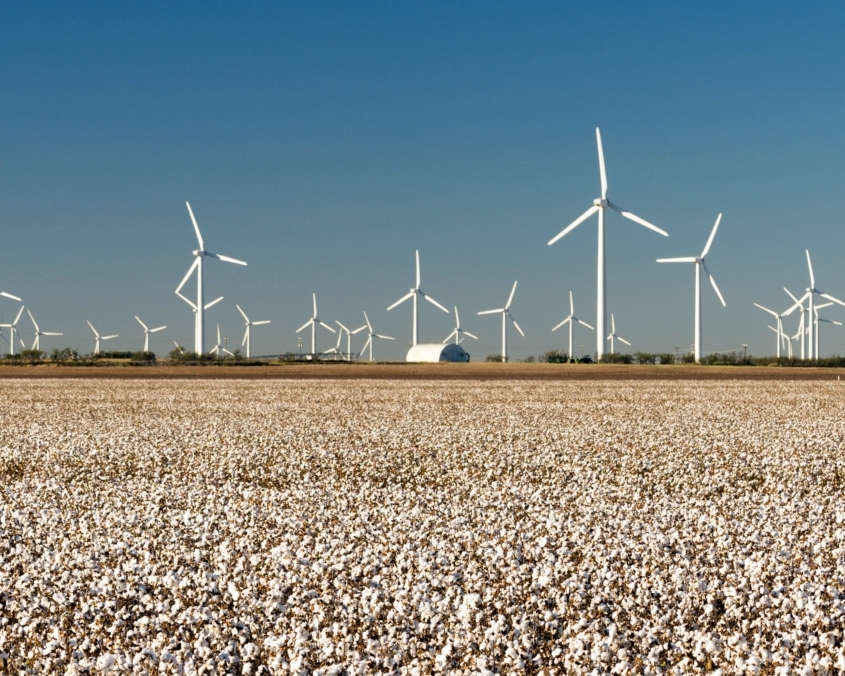
The sheer number of windmills in Texas is not just a statistic; it represents a significant shift in the state’s energy landscape. These colossal structures are becoming an iconic feature of the Texan horizon, symbolizing a commitment to a cleaner, more sustainable energy future. From the vast plains of the Panhandle to the wind-swept coast, the modern Texas windmill stands as a monument to innovation, economic development, and a forward-looking approach to power generation. As Texas continues to harness the power of the wind, the numbers will undoubtedly continue to climb, further solidifying its position as a global leader in renewable energy.
LifeOutOfTheBox is a participant in the Amazon Services LLC Associates Program, an affiliate advertising program designed to provide a means for sites to earn advertising fees by advertising and linking to Amazon.com. Amazon, the Amazon logo, AmazonSupply, and the AmazonSupply logo are trademarks of Amazon.com, Inc. or its affiliates. As an Amazon Associate we earn affiliate commissions from qualifying purchases.