
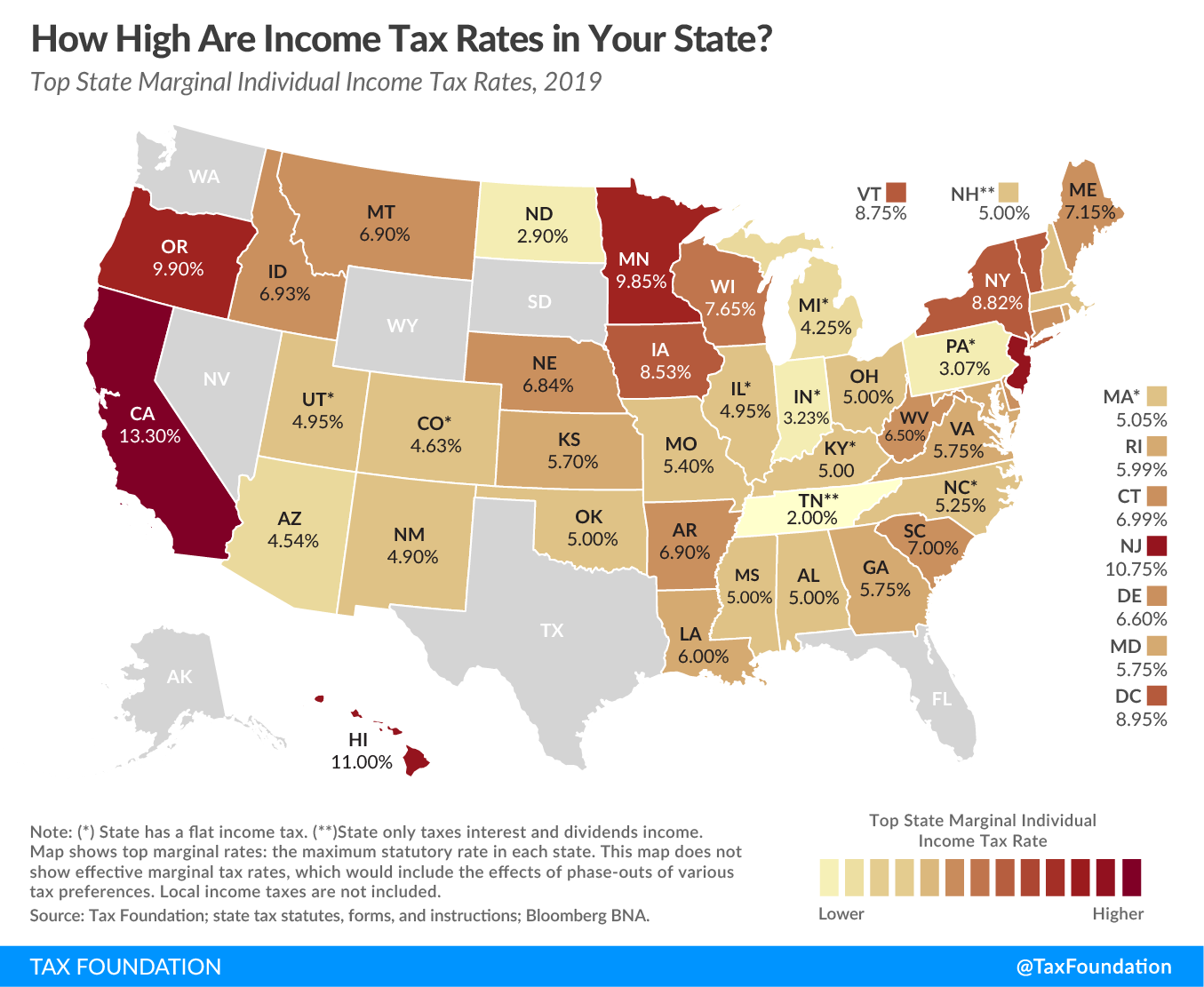
When planning a trip or considering a move to the great state of Texas, understanding the financial landscape is paramount. Among the key considerations for any traveler, potential resident, or investor, the matter of income taxes often looms large. Fortunately for many, Texas stands out as one of the few states in the United States that does not levy a state income tax. This fundamental characteristic significantly impacts personal finances, business operations, and the overall economic attractiveness of the Lone Star State.
This comprehensive guide delves into the nuances of income taxation in Texas, exploring its implications for individuals and businesses alike. We will examine what the absence of a state income tax means for your travel budget, your potential relocation expenses, and how this policy shapes the economic environment across major cities like Houston, Dallas, San Antonio, and Austin.
The Absence of State Income Tax: A Significant Draw
One of the most compelling financial advantages of Texas is its lack of a state income tax. This policy means that individuals do not have to set aside a portion of their earnings for state income tax payments. For travelers, this translates to more disposable income to spend on experiences, dining, and accommodations during their visit. Whether you’re exploring the Alamo in San Antonio, enjoying the vibrant music scene in Austin, or visiting the Space Center Houston, your budget for leisure activities is less encumbered by state-level tax obligations.
For those contemplating a relocation, the absence of state income tax is a powerful incentive. It means that the net income received from employment or business ventures remains entirely in the individual’s hands, rather than being partially remitted to the state. This can lead to significant savings over time, making Texas a particularly attractive destination for high-earners and retirees alike. The financial freedom afforded by this tax structure can allow for more investment in local economies, whether through real estate purchases, business startups, or increased consumer spending.
Implications for Personal Finance
The absence of state income tax in Texas has profound implications for personal finance management. It simplifies tax filing at the state level, as there is no annual state income tax return to complete. This saves individuals time and potentially reduces the need for professional tax preparation services for state matters.
- Increased Disposable Income: For residents, this directly translates to a higher percentage of their gross income being available for personal use. This can mean greater capacity for saving, investing, or spending on discretionary items like travel, entertainment, and hobbies.
- Retirement Planning: Retirees looking to maximize their retirement income find Texas appealing. Since retirement income, such as pensions and withdrawals from retirement accounts, is not subject to state income tax, retirees can retain more of their earnings, stretching their retirement funds further.
- Attracting Talent: The tax advantage also makes Texas a magnet for professionals and skilled workers. Companies looking to attract top talent may find it easier to do so in a state where employees benefit from higher take-home pay due to the absence of income tax.
Business and Economic Environment
The lack of a state income tax is not just a boon for individuals; it also significantly impacts the business environment in Texas. Businesses operating within the state do not have to factor in state-level income tax liabilities when calculating operational costs or profit margins.
- Competitive Advantage: This creates a competitive advantage for Texas-based businesses, allowing them to potentially offer more competitive pricing, invest more heavily in research and development, or return greater profits to shareholders. This has contributed to the state’s robust economic growth and its reputation as a business-friendly state.
- Attracting Investment: Foreign and domestic investors often consider tax structures when deciding where to allocate capital. The absence of a state income tax makes Texas an attractive location for investment, particularly in sectors like technology, energy, and manufacturing. The ease of doing business, coupled with a favorable tax climate, has spurred significant economic development across the state.
- Job Creation: The influx of businesses and investment naturally leads to job creation, further bolstering the state’s economy and providing more opportunities for individuals seeking employment.
Understanding Other Texas Taxes
While Texas boasts no state income tax, it’s crucial to understand that this does not mean the state is tax-free. Like all states, Texas relies on other forms of taxation to fund its public services, infrastructure, and government operations. These include sales tax, property tax, and various business-related taxes and fees.
For travelers, the most visible tax will be the sales tax. This tax is applied to the purchase of most goods and services. The rate can vary slightly depending on the locality, but it is a significant component of the state’s revenue stream.
Sales Tax in Texas
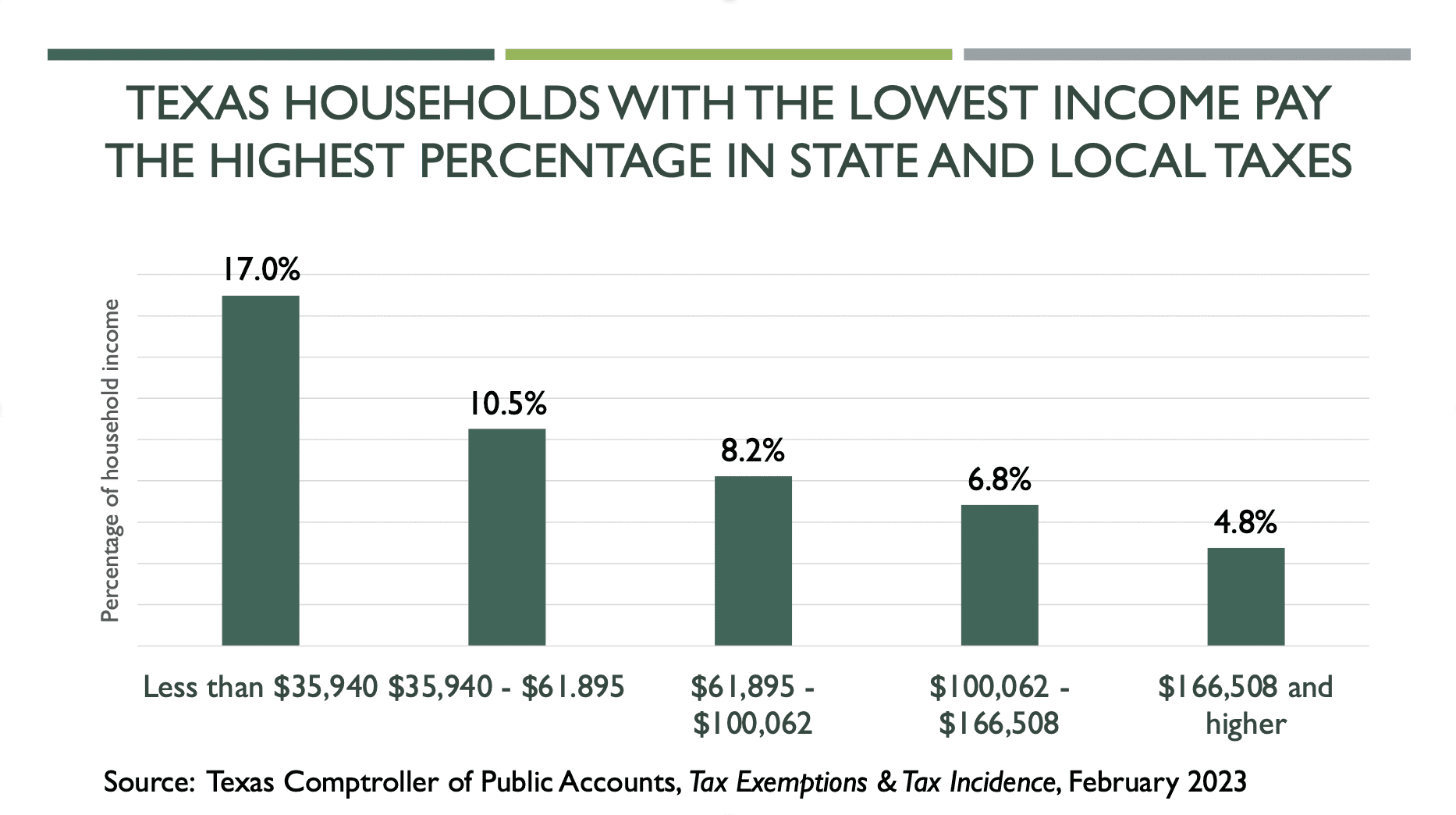
The state sales tax rate in Texas is 6.25%. In addition to the state rate, local taxing jurisdictions (cities, counties, and special districts) can impose additional sales taxes, bringing the total combined sales tax rate to a maximum of 8.25% in many areas.
- Impact on Travelers: When budgeting for a trip to Texas, travelers should factor in the sales tax on purchases. This includes everything from souvenirs and clothing to restaurant meals and hotel stays. For example, a hotel stay in Austin might incur a state sales tax of 6.25% plus local city and county taxes, adding to the overall cost of accommodation.
- Exemptions: Certain essential items and services are exempt from sales tax, such as most groceries, prescription drugs, and certain agricultural products. Understanding these exemptions can help travelers and residents make more informed purchasing decisions.
- Franchise Tax: While individuals don’t pay income tax, businesses in Texas are subject to the Margin Tax (formerly known as the Franchise Tax). This is a tax on the privilege of doing business in Texas. It is calculated on the business’s “margin,” which is a complex calculation involving gross receipts and compensation. However, many small businesses with revenue below a certain threshold are exempt from paying the Margin Tax.
Property Taxes
Property taxes are a significant source of revenue for local governments in Texas, including counties, cities, school districts, and special districts. Unlike income tax, which is levied by the state, property taxes are assessed and collected at the local level. The rates vary considerably depending on the location and the taxing entities within that area.
- For Homeowners: Property taxes are a major expense for homeowners and are a key consideration for anyone looking to purchase property in Texas. These taxes fund local services such as schools, police departments, fire departments, and road maintenance.
- For Renters: While renters do not directly pay property taxes, the cost of property taxes is often passed on to tenants through higher rental rates.
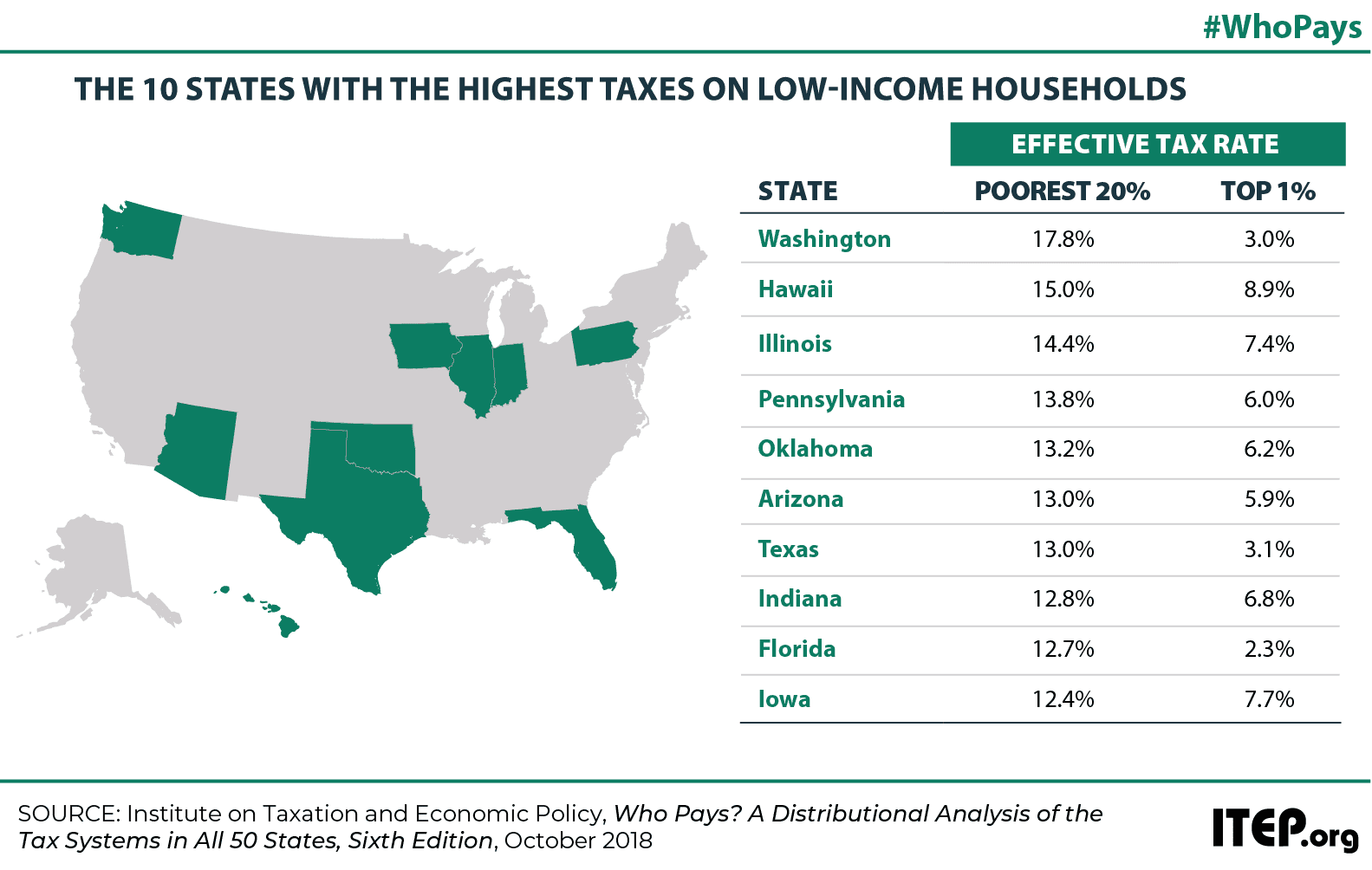
- Comparison to Other States: While property taxes can be high in some parts of Texas, the absence of state income tax can still make the overall tax burden lower for many residents compared to states with both income and higher sales taxes.
Other Taxes and Fees
Beyond sales and property taxes, Texas also imposes other taxes and fees, including:
- Motor Vehicle Sales Tax: A tax is applied when purchasing a vehicle, with rates typically set by the state and local entities.
- Hotel Occupancy Tax: This tax is levied on the rental of lodging and varies by location. Travelers will encounter this when booking hotels in cities like Houston or San Antonio.
- Excise Taxes: Taxes on specific goods like gasoline, tobacco, and alcoholic beverages are also in place.
- Business Registration Fees: Various fees are associated with registering and operating a business in Texas.
Strategic Financial Planning in Texas
Understanding the tax landscape in Texas is essential for both short-term visitors and long-term residents. The absence of state income tax is a significant advantage, freeing up personal and business capital. However, the presence of sales tax, property tax, and business taxes necessitates careful financial planning.
For travelers, this means adjusting budgets to account for sales tax on purchases and hotel occupancy taxes. For those considering a move, a thorough assessment of property tax rates in desired areas, along with expected sales tax on daily expenditures, is crucial. Businesses should factor in the Margin Tax and other relevant fees when evaluating the financial viability of operations in Texas.
Maximizing Financial Benefits
To make the most of Texas’s tax environment, consider the following:
- Budgeting for Sales Tax: When planning your trip or relocation budget, always include an estimate for sales tax on goods and services.
- Research Property Tax Rates: If you are considering buying property, diligently research the property tax rates in the specific city and county where you intend to purchase. Rates can vary substantially.
- Understand Business Tax Obligations: For entrepreneurs and business owners, a clear understanding of the Margin Tax and any other applicable business taxes is vital for accurate financial projections and compliance.
- Leverage Local Incentives: Many Texas cities and regions offer incentives for businesses to relocate or expand, which can further offset operational costs.
The Overall Economic Picture
The unique tax structure of Texas has undeniably contributed to its economic success and widespread appeal. The ability for individuals and businesses to retain more of their earnings has fostered an environment of growth, innovation, and opportunity. While other states grapple with the complexities and burdens of state income taxes, Texas offers a simplified and financially advantageous proposition, making it a popular choice for a diverse range of people and enterprises, from tourists flocking to Galveston Island to corporations setting up headquarters in Plano. The absence of a state income tax remains a cornerstone of its economic strategy, shaping its fiscal identity and its allure as a destination.
LifeOutOfTheBox is a participant in the Amazon Services LLC Associates Program, an affiliate advertising program designed to provide a means for sites to earn advertising fees by advertising and linking to Amazon.com. Amazon, the Amazon logo, AmazonSupply, and the AmazonSupply logo are trademarks of Amazon.com, Inc. or its affiliates. As an Amazon Associate we earn affiliate commissions from qualifying purchases.