
The Lone Star State, known for its sprawling landscapes and dynamic economy, also presents a robust job market for skilled trades. Among these, Heating, Ventilation, and Air Conditioning (HVAC) technicians play a crucial role, ensuring comfort and safety for residents and businesses alike. Understanding the earning potential for HVAC professionals in Texas is vital for those considering a career in this field, as well as for employers and industry observers. This analysis delves into the average salaries, influencing factors, and career progression opportunities for HVAC technicians across Texas’s diverse metropolitan areas and rural regions.
Understanding HVAC Technician Salaries in Texas
The compensation for an HVAC technician in Texas is a multifaceted equation, influenced by a range of factors from experience and certifications to geographic location and the specific employer. While a national average exists, Texas, with its vast size and varied economic drivers, exhibits distinct salary trends. These trends are shaped by the demand for climate control in its diverse climates, from the humid coastal regions to the arid west.
Average Salary Benchmarks
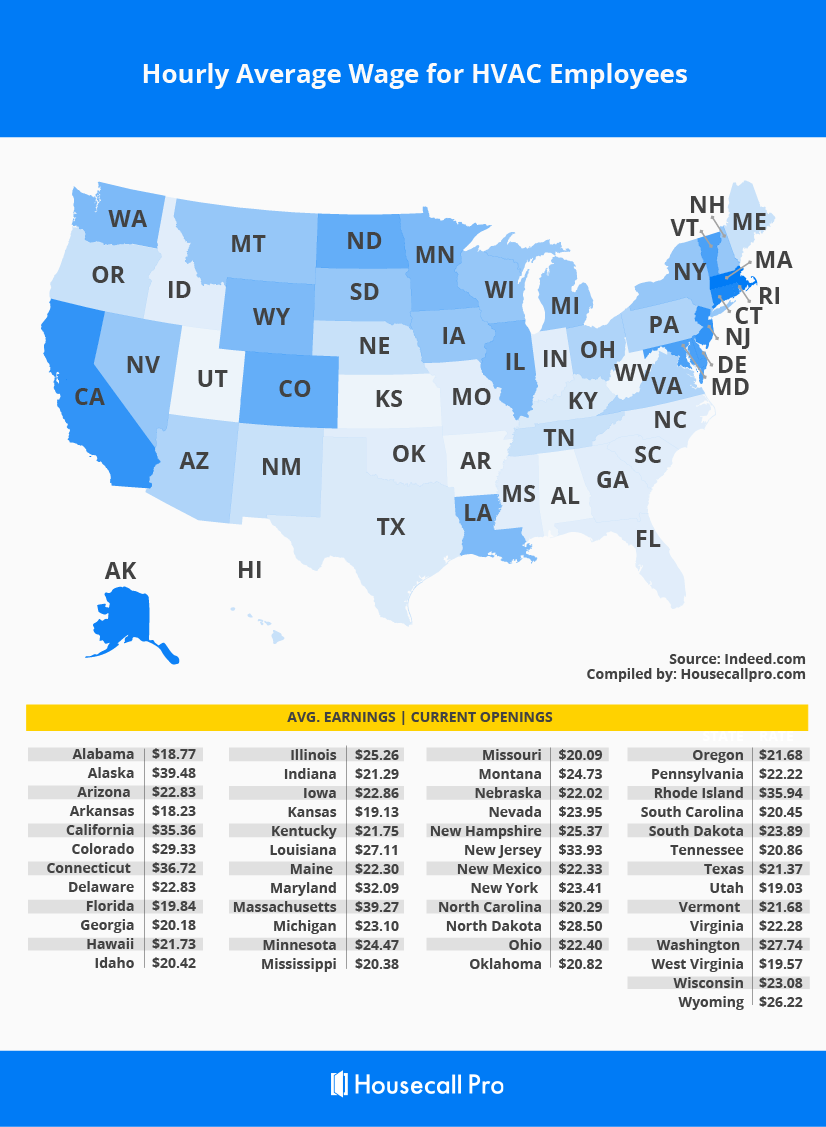
On average, HVAC technicians in Texas can expect to earn a competitive wage. Data from various labor market analytics platforms consistently places the median annual salary for an HVAC technician in Texas in the mid-$50,000s. However, this figure serves as a general guideline. Entry-level technicians, those just beginning their careers or holding basic certifications, typically earn at the lower end of this spectrum, often starting in the $30,000s to $40,000s. As technicians gain experience, acquire advanced certifications, and demonstrate specialized skills, their earning potential increases significantly. Experienced professionals, particularly those with supervisory roles or specialized expertise in commercial systems or refrigeration, can command salaries well into the $60,000s, $70,000s, and even upwards of $80,000 annually.
Factors Influencing Income
Several key variables play a substantial role in determining an HVAC technician’s salary in Texas:
- Experience Level: This is arguably the most critical factor. Entry-level positions naturally command lower salaries than those held by seasoned veterans with years of hands-on experience and a proven track record. An apprentice might earn a modest wage while learning the ropes, while a master technician with a decade or more in the field will be compensated proportionally higher.
- Certifications and Licenses: Holding specific certifications, such as those from North American Technician Excellence (NATE), can significantly boost earning potential. NATE certifications are widely recognized and respected within the industry, signifying a high level of competence and knowledge. State-specific licenses also often carry weight and may be a prerequisite for higher-paying roles.
- Geographic Location: Texas is a state of contrasts, and so are its salaries. Major metropolitan areas, with a higher cost of living and greater demand for services, generally offer higher salaries. Cities like Houston, Dallas, San Antonio, and Austin tend to have a more competitive job market, leading to potentially higher wages for HVAC technicians. Conversely, smaller towns and rural areas may offer lower average salaries, though the cost of living can also be more affordable.
- Type of Employer: The sector in which an HVAC technician is employed can also impact their earnings.
- Residential Services: Technicians working for smaller, local residential HVAC companies often earn a salary that reflects the company’s size and client base.
- Commercial and Industrial Companies: Those employed by larger commercial or industrial HVAC contractors, responsible for maintaining complex systems in office buildings, factories, or data centers, often earn higher salaries due to the specialized nature of the work and the scale of the projects.
- Manufacturing and Original Equipment Manufacturers (OEMs): Some technicians work directly for HVAC equipment manufacturers, often in installation, service, or warranty roles. These positions can also offer competitive compensation.
- Government and Institutional Facilities: Employment with government agencies, schools, or hospitals can provide stable employment and good benefits, with salaries often falling within a predictable range.
- Specialization: HVAC technicians who specialize in particular areas, such as refrigeration, geothermal systems, or advanced building automation systems, often command higher salaries. The demand for these niche skills can drive up compensation.
- Union Membership: In some parts of Texas, HVAC technicians who are part of a labor union may benefit from collectively bargained wage scales and benefits, which can lead to higher overall compensation than non-union counterparts.
Salary Variations Across Texas Cities
The economic landscape and cost of living vary significantly across the vast state of Texas. This directly translates into observable differences in HVAC technician salaries from one major city to another. Understanding these regional disparities is crucial for job seekers and employers alike.
The Major Metros: Houston, Dallas, San Antonio, and Austin
- Houston: As the most populous city in Texas and a major hub for energy, manufacturing, and healthcare, Houston generally offers strong earning potential for HVAC technicians. The high demand for climate control in both residential and commercial sectors, coupled with a substantial number of large businesses and industrial facilities, drives competitive salaries. Technicians in Houston can expect to earn salaries at or above the state median, with experienced professionals often exceeding $60,000 annually.
- Dallas-Fort Worth Metroplex: The Dallas and Fort Worth area, another booming economic powerhouse, also provides excellent opportunities. The rapid growth and development in this region mean a constant need for HVAC services in new constructions and existing infrastructure. Similar to Houston, salaries here tend to be robust, with a strong demand for skilled technicians across all specializations.
- San Antonio: While perhaps not as industrially diverse as Houston or Dallas, San Antonio has a significant tourism and military presence, alongside a growing population. This sustained demand, particularly for reliable cooling systems due to its warm climate, supports competitive salaries for HVAC professionals. The cost of living in San Antonio is also generally lower than in Houston or Dallas, which can make the effective purchasing power of an HVAC technician’s salary more substantial.
- Austin: Known for its booming tech industry and vibrant culture, Austin has experienced substantial growth, leading to increased demand for all types of skilled labor, including HVAC technicians. While the cost of living in Austin has risen considerably, so too have the wages for many professions, including those in the trades. HVAC technicians in Austin often find themselves in high demand, with salaries reflecting the city’s economic dynamism.
Mid-Sized Cities and Rural Areas
Beyond the major metropolitan centers, HVAC technician salaries in mid-sized cities like El Paso, Corpus Christi, or Waco, and in more rural parts of Texas, may present a different picture. While demand is still present, the sheer volume of businesses and large-scale projects is typically lower. This can result in slightly lower average salaries compared to the major metros. However, the lower cost of living in these areas can often offset the difference, providing a comparable or even better quality of life. Furthermore, in some rural communities, HVAC technicians may be among the few qualified service providers, leading to consistent work and potentially higher rates for specialized services.
Career Progression and Earning Potential Over Time
The career path of an HVAC technician in Texas is one of continuous learning and increasing responsibility, directly correlating with enhanced earning potential. Starting as an apprentice and progressing through various stages of expertise allows technicians to significantly increase their income and job satisfaction.
From Apprentice to Master Technician
The journey typically begins with an apprenticeship, often a formalized program that combines on-the-job training with classroom instruction. During this phase, earning potential is lower, reflecting the learning process. As an apprentice gains skills and experience, they may progress to a junior technician role.
Upon completing an apprenticeship and potentially earning an associate’s degree or a trade certificate, technicians become fully qualified. At this stage, their salaries reflect their entry into the professional workforce. The accumulation of years of practical experience, coupled with the acquisition of advanced certifications like NATE certifications, is what truly unlocks higher earning potential.
A master technician is typically recognized for their extensive knowledge, problem-solving abilities, and often, their leadership skills. They may be responsible for diagnosing and repairing complex systems, training junior technicians, or managing service calls. These roles are highly valued and command the highest salaries within the profession.
Specializations and Advanced Roles
Beyond general HVAC services, technicians can specialize in areas that often lead to increased earnings:
- Refrigeration Technician: Specializing in commercial and industrial refrigeration systems, commonly found in grocery stores, restaurants, and food processing plants, requires specific knowledge and skills. These systems are complex and critical, making refrigeration technicians highly sought after and well-compensated.
- Commercial HVAC Specialist: Working with the larger, more intricate HVAC systems found in commercial buildings requires a deeper understanding of building codes, ventilation requirements, and advanced control systems. These roles often involve higher salaries due to the scale and complexity of the work.
- Building Automation Systems (BAS) Technician: With the increasing integration of smart technology in buildings, technicians who can install, program, and maintain BAS are in high demand. These systems optimize energy efficiency and building performance, making this a lucrative specialization.
- Service Manager or Owner: For ambitious technicians, career progression can lead to management roles within a company, overseeing teams of technicians, managing client relationships, and ensuring operational efficiency. For entrepreneurs, starting their own HVAC business offers the ultimate control over earning potential, though it also comes with significant risks and responsibilities.

The Importance of Continuous Learning
The HVAC industry is not static. Advancements in technology, evolving environmental regulations, and new equipment designs mean that continuous learning is essential for maintaining relevance and maximizing earning potential. Technicians who regularly attend training sessions, pursue new certifications, and stay abreast of industry trends will be better positioned for career advancement and higher compensation in the long run. This commitment to professional development is a key determinant of long-term success and financial reward in the HVAC field in Texas.
LifeOutOfTheBox is a participant in the Amazon Services LLC Associates Program, an affiliate advertising program designed to provide a means for sites to earn advertising fees by advertising and linking to Amazon.com. Amazon, the Amazon logo, AmazonSupply, and the AmazonSupply logo are trademarks of Amazon.com, Inc. or its affiliates. As an Amazon Associate we earn affiliate commissions from qualifying purchases.