
Understanding the earning potential for veterinary technicians in the Lone Star State is crucial for aspiring professionals, current technicians seeking career advancement, and veterinary practices looking to attract and retain talent. The field of veterinary medicine, while deeply rewarding, requires specialized skills and dedication, and compensation often reflects this. In Texas, a state known for its vast landscape and diverse economy, the salaries for vet techs can vary significantly based on several key factors, including experience, location, type of practice, and additional certifications. This article delves into the nuances of vet tech compensation in Texas, providing insights into salary ranges, influencing factors, and potential career trajectories.

Factors Influencing Vet Tech Salaries in Texas
The take-home pay for a veterinary technician in Texas is not a monolithic figure. Instead, it’s a dynamic sum influenced by a confluence of elements that shape the overall compensation package. Recognizing these drivers is essential for setting realistic expectations and for negotiating salaries effectively.
Experience Level and Seniority
As with most professions, experience is a significant determinant of earning potential for veterinary technicians. Entry-level technicians, fresh out of an accredited program and perhaps without extensive practical experience, will typically command a lower starting salary. This initial phase is often about building a foundational skill set and gaining confidence in a clinical setting.
As vet techs gain experience—typically after two to five years—their value to a practice increases. They become more efficient, capable of handling a wider range of procedures independently, and may be entrusted with more complex cases or even leadership roles like head technician or practice manager. This progression naturally leads to salary increases. Senior technicians, those with a decade or more of experience, often reach the higher end of the salary spectrum. Their expertise, problem-solving abilities, and mentorship capabilities are invaluable assets to any veterinary clinic or hospital.
Geographic Location Within Texas
Texas is a sprawling state with diverse economic landscapes, and this directly impacts salary expectations. Major metropolitan areas often offer higher salaries to account for a higher cost of living and a greater demand for specialized services. Cities like Houston, Dallas, Austin, and San Antonio are hubs for advanced veterinary care, including specialty hospitals and emergency clinics, which tend to pay more competitively.
Conversely, veterinary technicians working in smaller towns or rural areas might find their salaries to be lower. While the cost of living is generally less in these regions, the demand for veterinary services and the number of practices might also be more limited. However, in some rural areas, a highly skilled and dedicated vet tech might be in high demand, potentially leading to competitive offers. It’s also worth noting that the presence of large animal practices in agricultural regions might offer different salary structures compared to small animal-focused urban clinics.
Type of Veterinary Practice
The environment in which a veterinary technician works plays a pivotal role in their earning potential. Different types of veterinary practices cater to different needs and operate under different financial models, which translates into varying salary ranges.
Small Animal General Practice
These are the most common types of veterinary clinics, focusing on companion animals like dogs and cats. Salaries in these practices can range from moderate to good, depending on the size and success of the practice, as well as the technician’s responsibilities.
Specialty and Emergency/Critical Care Hospitals
Practices that focus on specific disciplines such as surgery, internal medicine, cardiology, neurology, or oncology, or those that operate as 24/7 emergency and critical care facilities, often offer higher salaries. These facilities deal with more complex and acute cases, requiring highly skilled technicians with advanced knowledge and the ability to perform under pressure. The advanced equipment and specialized care provided at these locations also contribute to higher operational costs and, consequently, higher compensation for their staff.
Large Animal Practices
Veterinary technicians working with livestock, horses, or other large animals, often found in more rural or agricultural areas of Texas, may have a different salary structure. The work can be physically demanding and may involve travel to farms and ranches. While specialized, these roles might not always command the highest salaries compared to some urban specialty practices, but they offer unique experiences and skill development.
Research and Education
Opportunities also exist in academic settings, universities, and private research institutions. Veterinary technicians in these roles might be involved in animal care, surgical assistance in research protocols, or laboratory work. Salaries in these sectors can be competitive, often influenced by grant funding and institutional pay scales.
Industry Roles
Beyond traditional clinical practice, vet techs can find roles in pharmaceutical companies, diagnostic laboratories, or as representatives for veterinary equipment and supply companies. These positions can sometimes offer higher earning potential and different benefits packages, often including a base salary plus commission or bonuses.
Certifications and Additional Skills
While not always mandatory in every state, obtaining national or state-level certifications can significantly boost a veterinary technician’s earning potential in Texas. The Texas Veterinary Medical Association (TVMA) plays a role in the regulatory landscape, and holding recognized credentials signals a higher level of competency and commitment.
- Veterinary Technician Specialist (VTS): Technicians who pursue advanced training and certification in a specific area of veterinary medicine, such as emergency and critical care, anesthesia, dentistry, internal medicine, or surgery, become Veterinary Technician Specialists. This specialization makes them highly sought after and commands higher salaries.
- Continuing Education: Actively participating in continuing education (CE) courses, workshops, and conferences demonstrates a commitment to staying current with the latest advancements in veterinary medicine. This ongoing learning can lead to expanded skill sets and greater value to an employer.
- Management Skills: Technicians who develop skills in practice management, inventory control, client education, or staff training may be compensated more, especially if they take on supervisory or managerial responsibilities.
Salary Ranges and Averages in Texas
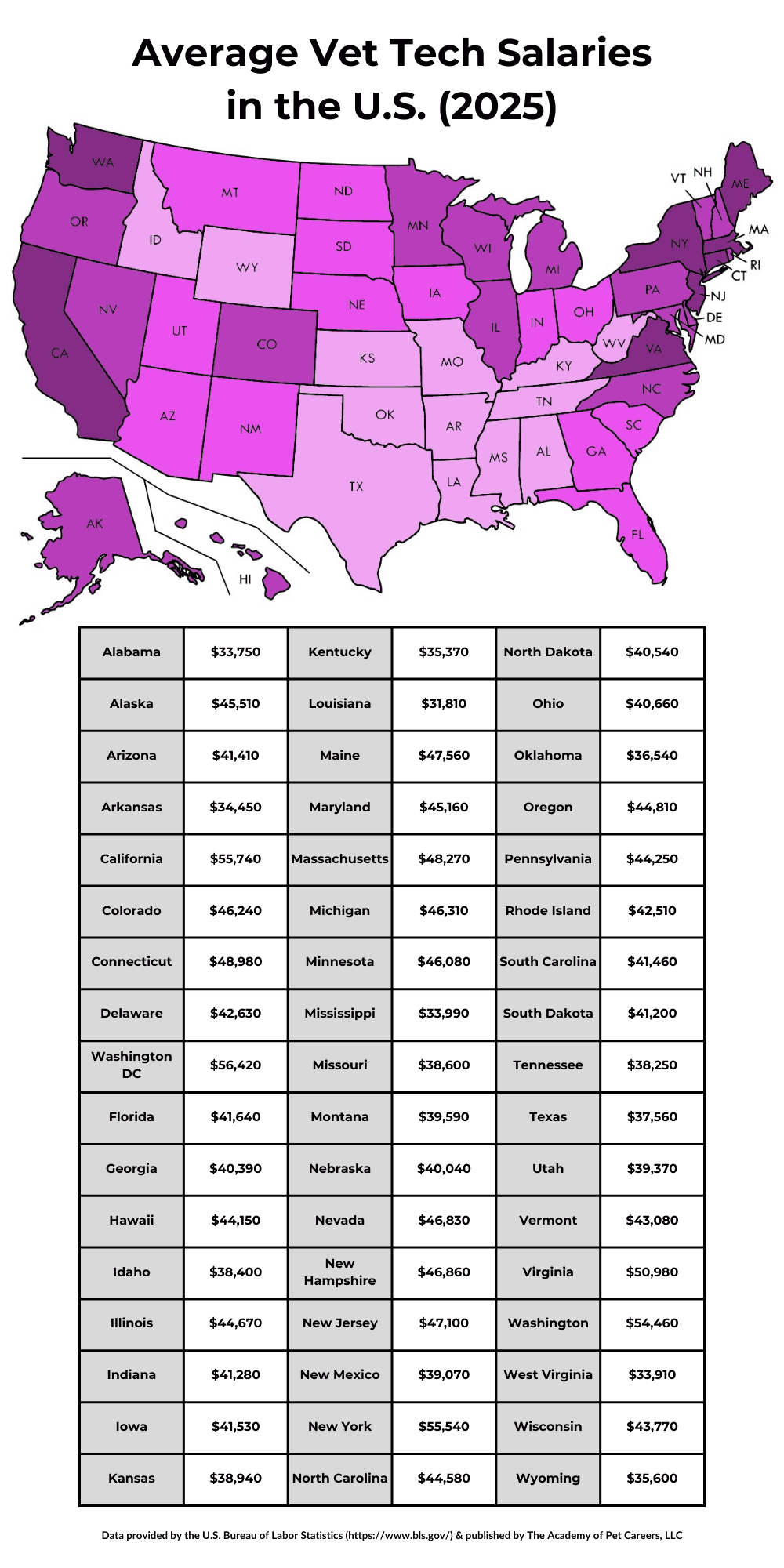
Pinpointing an exact average salary for vet techs in Texas is challenging due to the wide variation in data collection methodologies and the dynamic nature of the job market. However, reputable sources provide valuable insights into general salary ranges.
Based on data from various employment platforms and industry surveys, veterinary technicians in Texas can expect to earn an average annual salary that typically falls within the range of $35,000 to $55,000. This average is a broad stroke, and individual salaries can fall outside this range.
- Entry-Level: New graduates or those with minimal experience might start in the $30,000 to $40,000 range annually.
- Mid-Career: With several years of experience and a solid skill set, vet techs can expect to earn between $40,000 and $50,000 annually.
- Experienced/Specialized: Highly experienced technicians, particularly those with VTS credentials or in high-demand specialty roles in major metropolitan areas, can earn $50,000 to $65,000 or even more. Some senior technicians in leadership positions at large, successful practices might exceed this range.
It’s important to consult up-to-date salary data from reliable sources like the U.S. Bureau of Labor Statistics (BLS), Indeed, Glassdoor, and the Texas Veterinary Medical Association for the most current and localized salary information. These platforms often provide salary breakdowns by city and by experience level.
The Impact of Benefits and Other Compensation
While salary is a primary consideration, it’s crucial to look at the entire compensation package. Many veterinary practices in Texas offer benefits that add significant value to a technician’s overall remuneration. These can include:
- Health, Dental, and Vision Insurance: Comprehensive medical coverage is a significant financial benefit, often partially or fully subsidized by the employer.
- Paid Time Off (PTO) and Sick Leave: Generous PTO and sick leave policies allow for work-life balance and financial security during illness.
- Retirement Plans: Contributions to 401(k) or other retirement savings plans are becoming increasingly common.
- Continuing Education Allowances: Many employers provide funding or time off for CE, which is vital for professional development and maintaining certifications.
- Pet Care Discounts: A perk often highly valued by veterinary professionals is discounted or free veterinary care for their own pets.
- Uniform Allowances: Assistance with the cost of professional attire.
When evaluating a job offer, consider the total compensation, including the value of these benefits, not just the base salary.
Career Progression and Earning Potential in Texas
The career path for a veterinary technician in Texas is not linear and offers multiple avenues for growth, each with its own earning potential. Beyond simply accumulating years of experience, proactive professionals can strategically advance their careers.
Moving Up the Ladder Within a Practice
Many veterinary technicians begin as general assistants or technicians and can progress to roles such as:
- Lead Technician/Head Technician: Responsible for overseeing other technicians, managing inventory, scheduling, and ensuring smooth clinic operations. This role typically comes with a salary increase.
- Practice Manager: For technicians with strong organizational, leadership, and business acumen, transitioning into practice management is a common and lucrative path. This role involves managing staff, finances, marketing, and client relations, often leading to significantly higher compensation.
Specialization and Advanced Practice
As mentioned earlier, pursuing Veterinary Technician Specialist (VTS) certification in fields like anesthesia, emergency and critical care, surgery, or internal medicine opens doors to specialized roles. These positions are often found in larger referral hospitals or teaching institutions and command higher salaries due to the advanced skills and expertise required. The demand for these specialists continues to grow as veterinary medicine becomes increasingly sophisticated.
Education and Teaching Roles
For experienced technicians with a passion for education, opportunities exist in veterinary technology programs at community colleges or universities. These roles may require advanced degrees (e.g., a Bachelor’s or Master’s degree) but can offer stable employment, competitive salaries, and the satisfaction of shaping the next generation of veterinary professionals.
Entrepreneurship and Alternative Careers
Some veterinary technicians with extensive experience and business knowledge may consider opening their own independent veterinary support services, such as mobile grooming, pet sitting services focused on medically complex animals, or diagnostic laboratory services. While these ventures involve significant risk and investment, they offer the potential for substantial financial rewards and autonomy.

Conclusion: A Rewarding Career with Growth Potential
The role of a veterinary technician in Texas is indispensable to the well-being of countless animals. While the salary is a critical factor, it is just one piece of the puzzle. The earning potential for vet techs in Texas is on an upward trajectory, driven by increasing demand for skilled professionals, the growing complexity of veterinary medicine, and the recognition of the crucial role technicians play. By focusing on gaining experience, pursuing specialization, obtaining certifications, and strategically planning career advancement, veterinary technicians in Texas can build a financially rewarding and deeply fulfilling career dedicated to animal health and welfare. The diverse opportunities within the state, from bustling metropolitan areas to the expansive rural landscapes, ensure that there is a place for every dedicated veterinary technician to thrive.
LifeOutOfTheBox is a participant in the Amazon Services LLC Associates Program, an affiliate advertising program designed to provide a means for sites to earn advertising fees by advertising and linking to Amazon.com. Amazon, the Amazon logo, AmazonSupply, and the AmazonSupply logo are trademarks of Amazon.com, Inc. or its affiliates. As an Amazon Associate we earn affiliate commissions from qualifying purchases.