
In the vast and diverse landscape of the Lone Star State, the question of firefighter compensation is one that sparks considerable interest, not just for those considering a career in public service, but also for residents keen to understand the value placed on these essential professionals. Firefighting in Texas is a demanding yet often rewarding profession, requiring courage, skill, and unwavering dedication. The salary of a firefighter is influenced by a confluence of factors, ranging from the specific municipality they serve to their years of experience and specialized training. This exploration delves into the financial realities of being a firefighter in Texas, offering a comprehensive overview of earning potential across different levels and regions.

Understanding Firefighter Salary Determinants in Texas
The compensation package for a firefighter in Texas is not a monolithic figure. It is a dynamic sum shaped by several key variables that contribute to the overall financial picture. Understanding these determinants is crucial for anyone seeking to grasp the nuances of firefighter pay.
Base Salary and Cost of Living
The foundational element of a firefighter’s earnings is their base salary. This figure varies significantly from one Texas city to another. Larger metropolitan areas, such as Houston, Dallas, San Antonio, and Austin, tend to offer higher base salaries compared to smaller towns or rural areas. This is often directly correlated with the cost of living in these regions. For instance, the expenses associated with housing, transportation, and daily living are generally higher in major urban centers, necessitating a more robust income to maintain a comparable standard of living. Consequently, firefighters in Houston, with its extensive infrastructure and significant population, might see a higher starting salary than their counterparts in a more remote Texas community.
Experience and Rank
Like many professions, firefighting adheres to a hierarchical structure where experience and advancement in rank directly correlate with increased earning potential. Entry-level firefighters, often referred to as “probationary firefighters” or “firefighter I,” typically earn the lowest starting salaries. As they gain experience, complete ongoing training, and demonstrate proficiency, they progress through the ranks. Positions such as Firefighter II, Fire Apparatus Engineer (FAE), Lieutenant, Captain, Battalion Chief, and ultimately, Fire Chief, all command progressively higher salaries. Each promotion brings greater responsibility, including supervising crews, managing operations, and overseeing departmental functions, which is reflected in the compensation. For example, a seasoned Captain in a major Texas city will undoubtedly earn more than a firefighter in their first year.
Department Size and Funding
The size and financial resources of a fire department play a pivotal role in determining salary scales. Larger departments, often serving populous cities, typically have more substantial budgets derived from municipal taxes and other revenue streams. This increased funding allows them to offer more competitive salaries and comprehensive benefits packages to attract and retain qualified personnel. Smaller departments, especially those in less affluent communities, may have more limited budgets, which can translate into lower pay scales. The ability of a municipality to adequately fund its fire services is a direct indicator of the financial capacity to compensate its firefighters fairly.
Overtime and Special Assignments
Beyond the base salary, firefighters often have opportunities to supplement their income through overtime. Firefighting is a 24/7 operation, and shifts can be long, often involving 24-hour rotations. When additional shifts are needed, or during major incidents that require extended hours, firefighters may be compensated for overtime worked, typically at an increased hourly rate. Furthermore, many fire departments offer stipends or additional pay for specialized roles or assignments. These can include positions such as hazmat specialists, arson investigators, training officers, or members of technical rescue teams. These specialized skills and responsibilities add to a firefighter’s value and, consequently, their overall earnings.
Benefits Package
While salary is a primary concern, it is essential to consider the comprehensive benefits package that often accompanies a firefighter’s position. These benefits can significantly enhance the total compensation. Standard benefits typically include health insurance, dental insurance, and vision coverage for the firefighter and often their dependents. Retirement plans, such as defined benefit pensions or 401(k)-style plans, are also common, providing long-term financial security. Paid time off, including vacation days, sick leave, and holiday pay, is standard. Some departments may also offer life insurance, disability insurance, and educational assistance for further training or certifications. The value of these benefits, though not directly paid in cash, represents a substantial portion of a firefighter’s overall financial well-being and job satisfaction.
Average Firefighter Salaries Across Texas Cities
Pinpointing an exact average salary for a firefighter across the entirety of Texas is challenging due to the wide disparities in cost of living, departmental budgets, and local economic conditions. However, by examining data from major urban centers, a clearer picture emerges regarding earning potential in key areas. These figures are generally based on reported salaries and can fluctuate based on the specific sources and the year of the data.
Major Metropolitan Areas
In Houston, the largest city in Texas, starting firefighter salaries can range from approximately $50,000 to $60,000 annually. With experience and promotions, experienced firefighters and those in higher ranks can earn significantly more, with salaries potentially reaching $80,000 to over $100,000 per year for positions like Captain or Battalion Chief.
Dallas, another major economic hub, offers comparable compensation. Entry-level firefighters in Dallas might begin in the $55,000 to $65,000 range. As they advance, their earning potential increases substantially, with senior firefighters and officers earning salaries comparable to or exceeding those in Houston.
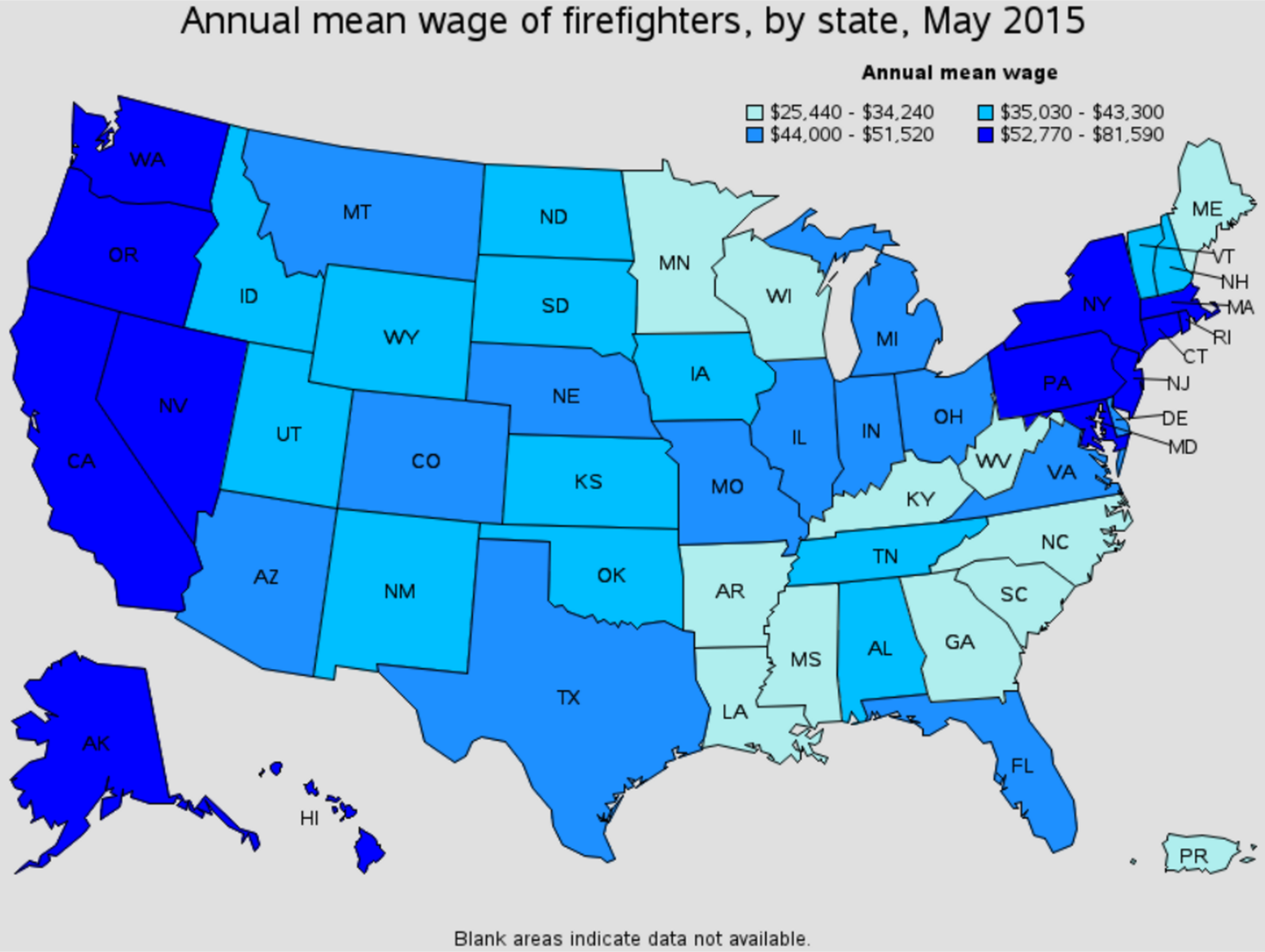
San Antonio, with its rich history and growing population, also provides competitive salaries. Firefighter pay in San Antonio typically starts in the low $50,000s and can climb to $75,000 or more for experienced personnel and officers.
Austin, known for its vibrant tech scene and high cost of living, generally offers some of the higher salary ranges in Texas. Entry-level positions might start around $55,000 to $70,000, with experienced firefighters and officers earning upwards of $90,000 to $110,000 annually.
Mid-Sized Cities and Smaller Communities
In mid-sized Texas cities like Fort Worth, El Paso, or Corpus Christi, salaries are often slightly lower than in the largest metropolitan areas but still provide a respectable living. Starting salaries might fall between $45,000 and $55,000. Experienced firefighters and officers can still achieve comfortable incomes, generally ranging from $60,000 to $80,000.
For firefighters in smaller towns and rural areas of Texas, compensation can be notably less. Starting salaries might be in the $35,000 to $45,000 range. While the cost of living is also lower in these areas, the earning potential for advancement might be more limited. However, many firefighters in smaller departments also benefit from a strong sense of community and potentially more manageable workloads compared to their urban counterparts.
The Role of Education and Certification
While hands-on experience is paramount in firefighting, formal education and specialized certifications can also influence a firefighter’s earning potential and career progression in Texas.
Firefighter Certifications
The Texas Commission on Fire Protection (TCFP) oversees the licensing and certification of firefighters in the state. Achieving basic certifications is a prerequisite for employment. However, obtaining advanced certifications can make a firefighter a more attractive candidate and potentially lead to higher pay. These advanced certifications might include:
- Fire Officer I and II: For those aspiring to leadership roles.
- Fire Inspector: Focusing on fire prevention and code enforcement.
- Arson Investigator: Specializing in determining the cause of fires.
- Master Firefighter: A high-level certification demonstrating extensive knowledge and experience.
- Specialized Rescue Certifications: Such as technical rescue, swift water rescue, or hazardous materials (hazmat) technician.
Departments often recognize and reward personnel who invest in these specialized skills, either through higher base pay or by offering higher stipends for roles requiring these qualifications.
Higher Education
While not always a strict requirement, pursuing higher education can also be advantageous. An associate’s or bachelor’s degree in fire science, emergency management, or a related field can open doors to supervisory and administrative positions within larger fire departments. These roles often come with increased responsibilities and, consequently, higher salaries. Furthermore, a degree can provide a broader understanding of public administration, leadership principles, and strategic planning, which are invaluable for those aiming for the highest ranks within a fire service. Some departments may even offer tuition reimbursement or incentives for employees who pursue higher education.
Career Outlook and Compensation Trends
The demand for firefighters in Texas remains steady, driven by population growth and the ongoing need for emergency services. While the core responsibilities of firefighting are unlikely to change drastically, the profession is evolving with advancements in technology and an increased focus on fire prevention and community risk reduction.
Factors Influencing Future Salaries
Several trends could influence firefighter salaries in Texas in the coming years. The ongoing growth in many Texas cities will necessitate the expansion of fire departments, potentially leading to increased demand and competitive salary offerings to attract new talent. As departments embrace new technologies, such as advanced dispatch systems, predictive analytics for fire risk, and improved personal protective equipment, there may be a need for firefighters with specialized technological skills, which could command higher compensation.
The economic health of Texas and its individual municipalities will also play a significant role. In periods of economic prosperity, local governments are often better positioned to increase funding for public services, including fire departments, leading to salary adjustments and improved benefits. Conversely, economic downturns could put pressure on municipal budgets, potentially leading to salary freezes or slower growth.

The Value of the Profession
Ultimately, the compensation for firefighters in Texas reflects a complex interplay of economic factors, professional demands, and societal value. While salaries vary, the profession consistently offers a stable career path with opportunities for advancement, a comprehensive benefits package, and the profound satisfaction of serving one’s community. The dedication, bravery, and essential services provided by firefighters are invaluable, and their compensation, while subject to market forces, aims to recognize the critical role they play in ensuring the safety and well-being of Texas residents. For those considering this noble profession, understanding the financial landscape, coupled with the inherent rewards of service, provides a complete picture of life as a firefighter in the Lone Star State.
LifeOutOfTheBox is a participant in the Amazon Services LLC Associates Program, an affiliate advertising program designed to provide a means for sites to earn advertising fees by advertising and linking to Amazon.com. Amazon, the Amazon logo, AmazonSupply, and the AmazonSupply logo are trademarks of Amazon.com, Inc. or its affiliates. As an Amazon Associate we earn affiliate commissions from qualifying purchases.