
Navigating the requirements for vehicle upkeep in the Lone Star State can feel like a significant part of planning any journey or relocation to Texas. Beyond the practicalities of packing and planning your itinerary, ensuring your vehicle is road-ready is paramount. For many, this brings up a fundamental question: “How much does a Texas State Inspection cost?” This seemingly simple query opens up a broader discussion about the value of these inspections, their components, and how they contribute to a safer and more enjoyable Texas experience, whether you’re a permanent resident or a visitor exploring its vast landscapes.

Understanding the Texas State Inspection: More Than Just a Sticker
The Texas State Inspection program, often referred to as the “State Inspection” or “Smog Check” (though the latter is a misnomer as it covers more than just emissions), is a mandatory annual safety check for most passenger vehicles. The primary goal is to ensure vehicles operating on Texas roadways meet minimum safety standards, thereby reducing the number of accidents caused by vehicle defects and contributing to cleaner air. This inspection is administered by licensed private inspection stations, not government facilities.
What Does the Inspection Entail?
A comprehensive Texas State Inspection typically covers a range of critical safety components. While the exact checklist can be subject to minor variations, the core elements remain consistent. Understanding these components can demystify the process and highlight why the inspection is a crucial part of vehicle maintenance.
Safety Components Inspected:
- Brakes: This is arguably the most critical component. Inspectors will check the condition of brake pads, rotors, fluid levels, and the overall responsiveness of the braking system. Ensuring your brakes are in good working order is non-negotiable for safe driving, especially on the extensive highways of Texas, which can stretch for hundreds of miles between towns.
- Lights: All exterior lights, including headlights (high and low beams), taillights, brake lights, turn signals, and hazard lights, are checked for functionality and proper aim. This is crucial for visibility, especially during the frequent dusk and dawn driving periods or in less populated areas where lighting can be scarce.
- Tires: Tread depth and general tire condition are assessed. Worn or damaged tires can significantly impair handling and braking. Inspectors will look for signs of excessive wear, uneven wear patterns, bulges, or cuts.
- Windshield Wipers and Horn: Functionality of windshield wipers is essential for visibility in Texas’s sometimes unpredictable weather. The horn’s operability is checked as a safety device for alerting other drivers or pedestrians.
- Mirrors: All mirrors, including the rearview and side mirrors, must be present and in good condition. Cracked or missing mirrors compromise a driver’s ability to see their surroundings.
- Exhaust System: The exhaust system is inspected for leaks, excessive noise, or structural integrity. While primarily a safety concern related to potential carbon monoxide leaks, it also plays a role in emissions control.
- Steering and Suspension: Inspectors will examine the steering wheel for excessive play and check the condition of the suspension components to ensure proper vehicle control and a stable ride.
- Occupant Protection: This includes checking seat belts for all seating positions to ensure they are functional and properly anchored.
- Fuel Cap: A loose or damaged fuel cap can lead to evaporative emissions escaping into the atmosphere, so its condition is also checked.
- Glass: While minor chips might be permissible, severe cracks or damage to the windshield that obstruct the driver’s view can cause the vehicle to fail inspection.
Emissions Testing (where applicable):
It’s important to note that not all vehicles require an emissions test as part of the state inspection. In Texas, the requirement for emissions testing is determined by the vehicle’s model year and the county in which it is registered. Counties designated as “Enhanced Inspection and Maintenance” (I/M) areas require emissions testing. These counties are typically the most populated urban areas, such as the Houston–Galveston area, Dallas–Fort Worth, and the San Antonio metropolitan area. For vehicles in these areas that are less than 25 years old, an emissions test is included in the state inspection. Older vehicles or those registered outside these I/M counties will only undergo the safety inspection.
The Inspection Certificate: Your Proof of Compliance
Upon successful completion of the inspection, your vehicle will receive an inspection certificate, commonly known as a “sticker,” which is affixed to your vehicle’s windshield, typically in the lower driver’s side corner. This sticker serves as proof that your vehicle has met the state’s safety (and emissions, if applicable) standards for the current year. It also displays the expiration date of the inspection. It’s crucial to keep this sticker up-to-date, as driving without a valid inspection sticker can result in traffic citations and fines.
The Cost of a Texas State Inspection: What to Expect
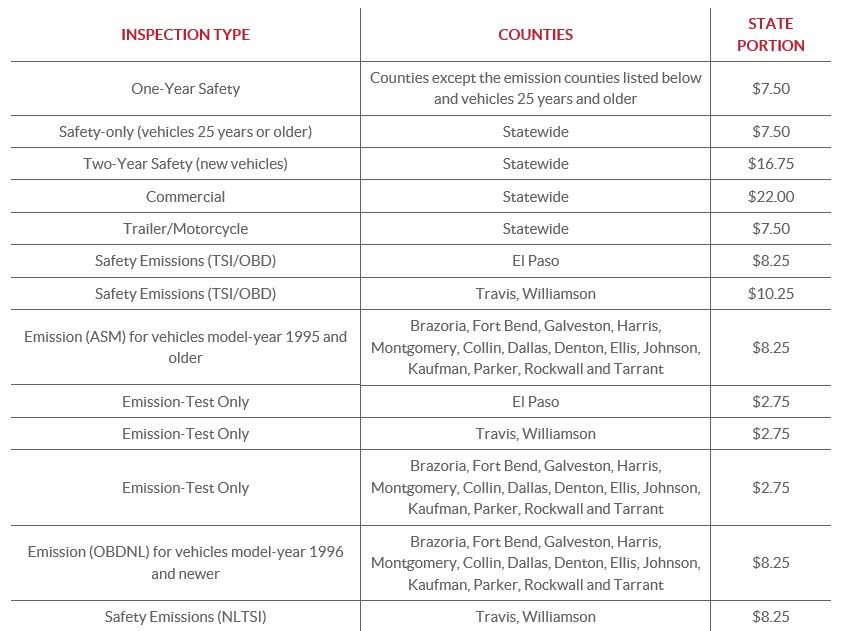
When considering the cost of a Texas State Inspection, it’s essential to understand that the state sets a maximum allowable fee, but the actual price can vary slightly between inspection stations. This price structure is designed to provide a baseline for consumers while allowing businesses to operate competitively.
Official Fee Structure
The Texas Department of Public Safety (DPS) outlines the maximum fees that can be charged for a state inspection. These fees are divided into the safety inspection fee and, where applicable, the emissions inspection fee.
Safety Inspection Fee:
The maximum fee for the safety-only inspection for most passenger vehicles (Type A vehicles, which include cars, SUVs, and light trucks) is capped at $7.50. This fee covers the labor and the administrative costs associated with performing the safety check.
Emissions Inspection Fee:
For vehicles that require an emissions test in an I/M county, the emissions portion of the inspection has a separate fee. The maximum fee for the emissions inspection is $10.50. This brings the total maximum cost for a combined safety and emissions inspection to $18.00 ($7.50 + $10.50).
Important Note on Fees: These are maximum allowable fees. Some inspection stations may charge slightly less, but no station can legally charge more than these amounts for the respective inspection types.
Factors Influencing the Final Price
While the state sets maximums, a few factors can influence the final amount you pay:
- Location of the Inspection Station: While the fee is regulated, businesses in areas with higher overhead costs might lean towards charging the maximum. However, the competitive nature of the market often keeps prices in check.
- Type of Vehicle: The fee structure primarily applies to standard passenger vehicles. Larger vehicles, such as RVs, buses, or heavy-duty trucks, may have different inspection requirements and associated fees.
- Additional Repairs: The inspection fee itself covers only the cost of performing the inspection. If your vehicle fails any part of the inspection, you will be responsible for the cost of any necessary repairs. The inspection station is not permitted to charge you for a second inspection fee if the vehicle is brought back within a specified timeframe (usually 60 days) after repairs are made. However, the cost of the repairs themselves is entirely separate from the inspection fee.
What if My Vehicle Fails the Inspection?
Failing a Texas State Inspection means that one or more components did not meet the required standards. You will be issued a report detailing the reasons for failure. You have a period of 60 days to make the necessary repairs and have the vehicle re-inspected. During this 60-day period, you are legally allowed to drive your vehicle with the expired inspection sticker. However, if you do not get the repairs done and the vehicle re-inspected within this timeframe, you will need to pay for a full new inspection. The inspection station is generally not allowed to charge an additional fee for the re-inspection of the specific items that caused the initial failure, provided it’s within the 60-day window. This policy is in place to encourage compliance without penalizing owners for necessary repairs.
Planning Your Visit to an Inspection Station
For those new to Texas or planning an extended road trip through the state, understanding where to get an inspection and what to expect is key to a smooth experience. The convenience and accessibility of inspection stations make it a relatively straightforward process.
Where to Find an Inspection Station
Texas State Inspections can be performed at any licensed private vehicle inspection station. These are typically found at:
- Automotive Repair Shops: Many independent mechanics and franchised dealerships offer state inspections.
- Tire and Auto Service Centers: National chains and local tire shops often provide inspection services.
- Dedicated Inspection Stations: Some businesses specialize solely in vehicle inspections and minor repairs.
You can identify licensed inspection stations by a blue and yellow sign displaying the official Texas State Inspection logo. The Texas Department of Public Safety also provides an online tool to locate inspection stations near you, which can be invaluable when you’re on the road or settling into a new city like Austin or El Paso.
What to Bring
To complete the inspection process efficiently, ensure you have the following:
- Your Vehicle: Obviously, the vehicle itself is required.
- Proof of Insurance: While not always strictly checked for the inspection itself, it’s a good practice to have your auto insurance card with you, as it’s a separate requirement for vehicle registration in Texas.
- Vehicle Registration (Optional but Recommended): Having your current registration can help the inspector quickly access your vehicle’s details if needed.
- Payment Method: Be prepared to pay the inspection fee upon completion. Most stations accept cash, credit, and debit cards, but it’s wise to confirm their accepted payment methods beforehand.
Tips for a Smooth Inspection
- Schedule in Advance (Optional): During peak times or at busy locations, you might be able to schedule an appointment to reduce waiting times.
- Check Your Vehicle’s Condition: Before heading to the inspection station, do a quick visual check of your lights, tires, and wipers. This can help you anticipate potential issues.
- Know Your Vehicle’s Requirements: Be aware of whether your vehicle is in an emissions testing county or not. This will help you understand the potential cost and duration of the inspection.
- Ask Questions: If you’re unsure about any part of the process or the results of the inspection, don’t hesitate to ask the inspector for clarification.
The Broader Value of the Texas State Inspection
Beyond the mandated cost and process, the Texas State Inspection serves a crucial role in promoting road safety and environmental responsibility across the state. From the bustling streets of Dallas to the open highways leading to Big Bend National Park, every vehicle on the road plays a part in the overall safety and air quality of Texas.
Enhancing Road Safety
The most significant benefit of the state inspection is its contribution to highway safety. By identifying and requiring the correction of potential vehicle defects, the program directly reduces the likelihood of accidents caused by mechanical failures. This protects not only the drivers and passengers of the inspected vehicles but also all other road users, including cyclists and pedestrians in cities like Houston or vacationers exploring attractions such as the Alamo in San Antonio.
Environmental Impact
For vehicles in emissions-testing counties, the inspection plays a vital role in monitoring and reducing harmful pollutants. Cleaner air benefits everyone, contributing to a healthier environment and improving the quality of life for residents and visitors alike, especially in densely populated areas. This aligns with Texas’s broader efforts to balance its thriving economy with environmental stewardship.
Consumer Protection
The regulated fee structure and the clear guidelines for what constitutes a pass or fail condition offer a degree of consumer protection. Knowing the maximum cost upfront prevents unexpected charges for the inspection itself, and the 60-day re-inspection window ensures that drivers aren’t unduly penalized if repairs are needed. Furthermore, the standardized inspection checklist ensures a consistent level of safety checks across all licensed stations.
In conclusion, the cost of a Texas State Inspection is a modest investment, capped at $7.50 for safety-only and $18.00 for combined safety and emissions inspections. This fee covers a comprehensive check designed to ensure your vehicle is safe to operate on Texas roadways and, where applicable, to minimize its environmental impact. Understanding this cost and the purpose behind the inspection is an essential part of responsible vehicle ownership, whether you are a longtime resident or a traveler making your way through this expansive and diverse state.
LifeOutOfTheBox is a participant in the Amazon Services LLC Associates Program, an affiliate advertising program designed to provide a means for sites to earn advertising fees by advertising and linking to Amazon.com. Amazon, the Amazon logo, AmazonSupply, and the AmazonSupply logo are trademarks of Amazon.com, Inc. or its affiliates. As an Amazon Associate we earn affiliate commissions from qualifying purchases.