
Navigating the financial landscape of vehicle ownership in the Lone Star State involves understanding various fees, and car registration is a significant one. For residents of Texas, keeping your vehicle legally on the road requires timely registration with the Texas Department of Motor Vehicles (TxDMV). While the base cost might seem straightforward, several factors can influence the final amount you pay. This guide aims to demystify the process, providing a comprehensive overview of car registration costs in Texas, from initial application to annual renewals. Understanding these fees is crucial for budgeting and ensuring compliance, allowing you to focus more on planning your next road trip across the vast Texan terrain rather than worrying about unexpected expenses.
Understanding the Base Registration Fee
The fundamental cost of registering a vehicle in Texas is primarily determined by the type of vehicle and its gross weight. This base fee is a set amount established by state law and is collected by county tax assessor-collectors’ offices across the state.
Passenger Vehicles and Light Trucks
For most passenger cars and light trucks (up to 18,000 pounds gross weight), the standard registration fee is relatively modest. This fee is a consistent figure for most individuals and families using their vehicles for personal transportation. The goal is to provide a predictable cost for the majority of drivers.
Motorcycles and Motor-Homes
Motorcycles generally have a lower registration fee compared to passenger vehicles, reflecting their smaller size and different usage patterns. Similarly, motor-homes, which are often subject to different weight classifications and usage considerations, will have their own specific fee structure.
Heavy-Duty Vehicles and Commercial Use
Vehicles with a higher gross weight rating (over 18,000 pounds) and those used for commercial purposes typically incur higher registration fees. This tiered system is designed to align fees with the potential impact on infrastructure and the economic activity generated by these vehicles. The TxDMV uses specific weight classes to determine the exact fee for these heavier categories.
Specialty Vehicles
Certain specialty vehicles, such as trailers, RVs, and other recreational vehicles, may also have distinct registration fees. These fees can vary based on the size, weight, and intended use of the specialty vehicle. For instance, a small utility trailer will have a different fee than a large horse trailer.
Additional Fees and Surcharges
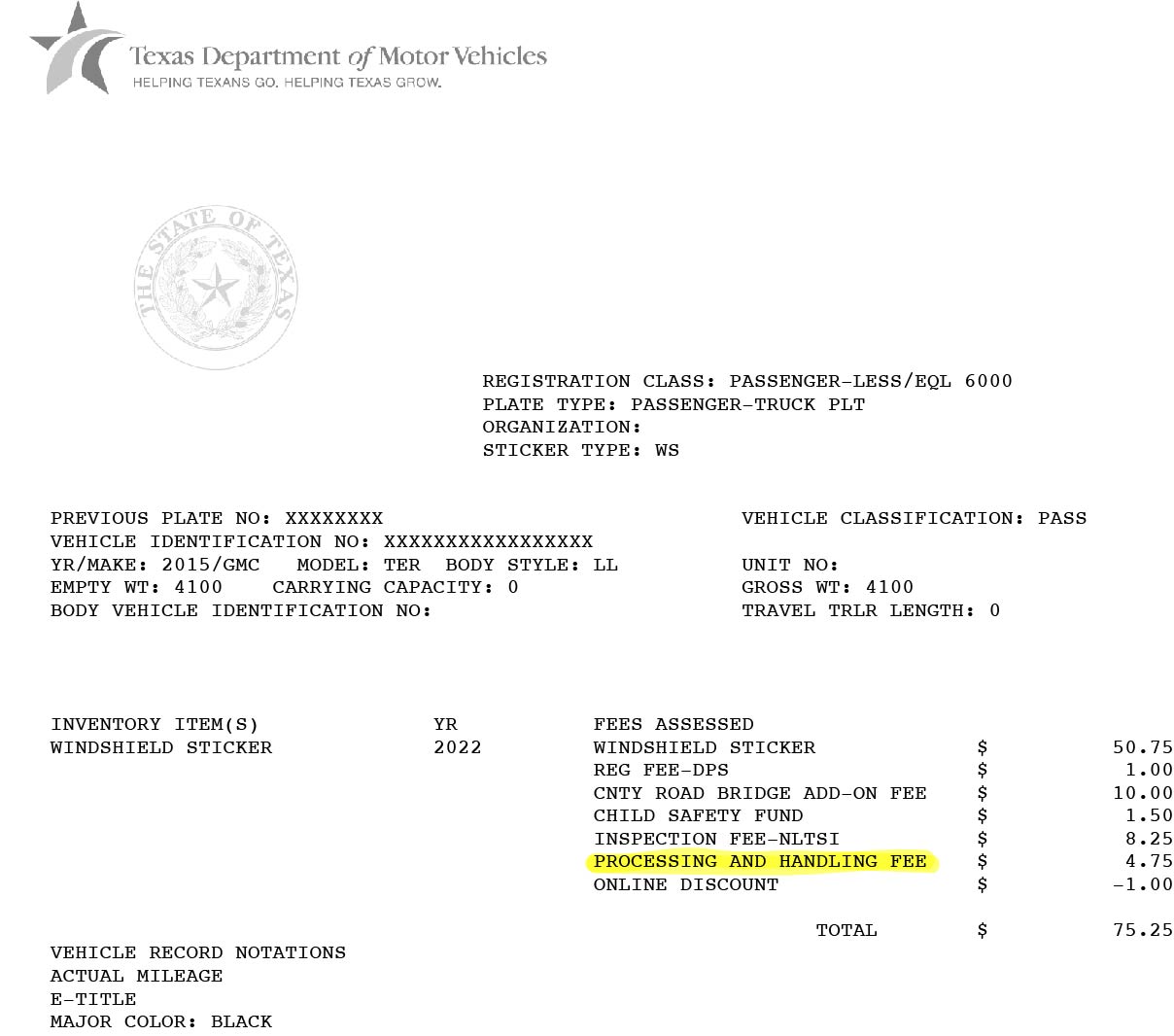
Beyond the base registration fee, Texas incorporates several additional fees and surcharges. These are often earmarked for specific programs or services related to transportation and public safety, contributing to the overall cost but also funding essential initiatives.
County and Local Fees
In addition to the state-mandated registration fee, counties and municipalities in Texas may impose their own surcharges. These local fees can vary significantly from one county to another. For example, some counties might have a small administrative fee or a surcharge to support local road maintenance or public safety initiatives. It is essential to check with your specific county tax assessor-collector’s office for the exact local fees applicable in your area. These can add a few dollars to the overall cost but are generally minor compared to the state fees.
County and Municipal Surcharges
These local additions are often passed through by the county tax assessor-collector. They might be labeled as administrative fees, county service fees, or similar designations. While they contribute to the total bill, their purpose is generally to support the local infrastructure and services that benefit vehicle owners within that jurisdiction.
Optional Fees
There are also optional fees that vehicle owners might encounter or choose to pay. These can include fees for specialty license plates, such as those supporting specific charities, universities, or professional organizations. While the base registration covers legal operation, these plates offer a way to personalize your vehicle and support a cause, but they come at an additional cost.
Specialty License Plates
Texas offers a wide array of specialty license plates. These plates often feature unique designs and may come with an additional annual fee on top of the standard registration cost. Examples include plates for Texas A&M University, the University of Texas, or plates supporting causes like breast cancer awareness or animal welfare. The cost for these plates can range from a few dollars to over $50 per year, depending on the plate’s design and the organization it supports.
Other Potential Fees
In some instances, other fees might be applicable. For example, if you are registering a vehicle for the first time in Texas from out of state, there may be an initial inspection fee or a title transfer fee. These are typically one-time costs associated with establishing the vehicle’s registration within the state. Furthermore, if your registration expires and you are caught driving with an expired tag, you could face penalties and late fees in addition to the regular registration cost.
Factors Influencing Your Specific Cost
While the general fee structure provides a framework, several individual circumstances can impact the precise amount you will pay for car registration in Texas. Understanding these nuances can help you anticipate the final bill.
Vehicle Age and Type
The age of a vehicle can sometimes play a role, though Texas generally bases registration fees on weight and type rather than depreciation. However, older vehicles might require certain types of inspections, which can indirectly add to the cost. As mentioned, the type of vehicle – from a compact sedan to a large SUV, a motorcycle to a commercial truck – is a primary determinant of the base fee.
Vehicle Weight
For many vehicle categories, particularly those above the light-duty classification, gross vehicle weight rating (GVWR) is a critical factor. The higher the weight, the higher the registration fee. This is often the most significant variable for commercial vehicles and larger trucks.
Residency and Location
While the base registration fees are set by the state, the inclusion of county and municipal surcharges means that your specific location within Texas can influence the final cost. A resident of a densely populated urban area like Houston or Dallas might pay slightly different local fees compared to someone in a rural county.
First-Time Registration vs. Renewal
When registering a vehicle for the first time in Texas, you might encounter additional one-time fees, such as a title transfer fee or an initial inspection fee. Annual renewals typically only involve the base registration fee, plus any applicable local surcharges and optional fees for specialty plates.
Emissions Testing Requirements
Depending on the county and the age of the vehicle, an emissions test may be required as part of the registration process. Currently, emissions testing is required in 17 counties: Brazoria, Fort Bend, Galveston, Harris, Liberty, Montgomery, Waller, Denton, El Paso, Johnson, Mclennan, Parker, Rockwall, Tarrant, Travis, Collin, and Kaufman. The cost of this inspection is an additional expense that drivers in these areas must factor into their annual vehicle costs. Vehicles that are less than two model years old or that are model year 25 years or older are exempt from emissions testing.
Estimating Your Registration Cost
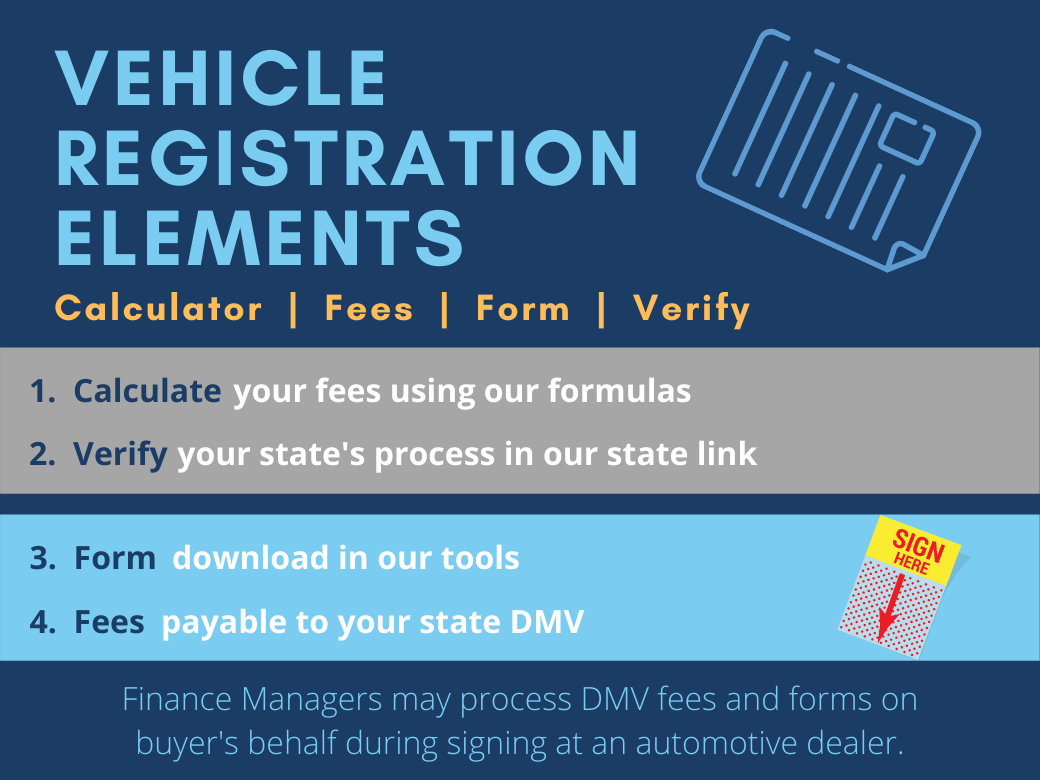
While it’s challenging to provide an exact figure without knowing your specific vehicle and location, you can estimate your registration cost by considering the components outlined above. The TxDMV website provides resources and fee calculators that can help you get a more precise estimate.
The Official TxDMV Fee Calculator
The Texas Department of Motor Vehicles offers an online tool that allows you to input your vehicle’s information to receive an estimated registration cost. This is the most reliable method for obtaining an accurate figure, as it takes into account current state and local fees. The calculator typically asks for your vehicle type, gross weight, and county of residence.
Sample Costs for Common Vehicles
To give you a general idea, here are some approximate costs for common vehicle types (note that these are estimates and can vary):
- Passenger Car: Typically ranges from $40 to $70 annually, depending on weight and local fees.
- Motorcycle: Generally lower, often in the $20 to $40 range.
- Light Truck (under 18,000 lbs): Can range from $40 to $90, again influenced by weight.
- Heavy-Duty Vehicle (over 18,000 lbs): Fees can increase significantly, starting from around $100 and going up to several hundred dollars based on exact weight classification.
These figures do not include the cost of specialty plates or potential emissions testing fees.

How to Pay
Registration fees can typically be paid online through the TxDMV website or your county’s tax assessor-collector’s website, by mail, or in person at your local county tax office. Many counties also offer automatic payment options to help you avoid late fees. When you receive your renewal notice, it will usually detail the exact amount due and the various payment methods available. Paying on time ensures your vehicle remains legally registered and avoids potential penalties.
By understanding these various components, Texas residents can better prepare for the costs associated with car registration, ensuring they meet state requirements while enjoying the freedom of the open road.
LifeOutOfTheBox is a participant in the Amazon Services LLC Associates Program, an affiliate advertising program designed to provide a means for sites to earn advertising fees by advertising and linking to Amazon.com. Amazon, the Amazon logo, AmazonSupply, and the AmazonSupply logo are trademarks of Amazon.com, Inc. or its affiliates. As an Amazon Associate we earn affiliate commissions from qualifying purchases.