
Navigating the financial landscape of a divorce in Texas can be a daunting prospect. Beyond the emotional turmoil, the monetary implications require careful consideration and planning. Understanding the various cost factors involved is the first step toward managing expectations and making informed decisions. This exploration delves into the typical expenses associated with obtaining a divorce in the Lone Star State, from filing fees to attorney retainers and potential unforeseen costs.
Understanding the Cost Components of a Texas Divorce
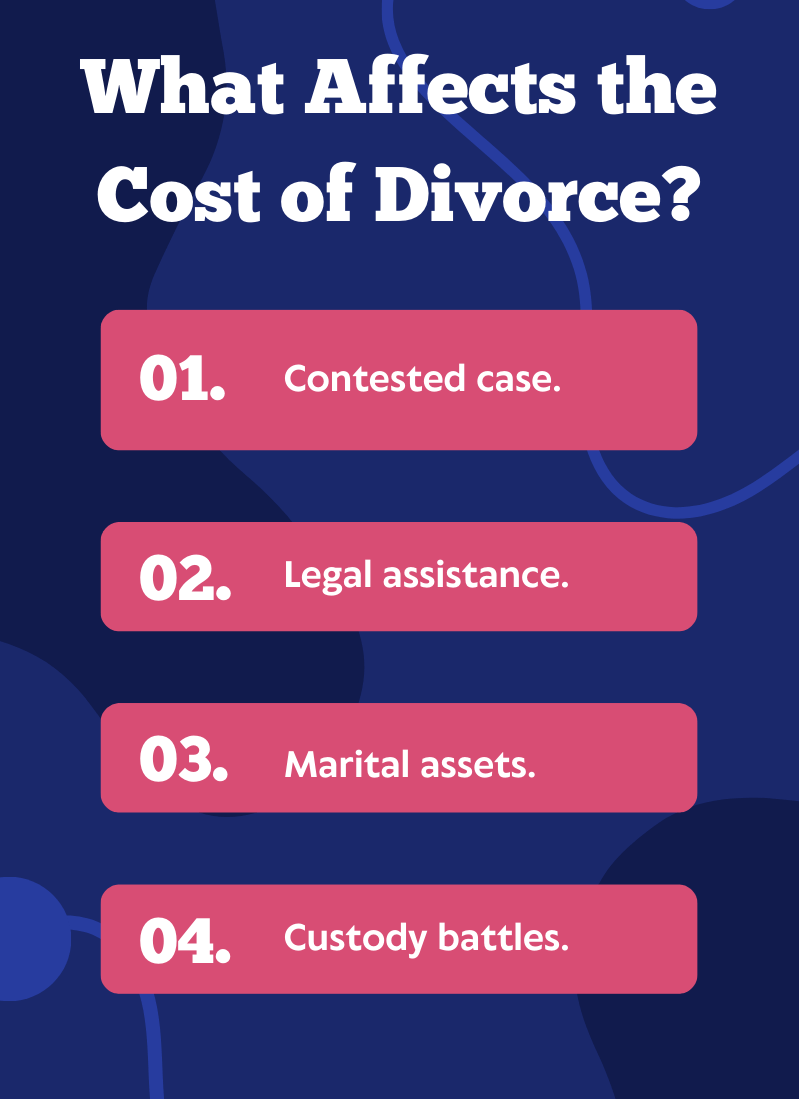
The overall cost of a divorce in Texas is not a fixed figure; it’s a dynamic sum influenced by numerous variables. These variables range from the simplicity or complexity of the case to the chosen legal representation and the cooperation between parties. A clear understanding of these components is crucial for budgeting and preparing for the financial journey ahead.
Filing Fees and Court Costs
The initial step in any legal proceeding, including divorce, involves initiating the case with the court. This requires the payment of filing fees, which are set by each individual county in Texas. While these fees might seem like a small part of the overall expense, they are a mandatory and non-negotiable cost.
- District Clerk Fees: The District Clerk’s office is responsible for processing and maintaining court records. Filing a Petition for Divorce involves a filing fee, which can range from approximately $200 to $400, depending on the county. Some counties may have additional fees for services like issuing a citation or a certified copy of the final decree.
- Service of Process: Once the divorce petition is filed, the other party must be formally notified. This is typically done through a process server, which incurs a separate fee. This fee can vary but generally falls between $50 and $150. In cases where a party cannot be located, alternative service methods might be required, potentially increasing this cost.
- Potential Additional Court Costs: Depending on the specifics of the divorce, other court-related costs might arise. These can include fees for motions, subpoenas, or the appointment of a Guardian ad Litem if minor children are involved and the court deems it necessary to protect their interests.
Attorney Fees: The Largest Variable
For most individuals, attorney fees represent the most significant expense in a divorce. The amount charged by attorneys varies widely based on their experience, reputation, location, and the complexity of the case. It’s essential to understand how attorneys structure their fees and what factors influence their billing.
- Retainer Fees: Most divorce attorneys require an upfront retainer. This is a deposit paid by the client, which the attorney draws from as they perform legal services. Retainer amounts can range from $3,000 to $10,000 or even more, depending on the attorney’s hourly rate and the anticipated complexity of the case.
- Hourly Rates: Attorneys bill their time in increments, typically in six-minute or fifteen-minute blocks. Hourly rates for divorce attorneys in Texas can range from $200 to $700 per hour, with experienced attorneys in major metropolitan areas like Houston or Dallas often commanding higher rates.
- Contested vs. Uncontested Divorce: The nature of the divorce significantly impacts attorney fees. An uncontested divorce, where both parties agree on all terms, is generally less time-consuming and therefore less expensive. A contested divorce, involving disagreements over issues like property division, child custody, or spousal support, requires more attorney time for negotiation, drafting documents, and potentially court appearances, leading to higher costs.
- Factors Influencing Attorney Fees:
- Complexity of Assets and Debts: Cases involving complex financial portfolios, businesses, real estate, or significant debt will naturally require more attorney time to unravel and divide equitably.
- Child Custody and Support: Disputes over child custody arrangements, visitation schedules, and child support calculations are often emotionally charged and legally intricate, leading to increased legal fees.
- Spousal Support (Alimony): Negotiations or litigation regarding spousal support can also add to the legal bill.
- Discovery Process: If extensive discovery is required (e.g., deposing witnesses, requesting financial documents), this will increase attorney hours.
- Trial: Taking a divorce case to trial is the most expensive scenario, as it involves extensive preparation, court time, and expert witness fees.
Mediation and Alternative Dispute Resolution
In an effort to avoid costly and time-consuming litigation, many couples opt for mediation or other forms of alternative dispute resolution (ADR). These methods can significantly reduce the overall cost of divorce by fostering a more collaborative approach to resolving disputes.
- Mediator Fees: A mediator is a neutral third party who helps facilitate discussions and guide the couple toward an agreement. Mediators typically charge an hourly rate, which can range from $200 to $500 per hour. The total cost depends on the number of sessions required. Mediation can be a fraction of the cost of going to trial.
- Benefits of Mediation: Mediation encourages open communication and allows couples to retain control over the outcome of their divorce, rather than having a judge make decisions for them. This can lead to more creative and mutually agreeable solutions, ultimately saving both time and money.
Expert Witness Fees
In certain divorce cases, particularly those involving complex financial matters or child custody disputes, the court may require or the parties may choose to engage expert witnesses. These professionals provide specialized knowledge and testimony to assist the court in making informed decisions.
- Forensic Accountants: If there are suspicions of hidden assets or complex business valuations, a forensic accountant may be hired to analyze financial records. Their fees can range from $250 to $750 per hour, and their involvement can add thousands of dollars to the divorce cost.
- Appraisers: When valuing real estate, businesses, or other significant assets, appraisers are often employed. Their fees vary depending on the complexity of the asset being valued.
- Child Psychologists/Custody Evaluators: In contentious child custody cases, a psychologist or a court-appointed custody evaluator may be involved to assess the family dynamics and make recommendations regarding custody and visitation. Their services are typically billed on an hourly basis and can be quite substantial.
Other Potential Costs

Beyond the primary components, several other expenses can contribute to the total cost of a divorce in Texas. Being aware of these can help prevent unexpected financial burdens.
- Copying and Document Fees: Obtaining copies of legal documents, court filings, and exhibits can incur costs.
- Travel Expenses: If attorney meetings, court hearings, or mediation sessions are in a different city, travel and accommodation expenses might be incurred.
- Temporary Orders: In some cases, temporary orders may be necessary to address immediate issues like child support, spousal support, or possession of the marital home while the divorce is pending. The legal work involved in obtaining these orders adds to the overall cost.
- Enforcement Actions: If one party fails to comply with court orders, it may be necessary to file enforcement actions, which will incur additional legal fees and court costs.
- Psychological Counseling: While not a direct legal cost, many individuals find therapy or counseling beneficial during a divorce. This personal expense can be significant but is often invaluable for emotional well-being.
Strategies for Managing Divorce Costs in Texas
While divorce can be expensive, there are proactive steps individuals can take to manage and potentially reduce the financial impact. A strategic approach can help alleviate some of the burden.
Choosing the Right Legal Counsel
Selecting an attorney who is a good fit for your specific needs and budget is paramount.
- Consultations: Most attorneys offer initial consultations, often for a reduced fee or sometimes free. Use these consultations to discuss your case, understand their fee structure, and gauge your comfort level with their communication style and approach.
- Consider Different Levels of Experience: While highly experienced attorneys often command higher fees, a less experienced attorney might be suitable for simpler cases. Discuss with potential counsel what level of expertise is truly necessary for your situation.
- Seek Referrals: Ask friends, family, or colleagues who have gone through a divorce for recommendations.
Opting for Amicable Resolution
The most effective way to control divorce costs is to strive for an amicable resolution whenever possible.
- Open Communication: Engage in open and honest communication with your spouse. If possible, try to discuss issues directly rather than relying solely on attorneys to relay messages.
- Compromise: Be prepared to compromise on certain issues. A willingness to negotiate and find middle ground can prevent protracted legal battles.
- Mediation and Collaborative Divorce: These ADR methods are specifically designed to be less adversarial and more cost-effective than traditional litigation. Collaborative divorce involves attorneys trained in this method to work together to reach an agreement outside of court.
Being Organized and Prepared
Having your financial and personal documents organized can streamline the legal process and reduce the time your attorney needs to spend gathering information.
- Gather Financial Documents: Collect bank statements, investment accounts, tax returns, property deeds, loan documents, and any other relevant financial records.
- List Marital Assets and Debts: Create a comprehensive list of all assets and debts acquired during the marriage.
- Communicate Efficiently with Your Attorney: Be prepared for meetings and provide clear, concise information to your attorney to maximize billable time.

The Spectrum of Divorce Costs: From Simple to Complex
The final cost of a divorce in Texas can span a vast spectrum, from a few thousand dollars for a straightforward, uncontested case to tens or even hundreds of thousands of dollars for high-conflict, complex divorces.
- Uncontested Divorce: If both parties agree on all aspects of the divorce (property division, child custody, support), an uncontested divorce can be relatively inexpensive. The costs primarily involve filing fees, the cost of drafting a settlement agreement, and potentially a small retainer for attorneys if both parties choose to have legal representation. This could range from $1,500 to $5,000 or more, depending on attorney involvement.
- Contested Divorce: A divorce involving disagreements over significant issues will naturally incur higher costs. Negotiations, discovery, multiple court appearances, and potential mediation can push the expenses upward. A moderately contested divorce might cost between $10,000 and $30,000.
- High-Conflict or Complex Divorce: Cases involving substantial assets, complex business valuations, lengthy custody battles, allegations of misconduct, or a complete breakdown in communication between parties can become exceedingly expensive. These cases often involve extensive use of expert witnesses, multiple court hearings, and potentially a trial, leading to costs easily exceeding $50,000 and potentially reaching $100,000 or more.
Ultimately, while the financial aspect of divorce in Texas is a significant consideration, understanding the contributing factors and implementing strategies for cost management can lead to a more manageable and less financially burdensome outcome. Seeking legal advice early and prioritizing collaborative resolution are key to navigating this complex process.
LifeOutOfTheBox is a participant in the Amazon Services LLC Associates Program, an affiliate advertising program designed to provide a means for sites to earn advertising fees by advertising and linking to Amazon.com. Amazon, the Amazon logo, AmazonSupply, and the AmazonSupply logo are trademarks of Amazon.com, Inc. or its affiliates. As an Amazon Associate we earn affiliate commissions from qualifying purchases.