
Navigating the landscape of family caregiving in Texas involves understanding the financial realities for those dedicating their time and energy to loved ones. While the emotional rewards are immeasurable, the economic considerations are crucial for ensuring sustainability and well-being for both the caregiver and the care recipient. This exploration delves into the various avenues through which family caregivers in Texas can receive compensation, from state-sponsored programs to private arrangements.
Understanding Texas’s Approach to Family Caregiver Compensation
The state of Texas recognizes the vital role family caregivers play in supporting the health and independence of their relatives, particularly seniors and individuals with disabilities. However, direct, consistent, and universal payment for family caregivers is not a straightforward entitlement. Instead, compensation often comes through specific programs designed to alleviate the financial burden or acknowledge the services provided. The primary mechanisms involve home and community-based services waivers, alternative care programs, and, in some limited instances, direct care worker wages for those who become officially employed through specific agencies.
Home and Community-Based Services (HCBS) Waivers
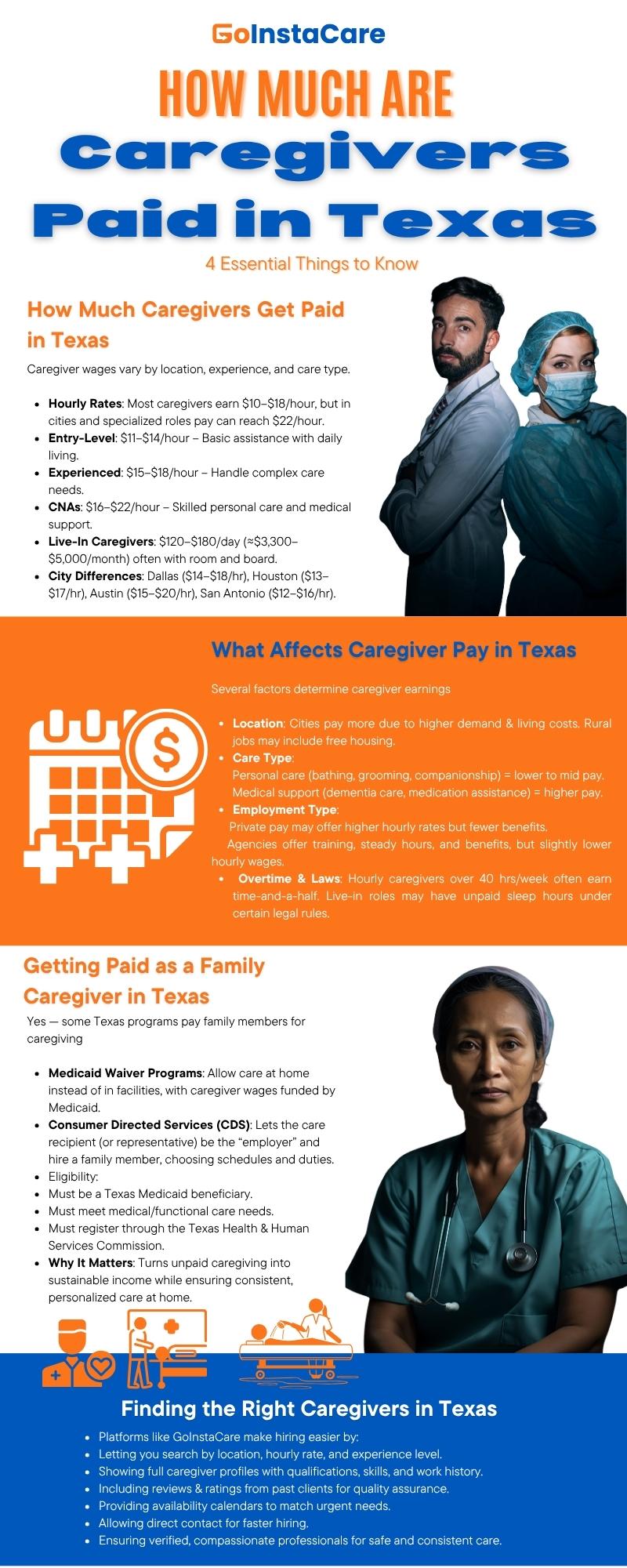
Texas operates several HCBS waivers that allow individuals to receive long-term care services in their homes or communities rather than in institutional settings like nursing homes. Crucially, many of these waivers allow for a family member, including a spouse, parent, or adult child, to be paid as a caregiver. This arrangement is often facilitated through a “consumer directed services” (CDS) option, where the care recipient or their authorized representative has more control over who provides their care and how it is delivered.
The Consumer Directed Services (CDS) Option
The CDS option within Texas’s HCBS programs is a significant pathway for family caregiver compensation. Under this model, the care recipient (or their legally authorized representative) becomes the employer of their chosen caregiver. This typically involves contracting with a fiscal employer agent (FEA) agency, which handles payroll, taxes, and other administrative tasks. The FEA ensures that the caregiver is paid directly from the Medicaid funds allocated for the care recipient’s services.
Key aspects of the CDS option include:
- Eligibility: The care recipient must meet specific medical and financial eligibility criteria for Medicaid and for the particular HCBS waiver they are enrolled in.
- Caregiver Requirements: Family members seeking to be paid as caregivers must meet certain requirements, which can vary by waiver but generally include being at least 18 years old, not being the spouse of the care recipient (in most cases, though some waivers may have exceptions), and passing background checks.
- Service Planning: A service plan is developed by a case manager or service coordinator, outlining the specific tasks the caregiver will perform, such as personal care, meal preparation, medication reminders, and light housekeeping.
- Hourly Rates: The hourly rates paid to caregivers through CDS vary depending on the specific waiver, the services provided, and prevailing wage rates in the region. These rates are generally in line with what professional home care agencies might pay their direct care staff. It’s important to note that these rates can fluctuate and are set by the state or through contractual agreements with service providers. For instance, a common hourly rate might range from approximately $10 to $15 per hour, but this can be higher in certain areas or for specialized services.
- Limitations: There are often limits on the number of hours a caregiver can be paid for in a week or month, based on the care recipient’s assessed needs and the approved service plan.
Specific Waivers Enabling Family Caregiver Pay
Several HCBS waivers in Texas are particularly relevant for family caregivers. These include:
- Medically Dependent Children Program (MDCP): This waiver serves children with significant medical needs who require assistance in their homes. Parents can often be compensated as caregivers through the CDS option.
- STAR+PLUS Home and Community Based Services (HCBS) Program: This program serves adults who are 21 years of age or older and have a disability or are 65 years of age or older. It offers a range of services, including personal care, respite care, and therapies, which can be provided by paid family caregivers under the CDS model.
- Community Living Assistance and Support Services (CLASS): While primarily for individuals with intellectual or developmental disabilities, the CLASS waiver can also provide support for individuals with certain other disabilities, and family members may be eligible to be paid caregivers.
Alternative Care Program
Texas also offers the Alternative Care Program (ACP), which is a state-funded program that provides limited financial assistance to individuals who need help with daily living activities but do not qualify for Medicaid. This program is specifically designed to help individuals remain in their homes and avoid more costly institutional care.
How ACP Works for Family Caregivers
Under the ACP, eligible individuals can receive a monthly payment to help cover the costs of care services, which can include hiring a family member as a caregiver.
- Eligibility: Eligibility for the ACP is based on financial need and functional assessment, meaning the applicant must demonstrate a need for assistance with at least one activity of daily living.
- Payment Structure: The program provides a specific monthly reimbursement amount, which can be used to pay a family caregiver. The rate of payment is set by the state and may be less than what is available through Medicaid waivers. The primary goal is to supplement, not replace, the financial resources of the caregiver or care recipient.
- Caregiver Role: Family members providing care under the ACP are typically considered independent contractors or private hires, and the care recipient is responsible for managing their payments and ensuring compliance with program guidelines.
Other Potential Avenues for Compensation
Beyond state-funded programs, there are other, albeit less common, ways family caregivers in Texas might receive compensation.
Private Agreements and Contracts
In some situations, families may enter into private agreements or contracts where the care recipient directly pays their family caregiver from their own funds. This could stem from personal savings, pensions, or other income sources. This arrangement offers maximum flexibility but places the full responsibility for payment and management on the care recipient and caregiver. It’s crucial for such arrangements to be clearly documented, outlining the services to be provided, the agreed-upon rate of pay, and the frequency of payment, to avoid misunderstandings.
Tax Benefits and Deductions
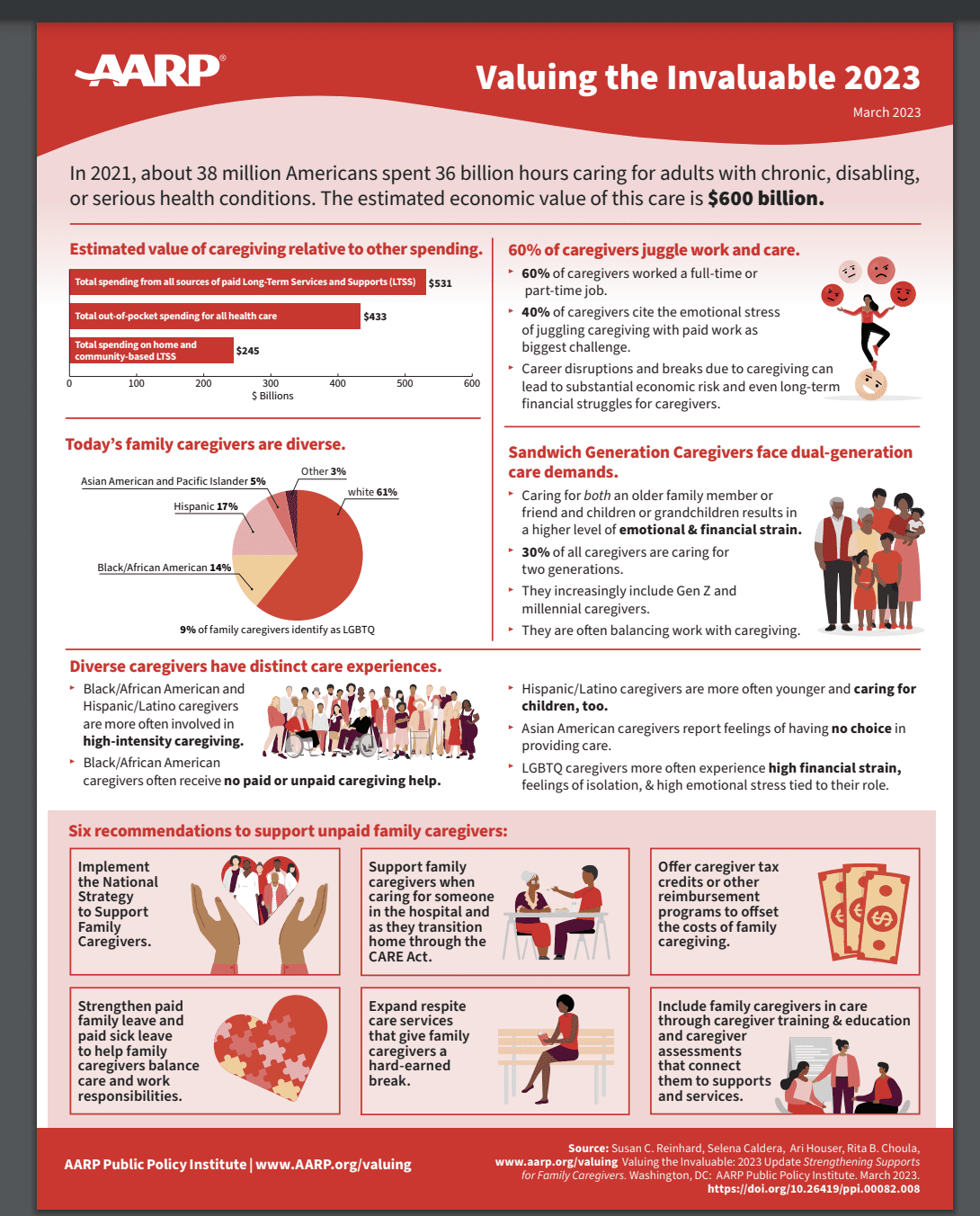
While not direct payment, family caregivers may be able to claim certain tax benefits or deductions that can offset some of the costs associated with caregiving. This can include deductions for medical expenses paid on behalf of a dependent or credits for in-home care services. Consulting with a tax professional is highly recommended to understand the specific tax implications and potential savings.
State and Local Initiatives
The landscape of caregiver support is always evolving. Texas and its various counties may offer local programs, grants, or stipends that could provide financial relief or direct compensation to family caregivers, though these are often limited in scope and funding. Staying informed about new legislative initiatives and community resources is essential for accessing all available support.
Factors Influencing Caregiver Pay Rates in Texas
The actual amount a family caregiver in Texas can expect to earn is influenced by a multitude of factors. Understanding these variables is key to setting realistic expectations and advocating for fair compensation.
Program Specifics and Funding Levels
As highlighted, the primary determinant of pay is the specific program the care recipient is enrolled in. Medicaid waiver programs, particularly through the CDS option, generally offer the most structured and consistent compensation. The funding levels allocated to these programs by the state and federal government directly impact the hourly rates that can be paid. Reductions in state budgets or shifts in policy can lead to adjustments in these rates.
Geographic Location
Like many service industries, home care and caregiving wages can vary by geographic location within Texas. Metropolitan areas like Houston, Dallas, San Antonio, and Austin often have higher costs of living and, consequently, may offer slightly higher hourly rates for caregivers compared to more rural regions. This reflects the local market demand and the prevailing wage for similar services.
Type of Services Provided
The complexity and nature of the care provided can also influence the pay rate. Caregivers performing basic personal care tasks like bathing and dressing may receive a standard hourly rate. However, if the care recipient requires specialized medical support, behavioral assistance, or skilled nursing tasks that the family caregiver is trained and authorized to perform, the compensation might be adjusted accordingly.
Experience and Qualifications
While many family caregivers are compensated without formal certifications, some programs or private arrangements might offer higher rates to caregivers who possess specific training, certifications (e.g., Certified Nursing Assistant – CNA), or extensive experience in a particular area of care. Demonstrating a higher level of competence can be an advantage.
Hours Authorized and Care Recipient Needs
The total amount of compensation a family caregiver receives is also contingent on the number of hours authorized in the care recipient’s service plan and the actual hours worked. If a service plan authorizes 20 hours of care per week, the caregiver’s earnings will be based on those 20 hours, regardless of whether they provide more informal support. The care recipient’s assessed needs are the driving force behind the approved care hours.
Maximizing Support and Financial Sustainability
For family caregivers in Texas, understanding these compensation pathways is just the first step. Proactive planning, diligent research, and effective advocacy are crucial for maximizing financial support and ensuring long-term sustainability.
Navigating the Application Process
The application processes for Medicaid waivers and other state programs can be complex. It often involves working with case managers, completing extensive paperwork, and undergoing assessments for both the care recipient and, in some cases, the prospective caregiver. Patience and persistence are key. Resources like the Texas Department of Health and Human Services (HHHS) website and local Area Agencies on Aging (AAAs) can provide guidance and support throughout this process.
Professional Advice and Advocacy
Engaging with professionals who specialize in elder law, benefits planning, or caregiving advocacy can be invaluable. These experts can help families understand eligibility requirements, navigate bureaucratic systems, and ensure they are accessing all available benefits. Additionally, advocating for increased funding for caregiver support programs at the state level is a collective effort that benefits all family caregivers.

Building a Support Network
Beyond financial compensation, building a strong support network is vital for the well-being of family caregivers. This can include connecting with other caregivers through support groups, utilizing respite care services to take breaks, and seeking emotional and practical support from friends, family, and community organizations. Organizations like Family Caregiver Alliance and local chapters of aging and disability resource centers offer a wealth of information and resources.
In conclusion, while Texas may not offer a universal caregiver stipend, robust programs exist that enable family members to receive compensation for the essential services they provide. By understanding the nuances of programs like HCBS waivers with their CDS options and the Alternative Care Program, and by actively seeking out available resources and support, family caregivers in Texas can achieve a greater degree of financial stability and recognition for their invaluable contributions.
LifeOutOfTheBox is a participant in the Amazon Services LLC Associates Program, an affiliate advertising program designed to provide a means for sites to earn advertising fees by advertising and linking to Amazon.com. Amazon, the Amazon logo, AmazonSupply, and the AmazonSupply logo are trademarks of Amazon.com, Inc. or its affiliates. As an Amazon Associate we earn affiliate commissions from qualifying purchases.